Empowering India's transgender community
The Madras Elite club's priorities include helping transgender individuals:
Complete their education. Bullying in schools leads many transgender students to drop out. Based on 2011 census data, the literacy rate among India's transgender community has been estimated at 56 percent, compared with India's overall rate of 74 percent.
Obtain new identity documents. Without a government ID, transgender individuals cannot open a bank account, vote, or access government assistance and health care.
Make their voices heard. Charter member Nila serves on the Transgender Welfare Board for the southern state of Tamil Nadu, an important platform for promoting the social welfare and economic empowerment of the transgender community.
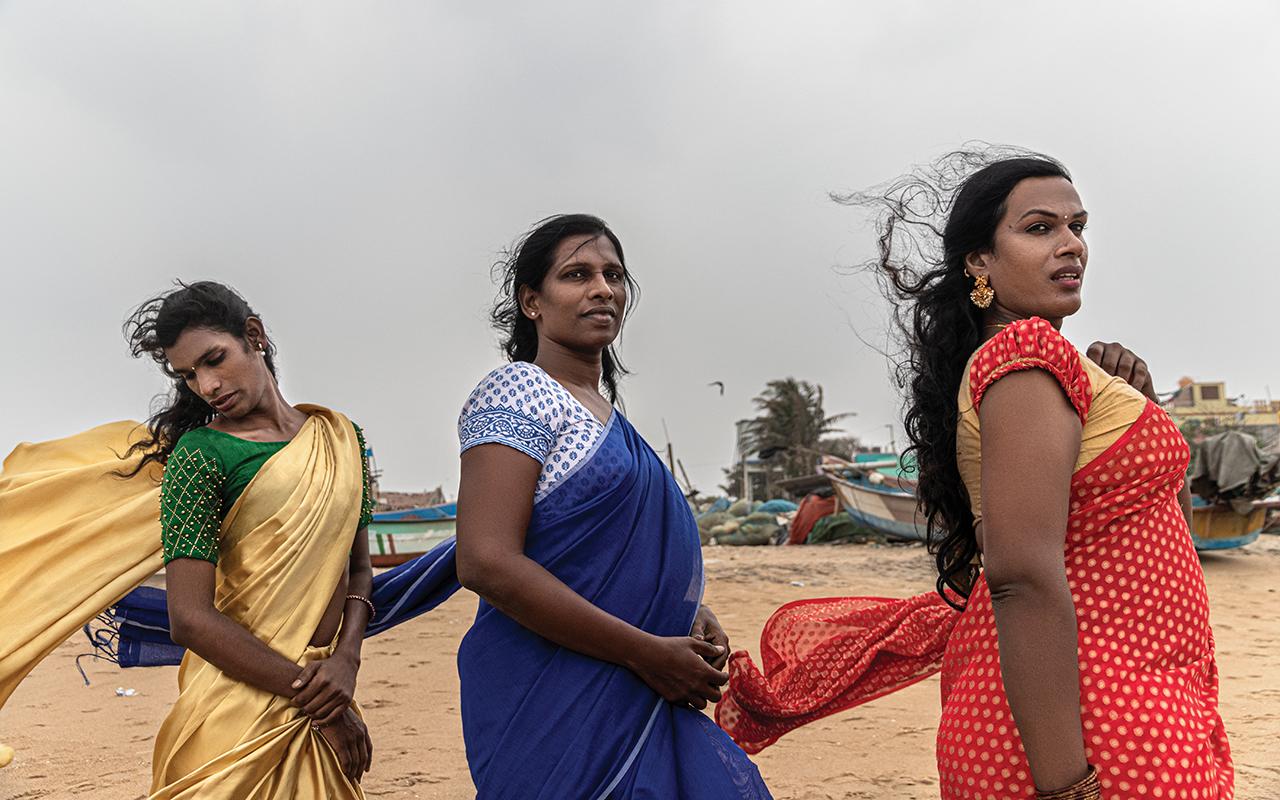
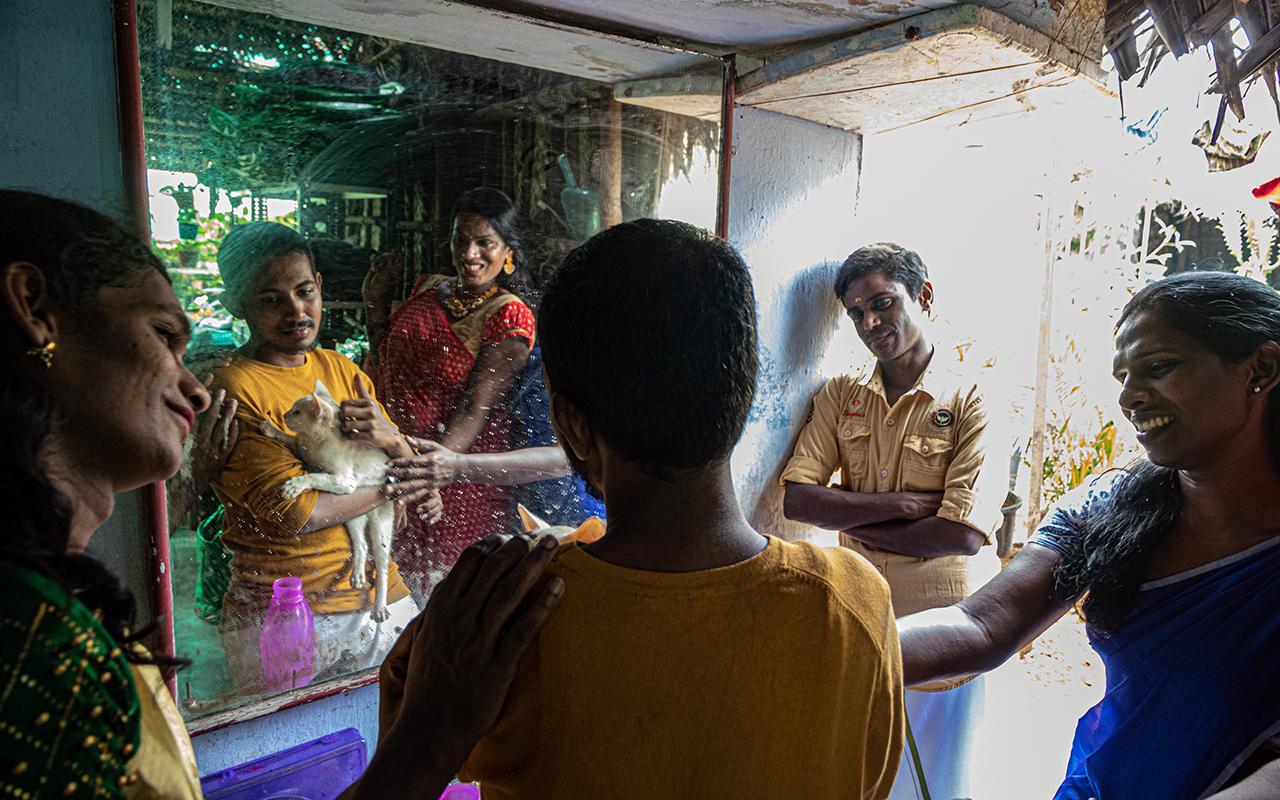
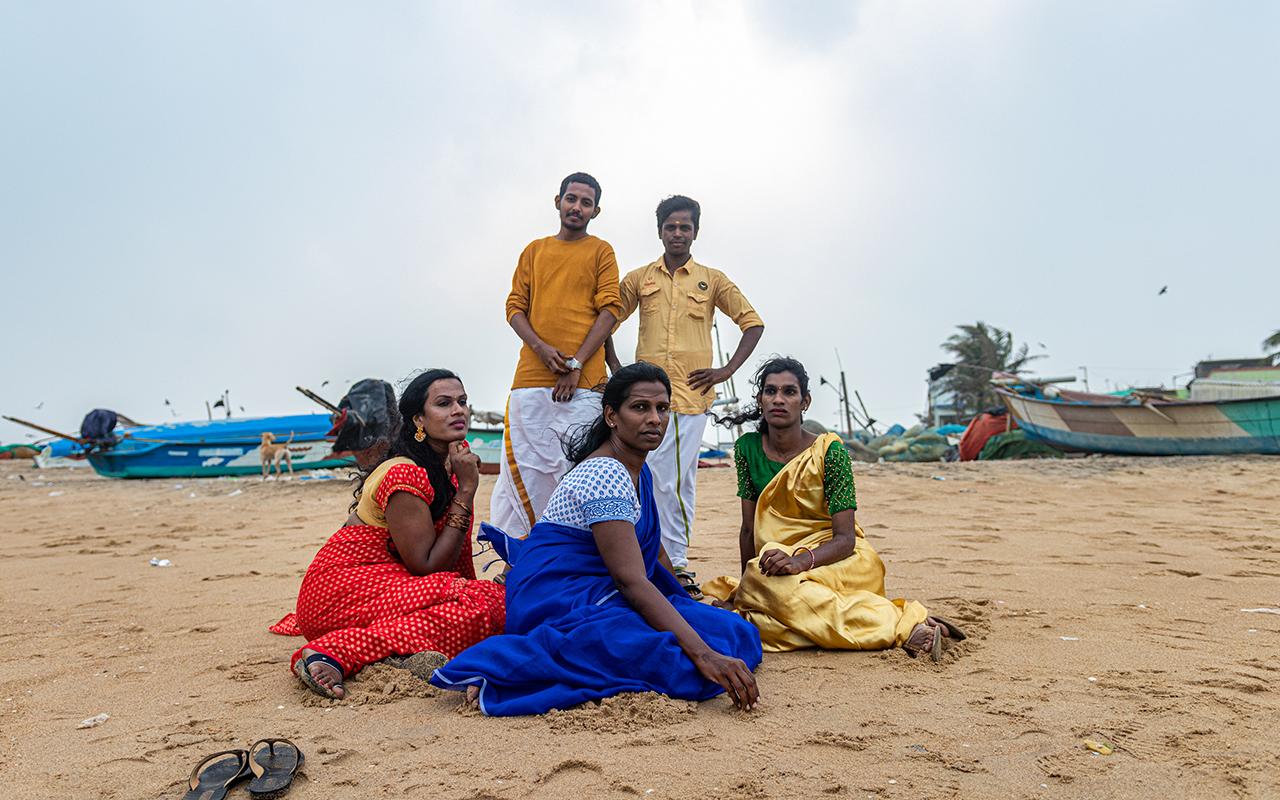
Each of the club's 25 charter members has overcome adversity and pain. "We've all seen a lot of problems in our lives," says Deepthi, a trans woman in her late 30s who works in an IT company and is the club president. "Our goals are to now help other transgender people avoid these pitfalls and save them from extreme discrimination." The club has three major goals: to improve public awareness of issues concerning transgender people, to help people who've fought with their loved ones and left their homes, and to prevent bullying.
Recently, they've connected with schoolchildren in online workshops, asking them to support peers who may be exploring their gender identity. "We tell them to be a buddy, not a bully," says Nila. "That kind of sensitization starts at a young age." They're also helping secure national ID cards and documentation for transgender people who may not have access to their identity documents because of family disputes. They would like to use microfinancing programs to help club members set up small businesses and become financially independent. "We wish to be seen as productive members of society," says Deepthi. "People rarely see transgender individuals as being in positions of strength and tend to typecast the entire community as either beggars or sex workers, and that's a problem."
Other initiatives they'd like to take on include a nationwide photography project to showcase portraits of successful members of the trans community whose gender identity may not have been widely known. Another is a documentary about the challenges they face.
Meanwhile, Sanjiv continues to thrive after the cascading challenges he faced in years past. He has reconciled with his family and is hopeful about the power of greater representation to influence change. "Parents of trans children would be far more accepting if we had a chance to make something of ourselves," he says. "We need to give the community a reason to come out and the support to do so. Rotary has given us a platform; it's a chance to unite, to work together, to raise our collective voices against discrimination."
This story originally appeared in the March 2023 issue of
Rotary magazine.
Empowering India's transgender community
The Madras Elite club's priorities include helping transgender individuals:
Complete their education. Bullying in schools leads many transgender students to drop out. Based on 2011 census data, the literacy rate among India's transgender community has been estimated at 56 percent, compared with India's overall rate of 74 percent.
Obtain new identity documents. Without a government ID, transgender individuals cannot open a bank account, vote, or access government assistance and health care.
Make their voices heard. Charter member Nila serves on the Transgender Welfare Board for the southern state of Tamil Nadu, an important platform for promoting the social welfare and economic empowerment of the transgender community.