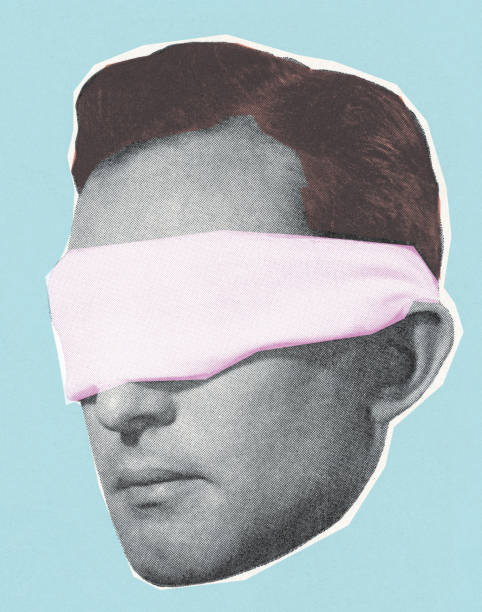
Most of us associate the word "bias" with bad things like racism, sexism, and homophobia.
To social scientists, however, those things go beyond bias; they're bigotry. Social scientists define bias as a preference, and without it, well, imagine how long it'd take you to place an order in a restaurant.
Psychologist Matt Grawitch, director of strategic research at Saint Louis University's School for Professional Studies, says our brains evolved to make decisions quickly, based on small amounts of information. And in prehistoric times, experts believe that the more someone seemed like us, the less dangerous we assumed them to be, whether or not this was true.
But many of our prehistoric tendencies aren't necessarily good for us today. Studies have shown that the most diverse companies are more likely to outperform their competitors. And you may have a bias toward burgers and against vegetables, but that doesn't mean you should only eat burgers or hate vegetables.
Part of being a modern, evolved human or organization might mean avoiding some of the things we're biased toward and seeking out alternatives.
While we are often bad at spotting our own biases, we can learn to distinguish bias from bigotry and keep it from negatively affecting our decisions.
Here are some tips for keeping bias from becoming a detriment.
The cost of bias- Employer bias drives employee disengagement, which costs U.S. companies an estimated $550 billion per year.
- 20 percent vs. 7 percent. Employees at large companies who perceive that their companies are unfairly biased are nearly three times as likely to be disengaged at work.
- 31 percent vs. 10 percent. People who perceive unfair employer bias are more than three times as likely to say that they’re planning to leave their current jobs within the year.
- 34 percent vs. 13 percent. Those who perceive unfair bias are 2.6 times more likely to say that they’ve withheld ideas and solutions over the previous six months.
Sources: Gallup, Coqual
.