Here’s the good news: forests managed by Indigenous people in Amazonia served as life-saving carbon sinks from 2001-21, removing the equivalent of the UK’s annual fossil fuel emissions each year, according to a new study by the World Resources Institute. WRI’s data show similar success for forests managed by Indigenous, Afro-descent and other peasant communities around the world. And here’s the bad: “Deforestation, degradation and other disturbances, however, have already turned some of the world’s most iconic forests into carbon sources and threaten to convert others,” the WRI report continues. Read more about these challenges – and why Rotarians are well positioned to help meet them – in ESRAG’s Feb. 1 blog "Saving Forests to Save Ourselves."
This newsletter is packed with news of the Rotary family responding with perseverance, dedication, and skill:
- Filipino students restore watersheds
- DGs deliver huge boost for French bees
- Restoring forests by benefiting all concerned
- RYLA students commit to be the ECOLUTION!
- Feb. 27-28 webinar on Farmer-Managed Natural Regeneration in Niger
- A world of ways to restore biodiversity: Philippine Republic, South Africa and Australia
- How to share the good news of your projects and Global Grants
If you are going to the Rotary International Convention in Melbourne, come at least two days early for ESRAG excursions to an array of fascinating environmental projects, and two wonderful events on May 25: the ESRAG Environment Action Summit, and the evening RAGtime reception with members of other Rotary Action Groups and Rotary International staff and leaders.
We have beloved colleagues who were in Türkiye when the earthquake hit. ESRAG Chair-Elect Yasar Atacik and Regional Chapter Co-Chair Safak Oszoy relayed vital information about Rotary's response, and Communications Team member Kerim Parlak volunteered in search and rescue. ESRAG Director Yavuz Atila helped launch fundraising from abroad. In the midst of reaching out to loved ones in the earthquake zone and mobilizing support for the massive relief work ahead, they share news below on how we can help.
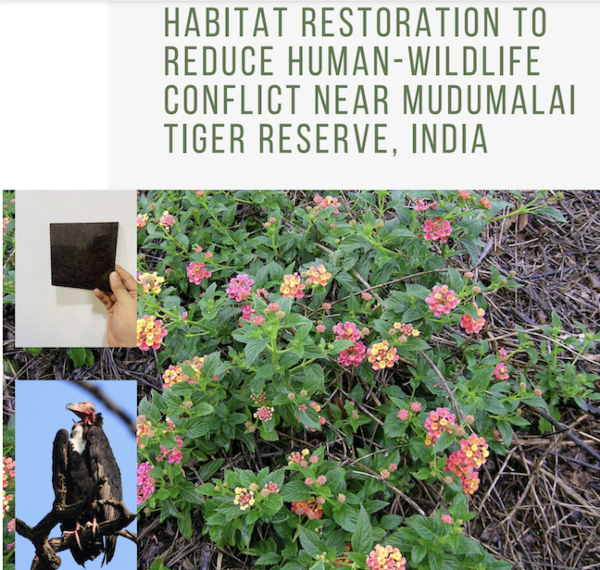
Photos above illustrate the strategy RC Nilgiris West is launching to restore human-ecosystem balance in India's Western Ghats: protecting endangered species by removing invasive plants and turning them into income-producing products. |