
By Roger Bjoroy-Karlsen, PI Chair, RUG
Poverty and pollution hinder people's access to clean drinking water—those who consume water from the well face stomach issues, parasites, dysentery, and E. coli infections. Tragically, babies have died from dysentery after drinking water from the creeks, and dengue fever, due to unsatisfactory storage of the water. Additionally, the residents cannot afford the electricity needed to pump water from the well, or if they choose to pay for well water, they might not have the funds to get clean drinking water.
In the hills on the northwestern side of the island of Roatan, behind the busy Ramirez supermarket, lies Monte Fresco, one of five colonies in the area of La Colonia Sandy Bay. The 280 inhabitants, living in 70 households, are impoverished and struggle to make ends meet. One of their significant costs is paying the community water fee. The fee covers the pumping of water from a community well using an electric pump. This system involves pumping water approximately 120 yards to a 30,000-gallon cistern, from where it is distributed by gravity to the households. Most families struggle to afford their fee, although the community never cuts off their supply; instead, they search for ways to cover the expenses. The island's electricity supply is often unreliable, with outages every week, affecting the pump, which needs to operate 12 to 16 hours a day.
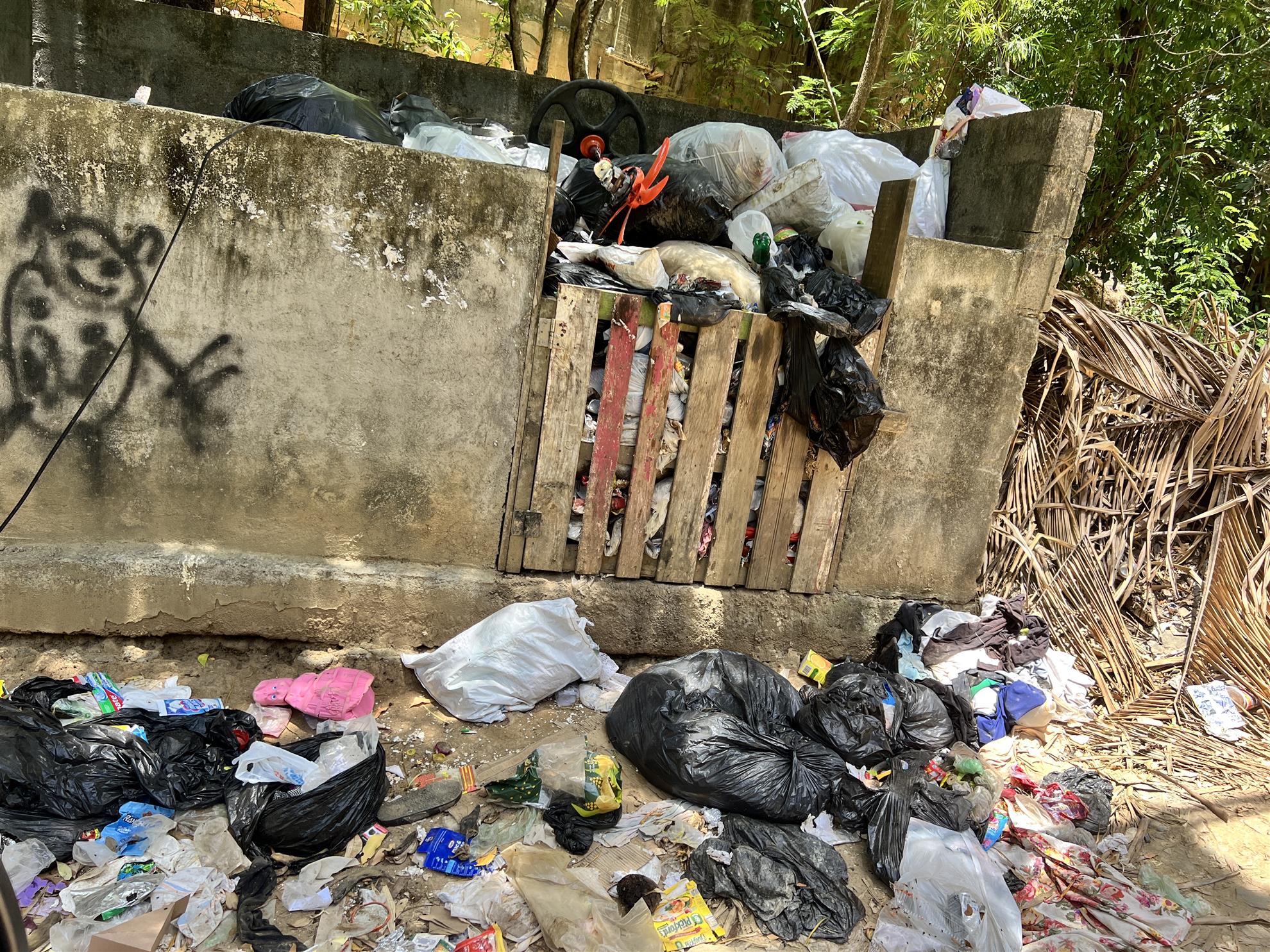
This garbage dump is situated above the well and most likely pollutes the groundwater. (Photo: Roger Bjoroy-Karlsen)
The well water is okay for sanitary use, but it is not clean drinking water. So the people in Monte Fresco end up needing to purchase additional 5-gallon bottles of drinking water. This extra cost, that is one that many of the families can not afford. Also, the steep terrain, and the lack of transportation creates yet another challenge for the families. Around 10% of the population currently consumes the well water.
The garbage dump situated above the well can most likely pollute the groundwater, which is pumped up from it. Vulnerable PVC pipes that deliver water to the households frequently crack, contributing to making the water unsafe to drink, due to contamination seeping in through the cracks. Furthermore, the leachate rainwater from this and other rubbish dumps can cause not only ecological issues like algal blooms and soil salinization but also various water-borne diseases upon human exposure through drinking or bathing.
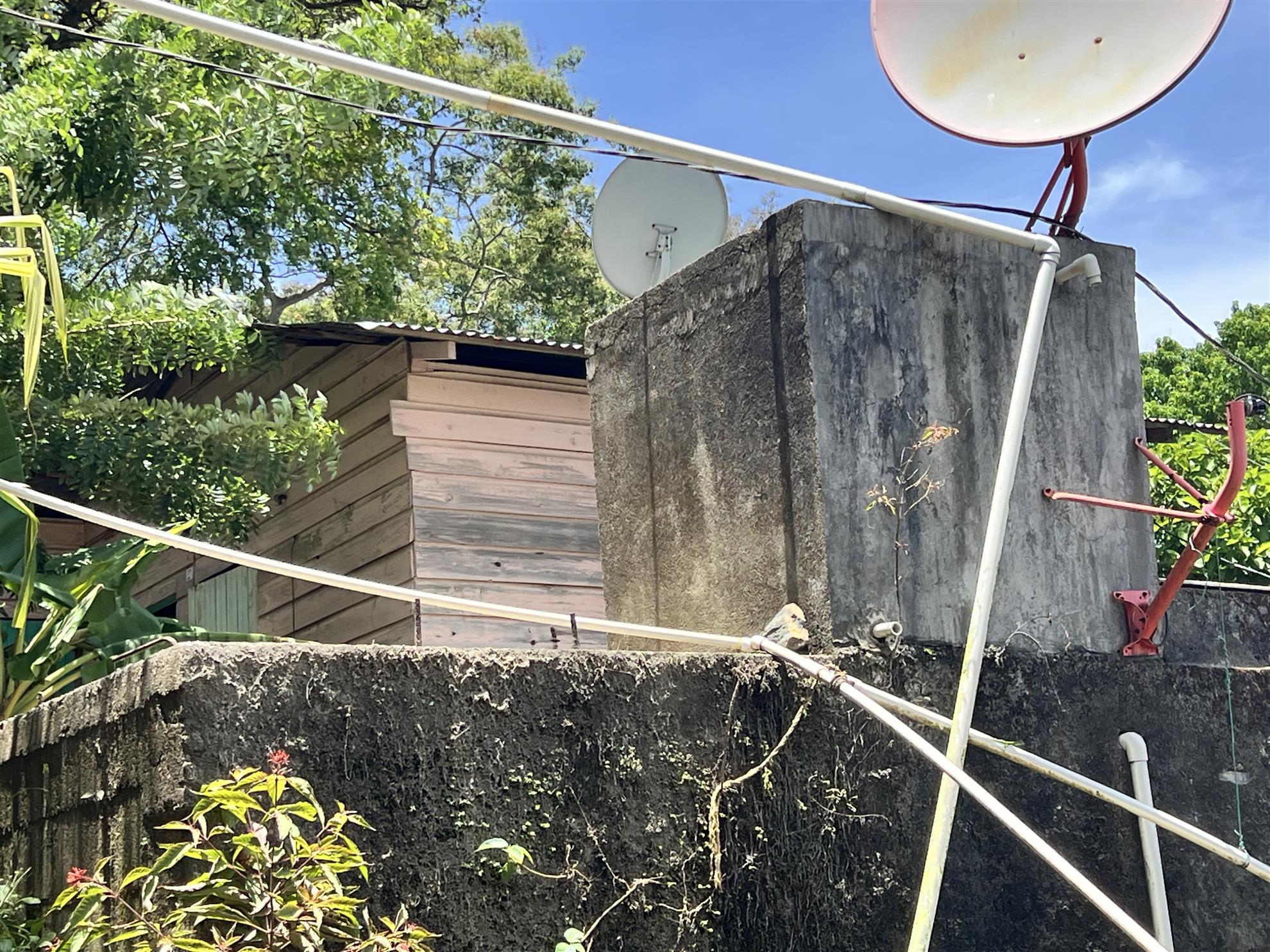
The cistern where the water is distributed to the households through vulnerable PVC pipes (as shown) (Photo: Roger Bjoroy-Karlsen)
The organization “Construction Volunteers”, which has been conducting building projects on Roatan since 2008, discovered the water issues in Monte Fresco. They reached out to the Rotary Club of Traverse City, Michigan, USA.
"Construction Volunteers assessed such a project to be outside of their capabilities," says John Petzold, the lead coordinator from the Rotary Club of Traverse City.
After conducting a survey, the Rotary Club of Traverse City wished to proceed with this project and decided to contact the Rotary Club of Roatan Utila Guanaja (RUG) to be the host club for the project. Rotary International requires the collaboration of both an international and an in-country club for Global Grant projects. RUG has been responsible for conducting the community assessment by liaising with the colony and the Monte Fresco Water Board and further coordination with the Traverse City Rotary club.
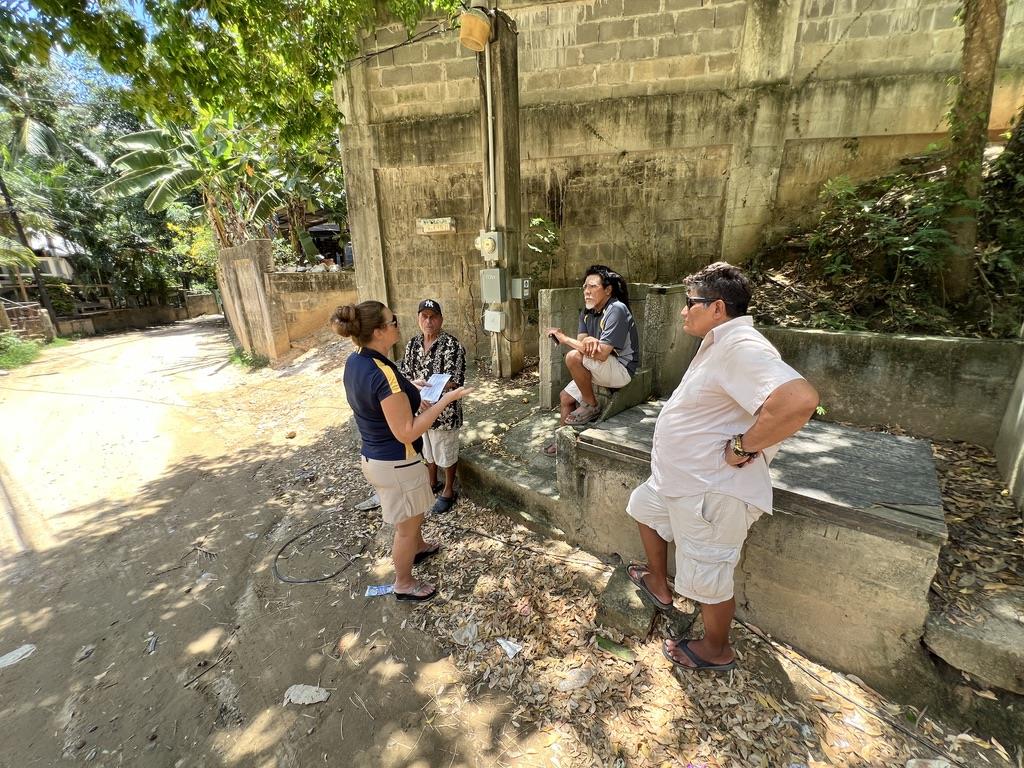
President of RUG, Angela Claire in conversations with three members of the water board in Monte Fresco. From the right to the left: Hector Flores, Lucas Martinez, and Ricardo Calderon, on top of the water pump. (Photo: Roger Bjoroy-Karlsen)
To address the issue, we propose the following plan:
- Purchase and place a solar panel array, including sufficient solar panels to ensure electricity for the well pump—a sustainable and eco-friendly water supply, which will significantly reduce the cost for the population.
- Remove the garbage dump located above the well to prevent contamination of the water source.
- Distribute Sawyer water filters, along with 5-gallon drinking bottles and 5-gallon buckets including lids, to each household. This will enable families to purify and store their drinking water safely.
- Ensure that each household participates in the WASH training (Water, Sanitation and Hygiene)
Would you like to support the project or have any questions or need for more information? Contact us at:
Email: post@rcorug.com
Phone (WhatsApp): +504 9731-6476
Are you curious about Rotary and how we work for a better world? Do you want to join us on our paths and experience the joy created? Contact us at post@rcorug.com, or WhatsApp: +504 9731-6476. If you are not sure yet, follow us on:
Facebook: https://www.facebook.com/RotaryClubofRoatanUtilaGuanaja
Instagram: https://www.instagram.com/rotaryclubofrug/
Are you looking for more stories from and about the people, their culture, society, and history? Why don’t you visit https://bay-islands-magazine.com/