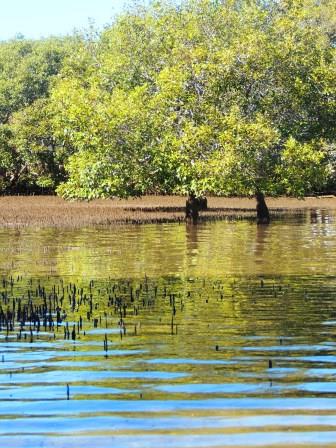
 Ava stepped off the foreshore and into the hush of the mangrove forest, where the world felt half land, half sea, and entirely magic.
The trees stood on tangled roots like dancers balanced on their toes, rising from the mud in twisting loops and arches. Around them, thin breathing spikes poked up from the ground like thousands of little pencils, and Ava imagined the forest whispering through them.
The air smelled of salt and wet earth. Sunlight slipped through the leaves in golden pieces, landing on pools that shimmered with tiny fish.
A crab, with a claw as bright as a fire-lit topaz, darted sideways into a hole. Ava gasped and crouched low, her knees muddy, watching the hole as if it were a doorway to another world.
Above her, birds called from hidden branches - sharp cries, soft whistles, fluttering wings. She spotted one blue-grey bird lifting into the sky, its reflection wobbling in the water below. Everything seemed alive in more than one way: the mud wriggled, the roots reached, the water glittered with secret movement.
Her Pop pointed out how the mangroves held the shoreline together and sheltered baby fish from bigger hunters. Ava listened, but mostly she felt it. This forest was not just a place. It was a home, a nursery, a fortress, a feast.
When the tide began to creep in, the water slowly wrapped the roots in silver. Ava stood very still, as if the forest had invited her in for a moment and she must not break the spell. Then she smiled, knowing she would carry its wonder long after her shoes were clean again.
Ava and her Pop enjoyed their walk with nature, a guided tour of the foreshore and wetlands surrounding the Deception Bay Environmental Hub.
Don't lose your opportunity to celebrate World Mangrove Day this year.
Two tours are available on Sunday, 26 July 2026:
- Morning Tour (10.00 am to 12 noon) REGISTER HERE!
- Afternoon Tour (2.00 pm to 4.00 pm) REGISTER HERE!
The day also includes presentations from researchers, practical application of a Scanning Electron Microscope (SEM) and a series of interactive displays.
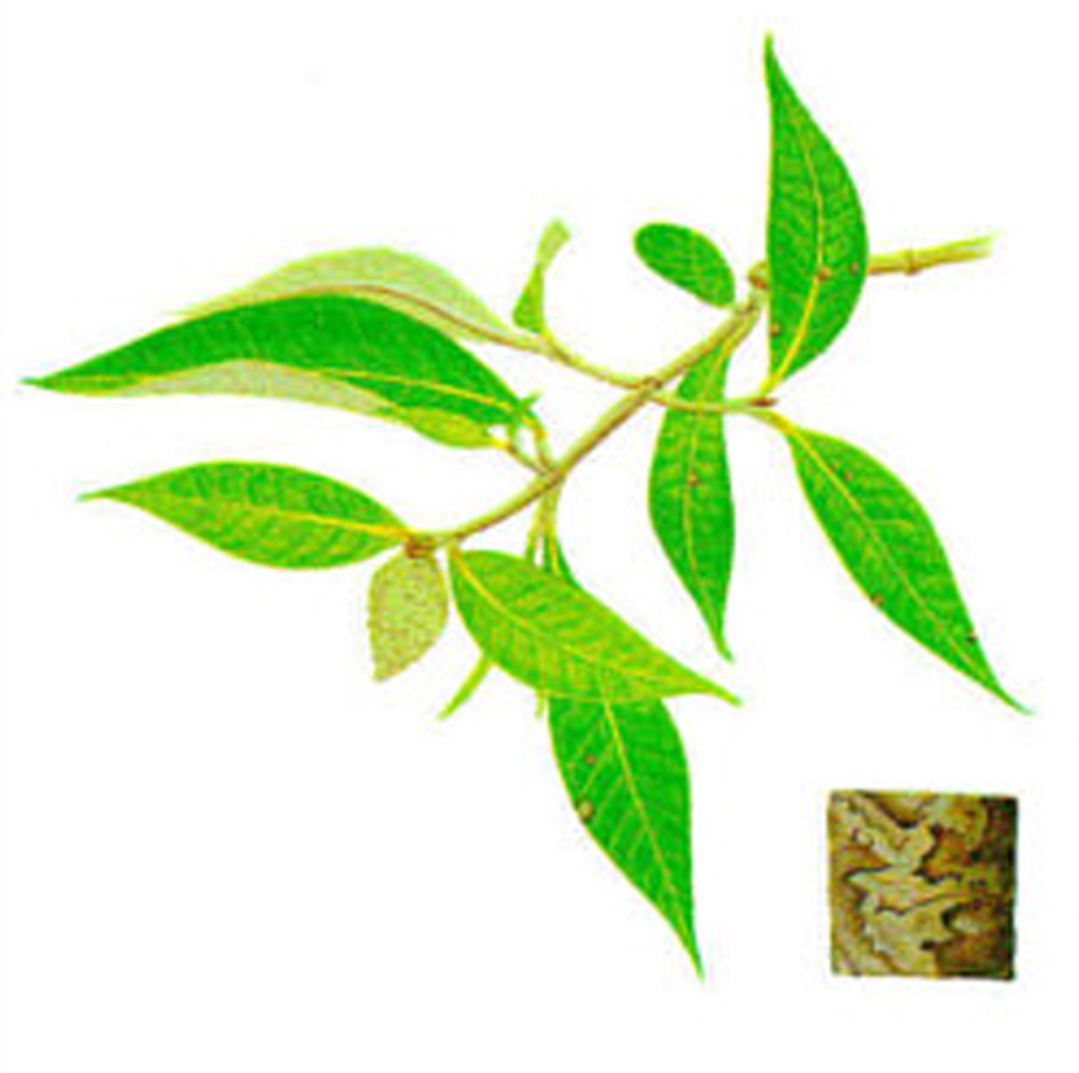


Many of the mangrove trees that Ava saw were the Grey Mangrove (Avicennia marina), the predominant mangrove species in the Deception Bay Conservation Park, an integral part of the internationally significant Moreton Bay Ramsar Site, bordering the Deception Bay Environmental Hub in the north.
- Unique Root System: They utilize aerial peg-like roots (pneumatophores) that project vertically above the waterlogged mud, allowing the plant to absorb oxygen during low tides.
- Salt Tolerance: They expel excess salt through specialized glands on their leaves. You can often feel a crusty layer of salt on the glossy green upper surfaces.
- Appearance: The trees have a spreading, leafy crown. The undersides of leaves feature a pale, velvety, grey appearance.
- Flowering and Fruiting: In Queensland, they bloom from mid-summer through autumn, producing small pale green to yellow flattened fruits that drop and self-seed in the mud.
- Ecological Role: These mangroves act as a natural buffer that protects the shoreline from storm surges and wave erosion, while their complex root systems provide essential nurseries and shelter for fish, crabs, and birds.
The blue-grey bird Ava saw was the White-faced Heron (Egretta novaehollandiae), a smaller blue-grey heron with a distinctive white face and throat that is abundant in the area. Her guide was able to identify it for her.
Ava described her brief encounter with the crab to her guide. He thought it was a male Orange-clawed Fiddler Crab (Tubuca coarctata), which are prevalent in the mangrove forests and muddy tidal mud flats around the Deception Bay
Homepage Photograph: Grey Mangrove Redcliffe Environmental Forum