
Hobart, Tasmania is surrounded by natural beauty.
The mountain, Kunanyi (Mt Wellington), sits high above the town, slightly removed by its elevation.
Its rivulets are braver, plunging down the slope and cutting through Hobart.
They bring wildlife and greenery into the urban landscape.
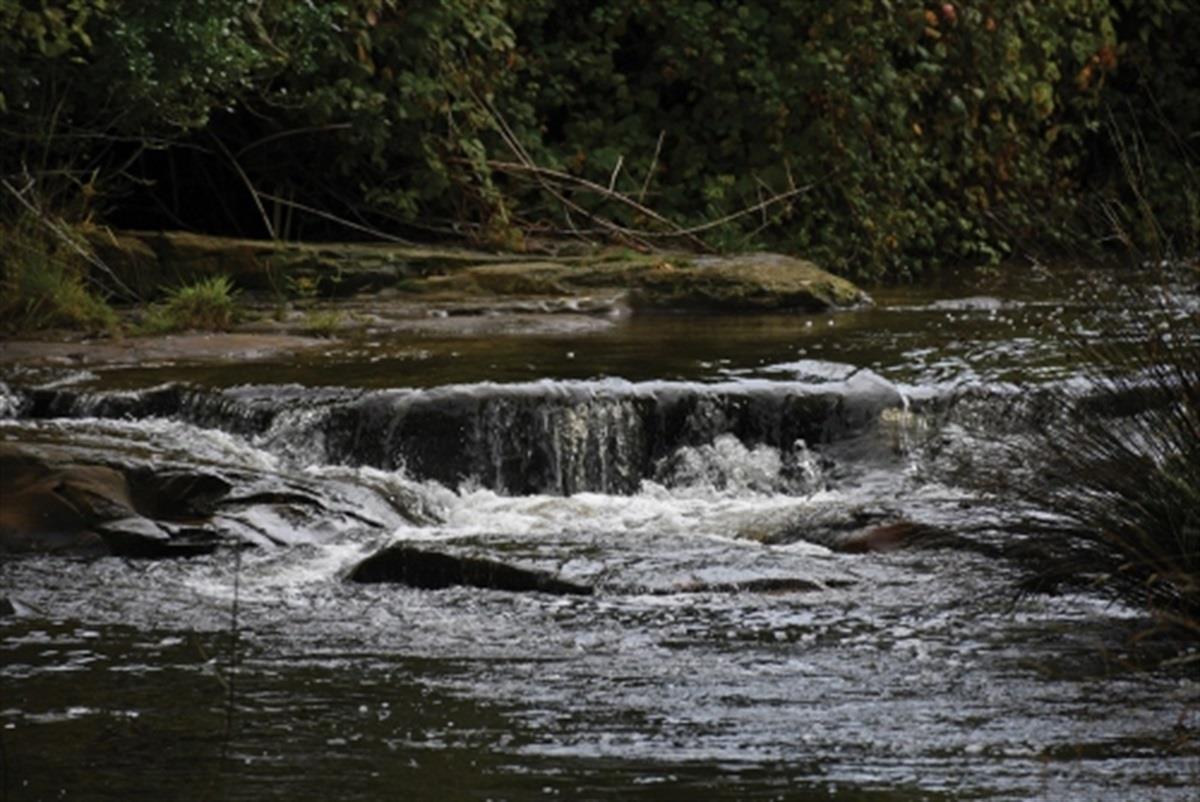
Waterbugs provide insight into the longer-term effects of water quality on the health of a freshwater ecosystem.
The diversity of waterbugs at particular points along a waterway can tell us much about that waterway's long-term exposure to impacts such as pollution and sediment.
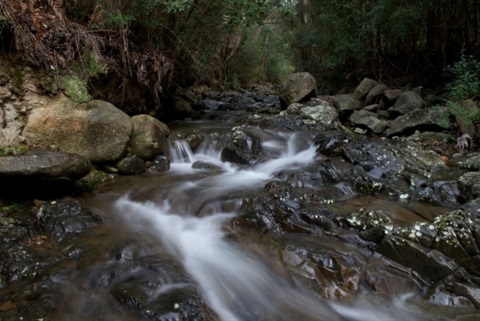
The presence of more sensitive waterbugs indicates lesser impacts.
Sites populated only by "tolerant" organisms suggest impacts of pollution, sedimentation and erosion.
Tolerant waterbugs are those that have resilience to these impacts.
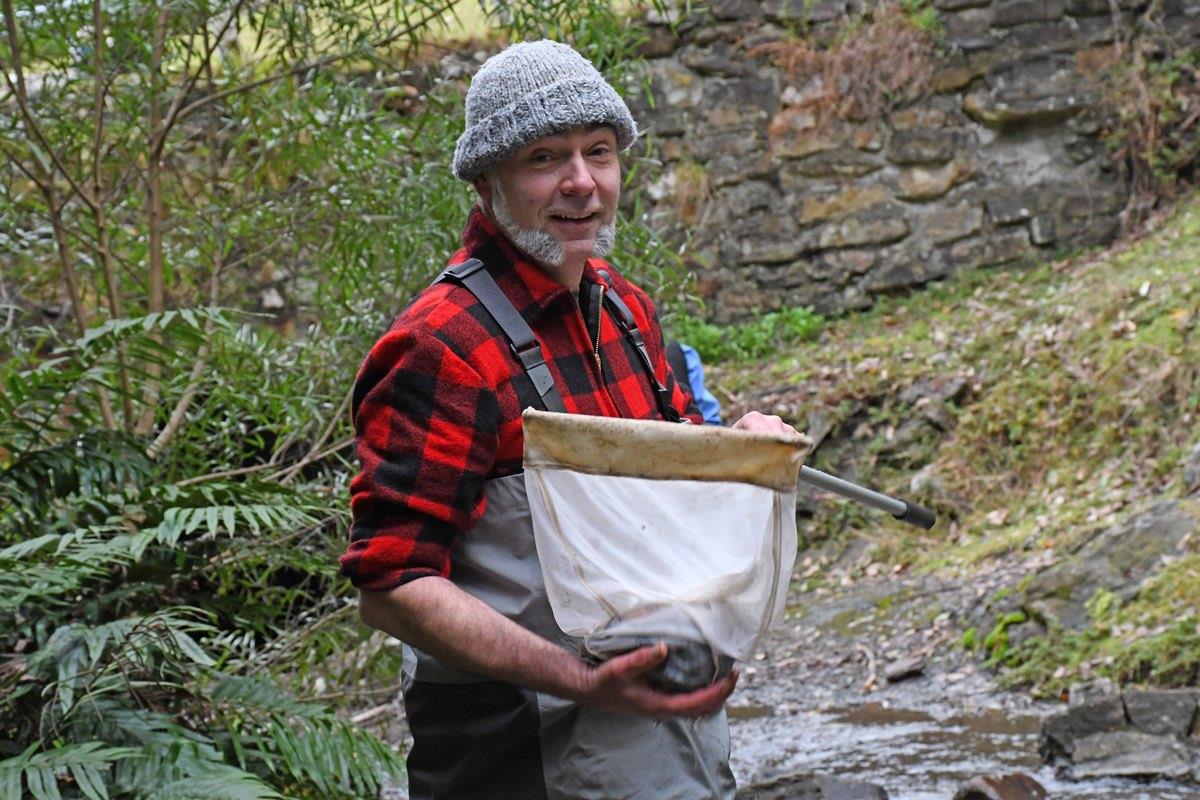
John Gooderham is a freshwater ecologist who specialises in waterbugs.
He has worn out roughly six pairs of waders since 1996.
The last two were quite expensive ones. Royalties from the Waterbug Book, which he co-authored with Edward Tsyrlin may have covered the cost of their replacement.
John was also involved in the establishment and maintenance of the Waterbug App ..which supplies data to The National Waterbug Blitz, a citizen science program that assesses Australia’s rivers using info from waterbug surveys.
The National Waterbug Blitz is an ongoing program …worth a look if you like that sort of thing.
John Gooderham introduces a study that uses the presence and diversity of waterbugs to provide a benchmark for the ecological health of Hobart's four major rivulets (from north to south): New Town Rivulet, Hobart Rivulet, Sandy Bay Rivulet, Lambert Rivulet.
See the State of our Rivulets Report.