

Fear and fascination are two sides of the same psychological coin.
While fear triggers our survival instincts, the thrill of facing the unknown safely often morphs into deep curiosity or fascination.
This complex emotion drives everything from how we consume media to how we confront everyday challenges.
At their core, fear and fascination trigger similar physiological responses but are processed differently by the brain.
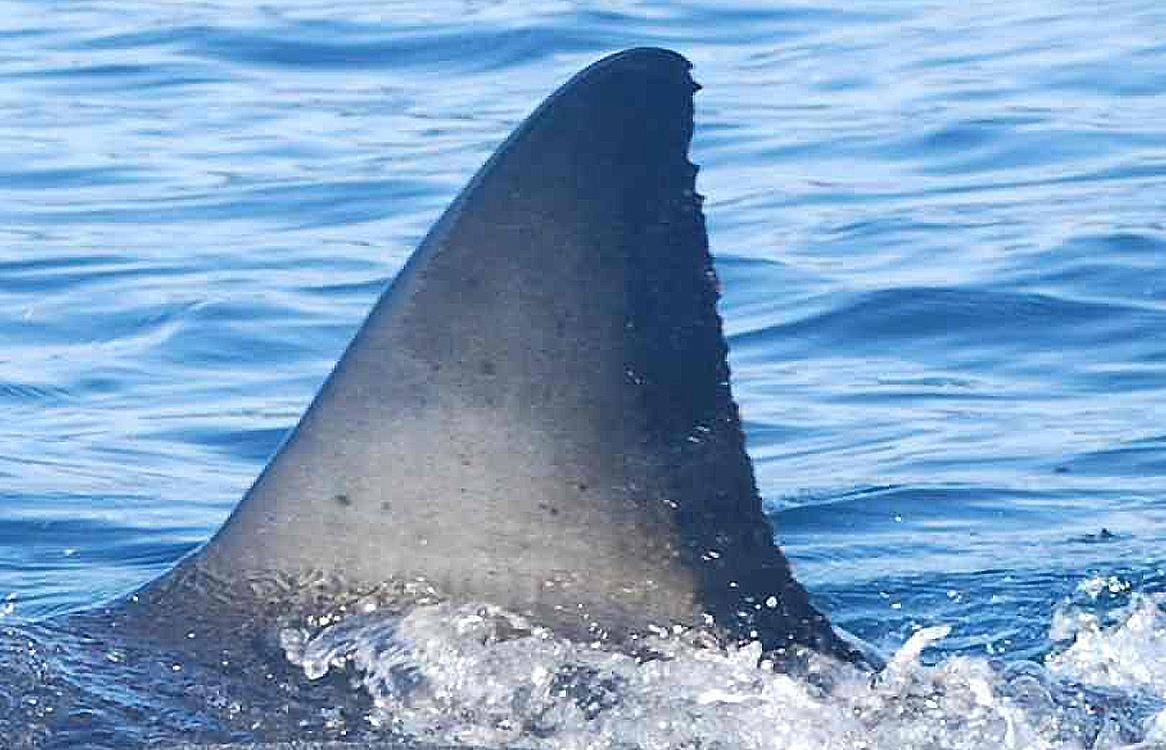
Media and exposure have a massive impact on shifting public perception from terror to curiosity: The "Jaws" Effect:
Steven Spielberg's 1975 film Jaws is widely regarded as a population-level priming event for shark fear.
The film depicted the great white shark as a deliberate, bloodthirsty predator attacking humans for no clear reason, and the resulting "Jaws Effect" reshaped public perceptions that persist half a century later.
While the iconic film sparked a deep-rooted, primal fear of the ocean and sharks, it simultaneously inspired a massive surge in marine biology applications as people became fascinated by the creatures.
Sharks are synonymous with fear, but why?
Understanding public fear of sharks is critical for conservation, as people are less likely to support the protection of species they dislike or fear and instead may even endorse lethal management strategies such as culling.
While evolutionary psychology suggests a biological basis for fearing predators, this alone cannot explain why sharks elicit such disproportionate fear compared to statistically greater threats – including other animal species.
Senior Lecturer, Dr Brianna Le Busque recently presented at our monthly eco-forum (June 18).
Her presentation explored a series of environmental psychology studies conducted over several years to unpack the complex psychological and social drivers of shark fear.
Eco-forum: Talking about Fear of Sharks and our Connection with Ocean
Photo Album: Talking about Fear of sharks and our Connection to Ocean