
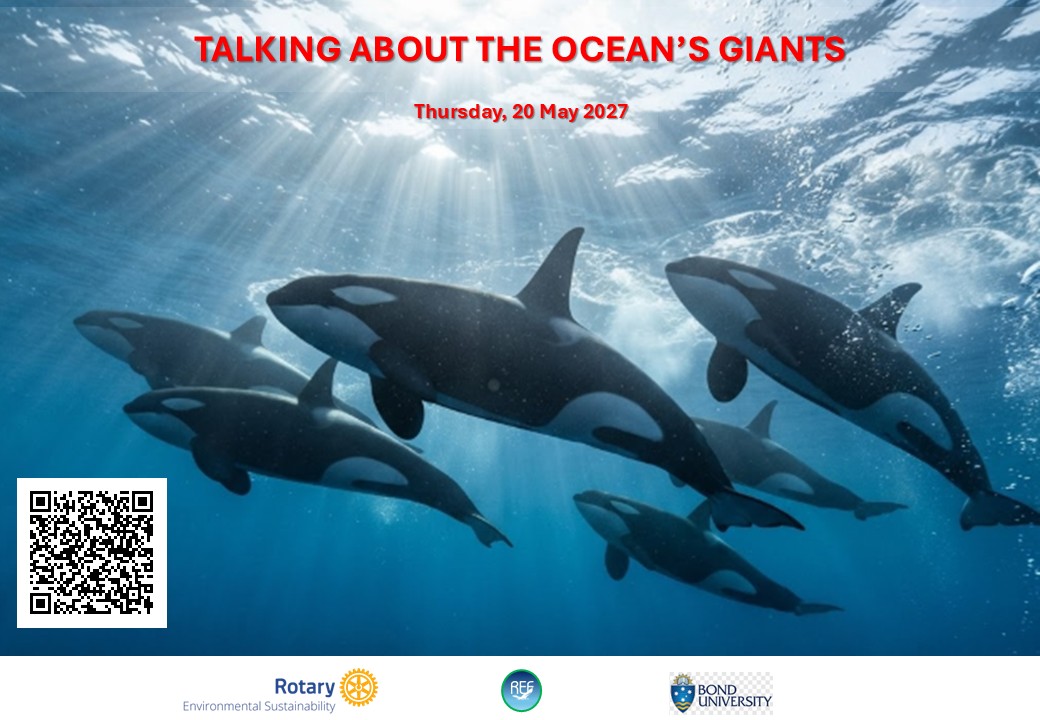
TALKING ABOUT THE OCEAN'S GIANTS: A TRAINER'S STORY OF TRUST AND DISCOVERY
May 20, 2027 7:00 pm - 9:00 pm
NOTE: THIS EVENT IS ALSO AVAILABLE ONLINE.
Register and the Microsoft Teams meeting link to join online will be provided in your 'Registration Confirmation' email.
OUR PRESENTER
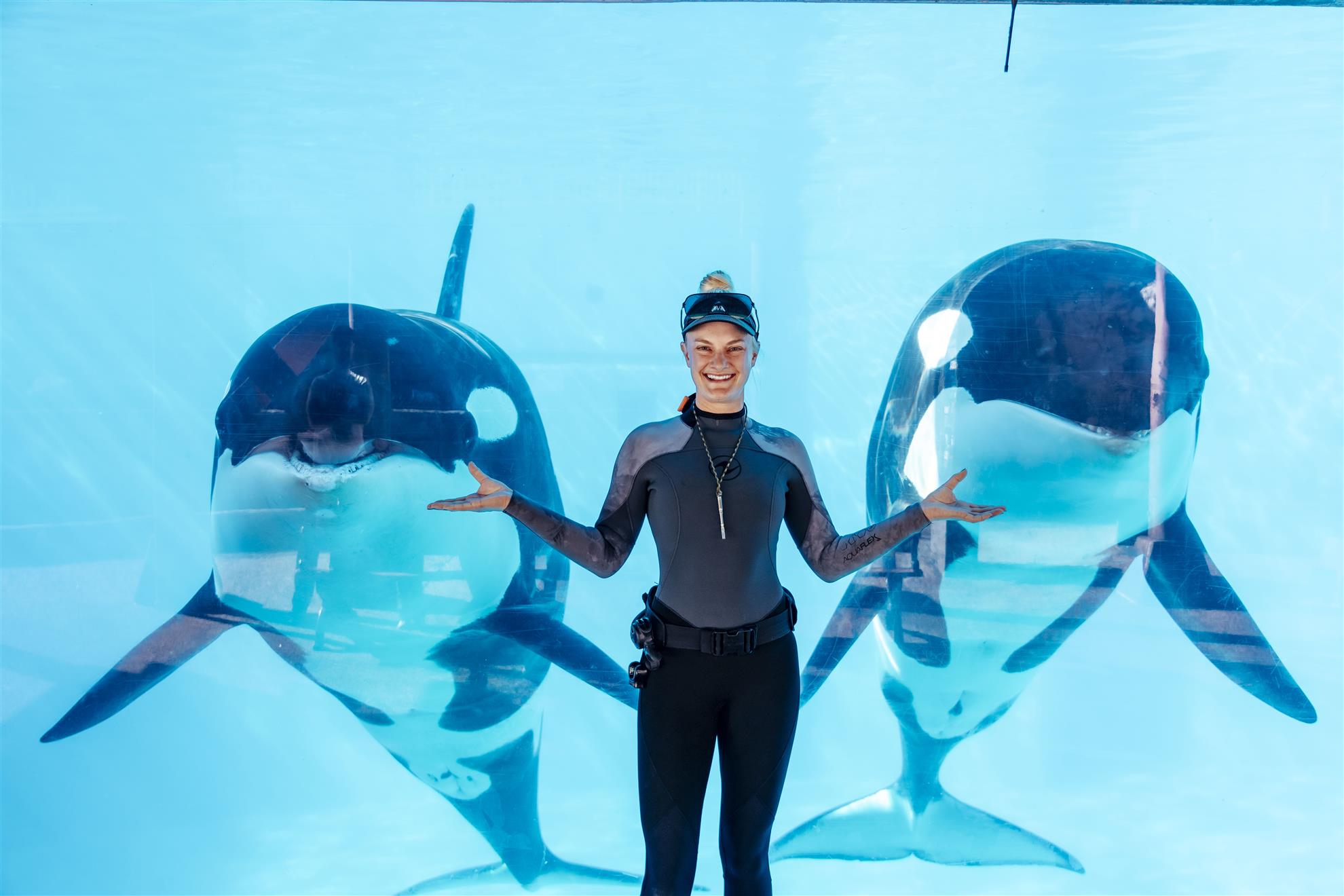
Hunter Wortmann is a marine scientist and former senior killer whale trainer at SeaWorld San Diego. There she trained and cared for killer whales, dolphins and pilot whales, and presented to crowds of more than 5,000 people about marine life and ocean conservation.
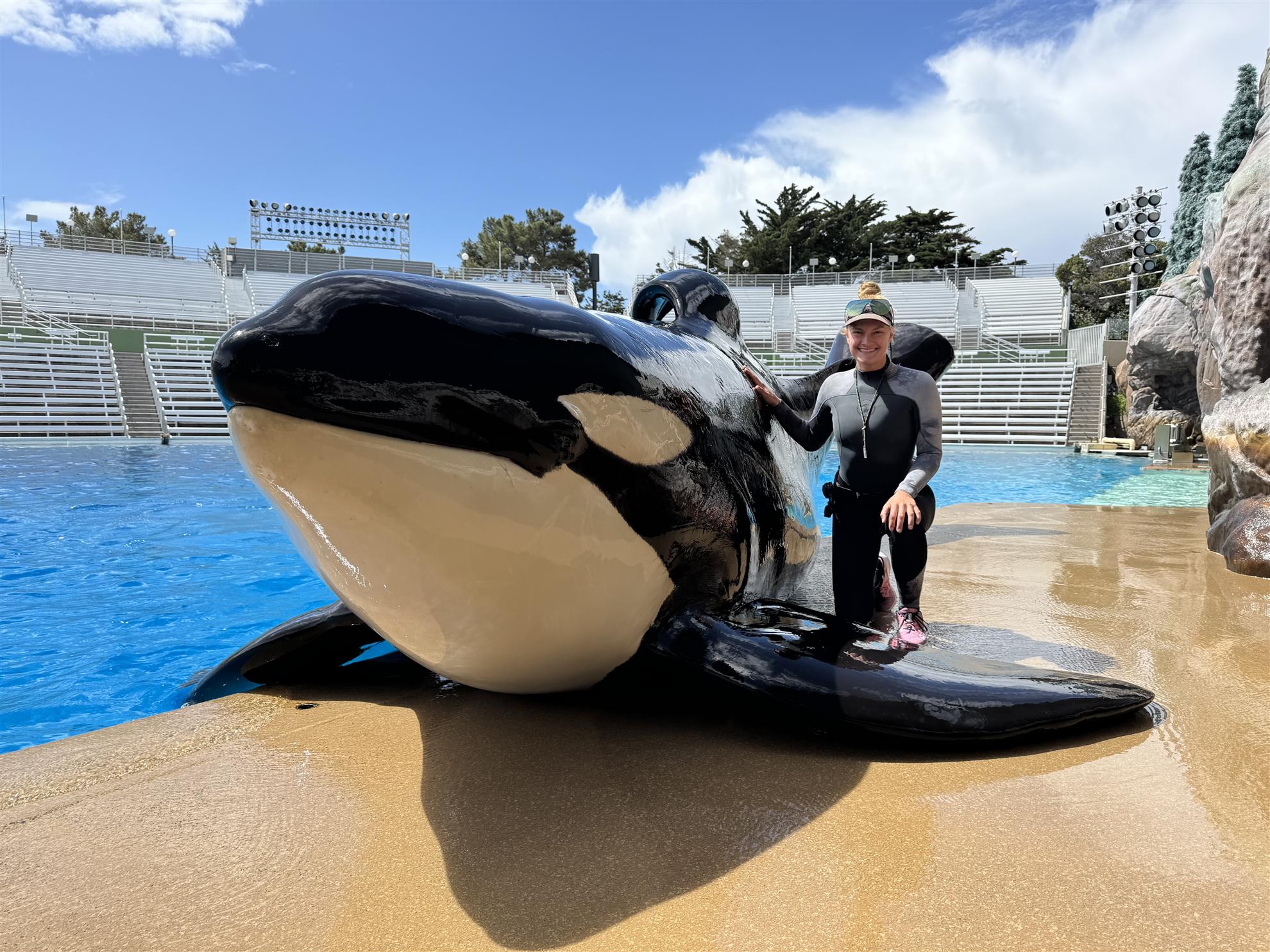
Before SeaWorld, she trained dolphins and sea lions with the U.S. Navy Marine Mammal Program. She holds a B.S. in Marine Science from Cal Poly San Luis Obispo and is a PADI Divemaster.
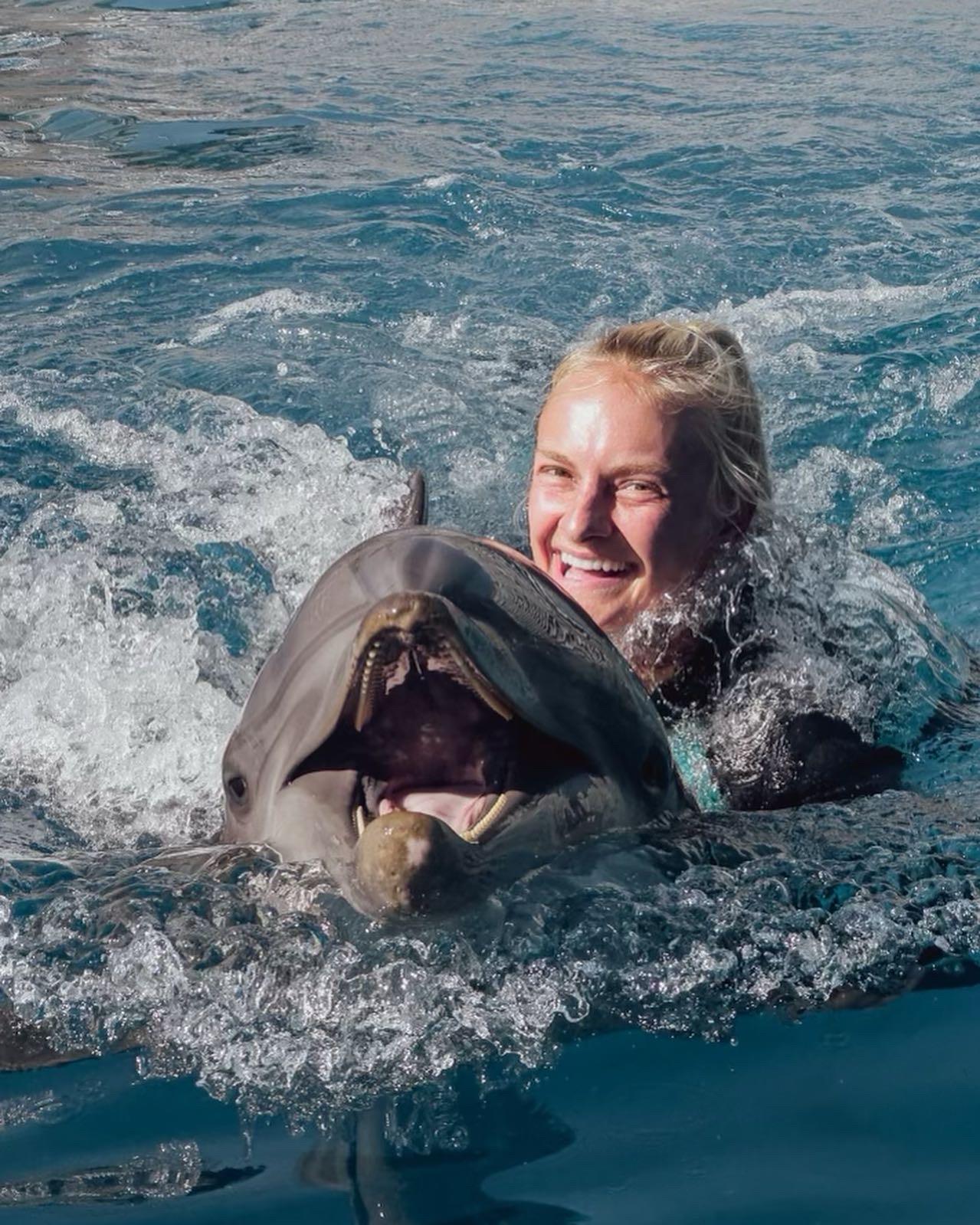
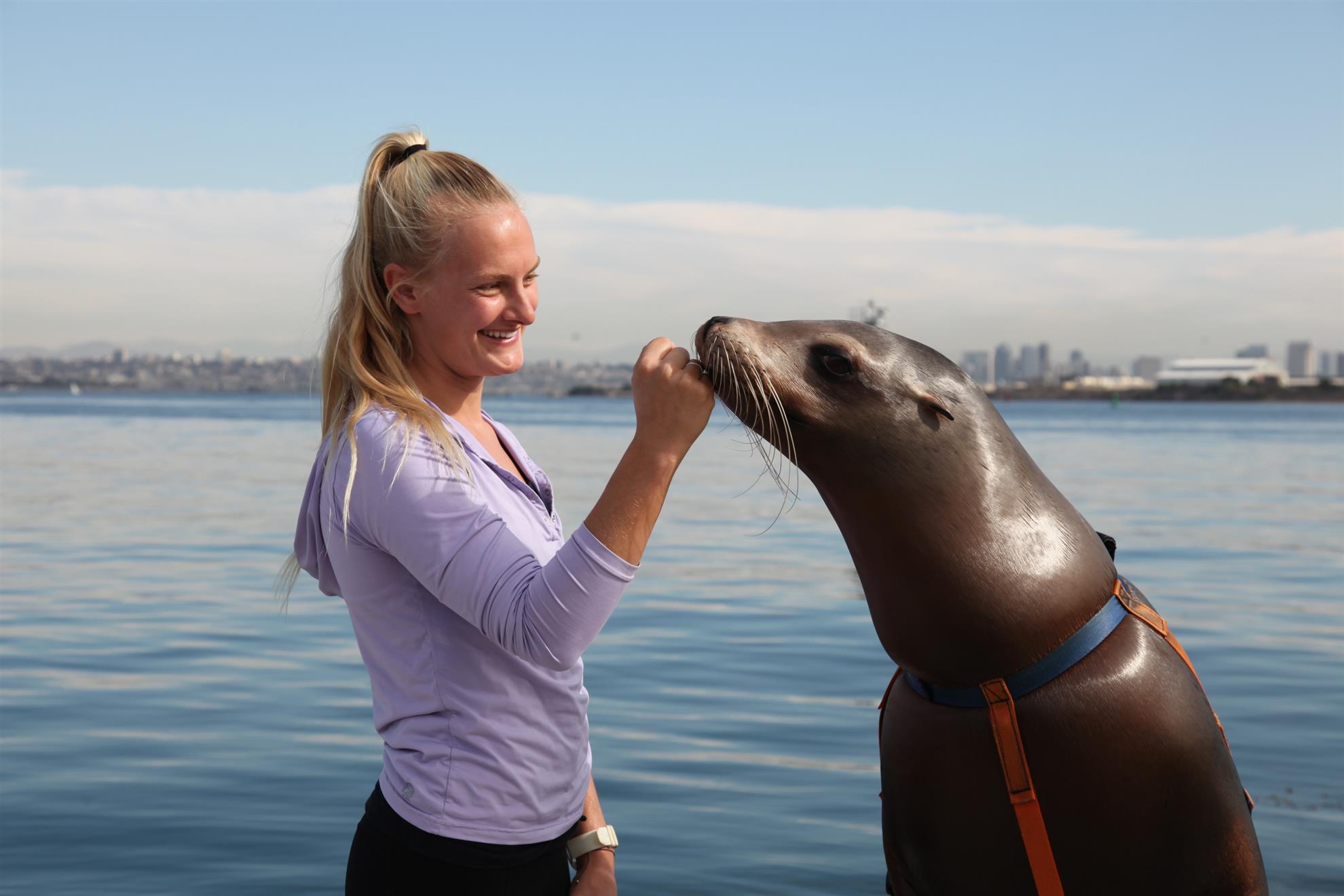
Now based in Sydney, Hunter is completing her MBA at Bond University. Through her coaching business and her platform @sharkhunter0, she inspires people to connect with the ocean and protect the animals that call it home.
Drawing on her years training killer whales and dolphins at SeaWorld San Diego and the U.S. Navy Marine Mammal Program. She'll also explore why understanding them up close matters for protecting them and the oceans upon which they depend.
WOLVES OF THE SEA
Orcas are often called the "wolves of the sea" because they hunt in highly coordinated family pods, using strategy, communication, and culture rather than raw strength alone. Because different orca pods specialize in specific prey, they have developed remarkably distinct, localized hunting traditions passed down from matriarchs to younger generations.
Drowning: Taking down massive baleen whales, like blue whales or minke whales, requires intense teamwork that can last for hours. To kill the whale, the orcas must block its blowhole. Pod members will take turns launching their multi-tonne bodies on top of the whale's head to force it underwater, while others swim underneath to prevent it from diving deep to escape. Once the whale is exhausted and drowned, the pod splits the meal.
Wave-Washing: In places such as Antarctica, if a seal is resting safely on an ice floe, a pod of orcas will swim tightly side-by-side at the surface. They charge the ice, synchronized, creating a powerful hydrodynamic wave that washes over the ice, knocking the seal directly into the water.
Beaching: In places such as Argentina, orcas will deliberately lunge their entire bodies out of the water and onto shallow gravel beaches to snatch sea lion pups.
Tonic Immobility: Orcas are known to target large sharks, including great whites and whale sharks, specifically to eat their nutrient-rich livers. An orca will grab the shark and flip it completely upside down. When inverted, a shark's brain induces a natural, paralyzed coma-like state (tonic immobility), leaving it completely defenseless.
Carousel Feeding: Pods that eat fish, such as the resident orcas in Norway or the Pacific Northwest, rely heavily on vocal communication to herd prey. The pod circles a school of fish (e.g., herring), flashing the white undersides of their bellies and releasing bubbles to scare the fish into a tight, panicking ball near the surface. Once the fish are densely packed, an orca will forcefully slap its powerful tail fluke into the ball. The shockwave stuns or kills dozens of fish at a time, allowing the pod to casually pick them up and share the catch. Interestingly, fish-eating orcas chat constantly using clicks and whistles to coordinate their herds. However, orcas hunting marine mammals (like seals or dolphins) hunt in complete silence. Because mammals have excellent hearing, the orcas use stealth to ambush them, only vocalizing after the kill is made.
Australian orcas do not all feed alike. Researchers describe tropical orcas near Ningaloo Reef in Western Australia hunting humpback calves, while temperate orcas around Bremer Bay have a broader diet that includes fish and squid. The best-documented east-coast feeding story is historical: orcas at Eden cooperated with human whalers hunting baleen whales. Research also recognizes that the Thaua people's relationship with the orcas preceded European commercial whaling.