
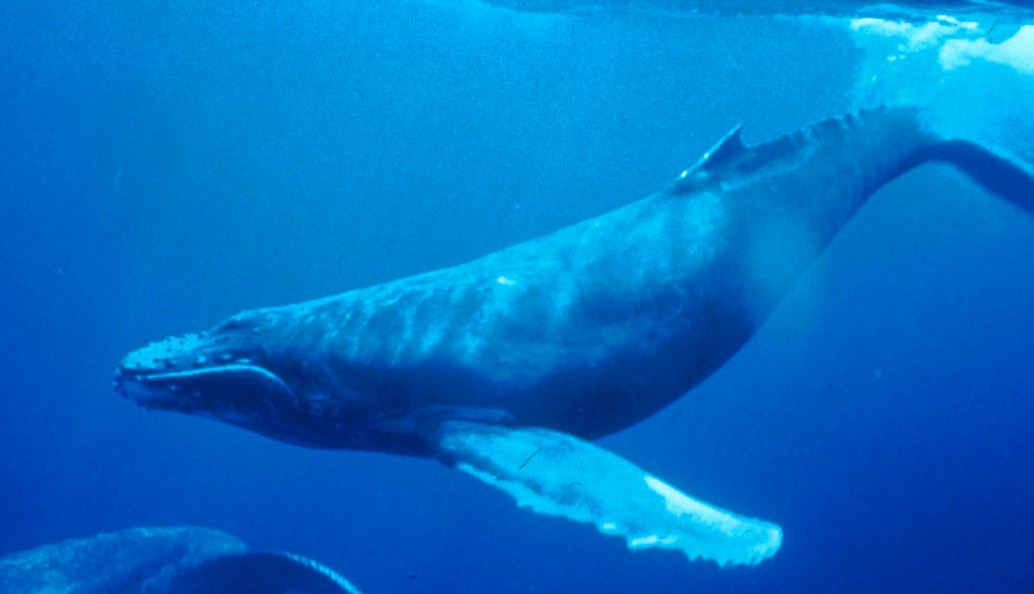
Talking about Humpback Whales
Apr 17, 2025 7:00 pm - 9:00 pm
Found in oceans and seas around the world, humpback whales typically migrate up to 16,000 km each year. They feed in polar waters and migrate to tropical or subtropical waters to breed and give birth. Their diet consists mostly of krill and small fish.
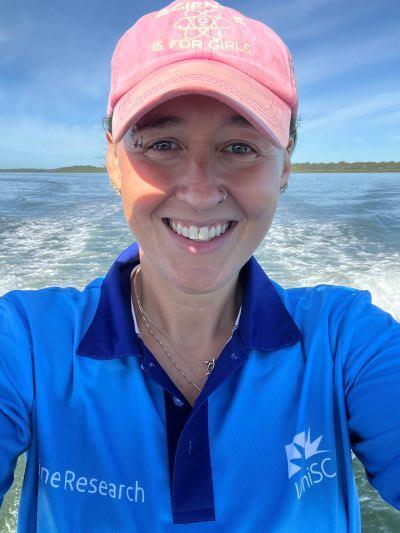 Dr Alexis Levengood is a Research Fellow and Lecturer at the University of the Sunshine Coast, emerging as one of Australia’s leading marine mammal experts.
With over 15 years of experience, she has worked with three whale species, five dolphin species, manatees and dugongs across six countries spanning three continents.
Dr Levengood’s research focuses on the behaviour, ecology, genetics, acoustics, health, and conservation of coastal marine mammals.
Her work along SEQ focuses on studying species that have been overlooked in the region until now, including understanding health, behaviour and spatial and genetic connectivity.
Last November Dr Levengood shared her insight into dolphin behaviour; health and population ecology including genetic connectivity and diversity; ecosystem dynamics including drivers of strandings and bycatch.
The April eco-forum audience will receive an update on her dolphin-related projects. According to Alexis, "Our dolphins are the most understudied in SEQ. Our research is critical to understanding the complex lives and conservation needs of not only our dolphins but our marine ecosystems in general"
Talking about Humpback Whales is the third eco-forum in the 2025 "Talking about" series, a collaboration between Rotary-ESRAG, REF Environmental and researchers from the University of the Sunshine Coast (UniSC).