
Clinical Research in Polio and its Implications for Polio Eradication

Peter Wright, MD was our speaker today. See his bio at the end of the summary of his talk.
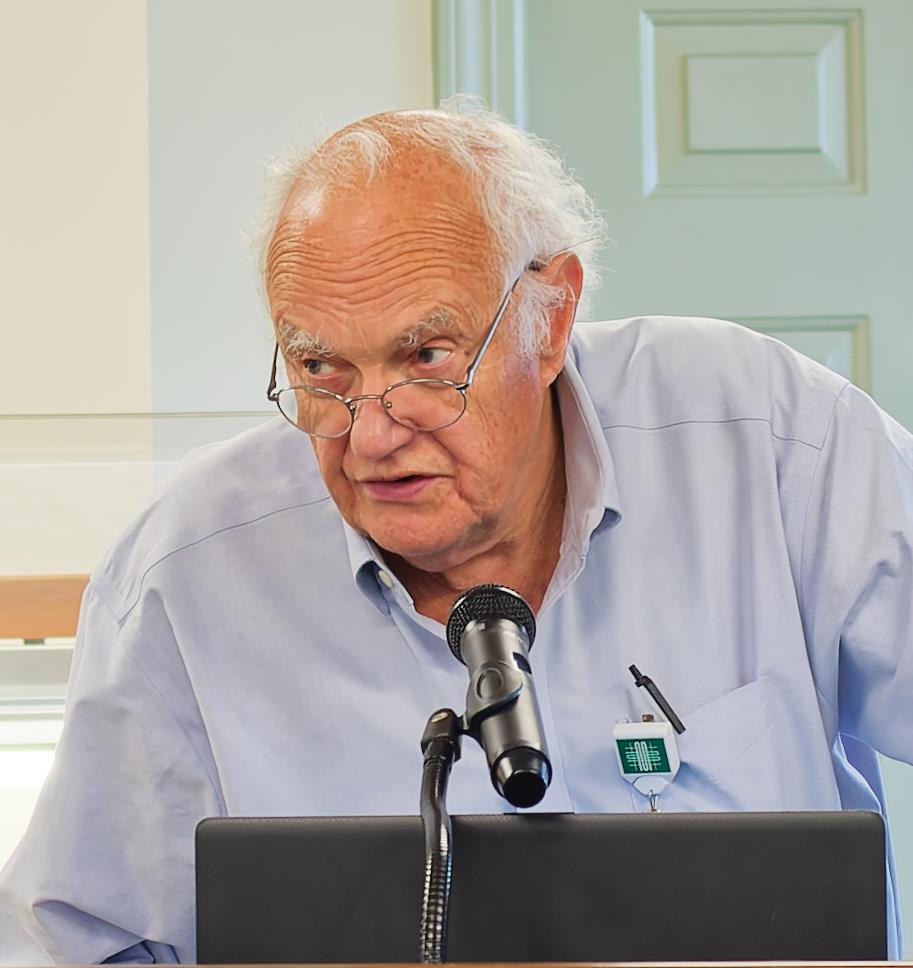
Peter Wright, MD
Dr. Wright's goal was to provide a review of the types of polio vaccines:
Salk – Inactivated Poliovirus Vaccine (IPV)
Oral Polio Vaccine (OPV)
Novel Oral Polio Vaccine (nOPV)
Dr. Wright reminded us that we start with two polio vaccines. Both vaccines can be effective but present issues.
Inactivated Poliovirus Vaccine (IPV) – made from a killed (inactivated) version of the poliovirus, and IPV is given as an injection, this can limit its availability. Uses a killed virus given via a shot. It cannot cause paralysis, and it is the only type used in the U.S., however, it does not stop the virus from living and spreading in the gut as easily as oral drops do.
Oral Polio Vaccine (OPV) – Uses a live, weakened polio virus. It is great because children swallow it (usually as drops), which builds strong gut immunity and stops the virus from spreading to others. However, in rare cases where a community has very low vaccination rates, the weakened virus can keep spreading and slowly mutate (change) back into a dangerous form that can cause paralysis (called a vaccine-derived polio outbreak).
Both vaccines require a child to receive two vaccination doses.
With entwining use of IPV and OPV as we have been working hard to eradicate polio with varying degrees of success. The goal continues to be to fully eradicate this disease from the world.
Brian Davis was our speaker today. He graciously shared his notes from his talk with me. In blue/bold font are some additional thoughts he shared during the meeting.
Classification Talk: Brian Davis
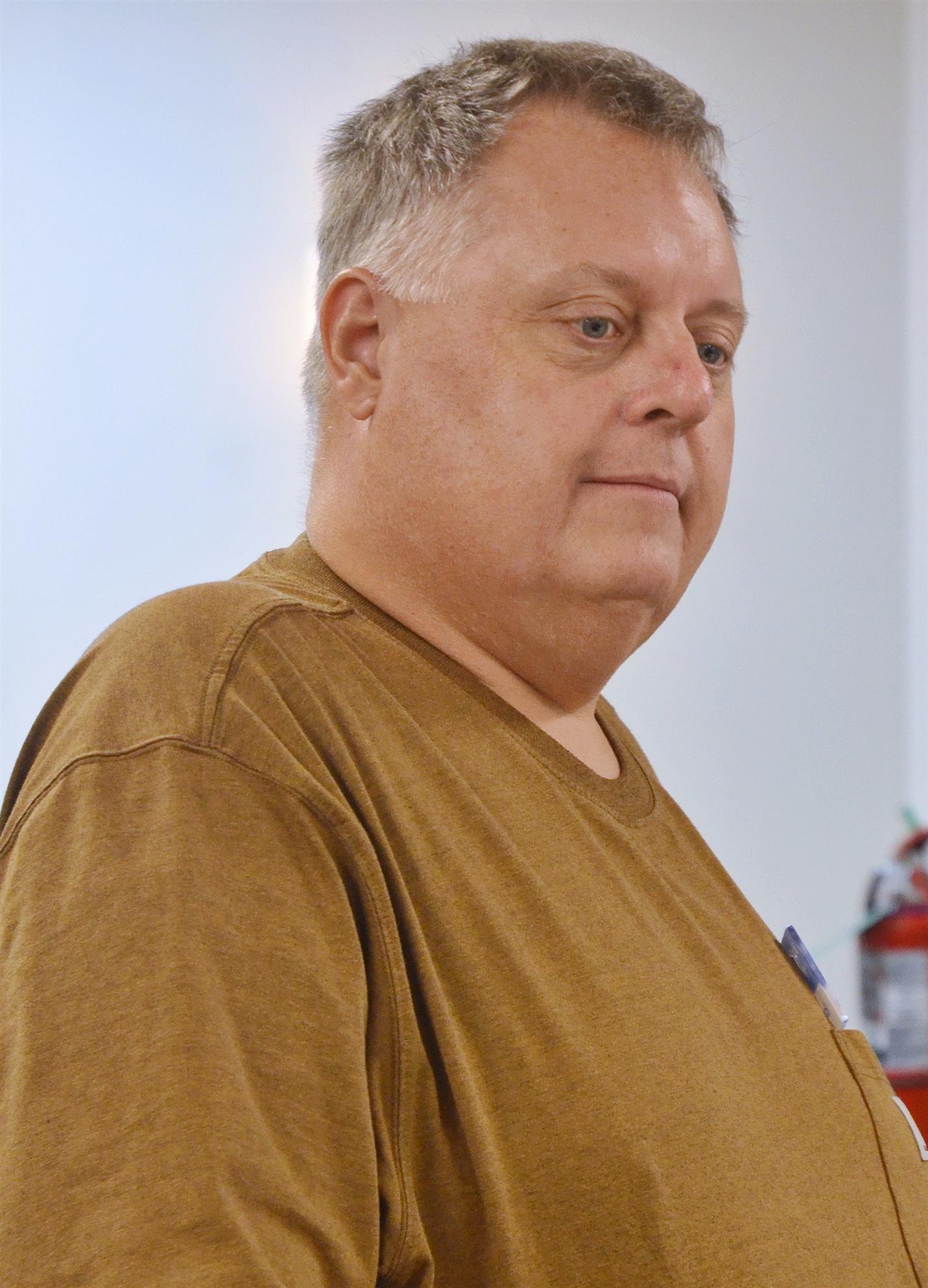
Opening
Hello, everyone. For those who don't know me yet, I'm Brian Davis. I own a company called Saguaro Technologies, and if you've ever wondered why a tech company in Lebanon, New Hampshire is named after a Cactus. You may find out
I live in Lebanon, NH on Poverty Lane. Coming from the San Francisco Bay Area in 2004 [He was lurded her by a Tuck Grad who has a IT business on Lafayetter Drive], this felt almost too rural for my wife at first Their first visit to Lebanon was in February arriving after dark on a cold, wintery night…He shared she cried. They moved in on July 4th 20 years ago. It was a very hot/humid day to begin with, and his sons added to the heat by turning the thermostat up to 100 degrees. He shared that house hunting in the Upper Valley was complicated because he needed high speed broadband access. They settled on a home on Poverty Lane. He described that Upper Valley as a great place to raise his sons.
Janet Davis is my wife and she has lived full-time in Medford, Oregon, for the last three years with our dog Bandit and a cat named Zoe. She just started school to get her Nurse Practitioners degree. I commute back and forth. He described Janet as a city girl. At Halloween, when they lived on the west coast, their neighborhood had 200-300 kids trick-or-treating. When a job, that paid VERY well opened in Oregon she moved west. The good news for Brian is that he can work anywhere as long as there is high-speed internet access.
I have two sons, Conner and Gareth. Conner lives at home with his cat Jynx; Gareth lives in Rochester, MN, and is married to Abigail, and has two ferrets, Tootie and Rocket.
My father lives in Ashland, OR and my mother lives in Northern California.
His father is a Model T enthusiast. From Ford Racing:
Joe Davis, a now retired mechanical engineer and automotive restoration shop owner from Southern California (now transplanted to Southern Oregon) seemed destined to be a Ford guy from his earliest days behind the wheel of an automobile, as his first car was a decidedly forlorn $100 Model A. He and a friend later ended up with an abandoned Model T track racer, which they restored and converted to street use.
It was many years and cars later that Davis decided he wanted to build a new, street-legal car based on the shape, hardware and spirit of those great Speedsters of back in the day. He recalls being particularly inspired by the above-noted Alfred Moss’s Model T-based Indy racer from 1924, and cars just like it. Read More
My brother Kevin lives with his wife Tina in Paso Robles, CA.
I grew up in Atherton, California, down on the Peninsula between San Francisco and San Jose. I was raised by a single mother who was extremely creative. Between her creativity and not having a TV, I grew up in a house where you made your own fun and figured things out for yourself. [He shared that he would never win a trivia game about TV shows in the 70s .80s.and 90s] My father lived on a sailboat for some time after the divorce and I've been lucky enough to sail San Francisco Bay, the California Delta, up and down the California coast, around the Channel Islands, and down to the tip of Baja. He told us about San Francisco’s Angel Island was a port nicknamed the “Ellis Island of the West,” and its history is as fascinating as the history of its eastern counterpart. About 1 million immigrants came through Angel Island between 1910 and 1940, with newcomers arriving from China, Japan, Russia, Australia, and Mexico, just to name a few.
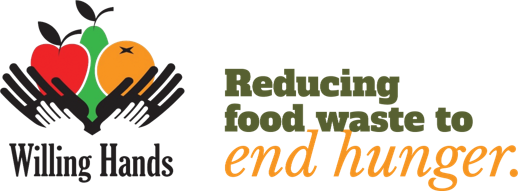
Our speaker this week was Gabe Zoerheide, Executive Director. He was born in the Upper Valley. He lives on a Dairy farm in Vermont. He has worked as Director for Programs at Vital Communities. He spent a couple of years as the executive director for Cohase Chamber of Commerce before accepting his position at Willing Hands.
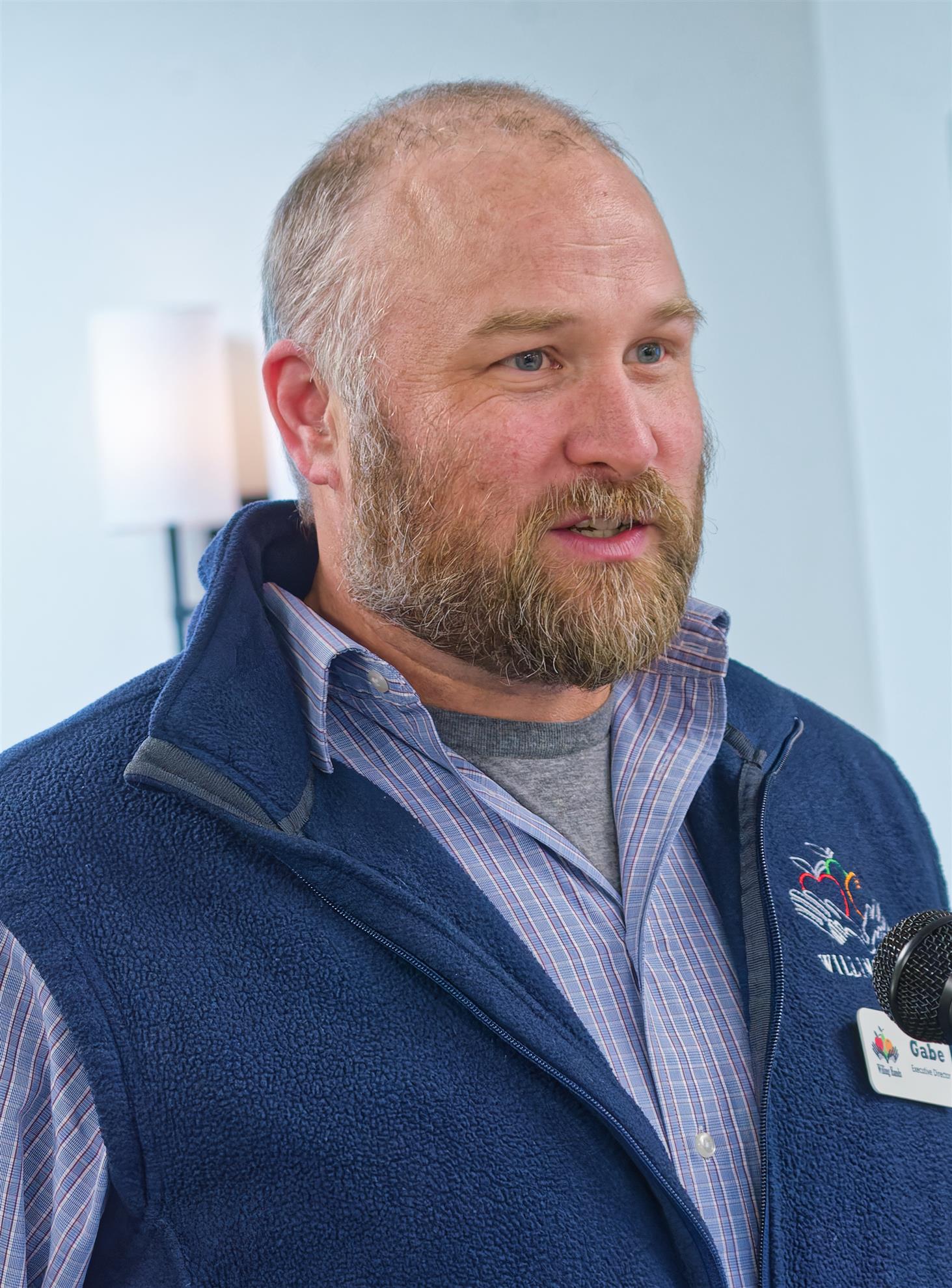
He provided a broad overview of Willing Hands. Willing Hands has a 20+ year history of serving the Upper Valley. The organization is focused on elevating food insecurity. The goal is to get fresh perishable foods for those in need.
He acknowledged Phil Bush who for a time was their bookkeeper, and Bill Chabot who is a volunteer.
Some of the following information is from Gabe’s talk and some is from the Willing Hands website: https://willinghands.org/
Food insecurity continues to rise in the Upper Valley. It is now higher than during the pandemic. Listen reports a 25% increase in those accessing their food pantries. Inflation and SNAP cuts have impacted many. Most desired items are fresh produce, dairy, eggs, and protein. Many of our neighbors are visiting food shelves for the first time. Food shelves are struggling to keep up with demand
Mission
Willing Hands recovers fresh food to reduce food waste and expand equitable and reliable access to fresh food.
Their Values
Volunteerism: Volunteering is foundational to advancing our mission and creates connectedness in our community.
Environmental Stewardship: Reducing food waste is our organization’s most impactful opportunity to mitigate the climate crisis. they seek to reduce our carbon footprint and protect the environment throughout their operations.
Advancing Equity: All people should have access to nourishing, fresh food. We are committed to more deeply understanding and responding to the diverse needs, preferences, and circumstances of those in our community. They are committed to ensuring all those who engage with the organization feel included, respected, and able to thrive.
Strengthening Our Community: Strong, mutually beneficial partnerships are key to community resilience. They appreciate, support, and collaborate with local farms, donors, recipient organizations, and community partners to contribute to our community’s collective well-being.
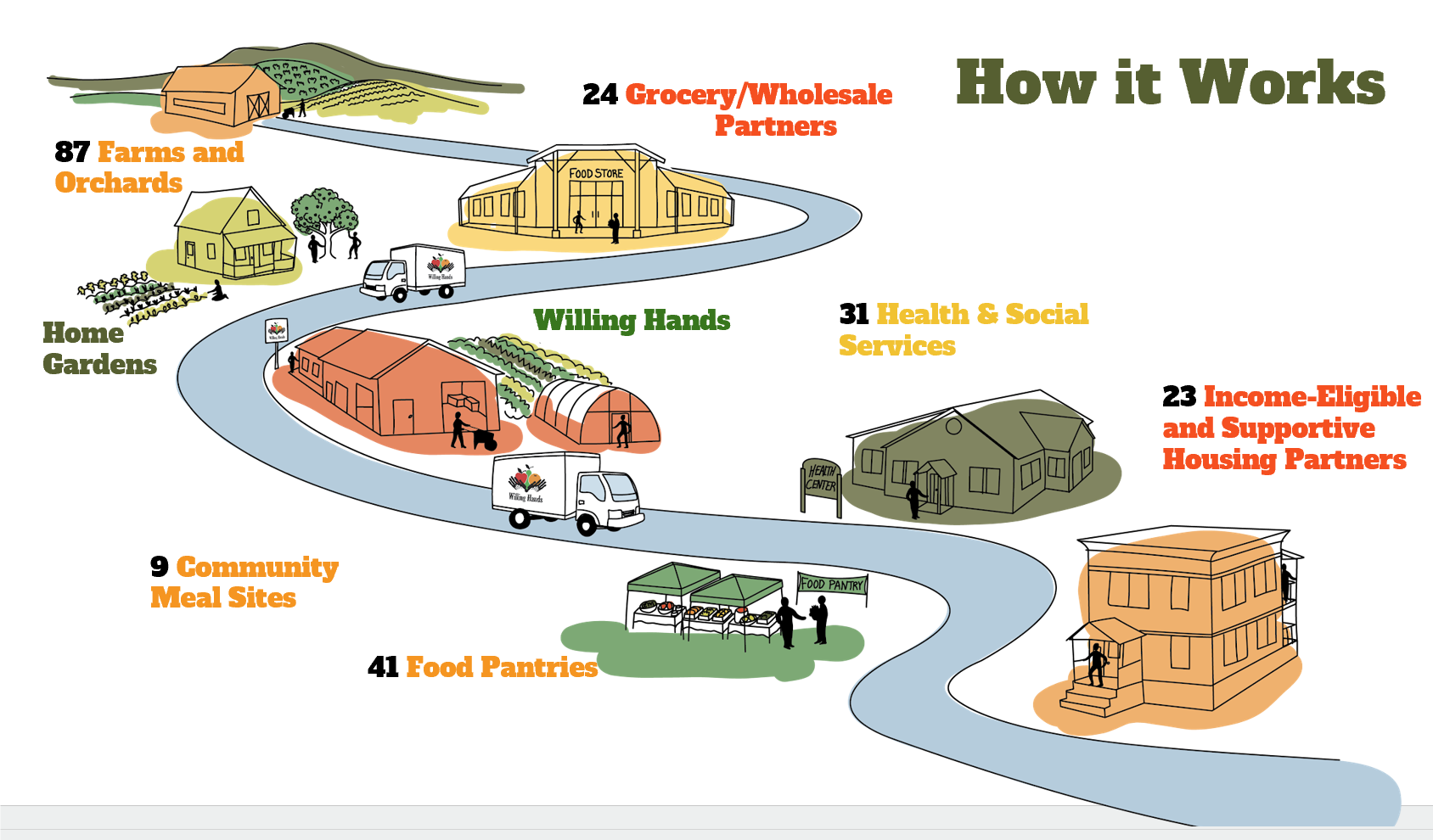
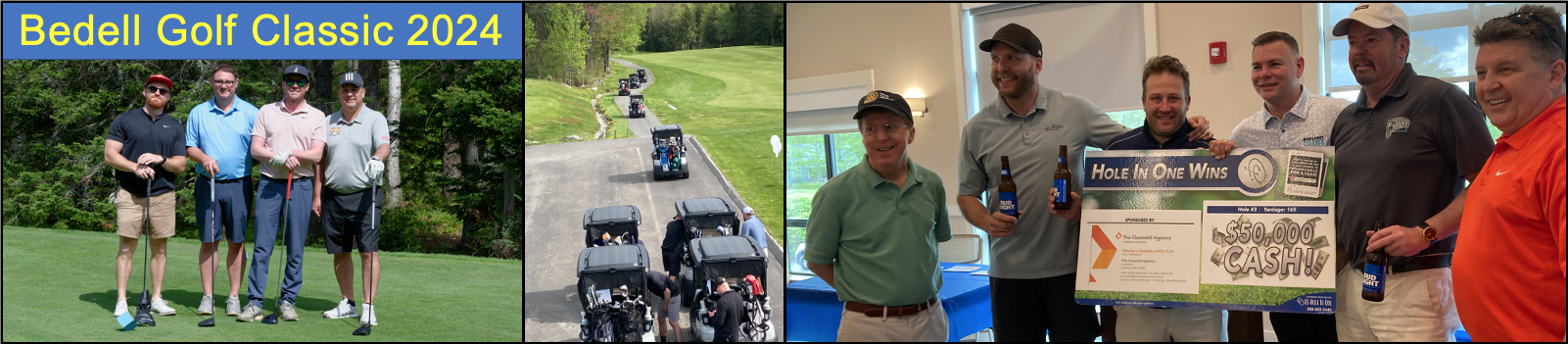
What fun! Accepting our “Big Check” from Revo Casino and Social House]
Lebnaon, NH