

Dying is inevitable so let's do it well
Posted by Robert Chambers
on May 22, 2012
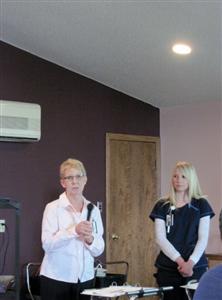
On May 22nd members listened to Darlene Holtz and Brittany Jaehning from Sanford Health speak on issues regarding Advanced Planning. Most individuals are aware of the need for wills and planning with funeral directors has become more common but many are unaware of other legal pitfalls of dying. From "Power of Attorney for Health Care Matters" to the more recent Health Care Directive legislative assemblies have slowly improved the legal safeguards for individuals so that people around you, medical professionals, family and others, make the decisions that you wish in the event that you are unable. Death is commonly a slow event rather than a single tragic episode and frequently along that continuum a person becomes unable to make decisions for themselves. Modern medical technology has made that more common with the ability to keep a person alive in a vegetative state. It was just such an instance, the Karen Quinlan case in New Jersey, that ignited the "right to die" debate in the country.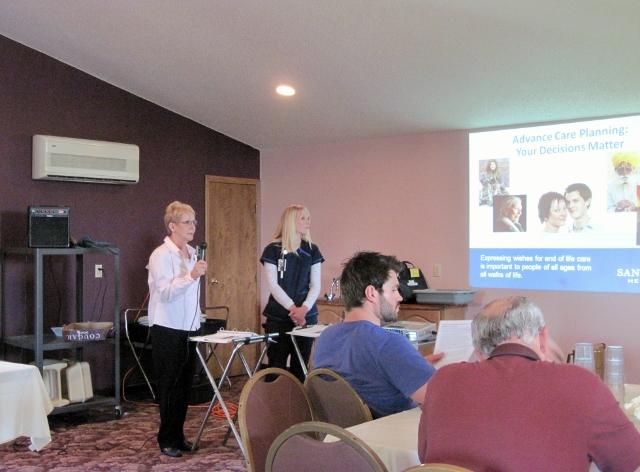
How you wish to be treated in such a situation is your choice as long as a Health Care Directive is completed. There are some differences between North Dakota and Minnesota law that you will be made aware of but you do not need a lawyer. Personnel at the medical clinics or the hospital can assist you with this. In North Dakota your "Health Care Agent" (the person who will speak for you when you are unable) needs to sign that they agreed to be your agent. Choice of an agent is key. It does not have to be, and frequently you may not want it to be, a family member. While you may have more than one agent what you do not want is to set up a battle between agents as to what decision to make. Ideally this is a person who you know well, has no vested (including often emotional) interest and with whom you have spoken on these issues and your personal philosophy. You need to consider things such as your religious beliefs, life beliefs, and how you would wish to be treated in situations of machines keeping you alive. The issue is you, not the agent's belief but you do not want them to be in the position of making decisions contrary to their own beliefs. Once the documents are completed copies need to be available at home (easily accessible), your physician's office, the hospital and with you when you travel. Most states have reciprocity agreements by which they will honor an health care directive from another state. It is not easy and there are pitfalls so the best advice is to seek out a person at your physician's office or the hospital who can familiarize you with the process.