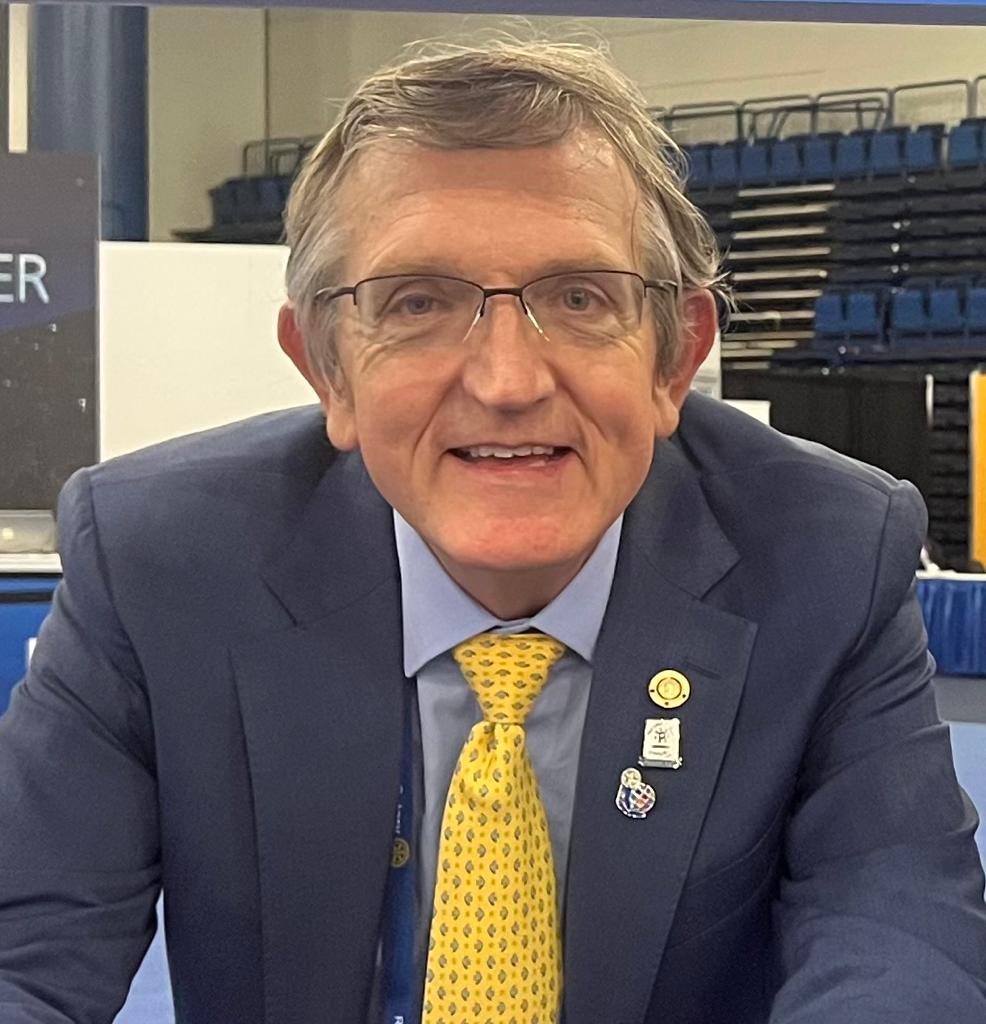
As you all know we are going to have our club installation this week, President Simon will be handing over the reins to his successor PE Richard Albuquerque at our next lunch meeting on June 14th. Reflecting back at the past year, the first 6 months were nothing short of a rollercoaster ride with covid restrictions at the peak for some time and the never ending rule changes, nevertheless President Simon and his board have been unstoppable. We did every meeting in person, continued with all community services and events, and arranged one of the biggest Annual Ball in our club history. Please join us this Wednesday in celebrating the great year we have had under President Simon and welcoming our new President who is full of energy and enthusiasm and has plans to take Rotary KGM to greater heights in the coming Rotary year. We are expecting close to 100 people, if you have not yet RSVP'd kindly do so by today as we must provide the exact number to the Hotel by this afternoon. Please note this event is Complimentary for all Members. Members' spouse and guests will be charged the regular Chinese Lunch fee of HK$390/-.
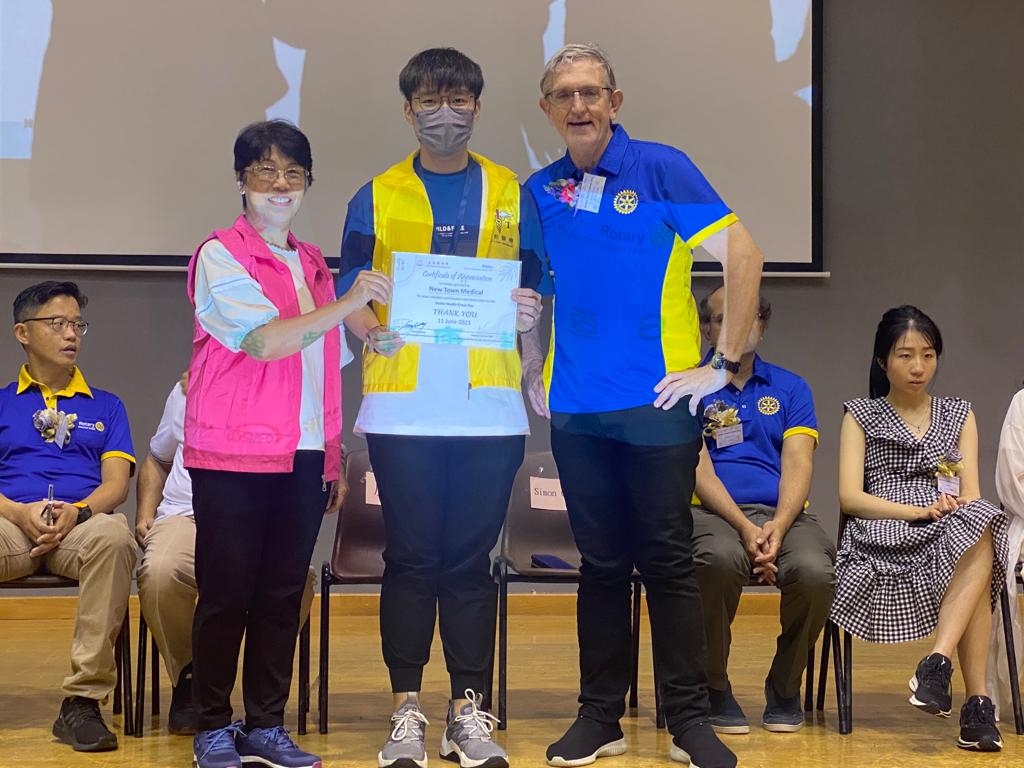
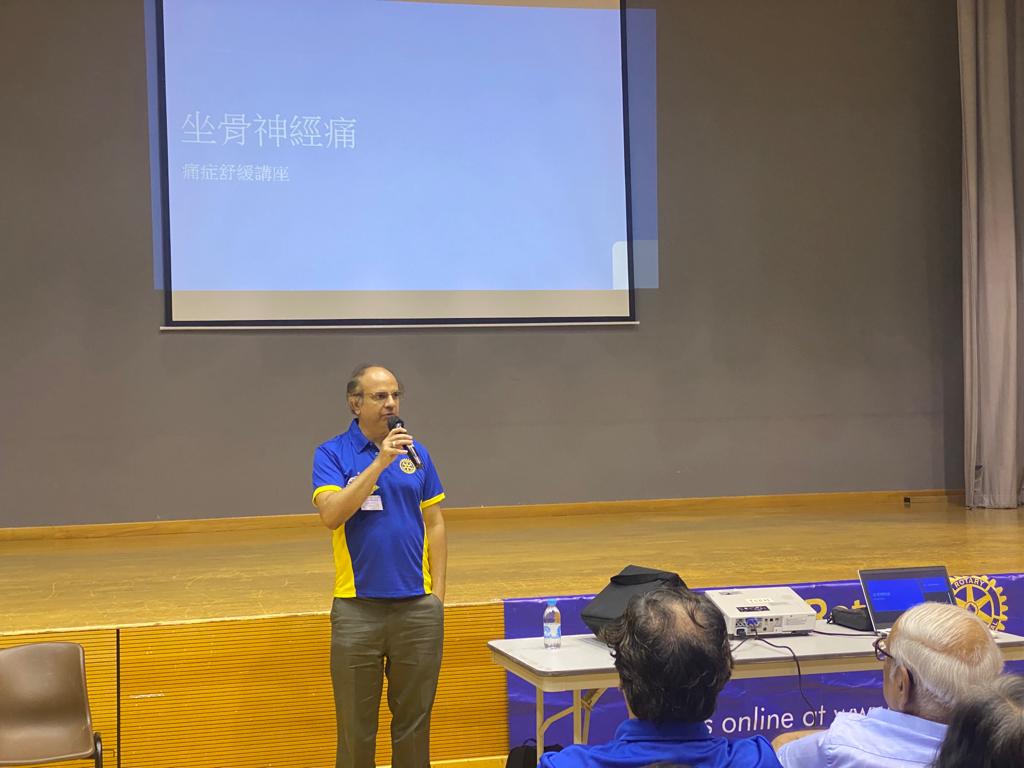
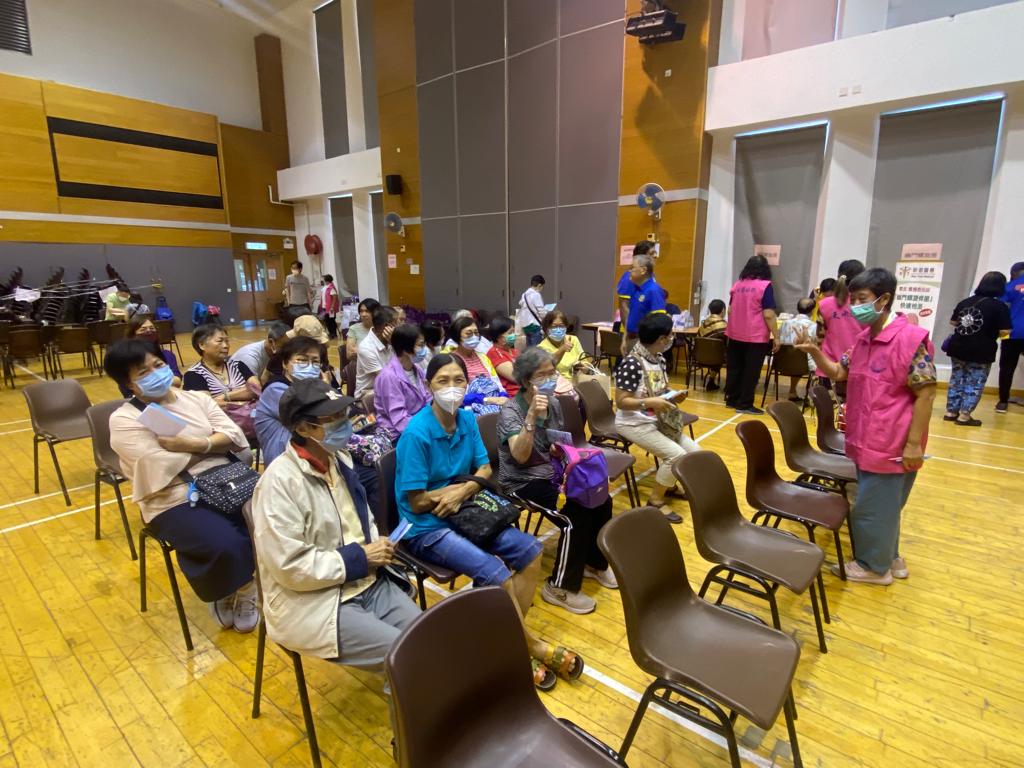
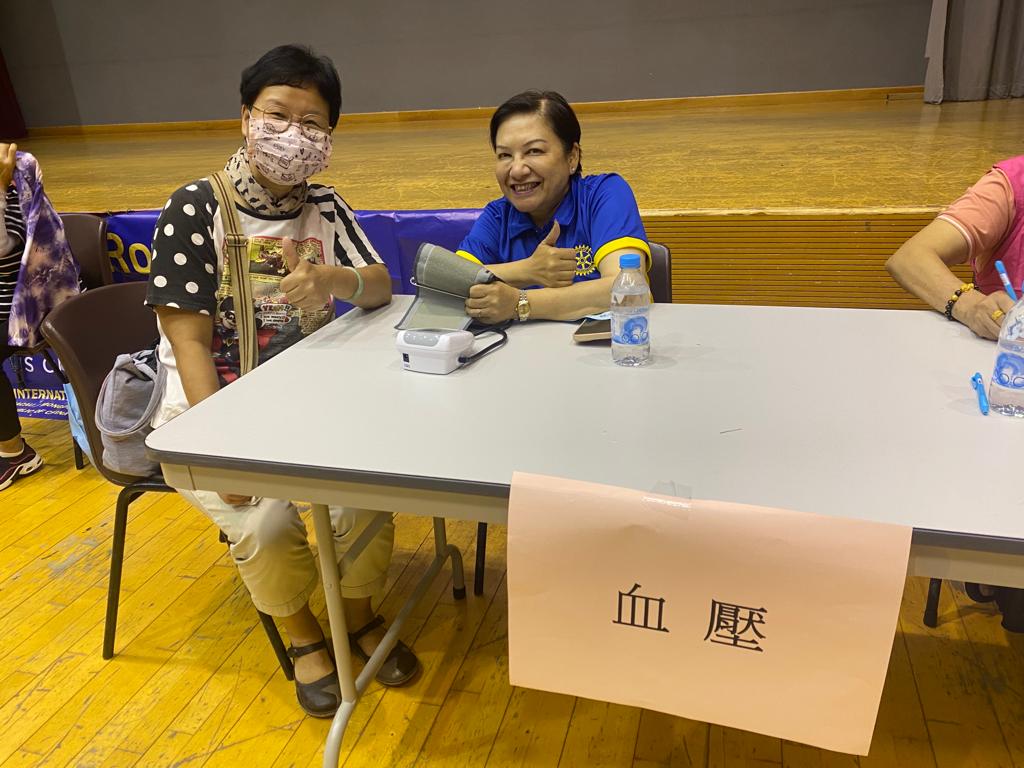
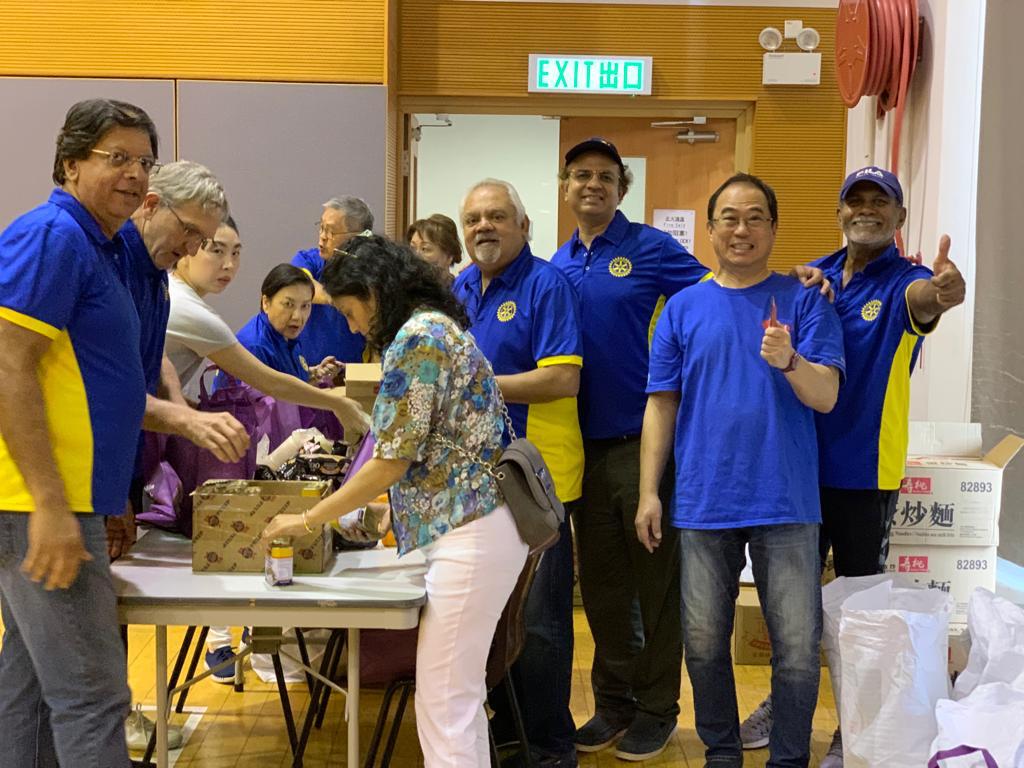
On Sunday June 11th, PP Silva and fellow member volunteers from KGM and other clubs held KGM's signature event, Free Elderly Health Check. About 350 citizens were given a general check up, followed by professional assessment by Doctors and a bag of healthy snacks and gifts to take home.
Details for next event:
Event: Club Installation & Handover Lunch Meeting
Date: June 14th, 2023 (Wednesday)
Time: 12.15 to 14.15 Location: The Crystal Ballroom, Holiday Inn Golden Mile, 50 Nathan Road TST Dress Code: Dark Blue suit with ties/scarves & Rotary pins for 2023-24
For updates on events, please scroll down to the bottom of the bulletin or visit our website here.
Rotary Knowledge Section:
The Rotary Foundation is the best steward for your money. Here’s why:
In 2016, The Rotary Foundation received the highest possible score from Charity Navigator – 100 of 100 points – for its strong financial health and commitment to accountability and transparency.
There’s a reason Rotarians donate to The Rotary Foundation: It’s a simple way to achieve your philanthropic goals – whether it’s supporting clean water, the eradication of polio, or a particular global grant.
In 2015-16, 91 percent of the money the Foundation spent went to programs and grants, with only 9 percent of expenses going toward administration. How does the Foundation make sure that the bulk of your donation supports the sustainable programs you want it to?
When the Foundation awards a grant to fund a project, how does it ensure that your money will have lasting impact? Six elements of sustainability must be addressed in the design of a global grant project: start with the community, encourage local ownership, provide training, buy local, find local funding, and measure your success. These ensure that the project provides long-term solutions that the community itself can support after the grant ends.
The Rotary Foundation has a network of Rotarian volunteers available to provide expertise and advice, called the Cadre of Technical Advisers. With a database of 700 experts in Rotary’s six areas of focus as well as other specialties – mediators, diplomats, obstetricians, engineers, bankers, and agronomists, for example – there is sure to be someone who can help if an obstacle comes up.
*NEW* Knowledge & Fun Facts on Money / Finance / Investment / Stock Market:
Who Invented the Stock Market?
The first modern stock trading was created in Amsterdam when the Dutch East India Company was the first publicly traded company. To raise capital, the company decided to sell stock and pay dividends of the shares to investors. Then in 1611, the Amsterdam stock exchange was created. For many years, the only trading activity on the exchange was trading shares of the Dutch East India Company.
At this point, other countries began creating similar companies, and buying shares of stock was all the rage for investors. The excitement blinded most investors and they bought into any company that began available without investigating the organization. This resulted in financial instability, and eventually in 1720, investors became fearful and tried to sell all their shares in a hurry. No one was buying however, so the market crashed.
Another financial scandal followed in England shortly after— the South Sea Bubble. But even though the idea of a market crash concerned investors, they became accustomed to the idea of trading stocks.
When Did the U.S. Stock Market Start?
Although the first stock market began in Amsterdam in 1611, America didn’t get into the stock market game until the late 1700s. It was then that a small group of merchants made the Buttonwood Tree Agreement. This group of men met daily to buy and sell stocks and bonds, which became the origin of what we know today as the New York Stock Exchange (NYSE).
Although the Buttonwood traders are considered the inventors of the largest stock exchange in America, the Philadelphia Stock Exchange was America’s first stock exchange. Founded in 1790, the Philadelphia Stock Exchange had a profound impact on the city’s place in the global economy, including helping spur the development of the U.S.’s financial sectors and its expansion west.
1903: The Ford Motor Company was founded by Henry Ford and 11 associate investors.
1911: International Business Machines Corporation (IBM), a leading American computer manufacturer, was incorporated.
1963: Soviet cosmonaut Valentina V. Tereshkova became the first woman to travel in space, having been launched into orbit aboard the spacecraft Vostok 6, which completed 48 orbits in 71 hours.
1983: The first American woman to fly into outer space, Sally Ride, was launched with four other astronauts aboard the space shuttle Challenger.
2012: Liu Yang became the first Chinese woman in space when she and two other crew members were launched aboard the spacecraft Shenzhou 9.
1. “There are three gates to self-destruction and hell: Lust, Anger & Greed.” 2. “A man is made by his beliefs. As he believes. So he becomes.” 3. “The Key to happiness is the reduction of desires.” 4. “Do everything you have to do, but not with ego, not with lust, not with envy but with love, compassion, humility, and devotion.” 5.”For one who has conquered his mind, a mind is best of friends, but for one who has failed to do so, a mind is the greatest enemy. 6. “Happiness is a state of mind, that has nothing to do with the external world.” 7. “Why do you worry unnecessarily? Whom do you fear? Who can kill you? The soul is neither born nor dies. 8.”Whatever happened was good. What’s happening is going well. Whatever will happen will also be good. Do not worry about the future. Live in the present.” 9. “Set your heart upon your work but never its reward.” 10. “Among all kinds of killers, time is the ultimate because time kills everything.” 11. “Calmness, gentleness, silence, self-restraint and purity: these are the disciplines of the mind.” 12. “Perform your obligatory duty, because action is indeed better than inaction.”
Food for Thought:
The ABCs of Vitamins: 13 Essential Vitamins and Why You Need Them
Vitamins and minerals are essential substances that our bodies need to develop and function normally. There are 13 essential vitamins and each one plays a unique and vital role in keeping your body healthy. Vitamins aid in the growth, development, and function of all the cells. Your body cannot produce enough vitamins on its own, so we need to get them from outside sources. While many people take a daily multivitamin, most can get all 13 essential vitamins from foods and enriched foods. Multivitamins cannot take the place of eating a variety of foods that are important to a healthy diet.
Below are details of each of the essential vitamins:
10. Biotin
Biotin helps your body turn carbohydrates, fats, and proteins into energy. It also synthesizes glucose and is essential for healthy bones and hair.
How much do you need?
Adults typically need 30 mcg.
What should you eat?
Many foods contain at least some biotin, like whole grains, fish, egg yolks, seeds, nuts and certain vegetables like spinach, broccoli, and sweet potatoes.

 https://www.facebook.com/rotary.goldenmile
 https://www.instagram.com/rotarykgm/