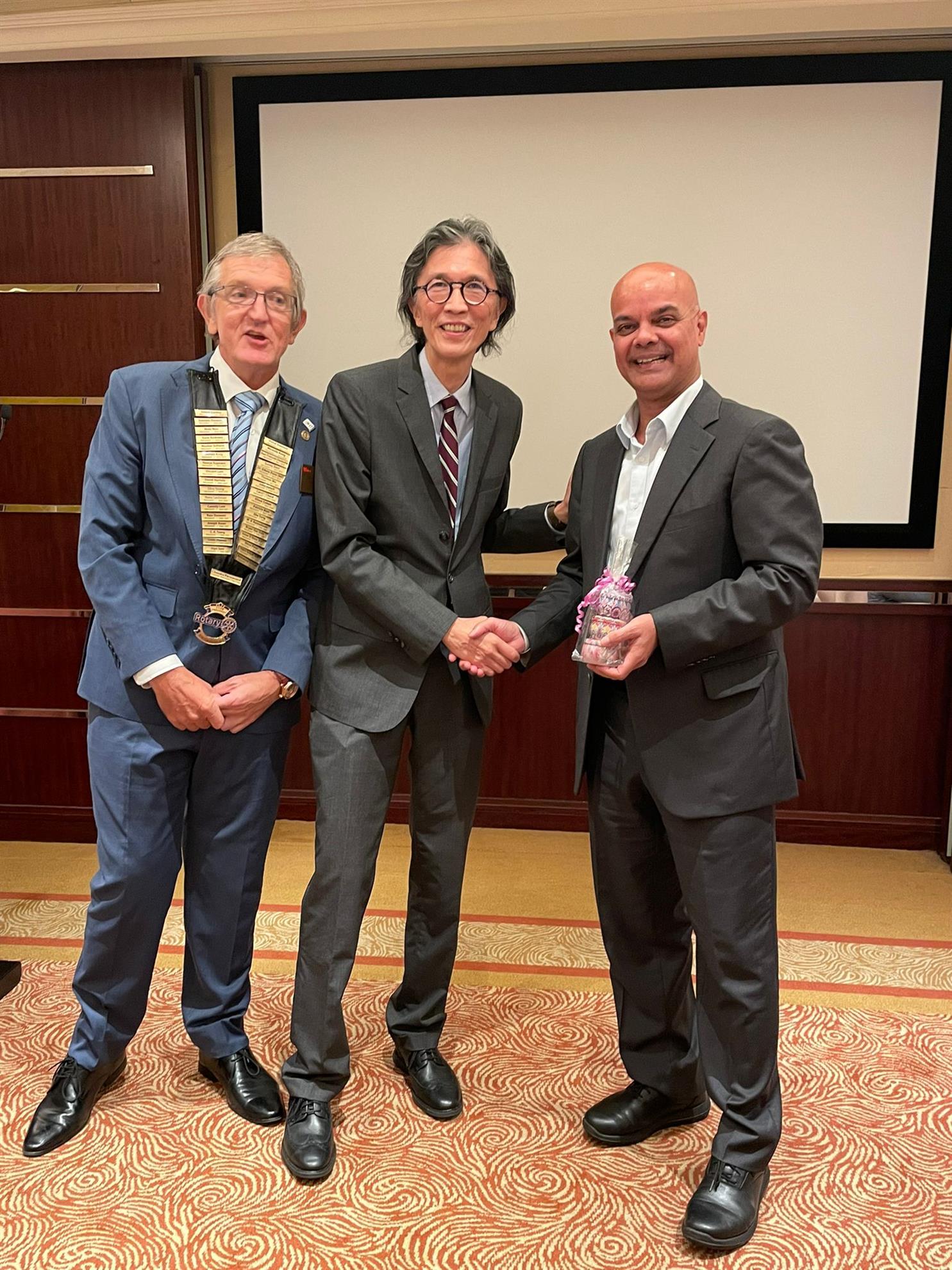
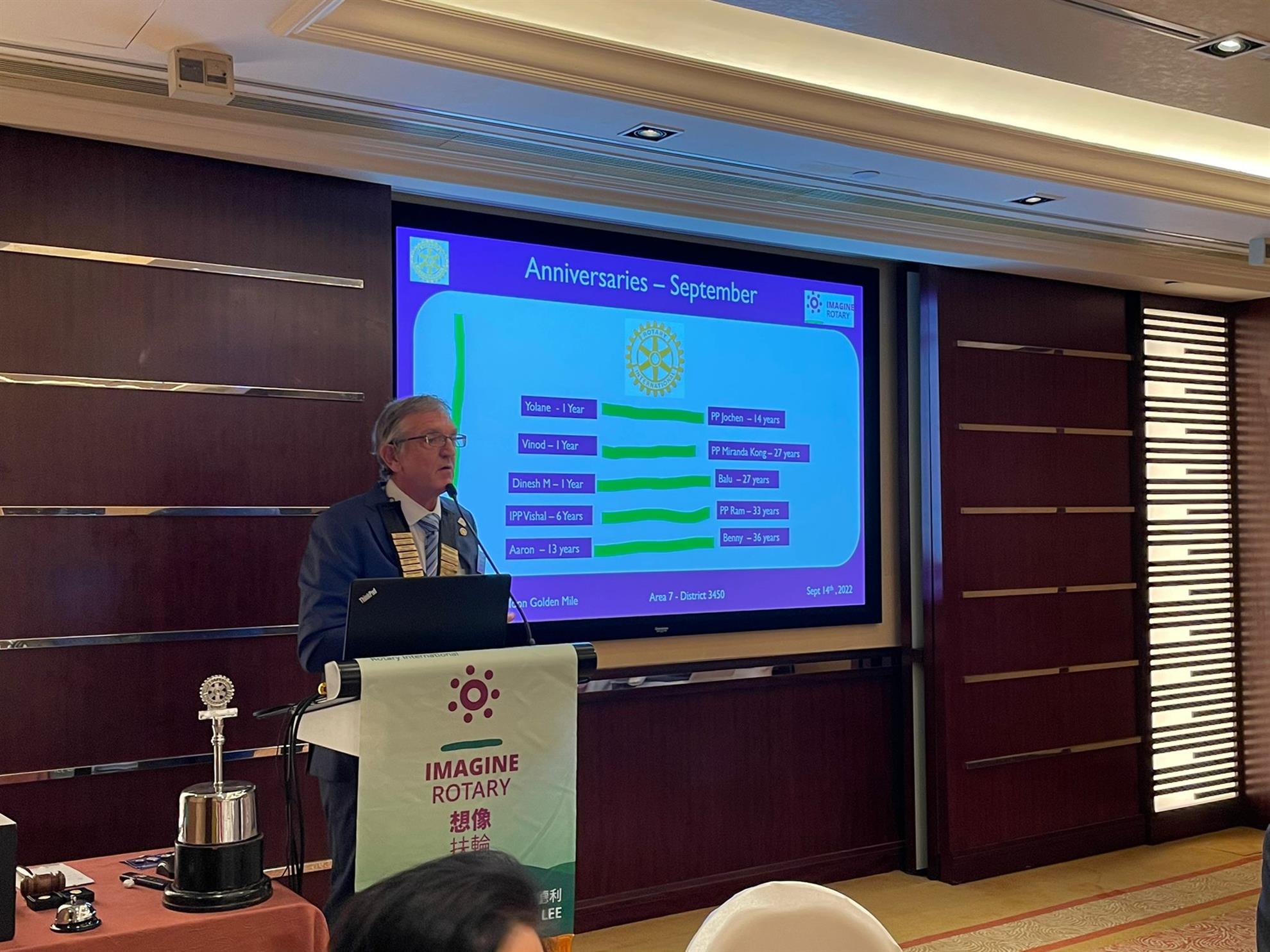
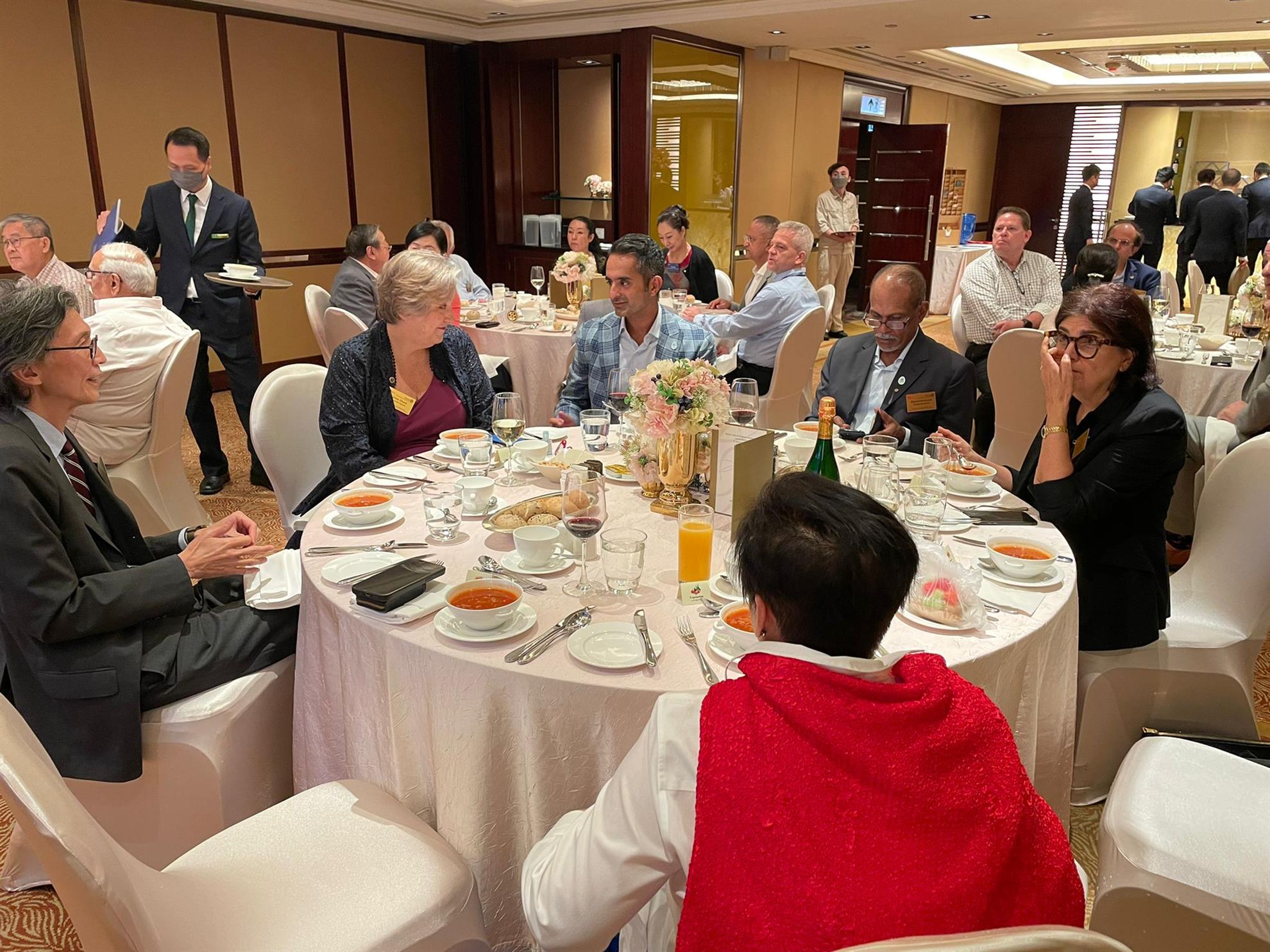
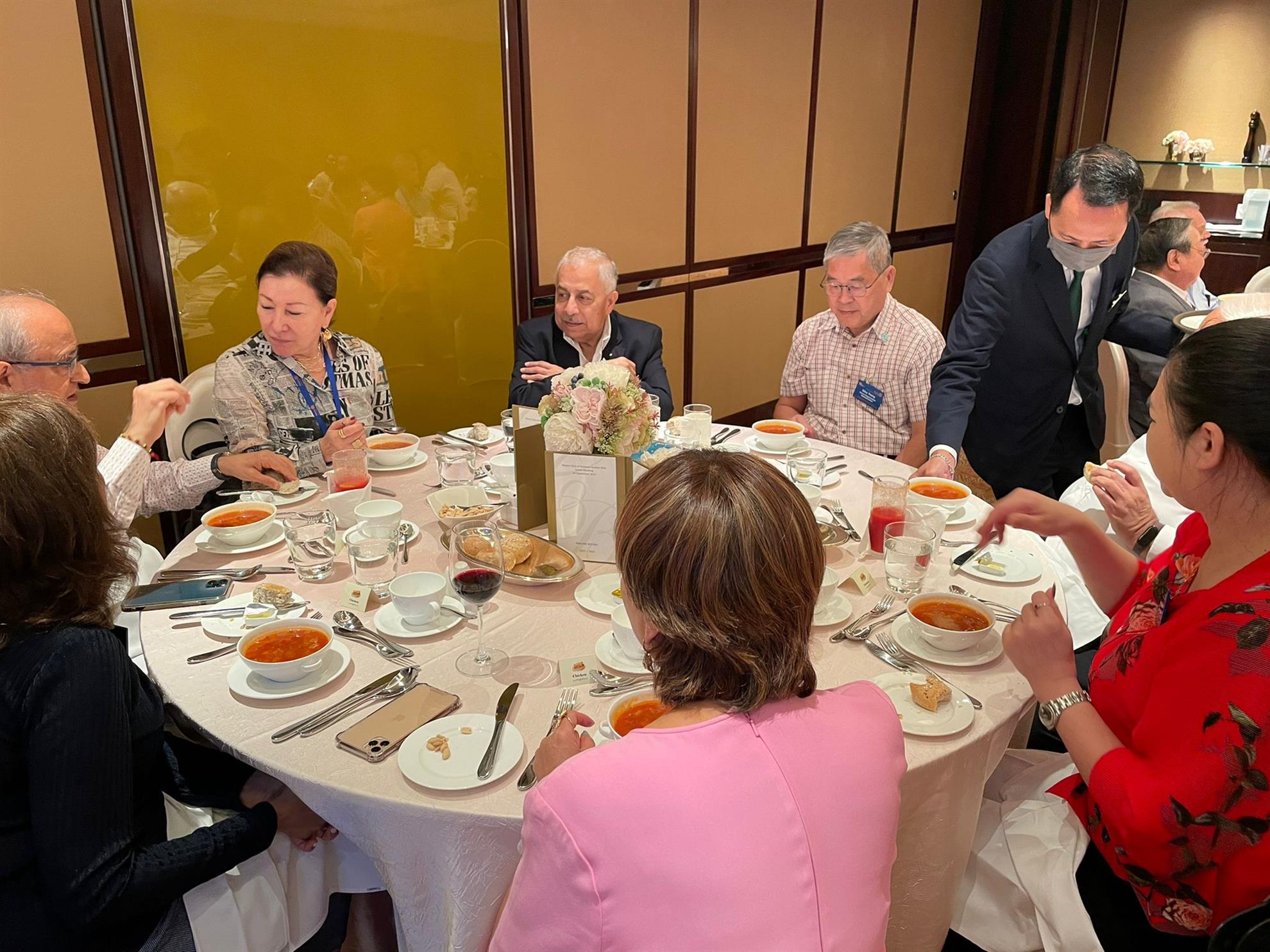
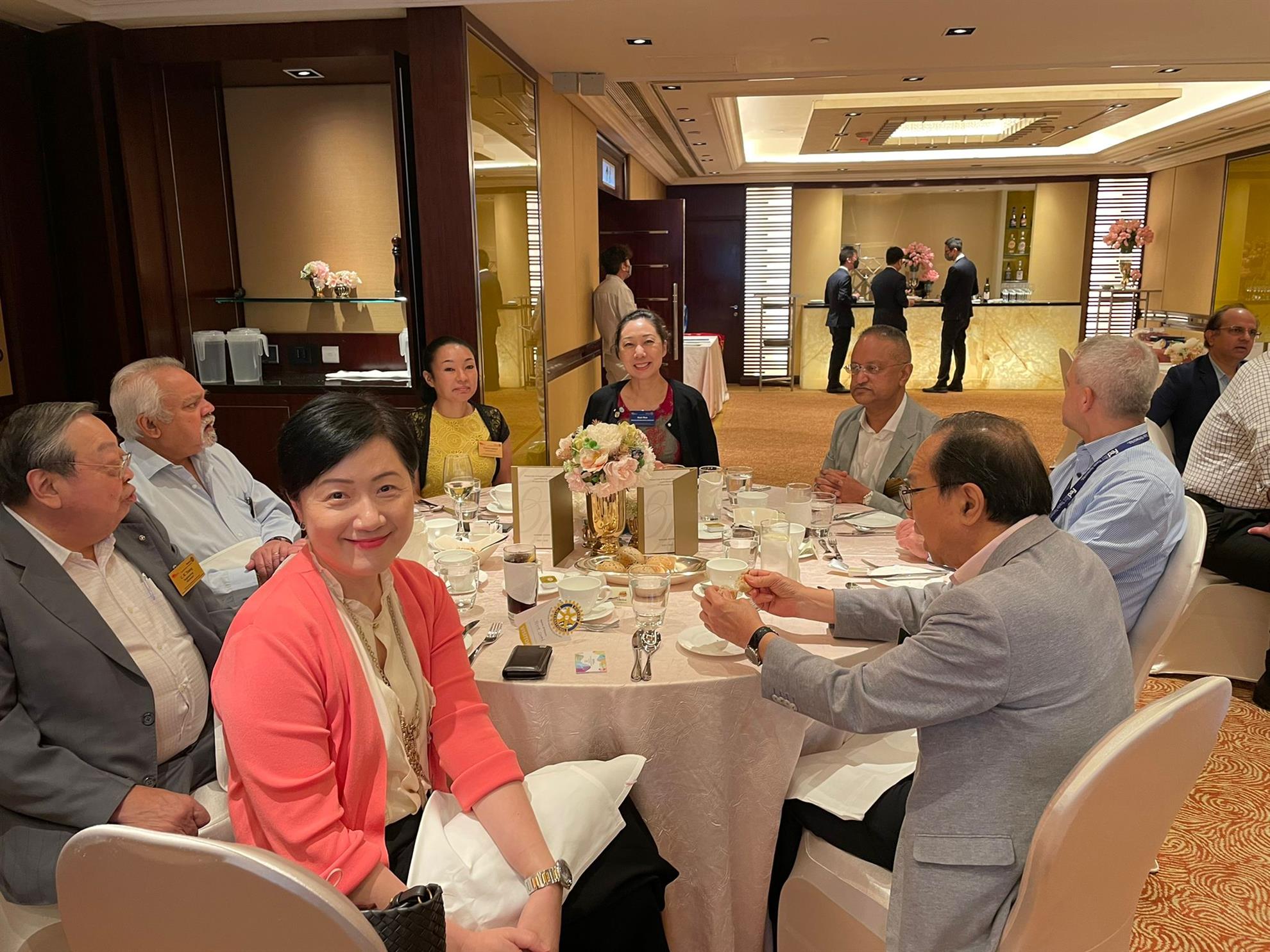
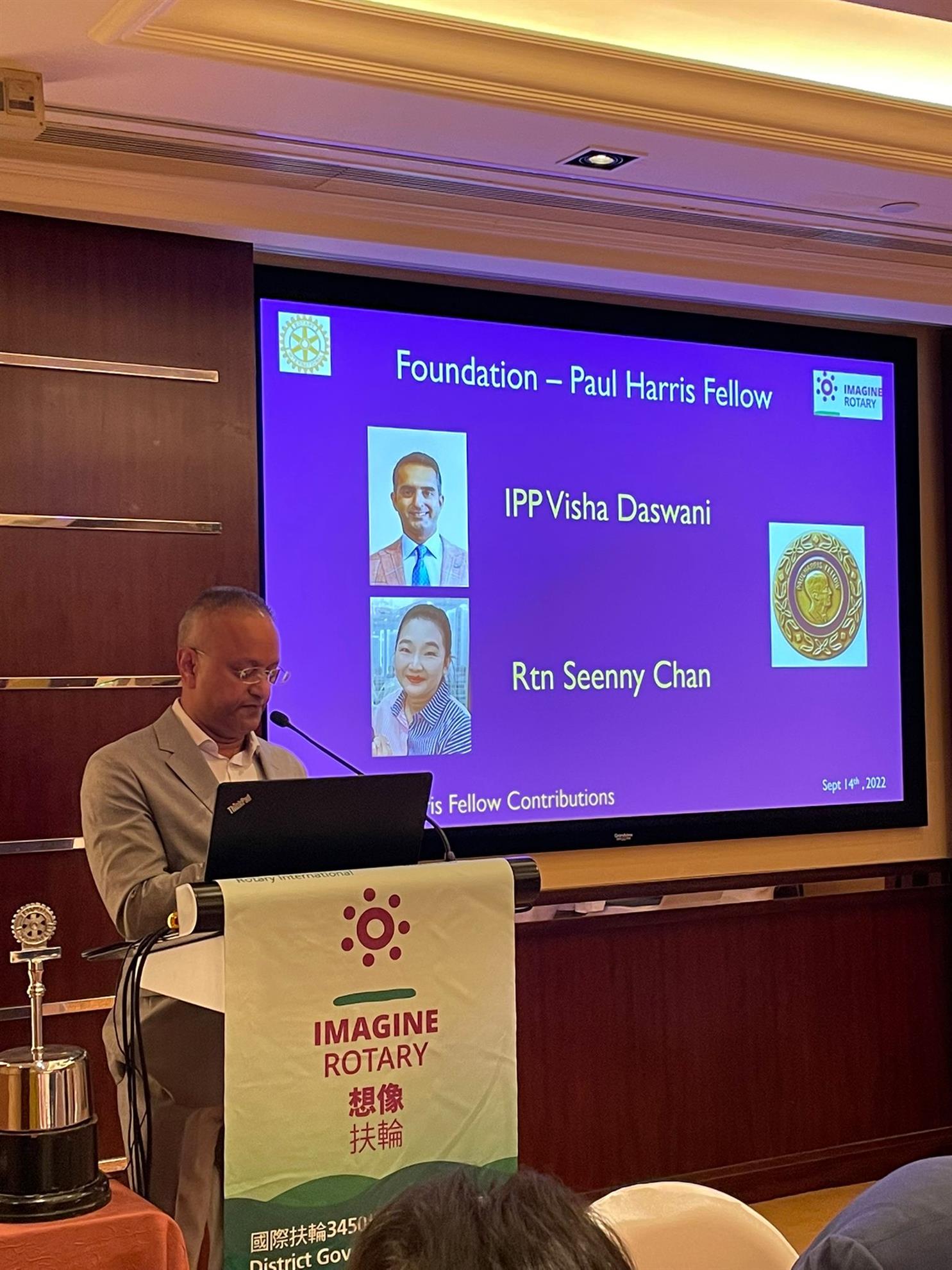
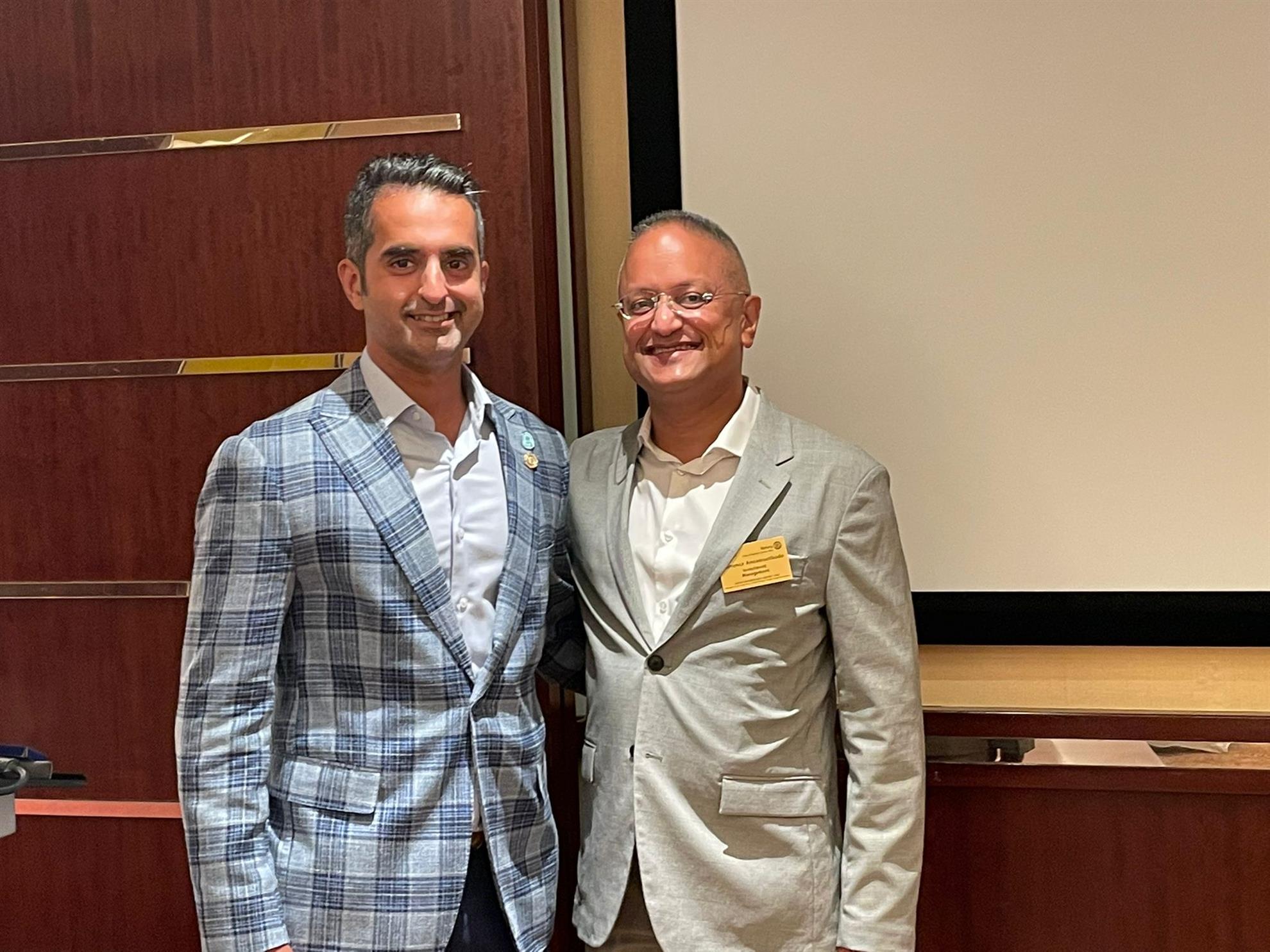
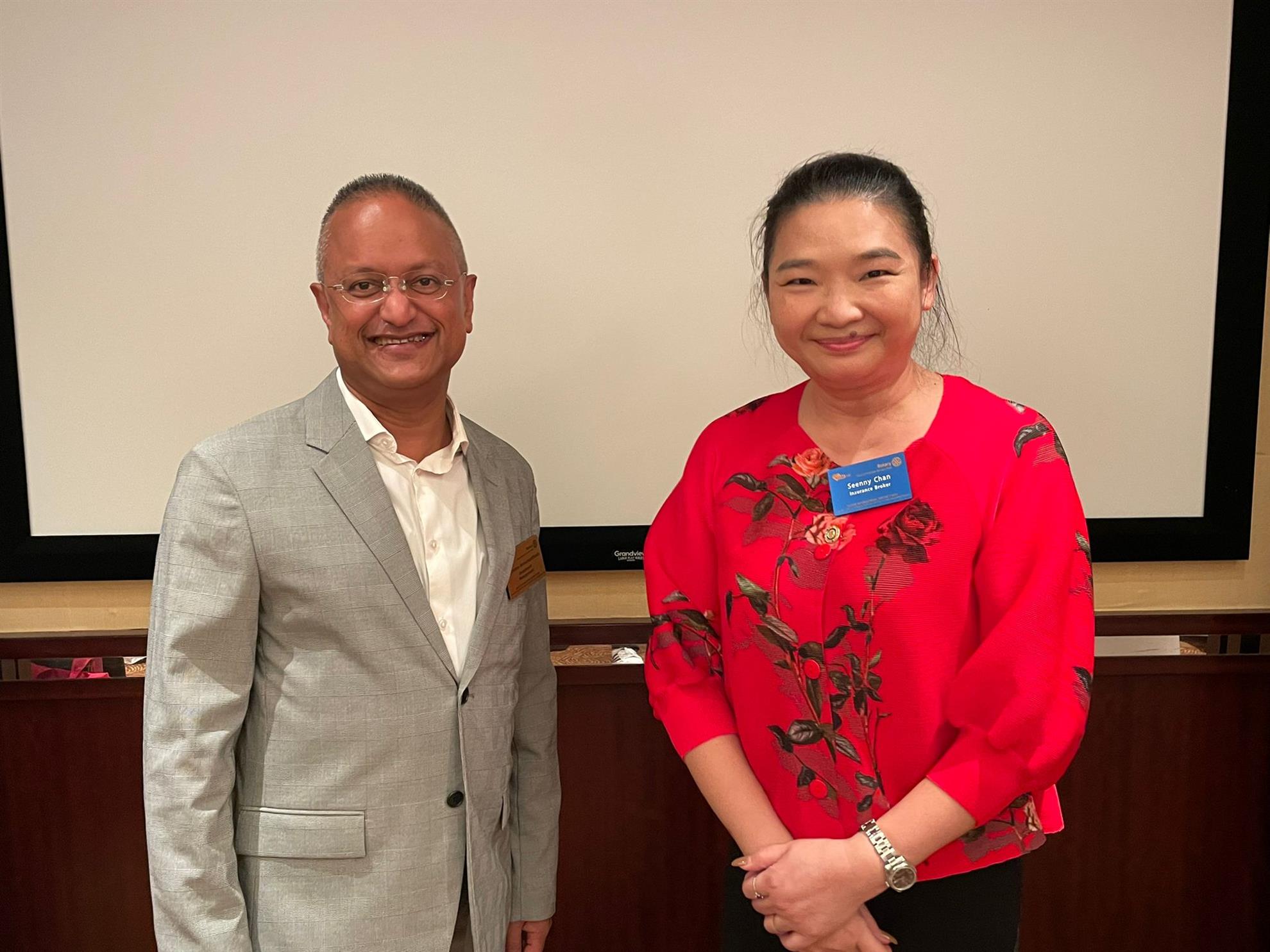
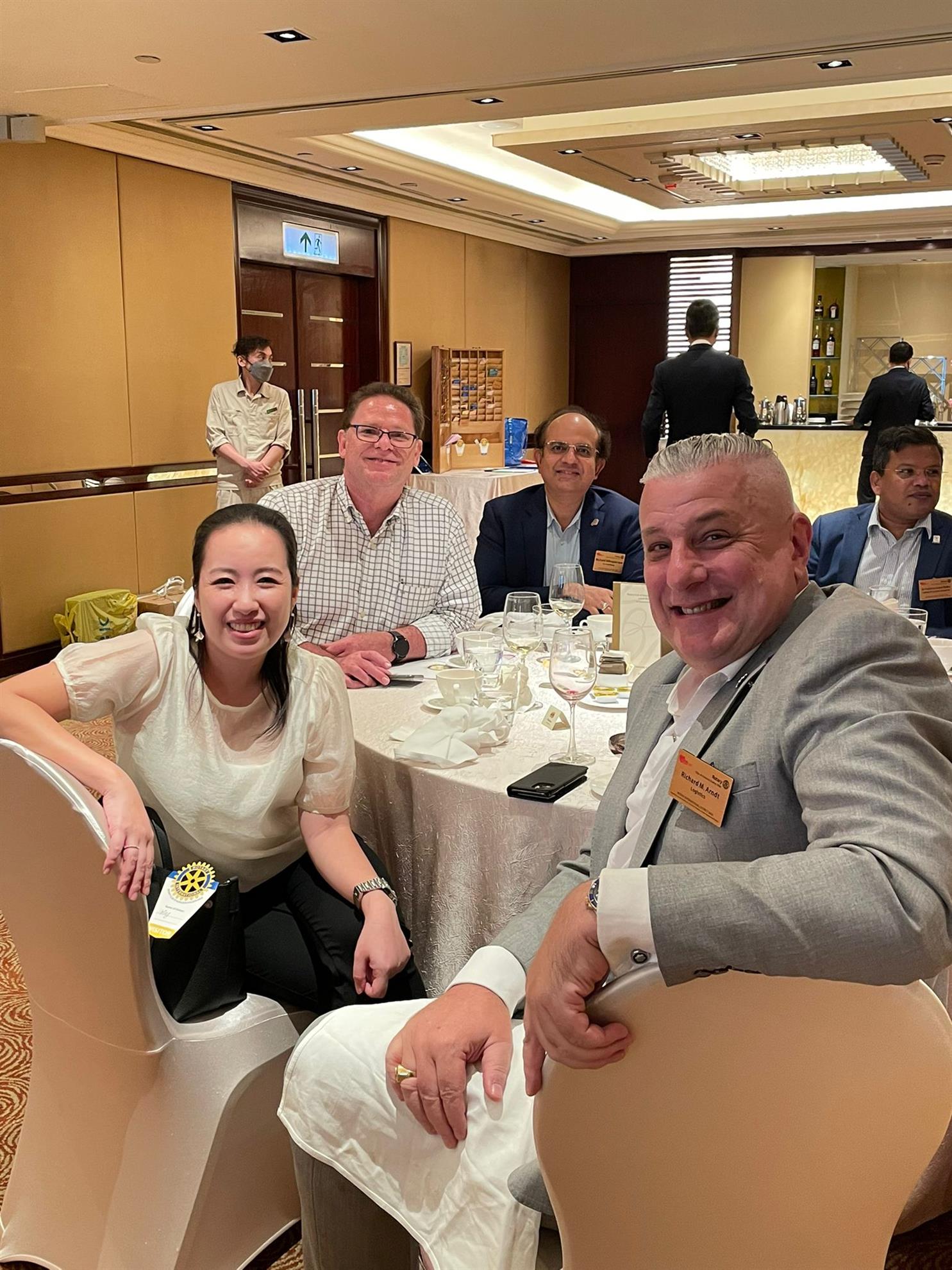
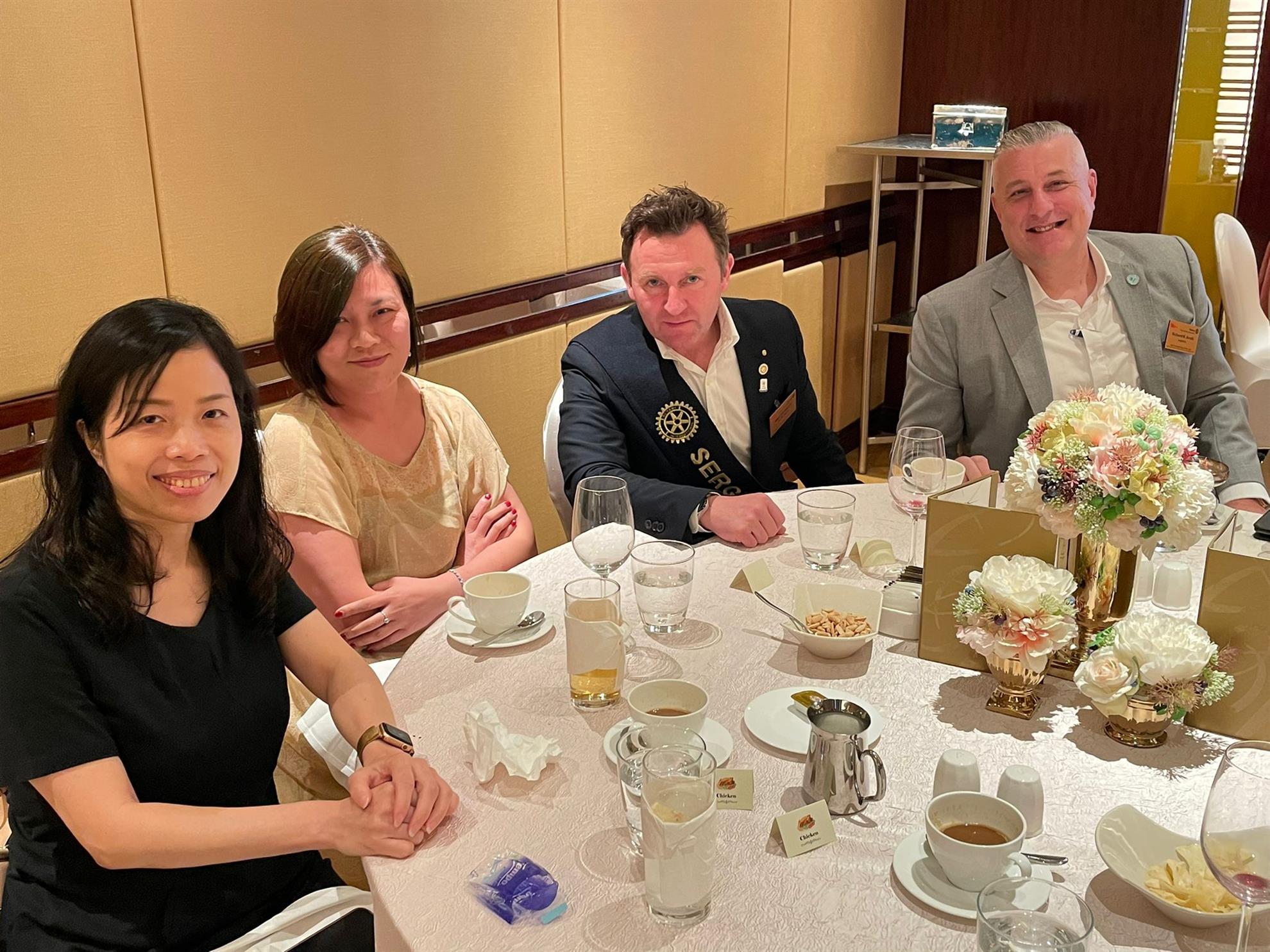
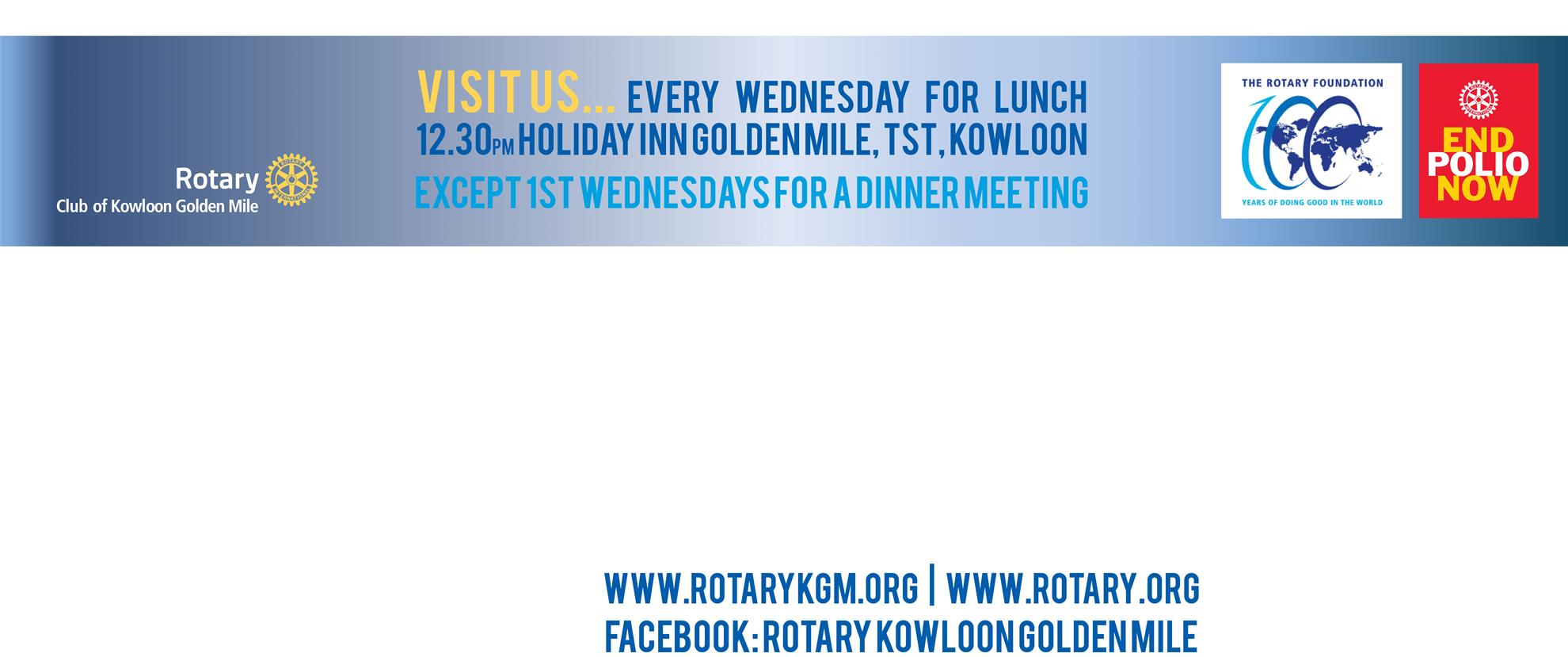
We have our regular lunch this week with a not so regular menu. With special thanks to the KGM Holiday Inn for their cooperation we will be having traditional Indian cuisine this week. The last headcount was about 35, if you haven't signed up, but wish to join, you can message on the Whatsapp group if the RSVP link has expired. Please let us know within this afternoon so the hotel has sufficient time to arrange the meals. We will be inducting 4 new members during this meeting and will be joined by PDG Eric Chin.
Later this evening our Rotary Ball Committee is meeting to continue on discussions and planning for our upcoming Ball which is tentatively scheduled for March 2023, details to be confirmed.
Also, a warm reminder, our partner Feed HK has 3 weekly trips to hand out food to the elderly and underprivileged citizens of HK, if you would like to join any of these seva sessions on Monday, Tuesday or Thursday, please sign up on the Whatsapp Group chat.
Lastly, to pay tribute to Elizabeth II, I dedicated our Knowledge section and Quote section to her, I hope you enjoy reading it.
Details for Next Regular Lunch:
Date: September 21st, 2022 (Wednesday)
Time: 12.30pm to 2.00pm Location: Room B2, Holiday Inn Kowloon Golden Mile, Tsim Sha Tsui, Kowloon, Hong Kong
Menu: Indian
RSVP: Please click here or add your name on the Whatsapp Group once the message is posted. Speaker: CP Royn Tang
Topic: "Investing in Wine"
*Hotel has requested to confirm the numbers by 19th September, so please RSVP at your earliest convenience.
*We will confirm the headcount to the hotel based on the RSVP list, which means if we fall short, the club will still be liable to pay.
Upcoming Events: Kindly scroll down to the bottom of the page
Weekly Knowledge Section: Queen Elizabeth II who passed away on 8th September, 2022, was the second-longest reigning monarch in history and the longest reigning monarch in British history, exceeding the tenure of Queen Victoria, her great-great-grandmother. French King Louis XIV remains in the top spot, having served as monarch for more than 72 years after taking the throne at age four and dying in 1715.
What is a monarch?
A monarch is a head of state for life or until abdication, and therefore the head of state of a monarchy. A monarch may exercise the highest authority and power in the state, or others may wield that power on behalf of the monarch. Usually a monarch either personally inherits the lawful right to exercise the state's sovereign rights (often referred to as the throne or the crown) or is selected by an established process from a family or cohort eligible to provide the nation's monarch. Alternatively, an individual may proclaim themself monarch, which may be backed and legitimated through acclamation, right of conquest or a combination of means.
If a young child is crowned the monarch, then a regent is often appointed to govern until the monarch reaches the requisite adult age to rule. Monarchs' actual powers vary from one monarchy to another and in different eras; on one extreme, they may be autocrats (absolute monarchy) wielding genuine sovereignty; on the other they may be ceremonial heads of state who exercise little or no direct power or only reserve powers, with actual authority vested in a parliament or other body (constitutional monarchy).
A monarch can reign in multiple monarchies simultaneously. For example, the monarchy of Canada and the monarchy of the United Kingdom (as well as 14 other Commonwealth realms) are separate states, but they share the same monarch through personal union.
A Commonwealth realm is a sovereign state in the Commonwealth of Nations whose monarch and head of state is shared among the other realms. Each realm functions as an independent state, equal with the other realms and nations of. The current monarch of each Commonwealth realm is King Charles III, who succeeded his mother, Elizabeth II, on 8 September 2022.
At her accession in 1952, Elizabeth was the monarch and head of state of seven independent states: the United Kingdom, Canada, Australia, New Zealand, South Africa, Pakistan, and Ceylon (now Sri Lanka). Since then, new realms have been created through the independence of former colonies and dependencies, and some realms have become republics. Barbados is the most recent realm to become a republic; it did so on 30 November 2021.[1] As of 2022 there were 15 Commonwealth realms: Antigua and Barbuda, Australia, The Bahamas, Belize, Canada, Grenada, Jamaica, New Zealand, Papua New Guinea, Saint Kitts and Nevis, Saint Lucia, Saint Vincent and the Grenadines, Solomon Islands, Tuvalu, and the United Kingdom. All are members of the Commonwealth, an intergovernmental organisation of 56 independent member states, 52 of which were formerly part of the British Empire. All Commonwealth members are independent sovereign states, regardless of whether they are Commonwealth realms.
Today in History:
1796: George Washington's Farewell Address printed in a Philadelphia newspaper, implored his country to maintain neutrality and avoid entangling alliances with Europe. 1991: In the Ötztal Alps on the Italian-Austrian border, German tourists discovered a mummified human body (later known as the Iceman) that was subsequently determined to date from 3300 bce. 1994: The medical drama ER debuted on NBC and became one of the highest-rated programs on television; it launched the careers of several actors, most notably George Clooney and Juliana Margulies. 2011: Panamanian baseball pitcher Mariano Rivera registered his record-setting 602nd career save; when he retired in 2013, Rivera had an unprecedented 652 saves and was considered the sport's greatest relief pitcher.
Quote(s) of the day: (Elizabeth II Pledge On her twenty-first birthday, 21 April 1947)
“I declare before you all that my whole life whether it be long or short shall be devoted to your service and the service of our great imperial family to which we all belong.”
Food for Thought (HEALTHY CHOICES): SUGAR
How to Reduce Your Sugar Intake
Excessive added sugar has many negative health effects. Although consuming small amounts now and then is perfectly healthy, you should try to cut back on sugar whenever possible. Fortunately, simply focusing on eating whole, unprocessed foods automatically decreases the amount of sugar in your diet.
Here are some tips on how to reduce your intake of added sugars:
Swap sodas, energy drinks, juices and sweetened teas for water or unsweetened seltzer.
Drink your coffee black or use Stevia for a zero-calorie, natural sweetener.
Sweeten plain yogurt with fresh or frozen berries instead of buying flavored, sugar-loaded yogurt.
Consume whole fruits instead of sugar-sweetened fruit smoothies.
Replace candy with a homemade trail mix of fruit, nuts and a few dark chocolate chips.
Use olive oil and vinegar in place of sweet salad dressings like honey mustard.
Choose marinades, nut butters, ketchup and marinara sauce with zero added sugars.
Look for cereals, granolas and granola bars with under 4 grams of sugar per serving.
Swap your morning cereal for a bowl of rolled oats topped with nut butter and fresh berries, or an omelet made with fresh greens.
Instead of jelly, slice fresh bananas onto your peanut butter sandwich.
Use natural nut butters in place of sweet spreads like Nutella.
Avoid alcoholic beverages that are sweetened with soda, juice, honey, sugar or agave.
Shop the perimeter of the grocery store, focusing on fresh, whole ingredients.
*NOTE* This is only for reference, please make sure to contact your physician or dietician before making any drastic changes to your diet.


 https://www.facebook.com/rotary.goldenmile
 https://www.instagram.com/rotarykgm/