Our Programs
SOLANA BEACH ECO-ROTARY SIGNATURE PROJECTS

Community Reusable Dinnerware Kit
Need a large quantity of dinnerware for your next event? Borrow our Community Reusable Dinnerware Kit – it's free!
The Kit is a ready-to-use solution ideal for family events, community gatherings, potlucks, picnics, and more, where large quantities of dinnerware are needed. It offers a better dining experience and enhances the overall enjoyment of meals. Additionally, it lessens the environmental footprint associated with the production and disposal of single-use dinnerware, helps save money, and encourages communal activities.
The Kit aims to make it easier for the community and event organizers to choose the reusable option. It is available for pick-up in Solana Beach and is free of charge. Serving up to 100 guests, it is a collection of mismatched plates, bowls, glasses, utensils & mugs. It comes in boxes for ease of transport and storage.
Over time, the consistent use of the reusable Kit will shift cultural and community norms back to eco-friendly practices, making reusable items the standard rather than the exception.
This program is entirely run by volunteers with a passion for sustainability and zero waste.
LEARN MORE HERE: Community Reusable Dinnerware Kit | Solana Beach Eco Rotary Club
SMRT (Stormwater Makes Retained Treasure) Gardens
website: Smrt Garden
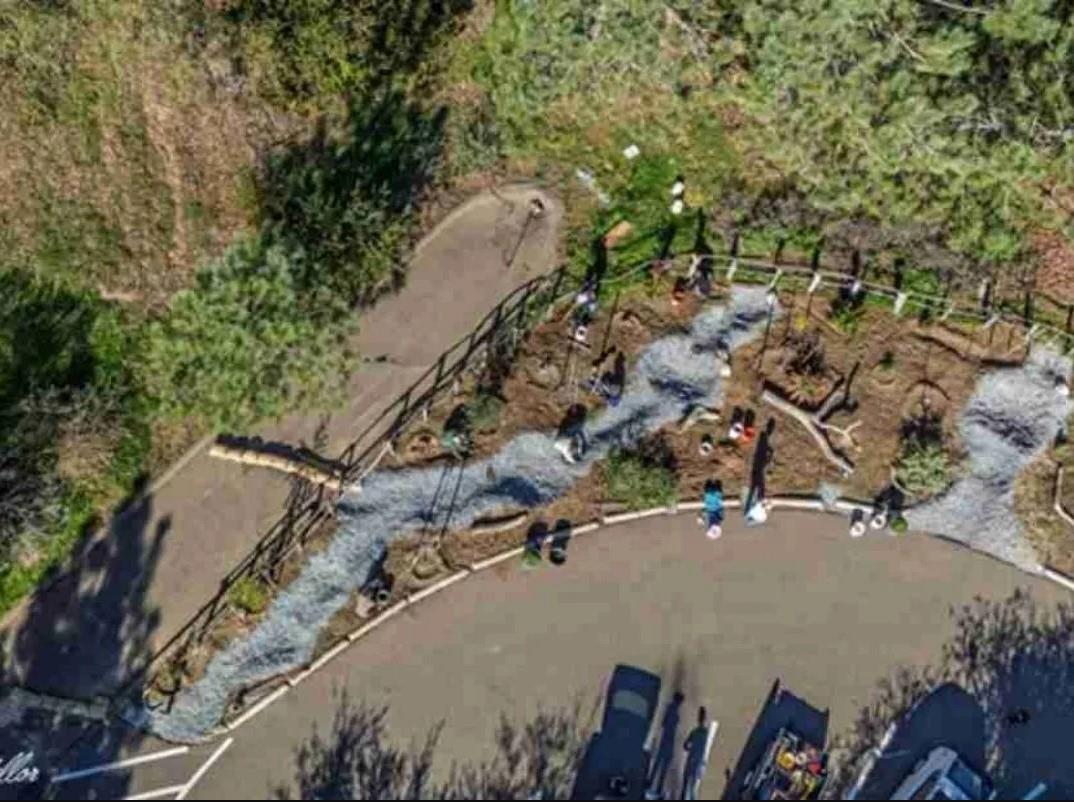
SMRT Gardens are innovative street-side and parking lot gardens designed to manage stormwater by channeling runoff from streets directly into retention basins. The plants within these gardens utilize the collected water to grow, simultaneously cleaning and replenishing groundwater supplies. By integrating these gardens into urban landscapes, several environmental and community benefits are realized.
Environmental and Community Benefits
• Flooding mitigation and prevention of erosion: As longer droughts and larger storms affect our cities and storm drains, SMRT Gardens make efficient use of rainwater while cleaning and recharging groundwater.
• Cooling Urban Spaces: SMRT Gardens help lower temperatures on streets, parking lots, and sidewalks, creating cooler environments reducing the urban heat island effect.
• Wildlife Habitat: These gardens can provide vital habitat for pollinators and other wildlife, supporting urban biodiversity.
• Pollution Reduction: By filtering stormwater, SMRT Gardens take up pollutants from the streets that frequently end in waterways, lakes and oceans. SMRT Garden plants also clean the city air.
• Climate mitigation: SMRT Garden plants store carbon.
• Improved Quality of Life: The presence of green spaces has been linked to better mental and physical health, reduced crime and conflict, and enhanced concentration and academic performance among students.
• Economic Value: Green spaces add economic value to communities and foster a sense of pride and cooperation among residents. Shoppers spend more time and money in areas near green spaces. Housing units rent for more money and houses sell higher near green spaces.
Target Areas and Educational Opportunities
Flood-prone regions are often concentrated in low-income urban districts and have substantial potential to benefit from the implementation of SMRT Gardens. Whereas modern city development and landscape codes frequently integrate bioswales into their planning, many older neighborhoods rely on conventional storm drains that are increasingly unable to manage intensified rainfall. SMRT Gardens could fill the gap.
The intentional placement of educational signage within these gardens would serve to inform the public about the consequences of pollution, climate change, and habitat degradation, while simultaneously fostering sustainability, resilience, and cohesive communities. Scientific observation of these SMRT gardens could be incorporated into citizen science projects, creating an opportunity to assist with research while educating the public.
Building Partnerships and Community Engagement
Rotary is well positioned to collaborate with community groups, schools and government to promote, design, develop and maintain SMRT Gardens. They not only beautify public spaces but also build meaningful partnerships and goodwill. These efforts contribute to the economic vitality of neighborhoods, educate and encourage a collective commitment to sustainability.
One of these SMRT Gardens has been installed at the San Dieguito County Park in Del Mar, CA.
CALIFORNIA POLLINATOR COLLABORATIVE
WHO WE ARE: We are a group of people and organizations concerned by the decline of pollinators and their habitat (https://www.capollinatorcollaborative.org/home). The initiative was originally created by members of the Solana Beach Eco Rotary Club (https://portal.clubrunner.ca).
LIST OF CURRENT PARTNERS:
California Native Bee Society - calnativebeesociety.org
Solana Beach Eco Rotary Club - sbeco.org
Carlsbad Community Gardens - carlsbadcommunitygardens.org
Xerces Society - xerces.org
Our mission is to preserve, protect, and promote pollinators through the establishment of a Pollinator License Plate Program in California.
Our goal is to establish a California Pollinator License Plate program.
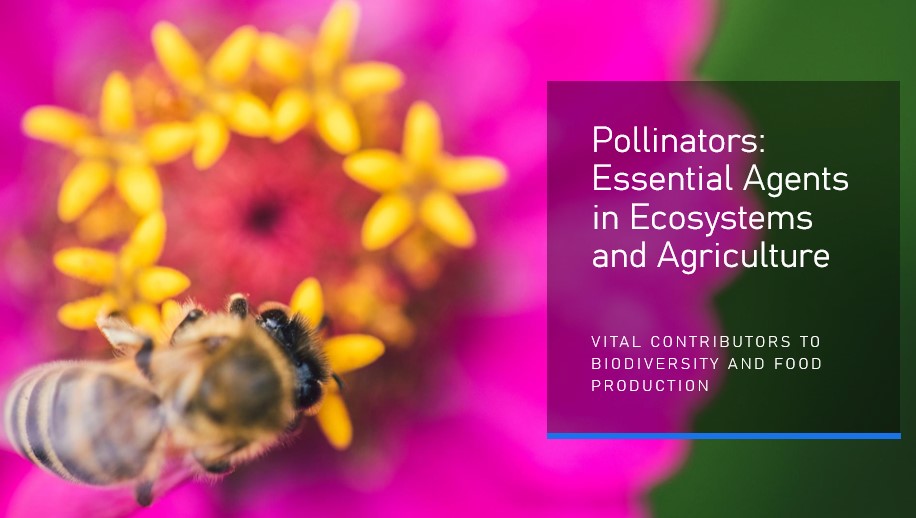
WHY: Pollinators such as bees, butterflies, moths, beetles, bats, and birds—are essential for the reproduction of over 85% of the world’s flowering plants, including more than 75% of global food crops.
Establishing a Specialized License Plate is done by a State Agency who will sponsor the program through the Department of Motor Vehicles (DMV). The application requires a design following the DMV License Plate Template, a financial plan, and 7,500 prepaid license plates (ordered by California drivers).
WE NEED YOUR HELP: To make a pre-order pledge commitment please go to our webpage: https://www.capollinatorcollaborative.org/ Or download the pledge form from the QR code provided.
TIJUANA RIVER PROJECT
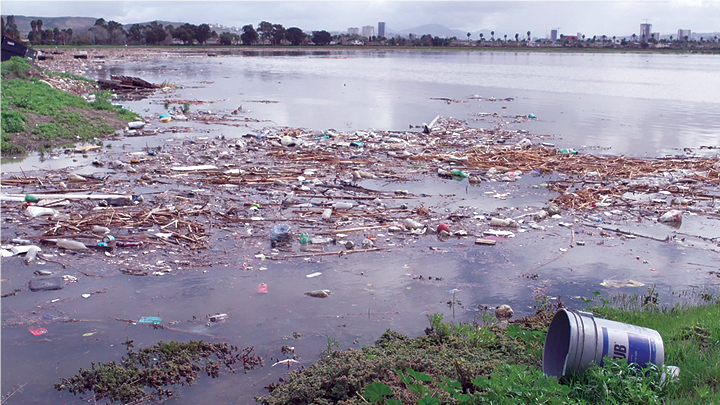
The Tijuana River flows 190 kilometers through the mountains and deserts of northwest Mexico before reaching the Pacific Ocean where it forms the Tijuana River Estuary. The estuary, a US National Estuarine Research Reserve, is made up of many diverse and sensitive habitats, including beaches, sand dunes, mudflats, salt marshes, and vernal pools. Spanning 930 hectares, it is home to 29 species of fish, 29 species of reptile and amphibian, and 370 species of bird. The estuary also protects ten endangered species including the San Diego fairy shrimp, the light-footed clapper rail, and the salt marsh bird’s beak.
Concerns about Tijuana River pollution have existed for decades as the border city’s population increased without adequate infrastructure, and industrial waste from unmonitored corporations ended up polluting local waterways that feed into the river. The International Boundary and Water Commission, the binational agency that enforces water treaties between the U.S. and Mexico, among other roles, reported that over 100 billion gallons of untreated sewage spilled into the Pacific Ocean through the Tijuana River and its tributaries over the last five years.
The Solana Beach Eco-Rotary Club is committed to joining the collaborative efforts of government, private and public bodies to find and implement solutions for change.
2026-2027 DISTRICT/GLOBAL GRANT PROJECTS
2025-2026 DISTRICT/GLOBAL GRANT PROJECTS
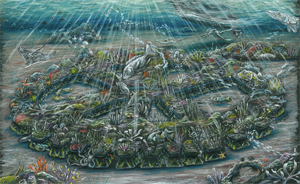
ROTARY REEF PROJECT (PANAMA)
The Solana Beach Eco Rotary Club, with cooperation and funding from the Del Mar Rotary Club, Escondido Rotary Club, and Rancho Santa Fe Rotary Club is sponsoring a Rotary Reef wheel on the artificial reef program in Panama, a project created and spearheaded by the Newport Beach Rotary Club.
Coral reefs are one of the most important ecosystems on the planet. Unfortunately, coral reefs are dying and they need our help. Climate change impacts such as ocean acidification and warming waters are contributing to coral bleaching. We have less than 7% of Reef Building Coral left in Panama. If we don't act now, these keystone coral species will become extinct, leaving the integral ecosystems that are reefs to degrade and become unable to support any of the thousands of other aquatic species that rely on them for life every single day.
Coral reefs are responsible for providing shoreline protection, income, and a source of food for one fourth of the World's population. Coral reefs have an economic value estimated at over $300 billion every year and growing. These reefs do an amazing job at providing natural disaster protection. They are capable of absorbing over 90% of storm generated wave energy helping to prevent mass destruction of land and property. The marine ecosystem, of which corals are a crucial element, is responsible for over 60 percent of the oxygen produced in our atmosphere. Over one -fourth of existing marine life depends on reef systems for habitat and subsistence.
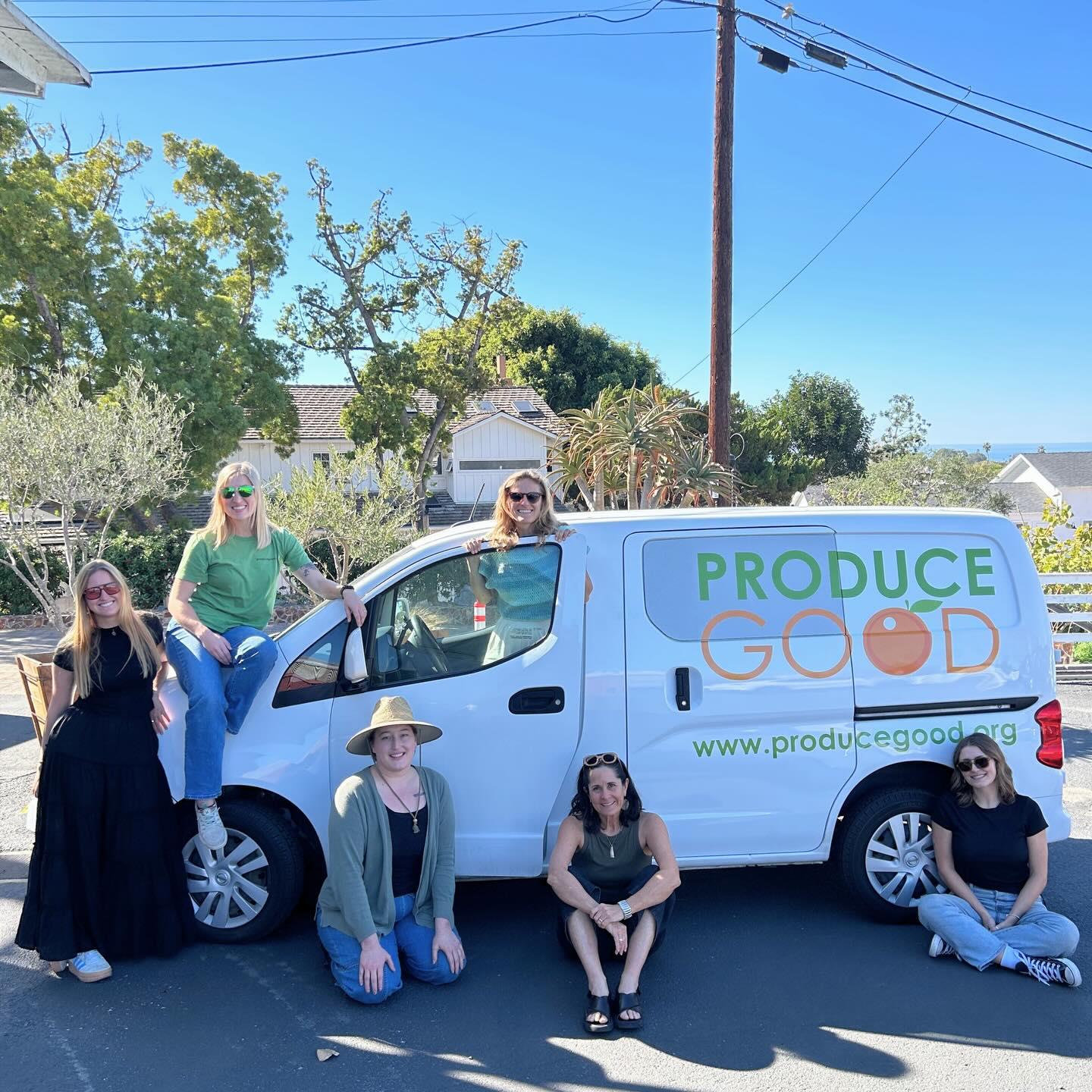
PRODUCE GOOD
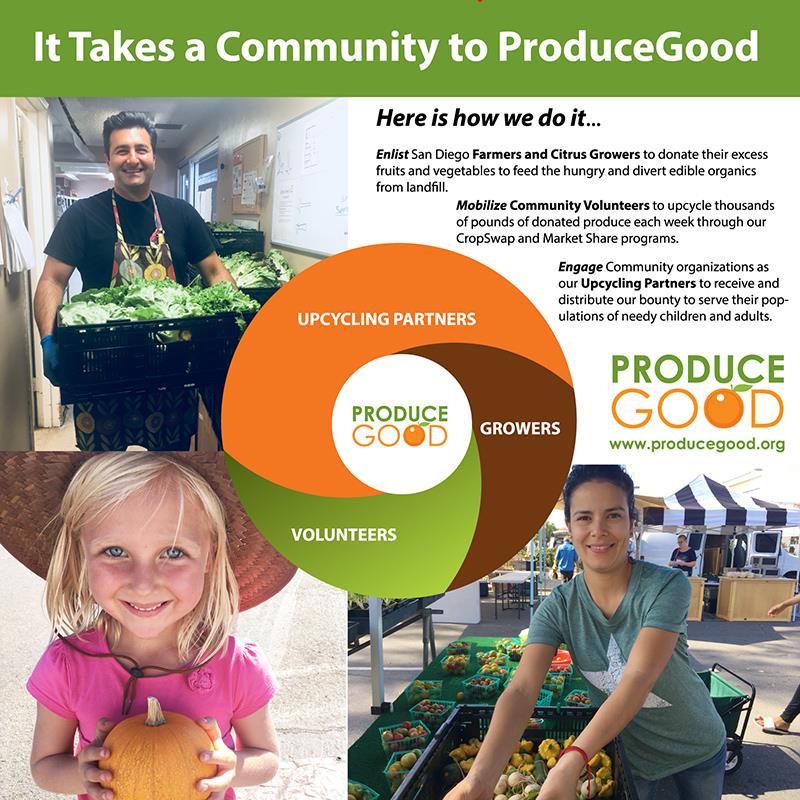
ProduceGood is dedicated to reducing food waste, alleviating hunger, and fostering community by rescuing surplus produce from local orchards, backyards, farms, Farmers Markets, and grocery stores. They then deliver this fresh, nutritious food directly to those facing food insecurity throughout San Diego County.
They are a food recovery organization-but not a traditional one. Instead of waiting for donations, They go straight to the source of excess produce. Their volunteers glean fruits and vegetables that would otherwise go to waste and transport them to food pantries, shelters, and community organizations that serve those in need.
Each week, Produce Good supplies 24,000+ servings of fruit and vegetables to dozens of SD organizations for the food-insecure people they serve. Their harvests are equivalent to 500,000 meals, annually for the thousands of individuals.
Through this grant the Solana Beach Eco Rotary Club is providing the necessary infrastructure support that is required to operate the vast network of volunteers that are required to gather fruits and vegetables from local farmers markets, residential back yard orchards and expired food from local supermarkets. Produce Good has a paid staff of 6 to accomplish the task of providing 24,000 meals. This program has the added benefit of keeping 500 tons of editable food from going to the land fill.
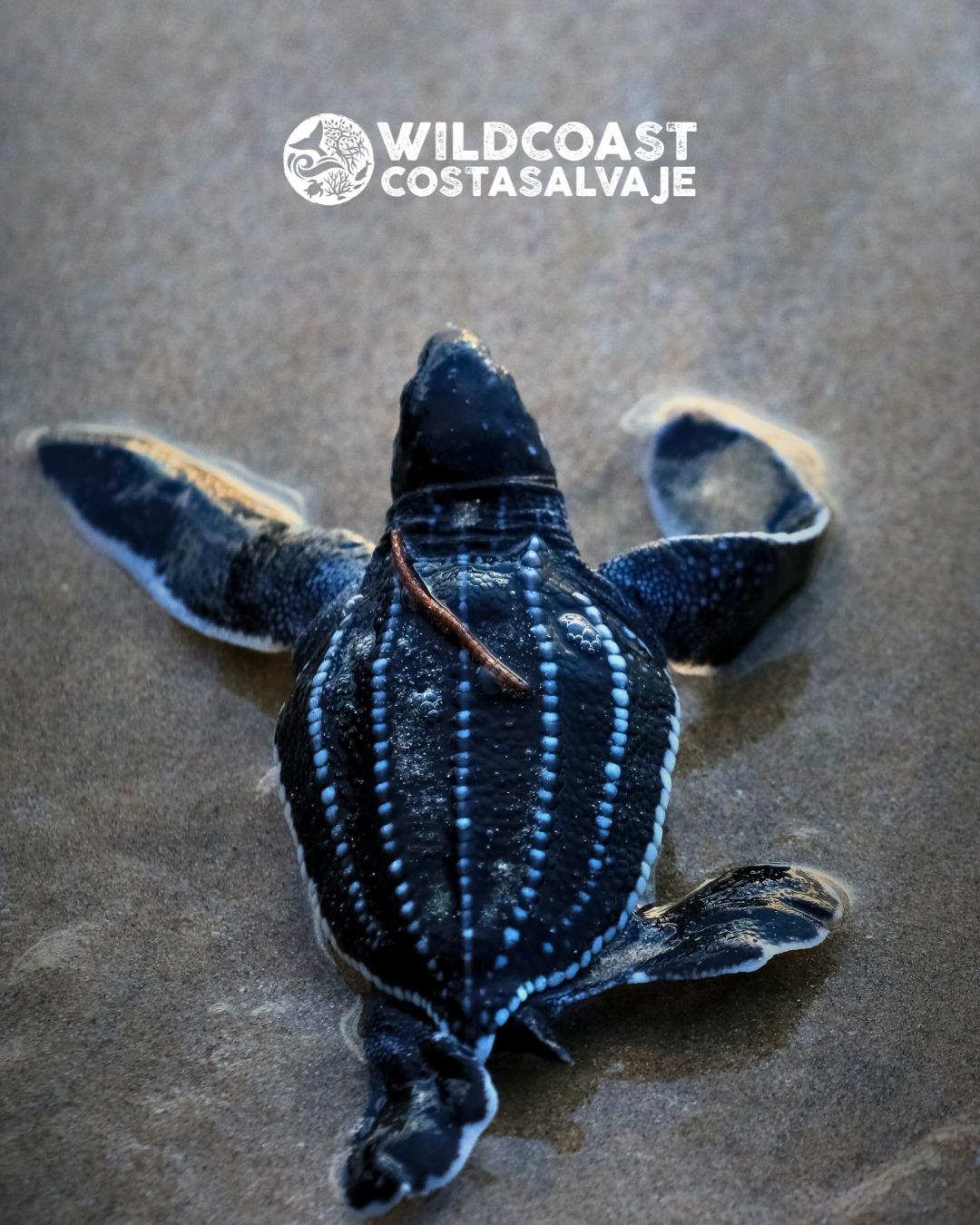
WILDCOAST
WILDCOAST was founded in 2000 in order to protect some of the most ecologically important coastal wildlands, islands and marine areas that remain in California and Baja California. They are home to a variety of endangered marine animals, such as the Eastern Pacific green and loggerhead sea turtles and the last undeveloped gray whale calving site on earth.
Since its inception, WILDCOAST has successfully protected more than one million acres of coastal wildlands and halted the development plans of illegal mega-resorts throughout the Baja California Peninsula and the Sea of Cortez. Through its innovative conservation campaigns, WILDCOAST has brought critical attention to pressing environmental issues in the Californians
Our grant supports Wild Coasts expert staff here in Del Mar and Baja California in their critical work to save our coastal wetlands.
LEARN MORE: Coastal Conservation | Coastal Ecosystems | WILDCOAST
SAN DIEGO ENVIRONMENTAL FILM FESTIVAL
The purpose of The San Diego Environmental Film Festival (SDEFF) is to inspire awe, engagement, and social change between people and our natural environment. Its mission is to curate an artistic, educational experience that uses film to bring people together, facilitate knowledge exchange, and effect social change. It creates a unique, inclusive, and representative film festival focused on people, air, water, and land, which all contribute to the long-term biodiversity of our planet.
SDEFF offers a platform for filmmakers from around the globe to present creative ideas, talent, and skills in service to the planet. Films that amplify unheard stories, highlight emerging talent, enhance access to unique content, provide new opportunities for learning, and build the environmental community within and outside San Diego.
The festival was held the weekend of October 23-25, 2025. Our funds were used for the planning of the film festival such as screen and projector rentals, venue coordination and fees, film award prizes, marketing materials, and more!
The San Diego Environmental Film Festival is a registered 501c3 nonprofit.
The board is made up of scientists and policymakers with a big vision to inspire fun, creativity, and action in the environmental, conservation, and artistic space. They have each had a share of working in the field: collecting water quality samples, monitoring coral reefs in the ocean water, developing policy to establish marine protected areas off our coast.
PRESERVE CALAVERA
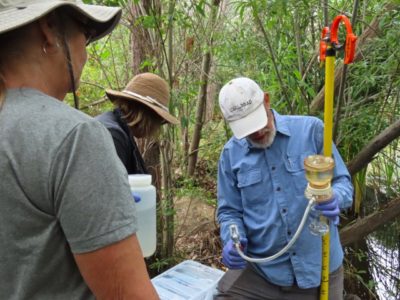
North San Diego County Watershed Monitoring Program (NSDCWMP) created by Preserve Calavera, a non-profit volunteer-based organization whose mission is to preserve the natural resources of the coastal San Diego North County.
In the spring of 2019, Preserve Calavera created the North San Diego County Watershed Monitoring Program (NSDCWMP) to continue the decade-long work of San Diego Coastkeeper (SDCK) of assessing the health of local surface waters. The water quality in three coastal watersheds (i.e., Buena Vista Creek, Agua Hedionda and Batiquitos Lagoons), all of which are part of the Carlsbad Hydrologic Unit (Fig. 1) is evaluated by sampling water at multiple locations on a bimonthly basis and measuring basic physical (conductivity, turbidity), chemical (pH, dissolved oxygen, nutrient, and ammonia), and biological (total and pathogenic coliform bacteria) parameters. In addition, the team has initiated sampling for the analysis of microfibers in conjunction with Dr. Dimitri Deheyn's laboratory at UC San Diego (Marine Biology Research Division, Scripps Institution of Oceanography).
NSDCWMP is an all-volunteer citizen science effort with a leadership management team comprised of two Preserve Calavera board members (also leaders of the Buena Vista Creek and Batiquitos Lagoon monitoring teams). Technical advisors from the California Water Resources Control Board as well as the San Diego Regional Water Quality Control Board (SDRWCB) provide guidance to the NSDCWMP. Data is posted at www.preservecalavera.org and on the CEDEN website and shared with SDRWCB and the cities of Carlsbad, Oceanside, San Marcos and Vista as needed.
For the 2025-2026 time frame of the project will entail sampling, filtration and microfiber counting when detected by fluorescence on the filters following the instructions/training used by the Deheyn's UCSD laboratory research team. Initial findings revealed the presence of microplastics in the watershed, hence the potential for toxicity in the food chain.
Data from all measures including the presence of microfibers are reported to local and regional governmental agencies which may use them to make informed regulatory decisions regarding the protection and management of the rivers and streams in our local watershed.
More info: | Protecting, enhancing, and restoring the natural resources of coastal north San Diego County
MODEL UN
Model UN is for high school students to participate in teams of two in a United Nations debate setting. They will draw a country three months in advance of 2026 event, learn about it's history, culture and political positions, before presenting those positions in response to two UN Resolutions chosen by the director. It has been on going in our District for 20 years and now has participation from as many as 5 foreign countries.
What's RYLA?
Rotary Youth Leadership Awards, or “RYLA,” recognizes and rewards deserving 11th grade students for their leadership and service. Each April, about 200 young leaders attend an all-expenses-paid weekend in Idyllwild, where they are inspired by a diverse group of exceptional speakers, make life-long friends, and discuss ethical and social issues affecting leadership today. These students return to their schools and communities motivated to continue their leadership journeys with fresh insights into themselves and the world around them.
The Solana Beach Eco-Rotary club is proud to be sponsoring a student for the first time in 2026.
More info: RYLA5340
| ||
 |
| |
| ||
 |
| |
| ||
 |
| |
| ||
 |
| |
| ||
 |
| |
| ||
 |
| |
| ||
 |
| |