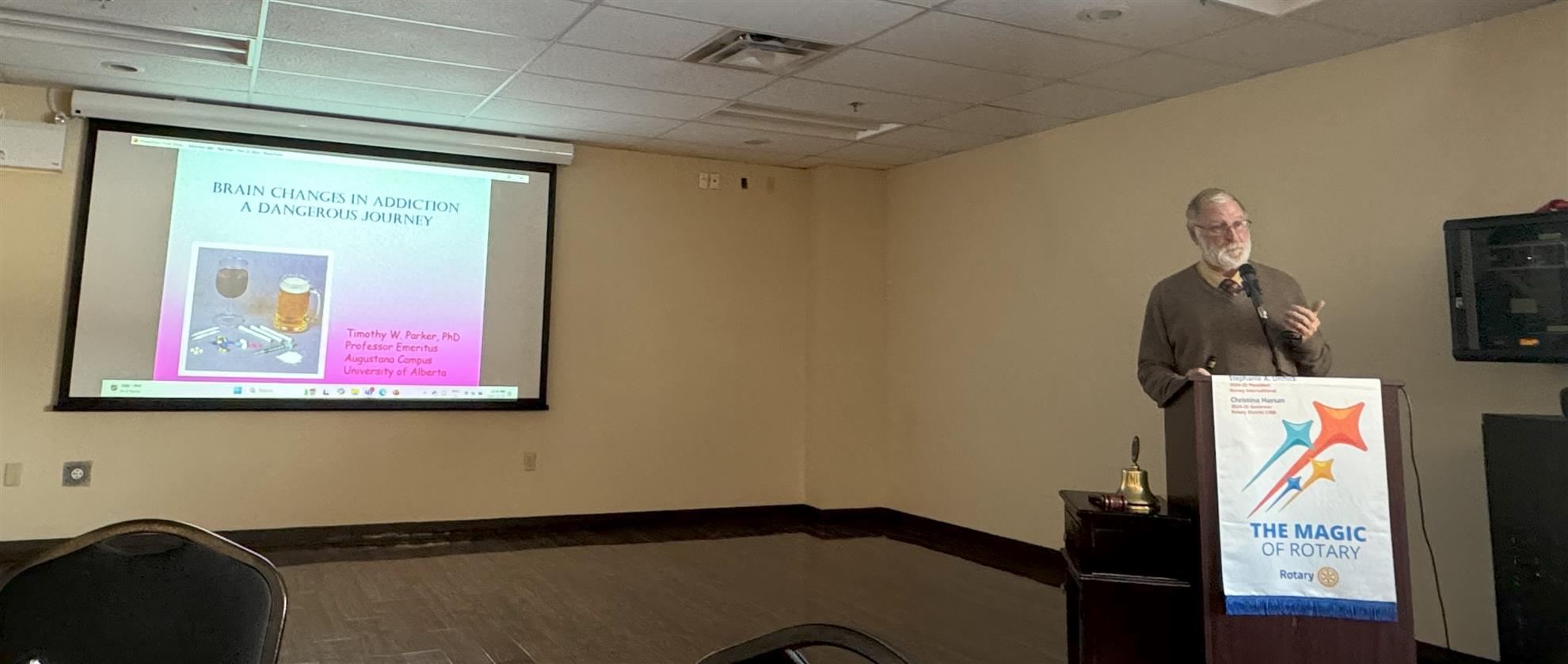
Guest speaker: Dr. Tim Parker. Brain Changes in Addiction- A Dangerous Journey.
Tim, a Rotarian from Camrose, and an expert in this field shared key points about addiction and its effect on those who suffer from it. Addiction was broadly defined as "using drugs or engaging in behaviors to the extent that they interfere with one's responsibilities to family, friends, work, etc.".
Tim discussed some common misconceptions about addiction and shared how addiction moves through 3 phases.
The initial stage is rewarding as there is a high peak and then a temporary crash from euphoria. The second stage is transitional where there are extreme emotional changes from euphoria to depression. The brain tries to regulate the swings but finds it difficult. The highs are lower and there is a high dependence on cues that activate the cravings. In the third and end stage there are changes in the brain as the frontal lobe (deals with executive functioning) begins to change
Feelings of euphoria are more difficult to achieve and there may also be signs of cognitive impairment.
When asked how to support those who are trying to withdraw from addiction, Tim shared that it is important to find ways to recognize the triggers and cues that activated the initial cravings (eg a time of day or physical surroundings, items used for drug use, social activities, etc).Relapses after addiction treatments are common as many are not able to sever ties with people, places, or situations that trigger the addiction. The need for support is great in order to stop the cycle of use. Tom also touched on the hazards of drug use as there are no safeguards regarding contents or safety.
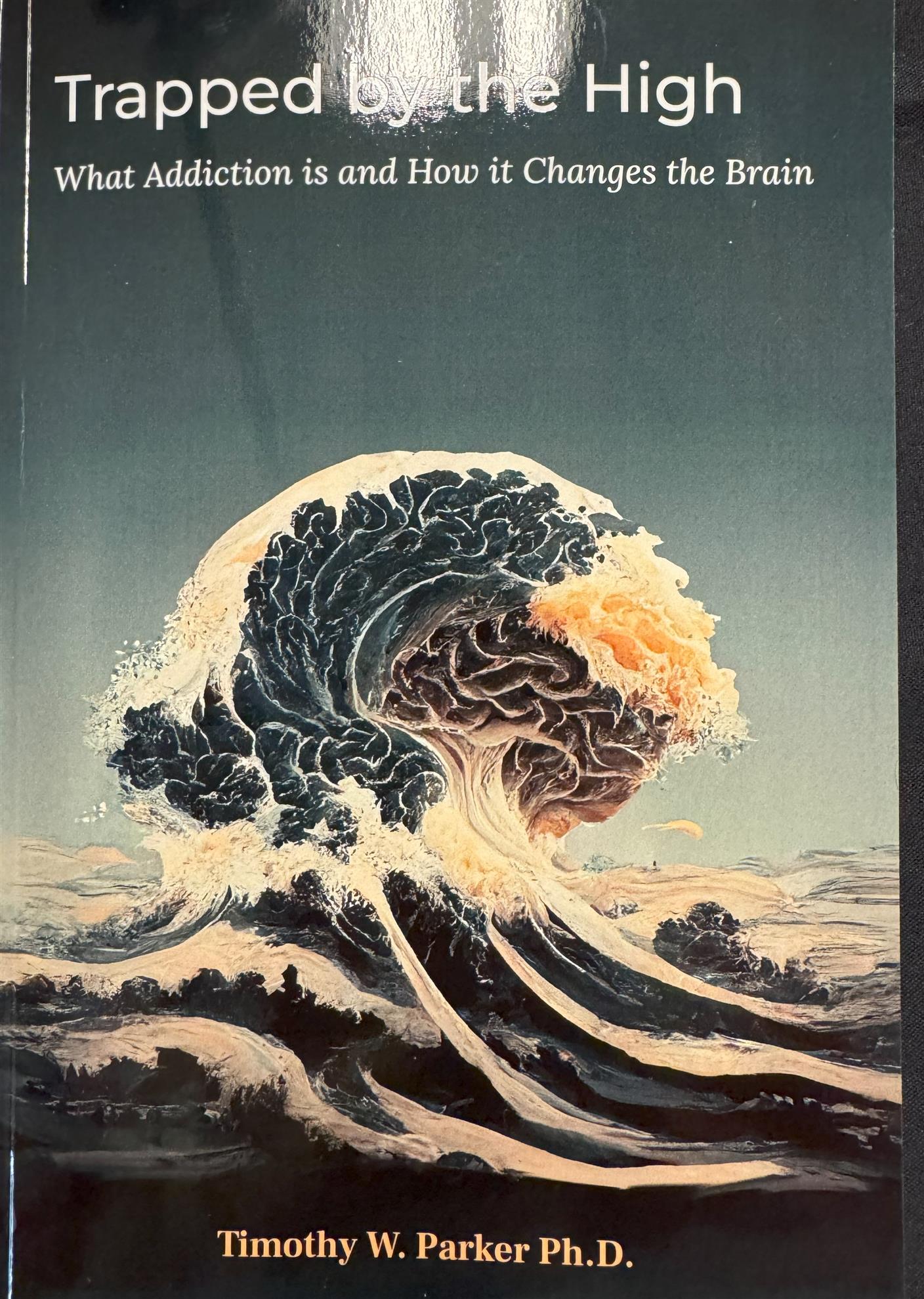
The topic was of high interest as many members purchased Tim's book to further their knowledge of this crucial issue.
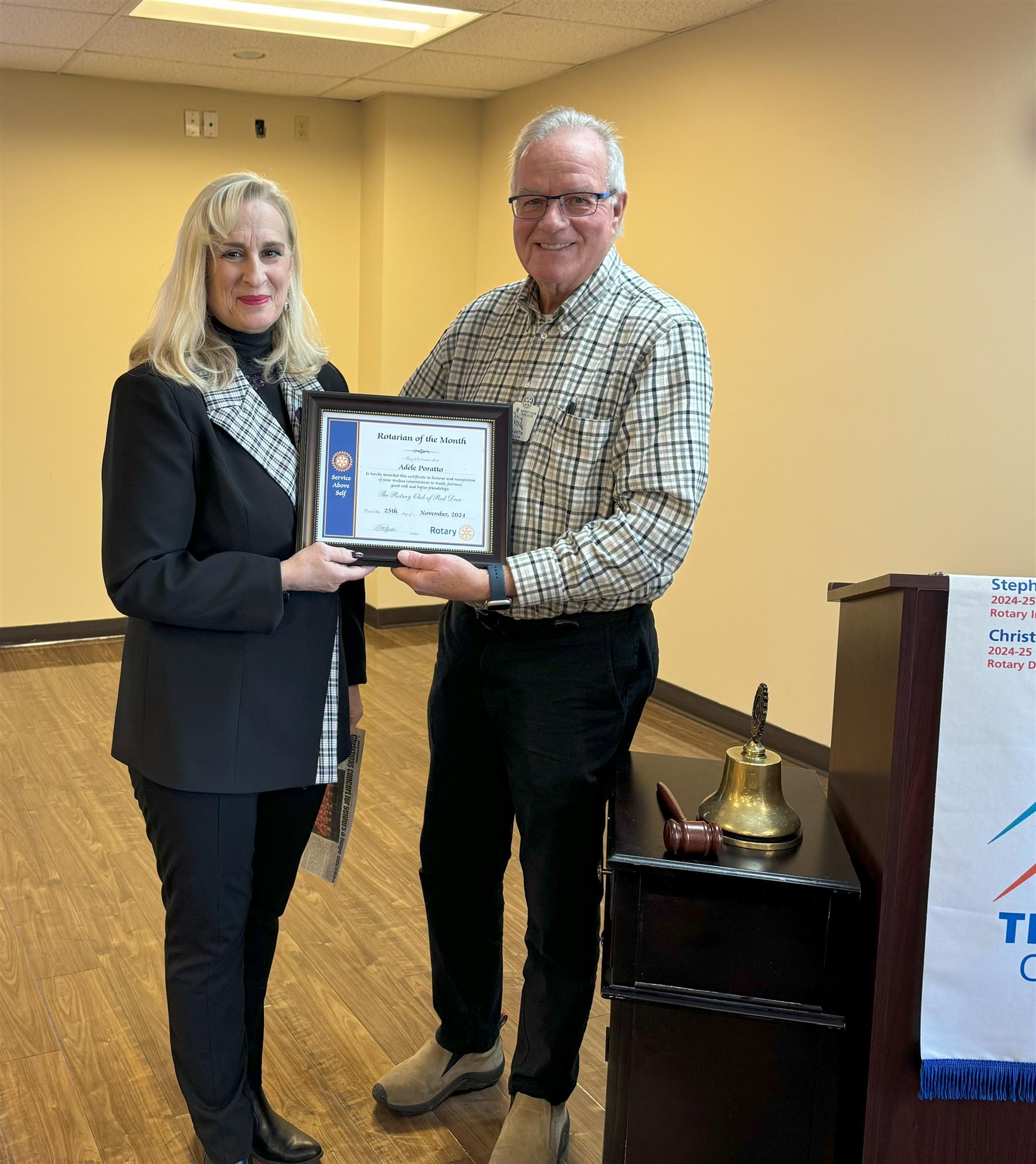 Congratulations to Adele on receiving this award during the month of November for her dedication to the Rotary Senior's Christmas Concert. Adele is an excellent example of living the 4 Way Test in all that she does. Her leadership made it possible for the concert to grow in its success over the years. We thank her for sharing her gifts and talents as she makes Rotary visible to our community.

.png)