.png)
Melinda Mills, MBE, FBA is a professor of Demography and Population Health at the University of Oxford and Nufield College where she is the Director of the Leverhulme Centre for Demographic Health. Always a popular speaker, Melinda is welcomed each year as she expands our knowledge of the role of demography in our society. 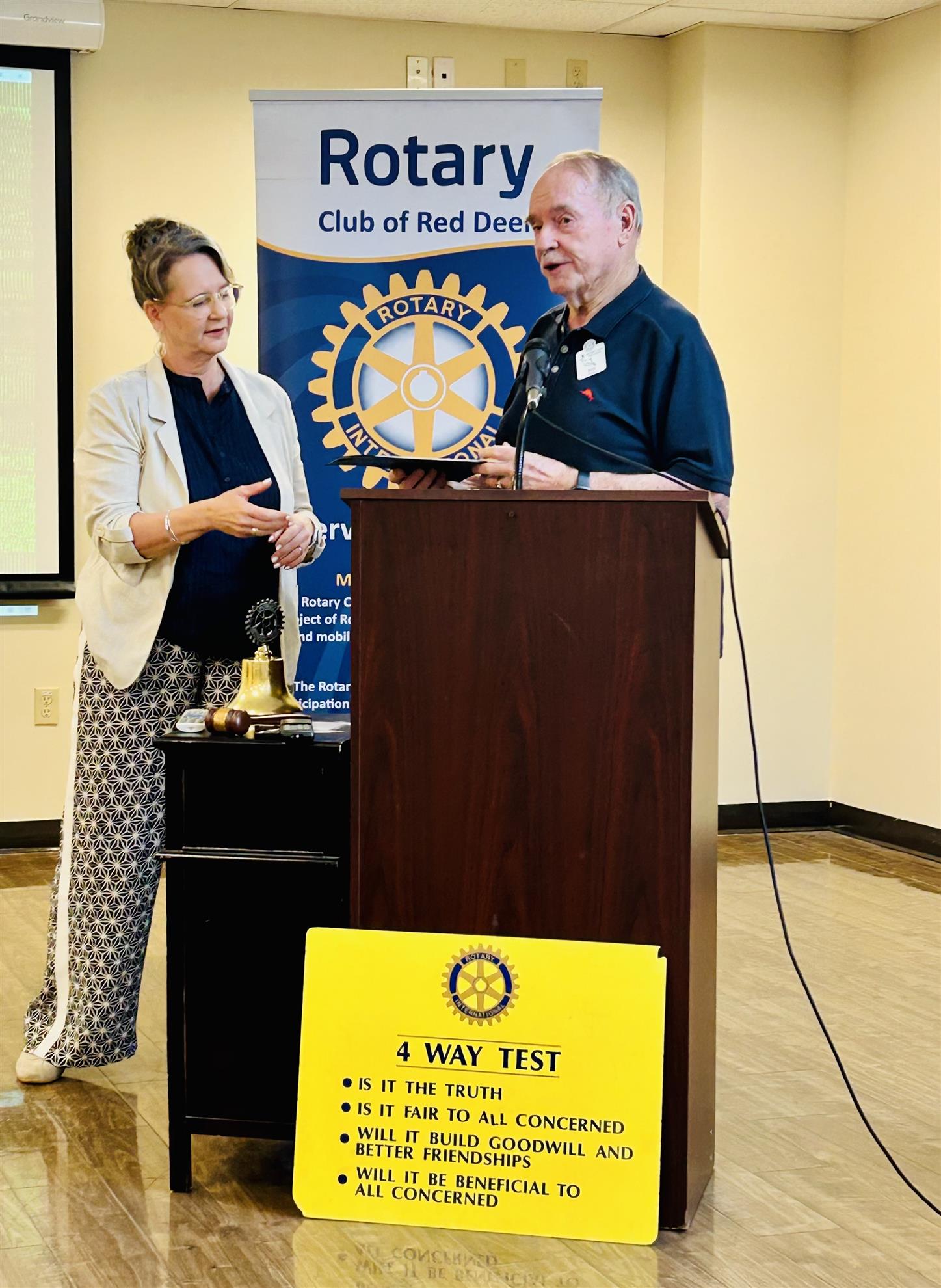 Melinda shared information about The National Conversation, a major UK-wide public listening initiative, inviting people right across the country to share views on community life and the kind of communities they want to build together. It is an opportunity for members of the UK to have their say on what they would like their country to be. This study hopes to reveal what factors tear apart a community and what brings them together. Preliminary findings and general trends were also presented. This is timely as there may be many similarities between trends in both the UK and Canada, particularly as Alberta approaches the Oct 19, 2026 referendum vote.
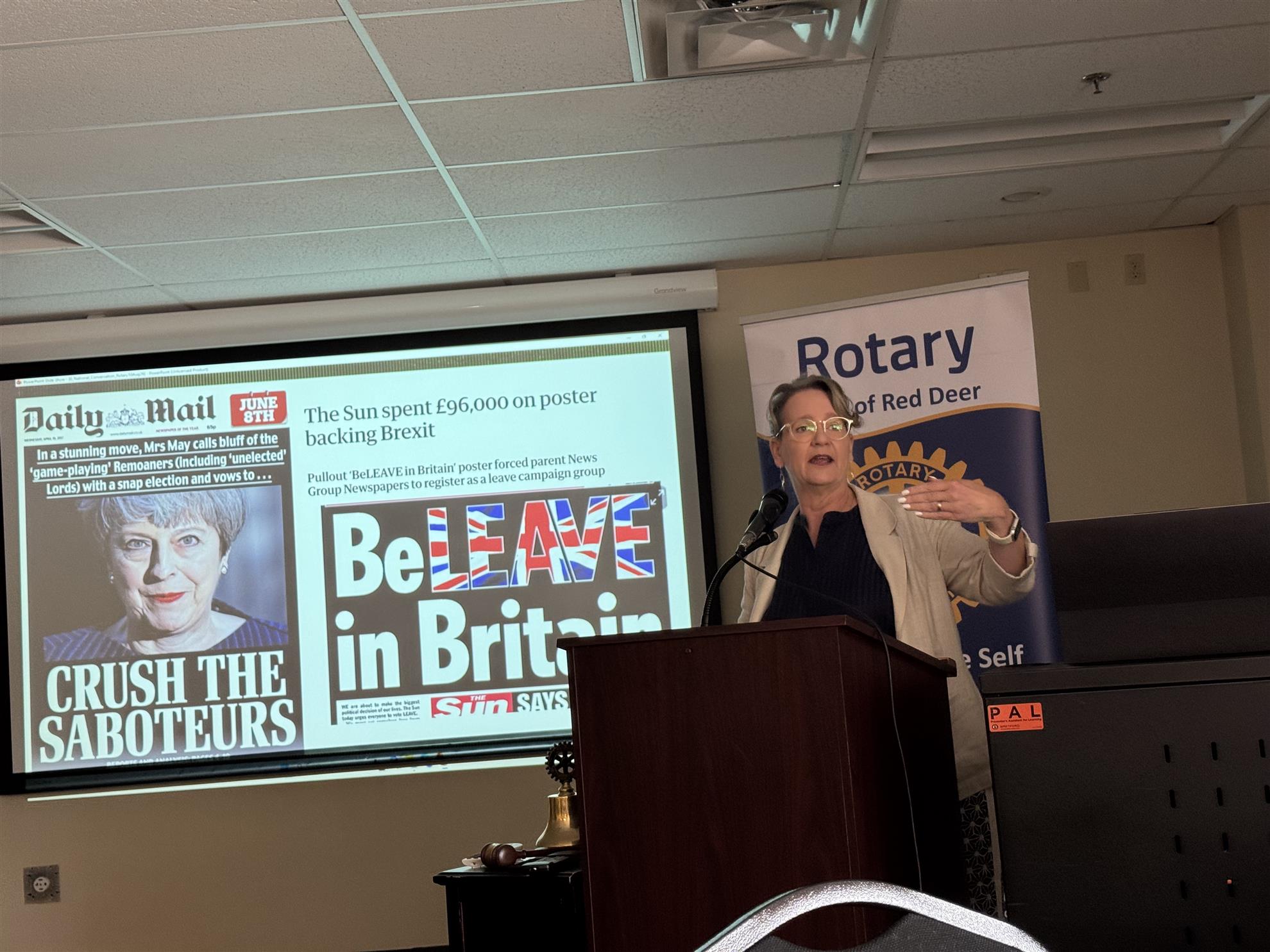
The context for The National Conversation includes tension in the UK between national and regional identity at a time where there also exists high political and cultural polarization. There is currently a historic low level of trust in politicians and many divisions around issues such as the legacy of Brexit, immigration, high cost of living, social media influence, and the erosion of local institutions. It looks at trying to understand what factors may play a part to unify or break apart a country or institutions. Participants were encouraged to write or leave a verbal response to questions about what creates a sense of belonging, confidence in local governance and public services, community engagement, personal safety, view of the state of the nation, and the role of media and information sources. High profile influencers were involved in the large scale media campaign encouraging citizens to participate and share their thoughts. Melinda shared that the oral responses were often very emotional, reflecting the desire of participants to share experiences both positive and negative.
Preliminary results were shared that indicated that there was a stronger sense of participants feeling they belonged more to the UK and nation than to their local areas or communities. They were satisfied with the support provided for the National Health Service and local neighbourhood services such as garbage collection. a high level of dissatisfaction was expressed for support provided by local authorities for roads, schools, and social care. Most respondents reported that they engage in community activities and would support someone in their local area who required assistance. A large number (45%) reported that they had seen or heard someone in their community being treated disrespectfully. There was a perception that the country was being divided and a pessimistic view of the future. Information about events and issues was obtained through social media as opposed to traditional news sources such as the nightly news or newspapers. The data received so far reflected a viewpoint that social media, members of the far right, and concerns regarding illegal immigration were the most divisive influences for the country. Factors that unite the UK included the Royal Family, a sense of shared history, love of sporting events, the unique British humor and the commitment to shared values.
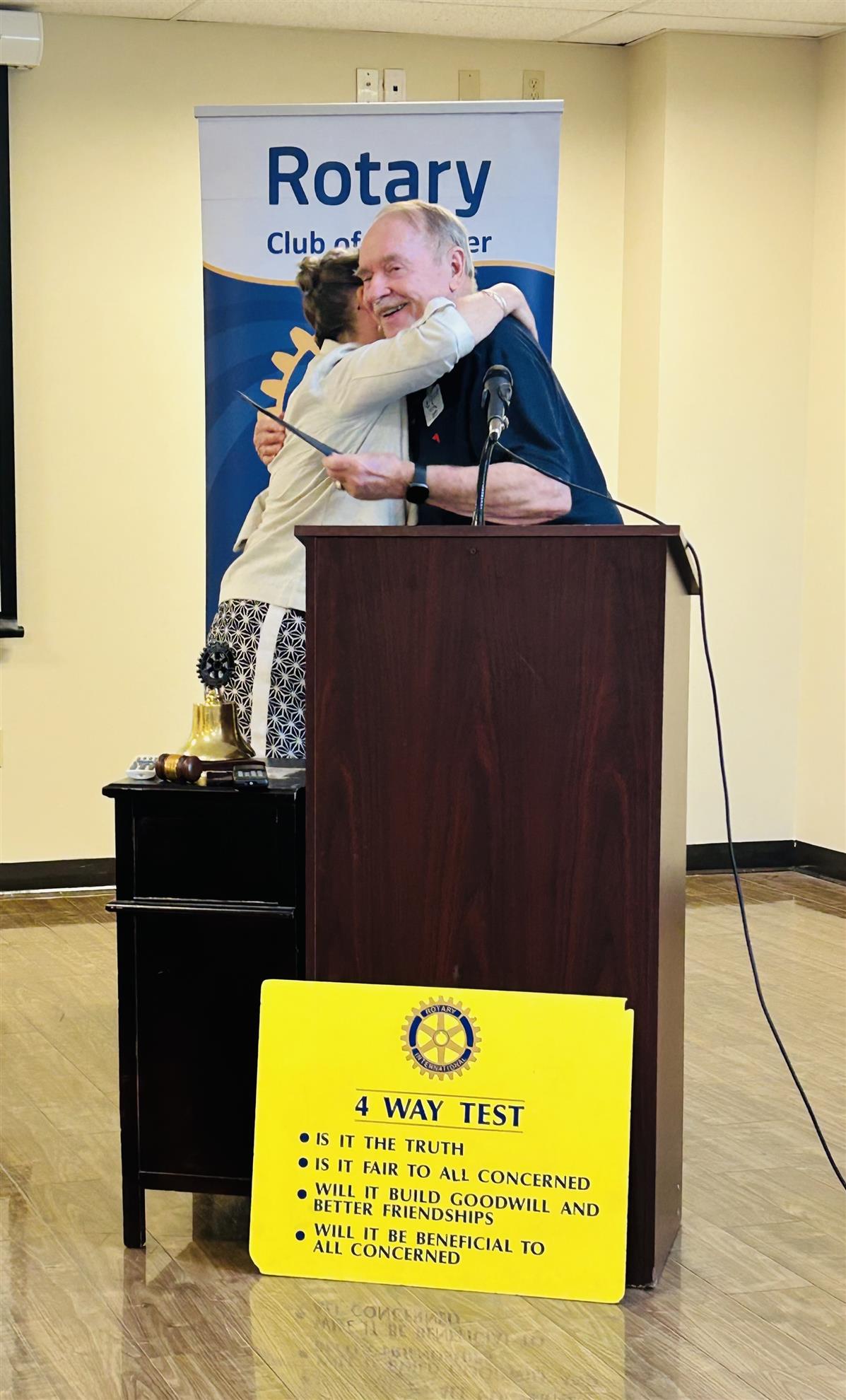
Melinda was thanked by her biggest fan, her father Bob Mills. We look forward to her next visit and the final results of the study. Melinda's topics always generate great discussions!