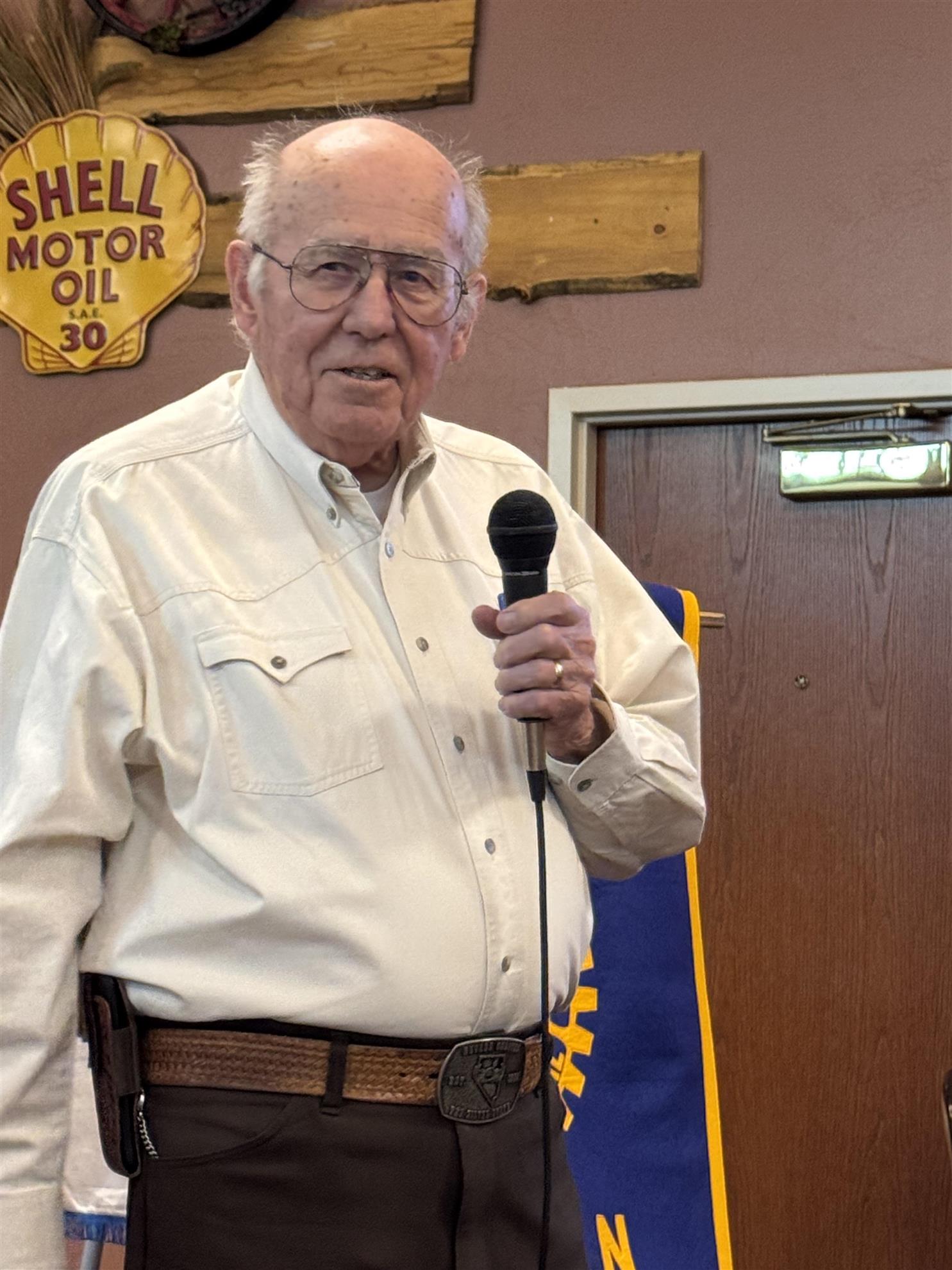
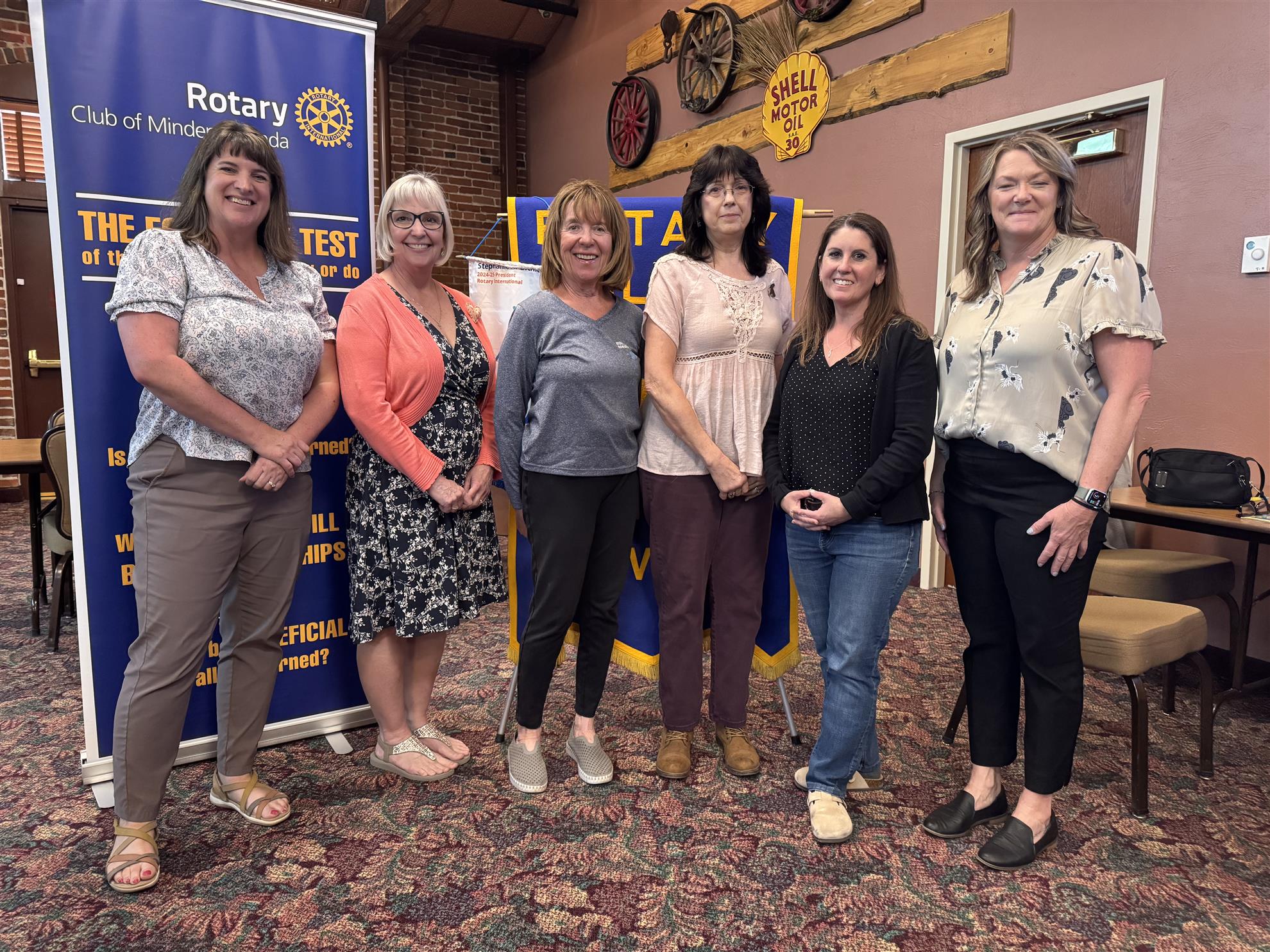
Local Historian Bob Ellison dazzled the audience with his wealth of knowledge of the Carson Valley at the Minden Rotary Club meeting on April 10th. Ellison is a longtime resident and author of four books about the area including “First Impressions: The Trail Through Carson Valley 1848-1852”, the topic of his presentation to the Rotary Club.
According to Ellison, 1848 was the start of recorded history in the valley when three guys, Azariah Smith, H.W. Bigler and Ephraim Green, kept journals of their travels. They were Mexican War Veterans who probably made the longest march of the war when they traveled from Council Bluff to Santa Fe to San Diego by which time the war was over. When they communicated with their leaders and families who were simultaneously starting to build Salt Lake City, they were asked to work a year in California before returning to them. They were requested to purchase as much livestock, seed, farm implements and other items as they could to help build up the new city. Some of the veterans went to work for John Sutter building a sawmill and made the discovery of gold in the mill's water ditch. When they set out to join their families during the spring of 1848, they didn't want to use the route of the Donner Party because of the horrible tragedy it was known for. They created a route east following the ridge line to the summit at what later became Carson Pass, then down into the valley they named Hope Valley. What later became Woodford Canyon, because of its treacherous crossings, then took 5 days. Their route through Carson Valley established what would later become Pioneer trail and Foothill Roads. Their trip along the western edge of the valley became the first record of a wheel rolling along the valley's floor. The pioneer path took them over to where Dayton is today and then followed the Carson River to its sink. From there the journey was over to the Humboldt River, eventually making it to the future Salt Lake City settlement. Along the way, they told westward travelers about the discovery of California's gold and the new route they had established.
The Gold Rush boom in 1849 brought new emigrants through Carson Valley as the major northern route. One of those travelers, Abner Blackburn came from Salt Lake City and is credited with the first discovery of gold in Nevada. A stop at the site of present day Dayton started his curiosity - if there is gold on the west side of the Sierras, why not the east side? He found the gold in 1849 and came back with friends in 1850 having decided there might be more money in establishing a permanent trading post in Carson Valley than panning for gold.
In the summer of 1851, Col. John Reese arrived from Salt Lake City to establish his trading post on the site Blackburn and others had chosen the year before. The name continued on as Mormon Station. Col. John Reese and his brother Enoch were one of the first three mercantile companies to establish themselves in Salt Lake City. This same year, The first mail contract was granted to haul the mail from Sacramento to Salt Lake City. The contractors, George Chorpenning and Absalom Woodward then established a station and corrals at Reese's post, for what others were soon calling the Jackass Mail Service. The contractors also made Mormon Station the first post office in what would later become Nevada. This same year there was an Indian war going on in El Dorado County, California, and a state militia unit was sent over the mountains to protect emigration from the sink of the Carson River to the Sierras. Because of this activity, the residents, about twenty in number, decided to form a populist government. A Recorder, Justice of the Peace and a Sheriff were elected and the first government record book in Nevada history was began.
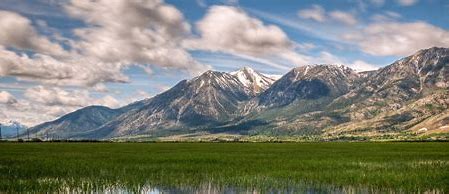
In summary, the early growth in the Carson Valley was due to a group of travelers looking for an alternate route across the Sierras, the following gold discovery and the beauty of our valley mentioned so often in the journals of those passing through.


.png)