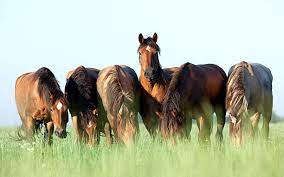
Most wild horses in Nevada fall under the jurisdiction of the U.S. Bureau of Land Management (BLM). However, in 1984 the BLM declared the Virginia Range “wild horse free.” As a result of this declaration, the Virginia Range horses are legally considered estray/feral livestock because they are not within a BLM herd management area. Horses that have migrated over time or have been “turned out” onto the Virginia range fall under jurisdiction of the Nevada Department of Agriculture (NDA).
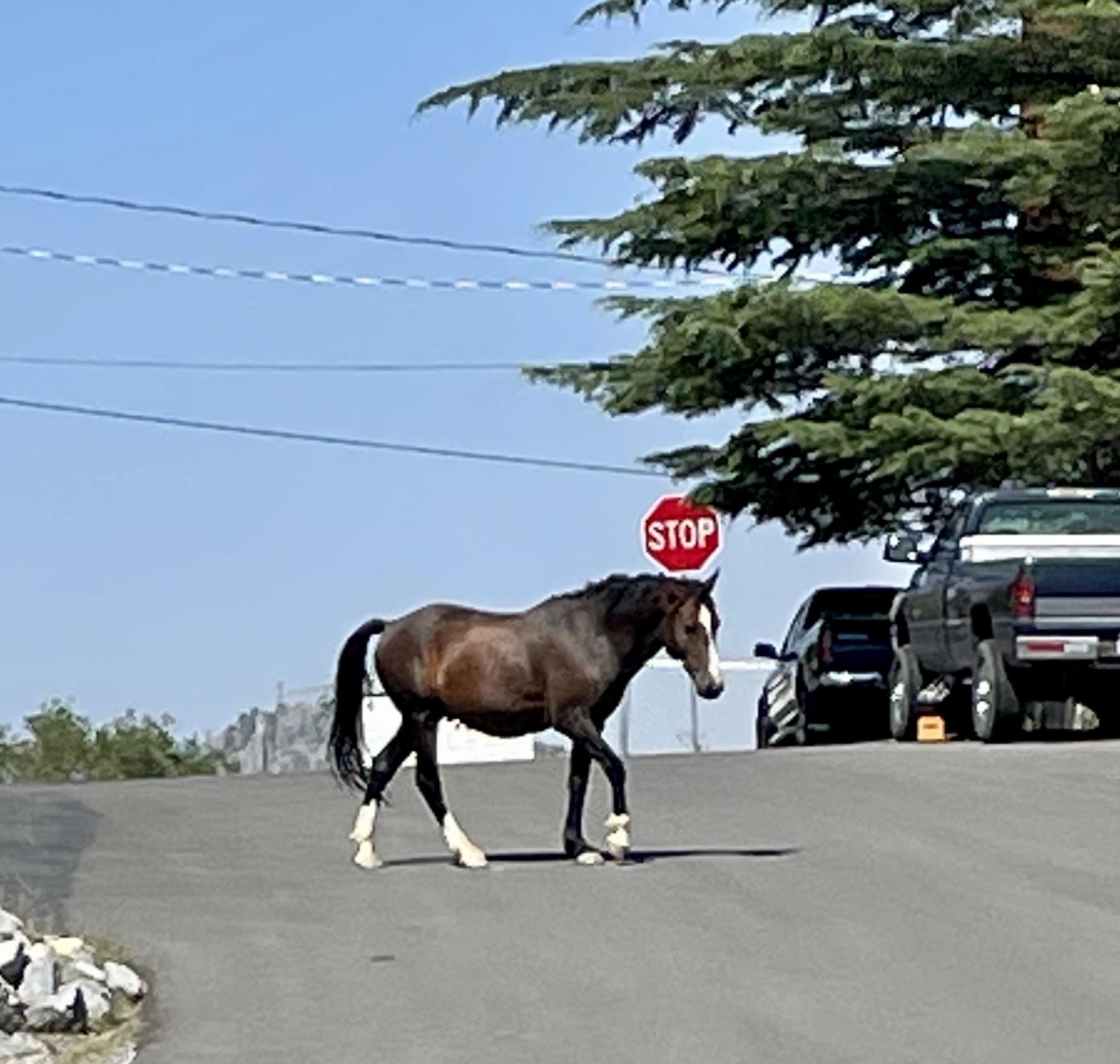
Four major highways border the Virginia Range, as well as a number of residential areas. From late summer into winter, as forage and water sources diminish, estray horses move from the range and into urban areas searching for feed and water. Horses crossing roadways and entering residential areas may be involved in vehicle collisions and human interactions.
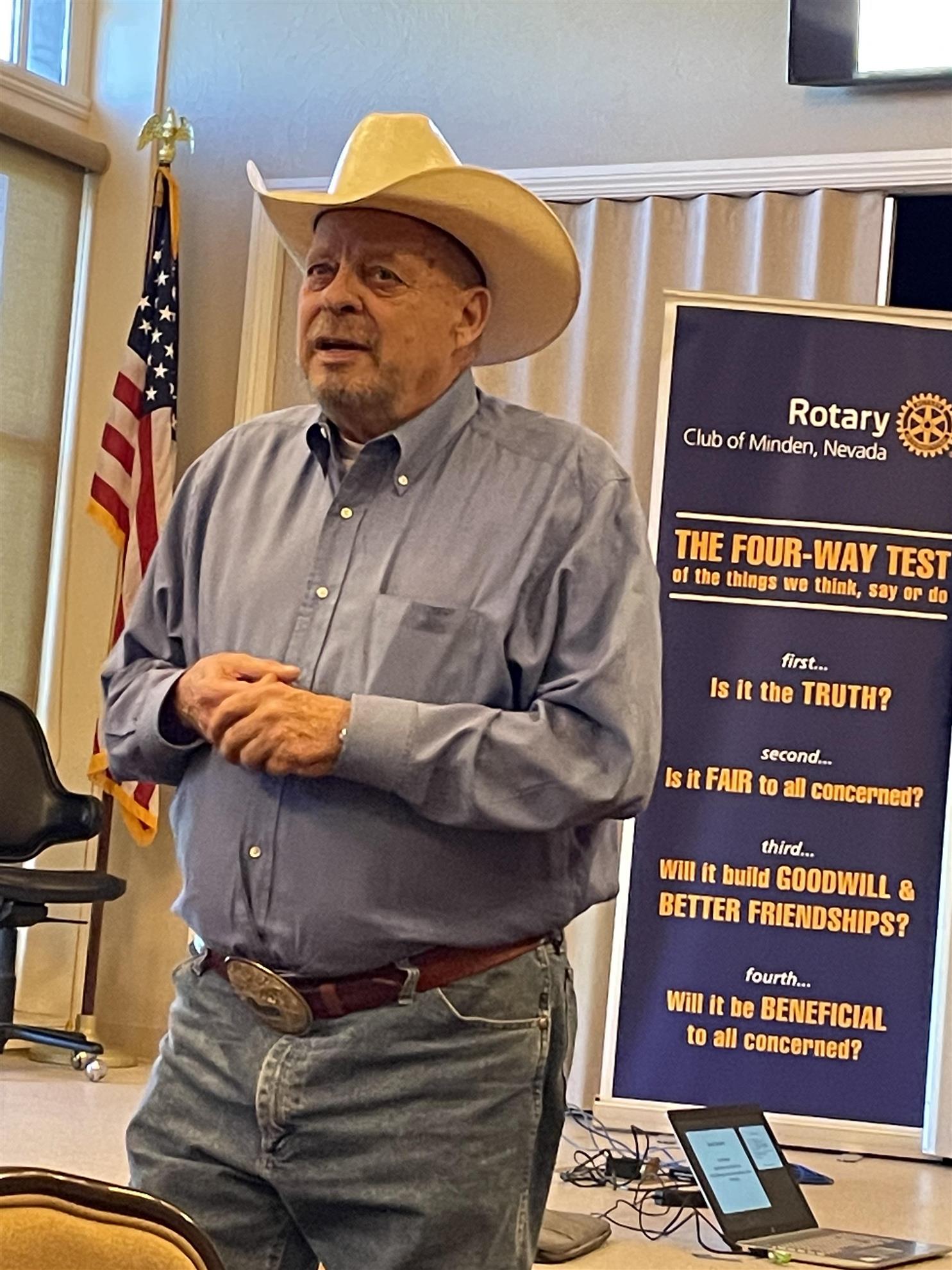
Mr. Wheeler had been working on horse-related issues during his tenure in the Assembly. where he worked on a bill (NRS 569.040) that made it illegal to feed/water wild horses. Governor Lombardo asked Mr. Wheeler to head the Virginia Range Feral Horse Program. The NDA received a federal grant about seven years ago to support this position and create fencing and road partitions (cattle guards) throughout the VA Range. Mr. Wheeler has been in this position for two months.
Unmanaged feral horse populations grow quickly, doubling in size every few years. Currently, it is estimated that there are 3,400 horses in the VA Range. NDA states that the maximum capacity of feral horses is 600, however, Mr. Wheeler feels that it could support about 1,500. Public support is for maintaining the herd at a safe level and is against Round-ups. Only about 5-10 horses are adopted per year. Some people adopt horses and release them back into the VA Range. With a herd this large, the horses have forced out other wildlife populations primarily the Big Horn Sheep. The large herd also causes major damage to flora/fauna by over grazing and migration tearing up the landscape.
The NDA partners with advocacy groups such as the American Wildlife Association (AWA) for fertility control and management of the Virginia Range horses. Mares are “shot” with a birth control cocktail. The shot needs to be done about every six months. If they are successful the mare will be infertile after five years. The AWA operates almost exclusively through donations. According to the AWA, in 2019 the foal count was 219 foals, this year there were 53. It took about 30 years to get the big numbers of horses. It will take probably 10-15 years to get down to sustainable numbers.
The NDA gathers and removes or relocates horses when they are a public safety concern. Public safety concerns include livestock that are in close proximity to unfenced roadways and residential areas. It is a violation of NRS 569.040 to feed estray/feral horses. Despite the public’s best intentions, feeding horses only draws them out of the range and brings them into urban areas. This poses a direct threat to public safety on roads and in neighborhoods. In residential areas, probably half of the residents feed the horses and half don’t. It should be noted that feral horses are not “used” to eating apples and carrots and this can cause the horses to become colicky. Additionally, like any other feral animal living in the wild, if there is not sufficient forage, feral livestock is expected to migrate to survive.
The NDA investigates feeding complaints, enforces the no-feeding statute with warning citations, and issues fines of up to $2,000 and charges of a gross misdemeanor if feeding continues after one warning citation has been issued. Be careful and keep your distance from these majestic horses of the VA Range.
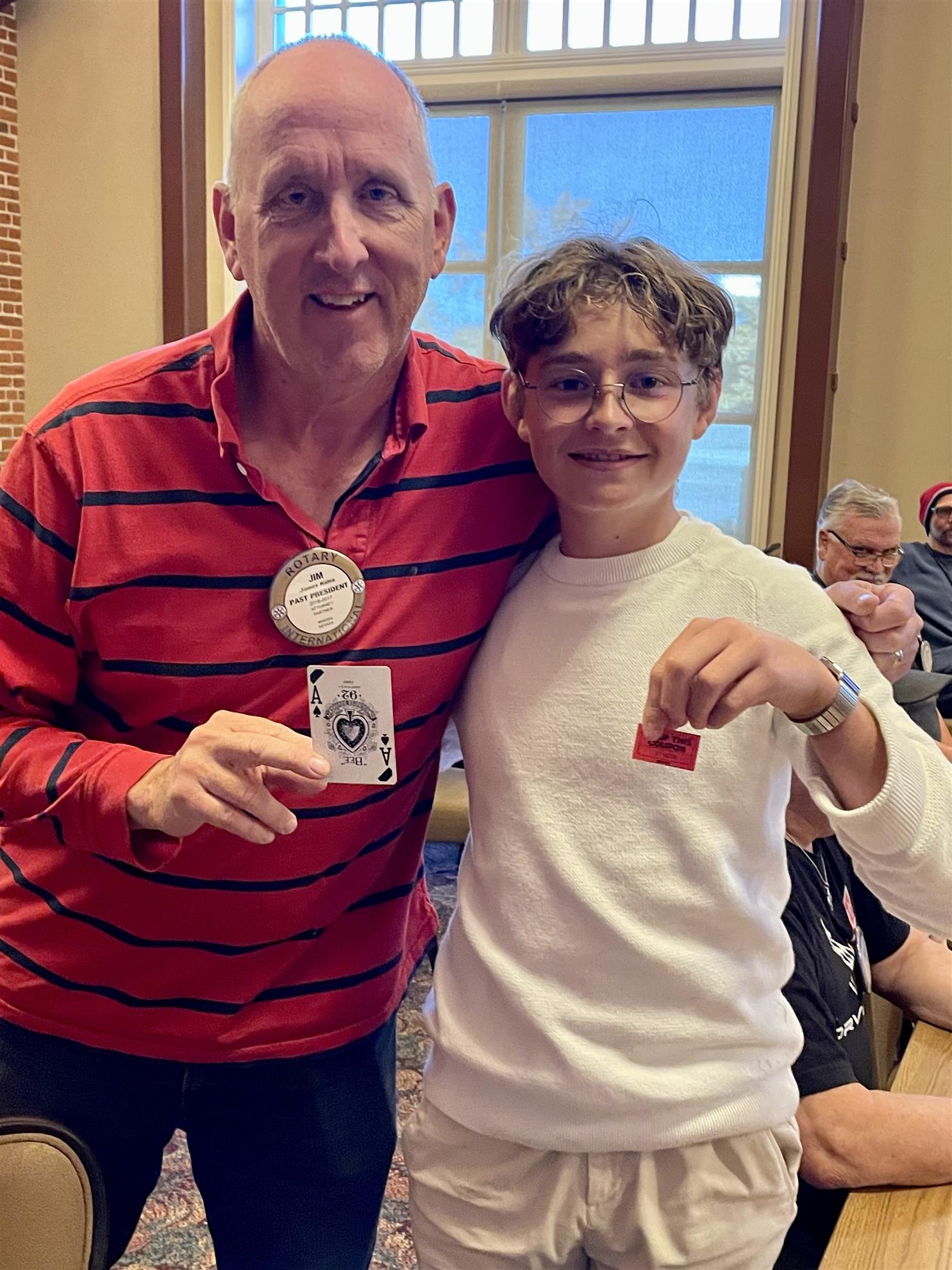
Jim Wheeler Bio: Jim served in the Nevada Assembly 2013-2021 representing the 39th District covering Minden, Gardnerville & Dayton. Assemblyman Wheeler served in the US Air Force and attended the University of Southern California. His hobbies are golf, horse reining and automobile racing.



.png)