
Tom Conelius, a retired police officer and former Chief of Police of Parker, gave a talk on Fraud, Scams and Identity Theft. Examples of fraud/scams include claiming to own property and then renting it out, calls from the IRS and threatening jail unless back-taxes are paid and fake sweepstakes and lottery winnings that require you to pay taxes or fees to collect the winnings. Identity theft is rampant and occurs when someone uses your personal information (name, address, date of birth, SS number, etc.) for personal and financial gain. The result can be draining your bank account or opening credit accounts in your name and obtaining money, merchandise, property or other valuables. In many cases the theft will immediately buy gift cards with your debit or credit card data and some have purchased homes in the name of the victim. Many of the thieves are drug addicts and need money for their habits.
Anyone and everyone can be a victim of scams. Older adults are vunerable because they may have more savings, good credit, own property, be trusting, be lonely and less likely to report scams due to embarrassment, not knowing they were victimized or feel the money can't be recovered. Common scams include sweepstakes/lottery winners, "Help me Grandma", law enforcement has a warrant for your arrest, Medicare needs your private information and Microsoft/Apple says your computer is "infected" and needs access to it. Other common scams: bogus charity solicitations, phony debt collectors, home repair scams, investment scams (ponzi and pyramid schemes) and work at home scams.
Its usually fraud if it is too good to be true, unusually high returns are promised, you have to pay money to get money, you have to pay by wire, you received items you didn't order, you don't get expected bills or statements (mail theft), finding items you didn't buy on your statements and finding credits checks you didn't ask for.
Identity theft is the number on complaint at the Federal Trade Commission - billions of dollars are lost every year and Colorado ranks in the top 10 states for ID theft. It can take hundreds of hours and thousands of dollars to clear your name from ID theft in addition to the money you lost in the crime.
The most common methods thieves use to target you: steal your mail, look through your trash, skim card numbers or copy them down, steal wallets, purses and laptop computers, breach data bases, trick you into providing information and send you emails with viral software (never open attachments or links). You have likely been victimized if you don't get bills or statements, there are unknown charges on your statements, your credit gets denied for no apparent reason, you receive new credit cards you didn't apply for or receive calls from debt collectors for items you didn't buy.
To protect yourself deny access to personal information, use updated anti-virus/anti-spyware software, use paperless bills and statements, cross-cut shred sensitive information, never give private info by phone, computer or in person unless you initiated the contact and trust the recipient, make sure wireless home networks are protected, use complicated passwords and stop your mail/newspapers before going on vacation or arrange for someone you trust to pick them up. Beware of sharing too much info on social media, limit the number of credit cards you have, cancel inactive accounts and keep a list of cards and ID's (front and back) and notify issuers immediately if they are lost or stolen.



.jpg)
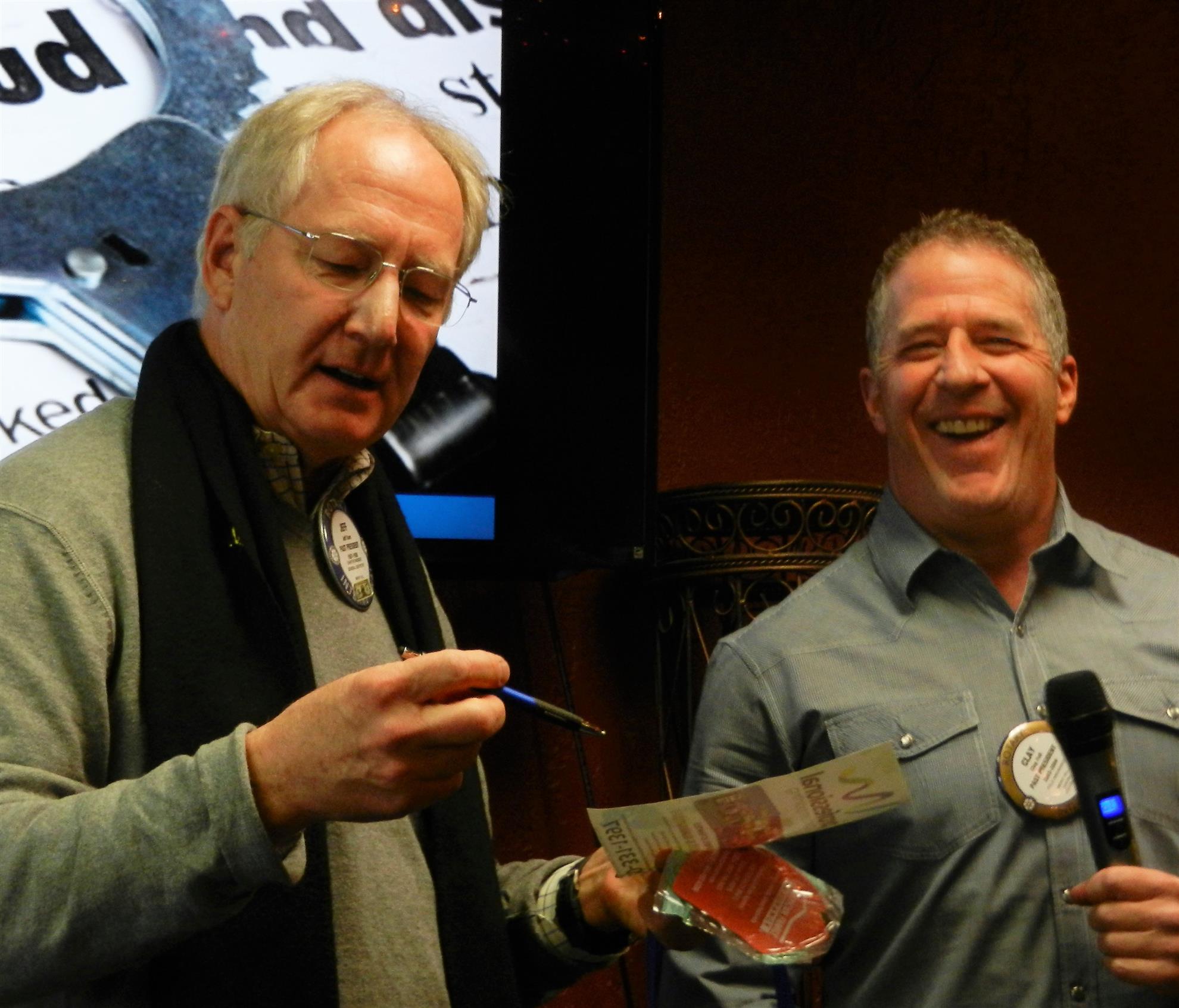
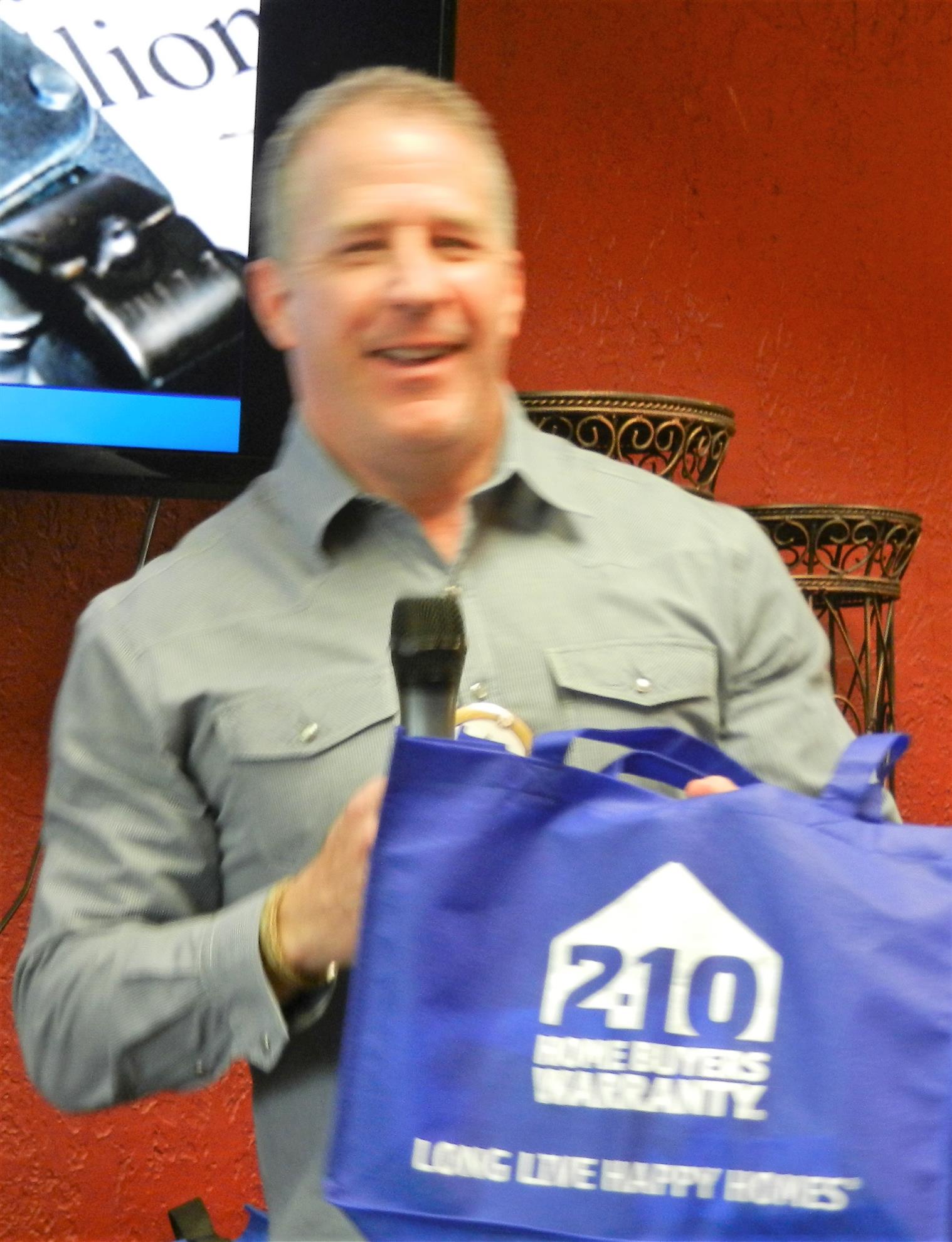
.jpg) freshener, a hands free cell phone adapter (rubber band large enough to fit around your head) and the People of Walmart coloring book! Clay was pretty pleased with himself and confident he has a shot at winning the starting position as Sgt-at-Arms. Coach Talee Crowe has a difficult decision to make … but was it in the spirit of Rotary's Four Way Test when Clay was spotted taunting Jim with hand and face gestures in the parking lot after the meeting? Sadly, a picture from the Rotary archives revealed the same gestures began when Clay was just a lad.
freshener, a hands free cell phone adapter (rubber band large enough to fit around your head) and the People of Walmart coloring book! Clay was pretty pleased with himself and confident he has a shot at winning the starting position as Sgt-at-Arms. Coach Talee Crowe has a difficult decision to make … but was it in the spirit of Rotary's Four Way Test when Clay was spotted taunting Jim with hand and face gestures in the parking lot after the meeting? Sadly, a picture from the Rotary archives revealed the same gestures began when Clay was just a lad.