News of The Rotary Club of Portland, Maine November 2, 2020
Insider's View of C-SPAN
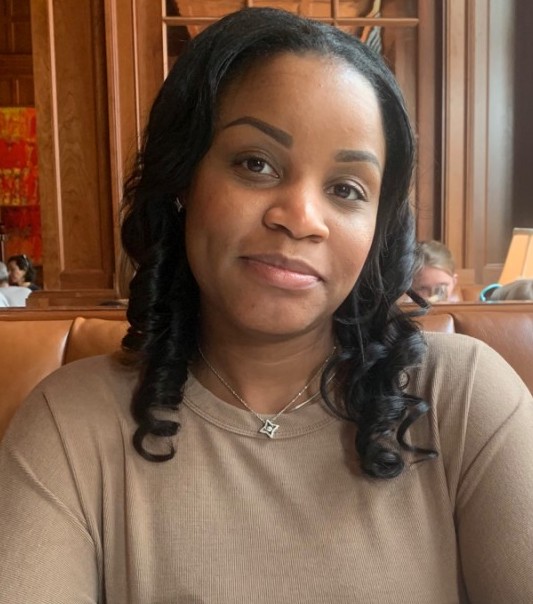
April Ranger has been with C-SPAN’s community relations team since 2019. She coordinates and leads presentations to educate students, civics groups and others about C-SPAN’s unfiltered mission and how its resources provide a window on Washington. C-SPAN is a non-profit created in 1979 by a then-new industry called cable television, to provide gavel-to-gavel coverage of the workings of the U.S. Congress, both the House and Senate, all without editing, commentary or analysis.
A graduate of the University of Maryland, Ranger taught in the New York City and D.C. areas for 13 years, then returned to the nation’s capital in search of a new chapter in her career. She joined C-SPAN as a receptionist before shifting gears into a community relations role.
While she’s been a member of the C-SPAN family for just over a year, April is no stranger to the public affairs network. She’s been an avid fan since growing up with her grandmother in D.C. In her spare time, she enjoys cooking with her nieces and nephews and teaching virtual Sunday school. When her TV isn’t tuned to C-SPAN, you can bet it’s turned to a good comedy.
Welcome New Member Sam Silver
President Ellen Niewoehner welcomed Sam Silver to Portland Rotary, noting that he had joined the crocus bulb planting project. Bruce Jones sponsored Sam, but had difficulty with his Zoom connection so while Sam introduced himself at Friday’s meeting, Bruce’s introduction is included here.
Sam grew up in Portsmouth, NH and attended the University of New Hampshire where he participated in the outing club and competed with the UNH Fencing team. In his sophomore year, he joined the Reserve Officer Training Corps. In 2011, Sam graduated with a Mechanical Engineering degree and was commissioned as an officer in the U.S. Army Corps of Engineers.
Armed with the knowledge of building bridges, project management, designing airfields, and roads, Sam was stationed at Fort Wainwright in Alaska assigned to a combat engineer platoon. Combat engineers delve into the more fun side of the Corps of Engineers–blowing up bridges, destroying airfields, and breaching roadways. He led a team of 30 through various exercises in a harsh and extreme environment–35 degrees below zero and living in tents!
After a 4-year stint in the service, Sam transitioned to a civilian career and moved to Weymouth, MA where he got his first exposure to Rotary. He joined his Mom at her Rotary meetings and helped her with various projects and committee work. He noticed the parallels between Rotary and the Army–placing service above self and that groups of people can come together for something bigger than themselves.
Since moving to Portland, Sam has worked in financial services with New York Life.
He and his dog Elsa live in the Longfellow Square area of Portland. He’s an avid home chef and enjoys hiking, running, and his daily 5-mile walks. He currently serves in the Army Reserves and is still with his unit in Anchorage, traveling there for a week every 3 months. Sam is also involved with Junior Achievement, the American Heart Walk and the Center for Grieving Children. Sam loves Portland and is excited to have the opportunity with Rotary to give back on a local, regional and international basis. I think we’ve just added to our Community and International Service Committees today!
Bits and Pieces | by Dick Hall
President Ellen Niewoehner wished all a Happy Halloween at our October 30, 2020 meeting, but was disappointed not to see any costumes. Tom Ranello had a Santa Claus costume beside him in his car, but because he was driving, we could not get an explanation.
David Small shared a thought for the day:
If you want happiness for an hour — take a nap.
If you want happiness for a year — inherit a fortune.
If you want happiness for a lifetime — help someone else.
Our guests included Kirk Duffy, who is with us until it gets too cold and he heads south. Christine Force introduced her boss Sarah Hansen, Executive Director of Greater Portland Landmarks; Rusty Atwood introduced Christina Traister, Director of Advancement at the Maine Historical Society.
Amy Chipman extended thanks to all who came to the Eastern Trail to plant 1000 crocus bulbs last Saturday morning. It only took 45 minutes. Look for purple flowers at Rotary Grove next spring.
Amy Chipman is chairing the nominating committee this year. The committee needs to fill several positions including 2nd Vice President, two Board members and a Secretary. The committee members are Bruce Jones, Bob Martin, Mike Fortunato, Bowen Depke, Bill Blount, and Patty Erickson. Nominations from the committee will be announced December 11, and other nominations will be accepted from the floor. Voting will occur at the meeting of December 18.
Roger Fagan told us because of the bleak health situation in the Dominican Republic, the hearing project trips could not occur. The Good Samaritan Hospital in La Romana was turning people away because of the lack of protective equipment. Portland Rotary redirected its hearing project budget of $5,000, with an additional $1,000 from the Brunswick Rotary Club, and donated $6,000 to the hospital for PPE for staff and other supplies. Roger showed slides of hospital staff members doing surgery and going to the batayes (communities in the sugar cane fields) to educate people on COVID needs.
Roger said that the needs of the hospital continue to increase due to the pandemic and that a $30 donation would go a long way to help. Anyone interested in supporting this project should send a check to Elise Hodgkin made out to The Rotary Club of Portland, Maine and note COVID DR in the subject line.
A Quick Spin Through State History | by John Marr
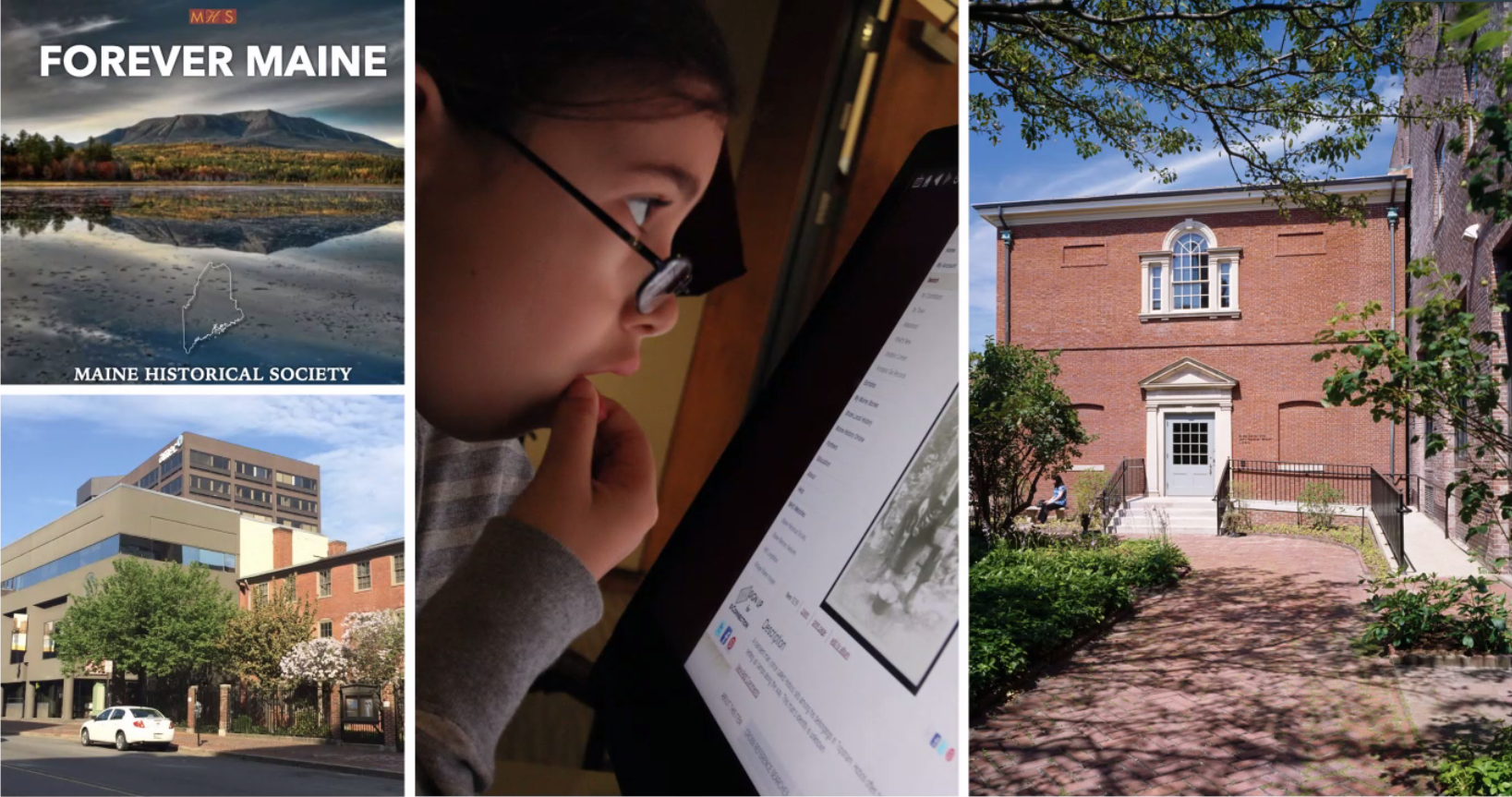
Rusty Atwood gets some of the most interesting guest speakers to regale, entertain, and educate us, and our most recent meeting was his trifecta, and another winner, to be sure. Rusty introduced Steve Bromage, the Executive Director of the Maine Historical Society (MHS) who related the story of how Maine came into the United States two hundred years ago.
The Maine Historical Society is remarkably 198 years old and still going strong and staying young with Maine Memory Network, which has digitized many of historic pieces that explain how we came to be. With this Network, there’s no need to go to the library or catacombs to search, gather and explore mounds of information to understand what, when, and how events took place leading to the development of the State of Maine. With a computer, you have the key unlocking the vault containing the history of the state gathered by the dedicated researchers of the MHS who are committed to preserving and sharing the story of Maine.
Our history goes back about 15 thousand years to the time when the Wabanaki people inhabited the mythical lands of Norumbega. While our formal statehood took place in 1820, Mr. Bromage helped us to understand the history preceding that event. He said, “every person and place has something worth sharing,” to develop a clearer understanding of how we were cleaved from The Commonwealth of Massachusetts. Many of us are familiar with the somewhat ugly Missouri Compromise that helped Congress accept Maine as a “free state,” but much went on before that which prompted both the federal and state political powers to move to create a new state. For example, before we declared our independence, the British fought the French and Indian Wars and suffered the financial consequences and historical implications the tax on tea brought. Later, the Commonwealth fought the people in Aroostook with similar financial implications that prompted the thought of giving the ingrates to their north the luxury of statehood.
The idea of “two Maines” is nothing new according to Mr. Bromage. It seems that the inland denizens were of a vastly different mindset than the more affluent mercantile communities along the coast, and pushed for sovereignty. Between 1782 and 1819, several petitions were put forth by the inlanders to move for separation from Massachusetts. During the War of 1812, the Commonwealth did little to protect Maine from the ravages of the British, creating a bitterness in the northern populace and a financial pinch in Massachusetts, making Maine’s statehood wanted by both parties.
Obviously, the events which created Maine are long in time, many in count and complicated in the entirety, so the recounting, per Mr. Bromage, was “quick and dirty” given time constraints, and to entice us to become further educated. He suggested three preeminent works of Maine history to sate those wanting more: Maine Becomes a State, by Ronald F. Banks; Liberty, Men and Great Proprietors, by Alan Taylor; and, The Lobster Coast, by Colin Woodard. If you wish to take an easier tour, become a member of the Maine Historical Society and review the Network.
Moment of Reflection
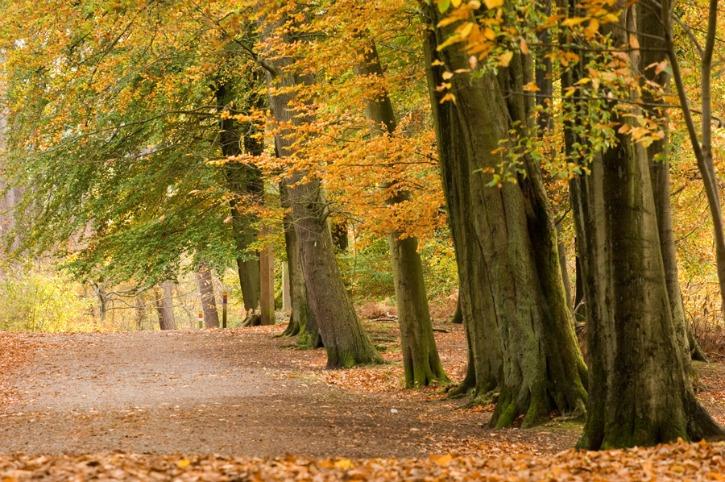
When I Am Among the Trees
by Mary Oliver
When I am among the trees,
especially the willows and the honey locust,
equally the beech, the oaks and the pines,
they give off such hints of gladness.
I would almost say that they save me, and daily.
I am so distant from the hope of myself,
in which I have goodness, and discernment,
and never hurry through the world
but walk slowly, and bow often.
Around me the trees stir in their leaves
and call out, “Stay awhile.”
The light flows from their branches.
And they call again, “It’s simple,” they say,
“and you too have come
into the world to do this, to go easy, to be filled

 She coordinates and leads presentations to educate students, civics groups and others about C-SPAN’s unfiltered mission and how its resources provide a window on Washington. C-SPAN is a non-profit created in 1979 by a then-new industry called cable television, to provide gavel-to-gavel coverage of the workings of the U.S. Congress, both the House and Senate, all without editing, commentary or analysis.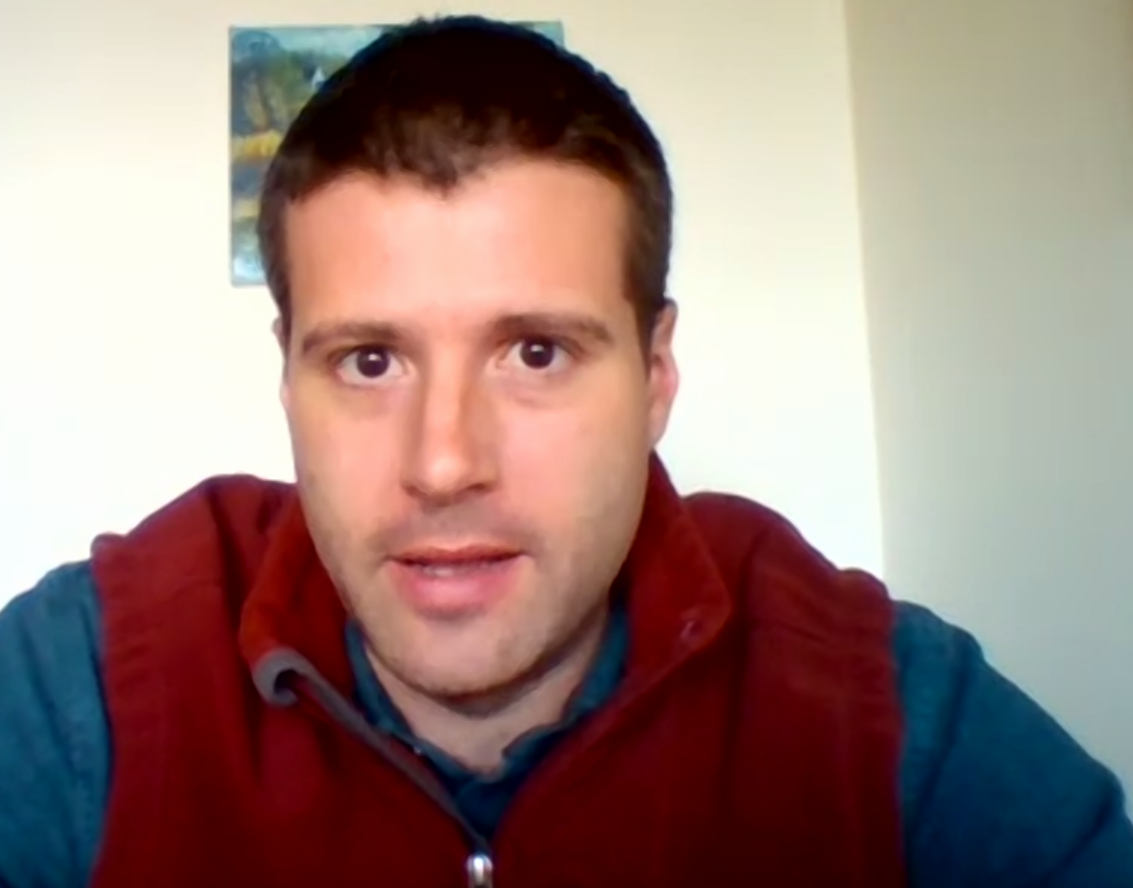
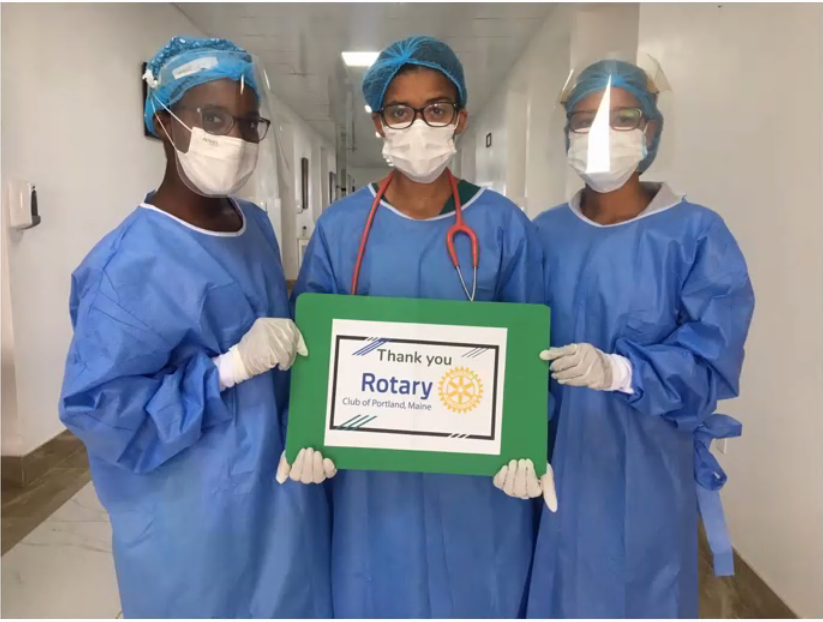 with an additional $1,000 from the Brunswick Rotary Club, and donated $6,000 to the hospital for PPE for staff and other supplies. Roger showed slides of hospital staff members doing surgery and going to the batayes (communities in the sugar cane fields) to educate people on COVID needs.
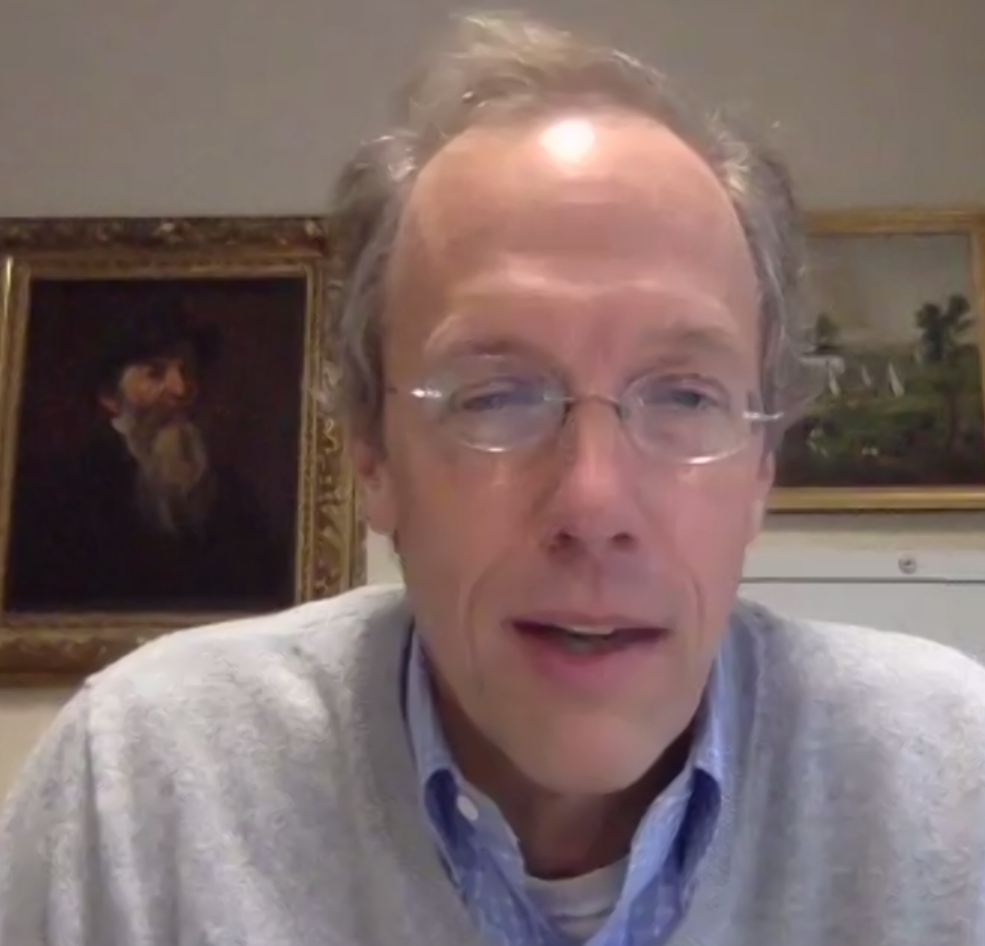 , entertain, and educate us, and our most recent meeting was his trifecta, and another winner, to be sure. Rusty introduced Steve Bromage, the Executive Director of the Maine Historical Society (MHS) who related the story of how Maine came into the United States two hundred years ago.