banner
 
 
Rotary Club of Ann Arbor North 
Information.
 
Meeting location is at Dixboro United Methodist Church at 5221 Church Street Ann Arbor, MI 48105 View Map.
 
Go to the Upcoming Events section on this website,
for the meeting you want to attend, to find the
Zoom link.
 
      Day of the Month       Event     Time
First Monday of the Month Board Meeting 07:00 PM
Second Thursday of the Month Meeting with Program 12:00 PM
Third Thursday of the Month No Meeting  
Fourth Thursday of the Month Meeting with Program 12:00 PM
If Month has Five Weeks The first week will not have a meeting  
 
 
E-mail Address: rotaryclubaan@gmail.com
 
Phone Number: (734)224-4130
 
          Facebook- RCAAN        Youtube- RCAAN
 
 
Upcoming Events
Holiday Party
Weber's Hotel & Restaurant Ann Arbor
Dec 22, 2022
6:00 PM – 9:00 PM
 
Zoom Board Meeting & Club Assembly
Zoom
Jan 02, 2023
7:00 PM – 8:00 PM
 
RCAAN Lunch Meeting
Dixboro United Methodist Church
Jan 12, 2023
12:00 PM – 1:15 PM
 
RCAAN Lunch Meeting
Dixboro United Methodist Church
Jan 26, 2023
12:00 PM – 1:15 PM
 
Zoom Board Meeting & Club Assembly
Zoom
Feb 06, 2023
7:00 PM – 8:00 PM
 
RCAAN Lunch Meeting
Dixboro United Methodist Church
Feb 09, 2023
12:00 PM – 1:15 PM
 
RCAAN Lunch Meeting
Dixboro United Methodist Church
Feb 23, 2023
12:00 PM – 1:15 PM
 
Zoom Board Meeting & Club Assembly
Zoom
Mar 06, 2023
7:00 PM – 8:00 PM
 
RCAAN Lunch Meeting
Dixboro United Methodist Church
Mar 09, 2023
12:00 PM – 1:00 PM
 
RCAAN Lunch Meeting
Dixboro United Methodist Church
Mar 23, 2023
12:00 PM – 1:15 PM
 
View entire list
Upcoming Events In Calendar View
 
Add Events To Your Calendar
 
Keep up to date with Rotary Club Ann Arbor North Events, by adding it to your computers calendar.
 
Click on your calendar software to see instructions:
Use this URL, http://portal.clubrunner.ca/659/calendar-feed with your calendar software.
Stories
The Flint and Detroit Middle Schools Diabetes and Substance Use Education Project.
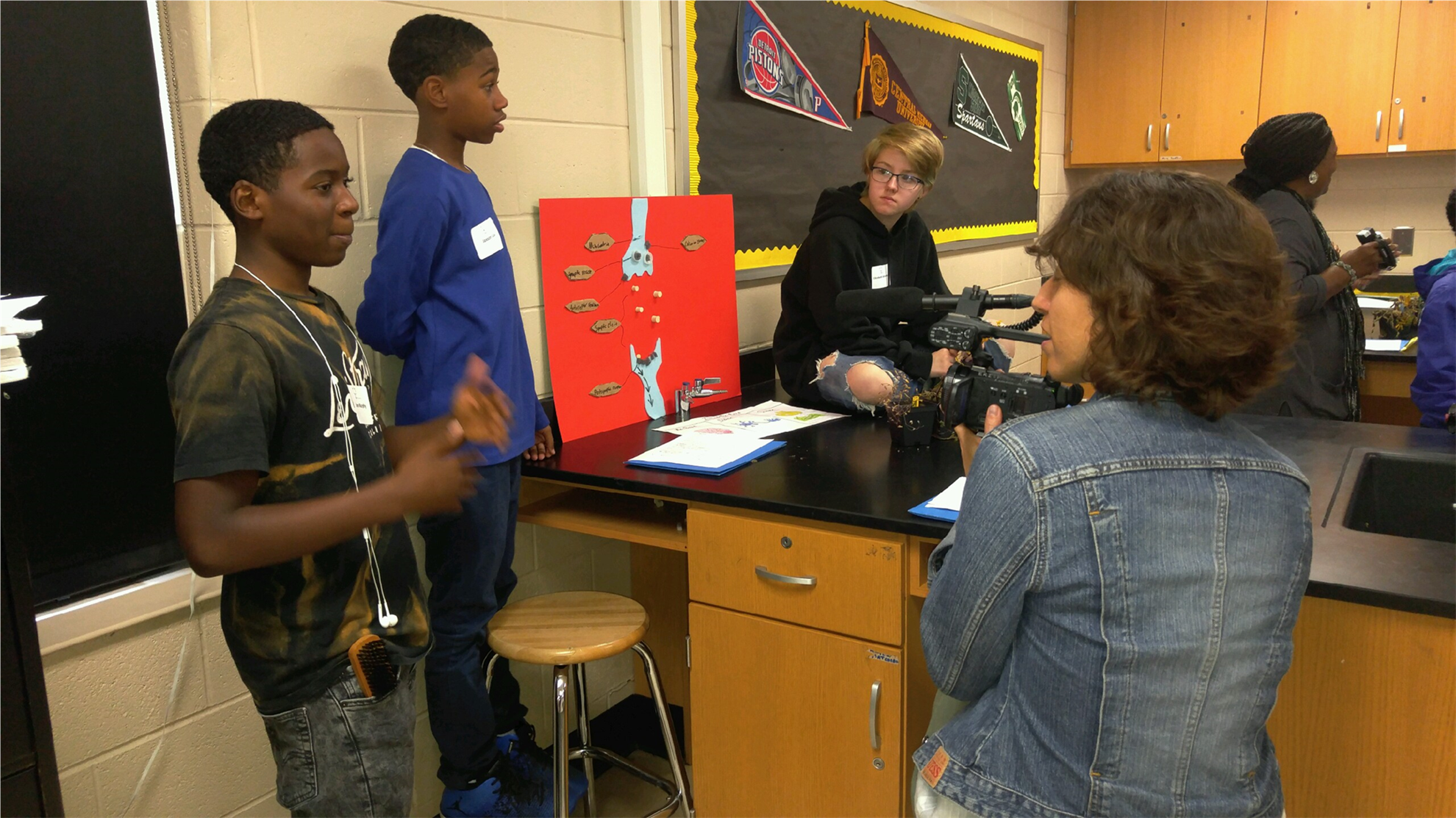
At the Rotary Club of Ann Arbor North Lunch Meeting on December 08, 2022, Dr. Steven Modell talked about the "Flint and Detroit Middle Schools Diabetes and Substance Use Education Project".
 
Steven started out with his talk with some projects on the projects.
Background:
  • Oct 2014 - May 2019, MSU and U of M, under an NIH Science Education Partnership Award (SEPA), engaged 1,271 6th through 8th grade students from Flint, MI in the “Health in Our Hands” genetics educational program, with piloting in Flint and Detroit.
  • Enactment schools in Flint (54% African American; 39% European American; 5% multiracial; 4.5% Latino).
  • Flint median income $17,086; Detroit median income $18,621.
  • Curriculum designed along with education, health, and community-based partners.
  • Driving questions:
    • “What controls my health?” (diabetes curriculum for 6th graders;
    • “How can looking for thrills make me miserable?” (addiction curriculum for 7th and 8th graders).
Next Steven talked about the study
Curriculum
  • In Unit 1. What Controls My Health? Students meet Monique, a girl diagnosed with type 2 diabetes, by video. Students explore the biology of diabetes and investigate how lifestyle options for healthy foods and exercise can help prevent the condition.
  • Unit 2. How Can Looking for Thrills Make Me Miserable? starts with a video of teens’ testimonials about addiction to vaping (e-cigarettes). Students investigate the brain’s reward system from an evolutionary perspective, and examine its role in addictive behavior.
The curriculum closely adhered to Next Generation Science Standards.
  • Phenomena – why they occur - e.g.,
    • A. diabetes – explaining how a young person, Monique, found out she had it;
    • B. vaping in high school students – explaining how the brain’s reward system evolved and addictive substances and behaviors operate.
  • Learning – 3-dimensional - disciplinary core ideas, cross-cutting concepts, scientific practices
  • Performance expectations - e.g., Construct a scientific explanation based on evidence for how environmental and genetic factors influence the growth of organisms.
  • Coherence - Fit of knowledge and skills together throughout the course.
In class activities they did the following:
  • Simulated glucose tolerance testing (“Science Take-Out” hands-on learning kit) to figure out how glucose levels indicate the presence of Type 1 or Type 2 diabetes.
  • A sand-rat simulation to model diabetes under different food conditions and genotypes.
  • Monkeyflower experiments to observe the effect of saline environments on plant growth.
  • A lab to examine how a new drug, “Floratryp,” can hijack the brain’s reward pathway and lead to addictive behavior in mice and humans.
Methods the study used:
  • Project impact measured with student and teacher pre/post classroom surveys.
  • Presentation event student and adult participant event questionnaires.
  • Adult participant (family and community member) interviews.
  • Quantitative methods (social sciences statistical package) were used to analyze pre and post classroom surveys.
  • Mixed qualitative/quantitative methods were used to analyze event questionnaire and interview data.
Results: Pilot and Field Test
  • Occurred in both Detroit and Flint schools.
  • Showed that many students and their parents could relate to the diabetes examples used.
  • Student teacher: “You can’t see your genes, but now the students are able to see how they form their lifestyles and compare to what they’re learning.”
  • Led to simplifying language used in the questionnaires.
  • Showed that more effort would be needed to get students to share what they learned with friends and family. As a result, project organizers made revisions to the curriculum, reinforced these in teacher professional learning, and asked partners for feedback on ways to improve connections with families. 
  • The spring 2018 substance use (SUD) curriculum pilot was instrumental in highlighting the need for further effort to make presentation event participants aware of future career choices. A parent suggestion that “[project] judges should talk about their own profession” was subsequently incorporated.
Results: Adult Findings
  • Spring 2017 diabetes presentation event questionnaires displayed a gradation of adult attendee responses: 
    • 64% strongly and 27% somewhat agreeing with a statement on curricular awareness. 
    • 9/11 parents/family members and 5/9 community members (school employees, project volunteers, Food Corps) having talked with a student about diabetes.
    • 10/11 parents/family members affirming having subsequently discussed food changes within their family. 
    • Spring 2018 substance use presentation event questionnaires, adult attendee responses:
      • 6/11 adults attending the spring 2018 event affirmed discussing the addiction community action research project with a student.
      • Majority of adult event participants and half the parents marked “Some” as to whether they discussed making healthy lifestyle decisions with a student.
Results: Means of Informing Adults
  • Fall 2018 adult attendees on how they found out about the new science curriculum (9 respondents):
    • 1 heard about the new curriculum from their student. 
    • 1 recalled receiving a notifying letter from the school.
    • 7 indicated they heard about it via an e-mail from the curriculum organizers.
    • Only 2/3 spring adult attendees, and 4/10 adult attendees had visited the program Facebook and Instagram web pages.
Models in learning:
  • 2 major modes of learning – formal (in-classroom) and informal (outside the classroom). Formal learning can be didactic or lesson-based, and participatory. Community action projects took place in informal settings.
    • Students demonstrated improvements in self-perceived learning as depicted in the Student Survey results. Factors: complexity of the phenomena discussed, student ability to identify with the models used.
    • We learned this lesson in a previous high school genetics curriculum we developed and enacted. Students had trouble coping with the transition between DNA transcription to translation of the messenger RNA code into protein. This is why using Monique as an example for middle school students was so helpful, as were the community projects that represented concrete, active hands-on examples of what the students were learning.
    • One parent remarked: “My son didn’t discuss the diabetes, but the food part with Monique. That kids can get diabetes. Monique is his age.” (Spring 2017 Event Participant 6 – Parent, female, Age 39”.
  • In the student interviews and event questionnaires, one student found the sand-rat simulations to be a fresh experience, and learned from them. Another “did not like” the flexibility of the simulations. 
  • During the last year of enactment, students voiced appreciation of each others’ help in presenting models of the brain (in-class projects).
  • Teachers (65% to 80%) in both the diabetes and addiction curricula marked “Very true” to the Teacher Survey statement “The community activities outside the classroom are of value to my students.” Students liked conducting the projects and viewing others’. Parents participated in the community action projects, though tallies showed more parents could have gotten involved.
Conclusion
  • Multiple related approaches – didactic lessons, modeling, and community research projects – can successfully be used to teach genes and the environment within middle school science classes in underserved communities.
  • Involvement of community members is helpful in the educational process; further efforts are needed to engage parents. 
  • Chronic disease and behavioral conditions can serve as useful biological phenomena anchoring middle school genetics education.
 
Lastly a note of club information, the Rotary Club of Ann Arbor North Holiday Party is December 22, 2022, Weber's at 3050 Jackson Ave, Ann Arbor, MI 48103. RSVP to Diane Sheffrey by December 16th with yourself and your guests. See flyer click following link: Holiday Event Flyer.
 
 
CAN Holiday Gifts.
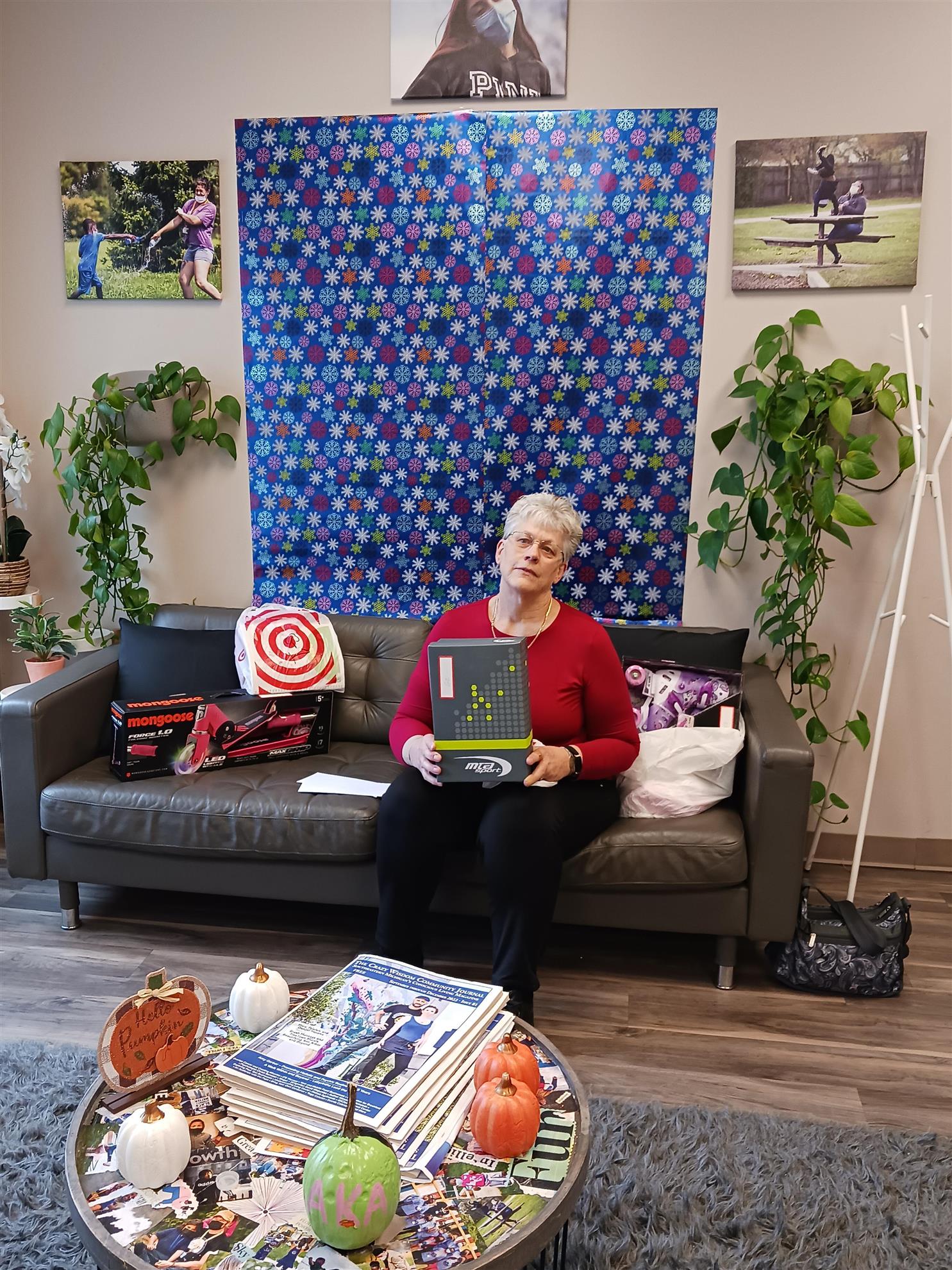
RCAAN sponsored four children from Green Baxter Court through the Community Action Network holiday giving program.
 
The children had the opportunity to indicate what they would like for the holidays.
 
Thank you to the club members who financially supported this effort and to Lisa Hudy and Diane Sheffrey for organizing the collection and delivery.
 
 
Send Hunger Packing.
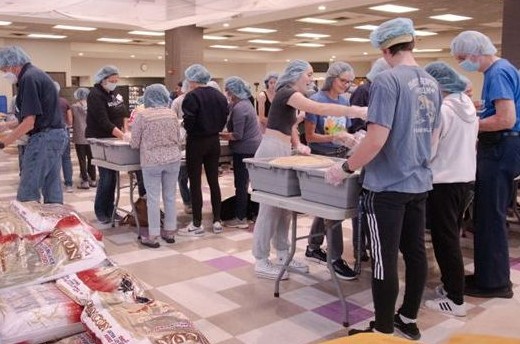
On Saturday, November 5, the three Rotary Clubs in Ann Arbor and Kids Coalition Against Hunger (KCAH) combined to conduct an area-wide service project. The effort was to assemble packets of ingredients to make hot, nutritious, and filling "one-pot" meals. Each meal is comprised of rice, soy, dried vegetables, vitamins, and flavoring.
 
CLICK HERE for full article.
 
 
Halloween Fun!
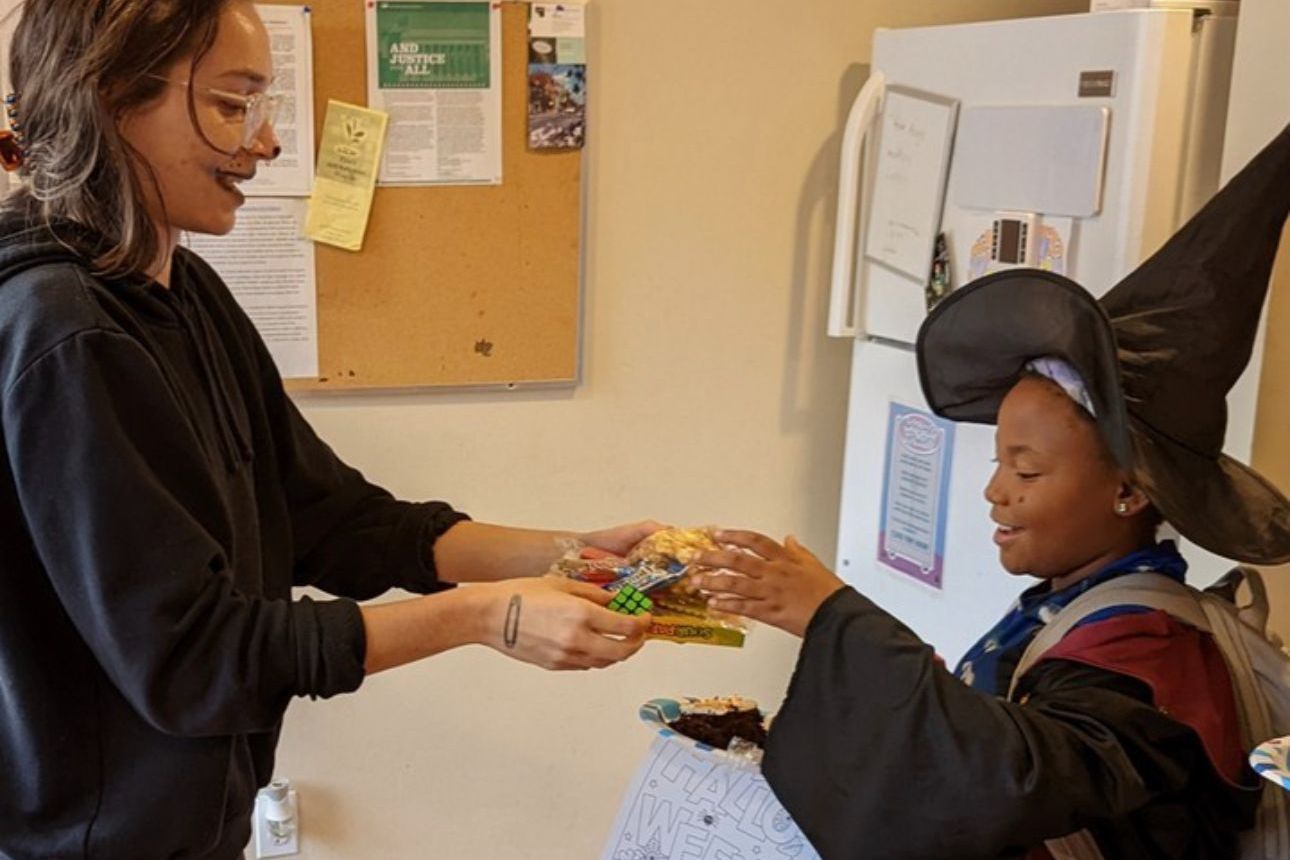
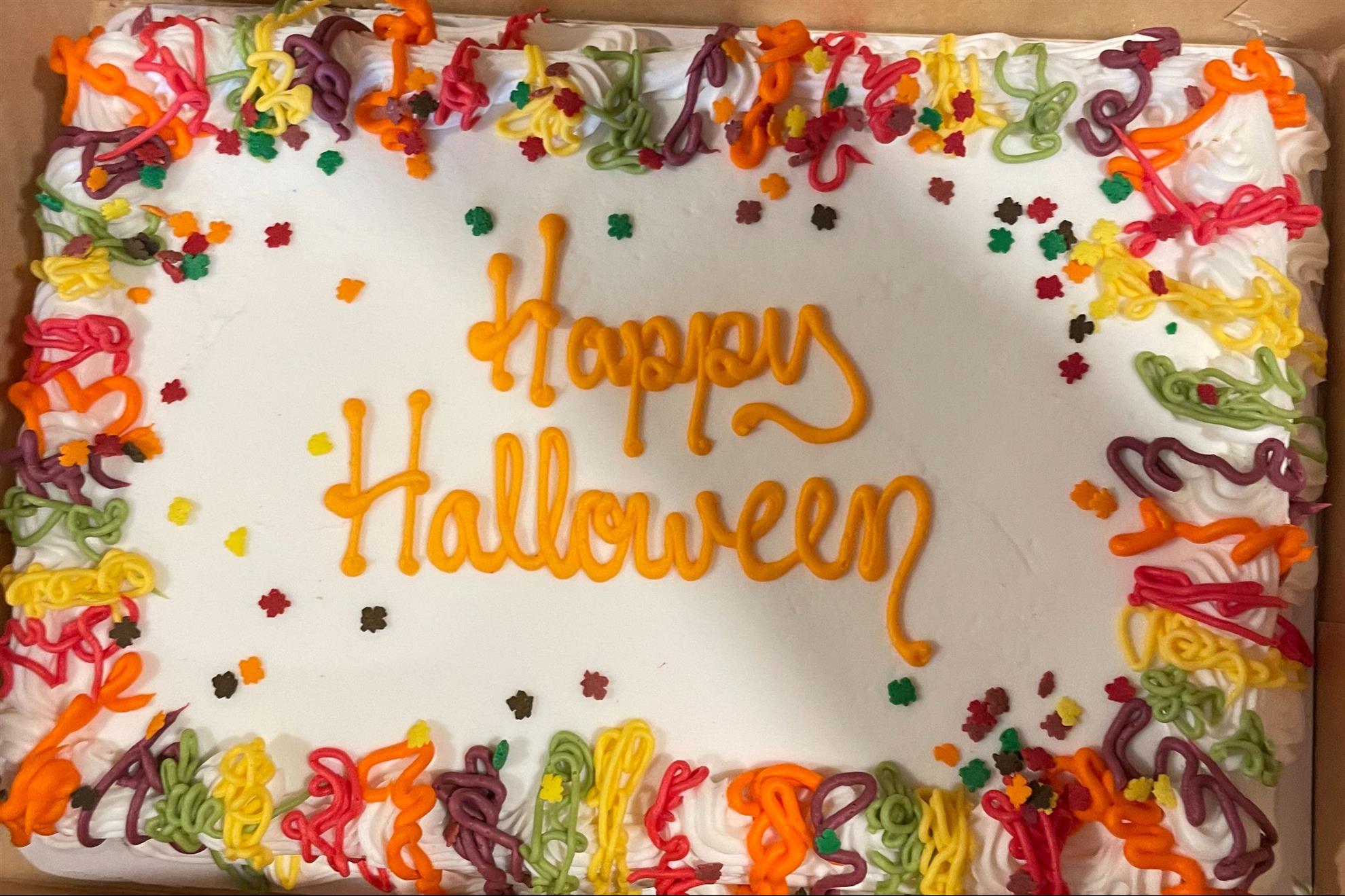
The children at Green Baxter Court in Ann Arbor enjoyed their Halloween Party on October 27th.
 
Members of RCAAN donated a hefty load of sweet treats to help them celebrate. Thank you to all members who donated the special food items needed to ensure that the children celebrated in style.


Patti Lee Explains The Water Problem In Cambodia.
At the Rotary Club of Ann Arbor North Lunch Meeting on November 10th, Patti Lee from Toronto West Rotary talked about the water problems in Cambodia.
 
Patti talked about her work that she is doing with the Troy Rotary Club. This includes building toilets, wells, and handwashing stations at local government schools and building family toilets for impoverished village people, some of whom are landmine affected victims. Over the years, Patti and partners have initiated many outreach programs including total financial support to 4 schools with over 500 students as well as needed wells, toilets and hand washing stations. 
 
Similar to our club in India, Patti and her partners build toilets for Village Families in Cambodia. Some issues in which building the toilets is:
  • Preventing sanitation issues and major health issues.
  • Protection of families against abuse.
Patti talked about sanitation in schools:
  • All schools have toilets, wells, and a hand washing station.
  • Teachers teach all students the proper method to hand washing.
  • Students must wash hands after using toilets and before going into the library to read. 
  • Give privacy/dignity for women.
Patti ended her talk with a brief summary on fundraising for her project. She described how Troy Rotary has helped her. 
 
 
Kroger Community Rewards
 
Kroger Community Rewards 
ENROLL TODAY:
 
 
Rotary Club of Ann Arbor North Foundation earned for $36.31 for time period May 01, 2022-Oct. 31, 2022. 11 households are registered for Ann Arbor North Foundation's Kroger Community Rewards.
 
Rotary Club of Ann Arbor North Foundation is registered in the Kroger Community Rewards Program. Sign up and start making money for The Rotary Club of Ann Arbor North Foundation.
 
***Rotary Club of Ann Arbor North Foundation Non-Profit Organization Account Number, is BD440.  ***
 
  • Click on Sign In/Register
  • Most participants are new online customers', so they must click on SIGN UP TODAY in the ‘New Customer?’ box.
  • Sign up for a Kroger Rewards Account by entering zip code, clicking on favorite store, entering your e-mail address and creating a password, agreeing to the terms and conditions
  • You will then get a message to check your e-mail in-box and click on the link within the body of the e-mail.
  • Click on My Account and use your e-mail address and password to proceed to the next step.
  • Click on Edit Kroger Community Rewards information and input your Kroger Plus card number.
  • Update or confirm your information.
  • Enter Non-Profit Organization Account number (#BD440) or name of organization (Rotary Club of Ann Arbor North Foundation), select organization from list and click on confirm.
  • To verify you are enrolled correctly, you will see your organization’s name on the right side of your information page.
 
Friendly Reminder: For The Foundation to continue receiving your donation through Kroger Community Rewards, you must re-enroll in the program every April.
 
Make it easier, after signing up, download the Kroger Mobile App:
 
Sign Up To Our Newsletter
 
 
Subscribe to our
E-Newsletter and stay
up to date on the latest
news and events.
 
Free Clubrunner Mobile App
App for RCAAN web page and more.
 
            
               Club Finder


About Our Club


Membership


Membership Resource Guide
 
 
Rotary Global Rewards
Click image to go to link.


Get Rotary Global Rewards Mobile App
 
 
Advertisement for Russell Hampton
Advertisement for ClubRunner
Advertisement for ClubRunner Mobile
Links
 
 
Rotary Club of Ann Arbor North Five Year Strategic Plan 2018-2023
 
 
Rotary Foundation
 
 
Rotary
 
 
Rotary Leadership Institute-Great Lakes
 
Rotary Club of Ann Arbor North By-Laws
 
Ann Arbor Area Rotary Clubs
 
Due to the COVID-19 virus, clubs locations and times may have changed. For the most current information go to clubs home page.
 
Ann Arbor   Ann Arbor:
Wednesday, 12:00 p.m., Michigan Union 530 South State Street, Ann Arbor, MI 48109.
 
Ann Arbor North   Ann Arbor North: 
Second & Fourth Thursday's, 12:00 p.m., University Living of Ann Arbor, 2865 South Main Street, Ann Arbor, MI 48103, In person and Zoom meeting is available.
 
Ann Arbor West   Ann Arbor West:
First & Third Monday's, 5:30 p.m., Absolute Title
 
Chelsea   Chelsea: 
Tuesday, 12:15 p.m., The Common Grill Restaurant
 
Dexter    Dexter: 
Thursday, 7:30 a.m., Fillmore
 
Milan   Milan: 
First & Third Tuesdays, 12:00 p.m., Milan School District Board Room,  Second & Fourth Tuesdays, 5:30 p.m., Milan American Legion Post
 
Saline   Saline: 
Thursday, 12:00 p.m., 109 West Michigan Ave., Saline, MI 48176 
 
Ypsilanti   Ypsilanti: 
Monday, 11:45 p.m., Meets on Zoom
 
 
Get The Club Finder Mobile App
 
Club Finder Club Finder 
QR Code For RCAAN Home Page
 
Meeting Day & Time: 2nd and 4th Thursday's of the month at 12:00 pm | Meeting Address: University Living of Ann Arbor, 2865 South Main Street, Ann Arbor, MI 48103 (View Map) |
Web Site: http://www.rcaan.org E-Mail: rotaryclubaan@gmail.com | Phone: (734)224-4130 |
 
       Facebook- RCAAN     YouTube- RCAAN