Rotarians:
It’s hard to believe that it is September already! Time flies. I hope you are enjoying what’s left of summer as the season winds down.
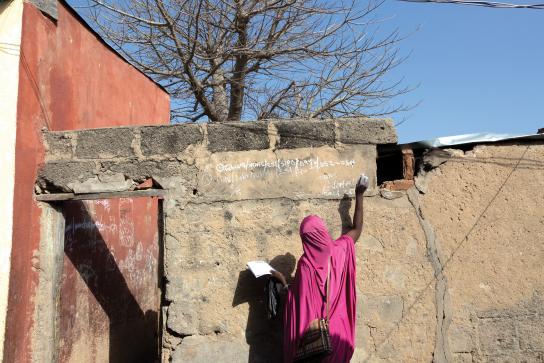
Did you know that September is Rotary’s basic education and literacy month? Basic education and literacy is one of Rotary’s six areas of focus and is essential in reducing poverty, improving health, encouraging community and economic development, and promoting peace.
I’ll share these facts with you:
• If all women completed primary education, there would be 66% fewer maternal deaths.
• A child born to a mother who can read is 50% more likely to survive past the age of five.
• If all students in low-income countries left school with basic reading skills, 171 million people could be lifted out of poverty, which would be equivalent to a 12% cut in world poverty.
According to a 2014 United Nations Millennium Development Goals progress report, literacy rates among adults and youths are on the rise, and the gender gap in literacy is narrowing. But pressing global needs remain:
• 58 million children worldwide are out of school.
• Even after four years of primary schooling, as many as 250 million children cannot read and write.
• 781 million adults are illiterate.
Education and literacy throughout Rotary’s history
In March 1930, Ray Lyman Wilbur, the United States Secretary of the Interior, asked Rotary and other service organizations to take an active leadership role in the reduction of illiteracy in the United States. Rotary Clubs across the U.S. took Wilbur’s request seriously:
• The Rotary Club of Martinsville, Virginia, sponsored a talent show with proceeds supporting adult literacy classes.
• Members of the Rotary Club of Blairsville, Pennsylvania offered a class on reading and writing for local adults.
• The Rotary Club of Ada, Ohio, surveyed the educational needs of children and adults in a nearby farming community and with the help of other local service organizations, began offering classes in reading and writing.
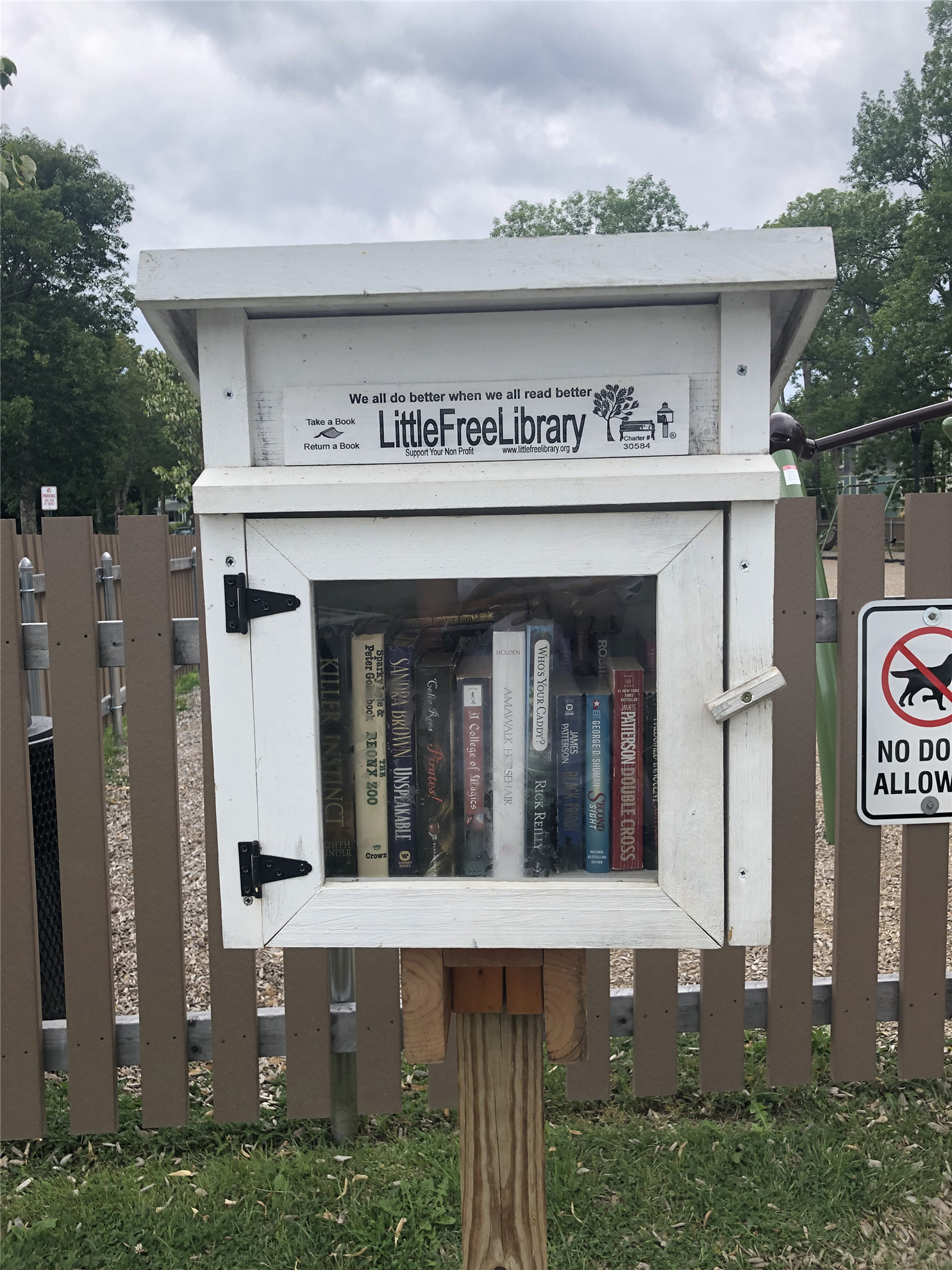
There have been many projects around the world since then that have shared this focus. These projects are grounded in the needs of the community. Last year, our club started the Little Free Libraries (LFLs) project and the Story Trail Project. The LFLs are designed to inspire a love of reading, build community, and spark creativity by fostering neighborhood book exchanges around the world. These libraries provide people the opportunity to take books, read them, and then either return them or add new books to the LFL. I checked our LFL stand located at the Park Street Playground entrance a few weeks ago, and I have to say how impressed I am in how many people have been reading and exchanging books. Still, we need more Ambassadors in this endeavor. The Ambassadors are committed to monitoring these libraries in the future, and restocking books in each if it becomes necessary. If you would like to become an Ambassador, or if you have spare books to donate, please contact Josh Yarborough, our Service Committee Chairperson. We are still working on the Story Trail Project and hopefully we can get it done soon; I’m sure it will be another great project that enhances basic education and literacy within the community.
On Wednesday, Sept. 4th, we have our evening gathering at the Abbe Museum. The evening starts at 5:00 pm. Our incoming President Stefanie Joy Muscat will be happy to receive you with a show and tell about what the Abbe is doing, and of course beverages and food will be provided. It should be a nice evening. Please come and join us.
“To encourage literature and the arts is a duty which every good citizen owes to his country.”
― George Washington
See you next time,
President Susy




.JPG)