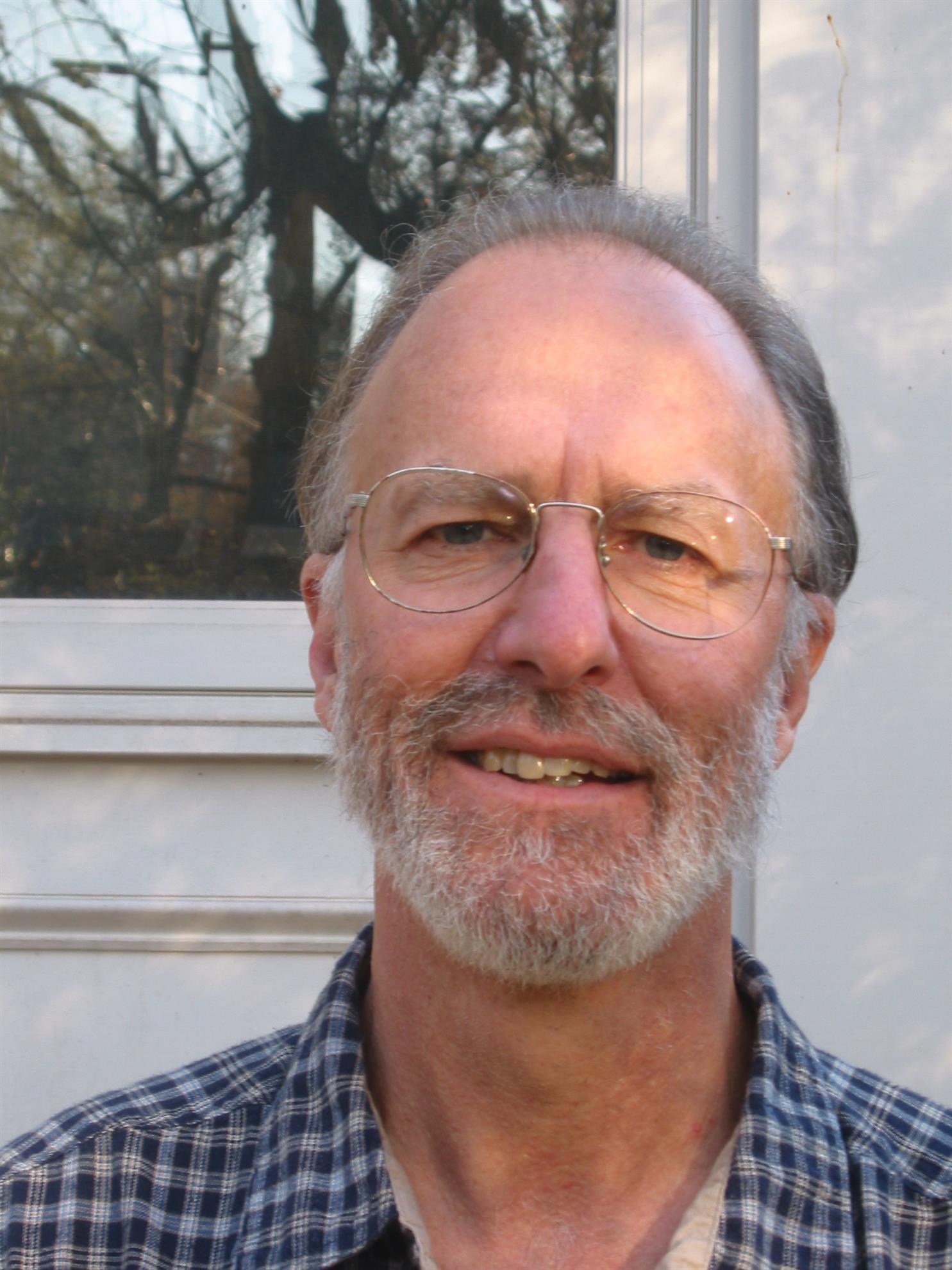
Safe water: this week's program This week's program will will address the work of the Waterborne Diseases Prevention Branch at the Centers for Disease Control and Prevention to help increase access safe water and improved hygiene in households, schools, and healthcare facilities across the developing world. This work has depended heavily on valued partnerships, notably Rotary International and local chapters, including the Rotary Club of Estes Park. Our speaker will be Robert Quick, MD, MPH. Robert Quick Quick is a medical epidemiologist in the Waterborne Diseases Prevention Branch at the Centers for Disease Control and Prevention. He received his medical training at the University of California, San Francisco, obtained an MPH from the University of California, Berkeley, completed residencies in family practice and preventive medicine, and worked as medical director and clinician at the Indian Health Service hospital in Bethel, Alaska. For the past 28 years, Quick has worked at CDC, conducting research on the etiology, control, and prevention of enteric diseases in the developing world. His work on cholera in Latin America and Africa revealed the seriousness and extent of the problem of lack of access to safe water and sanitation in the developing world and inspired a research focus on waterborne diseases and their prevention. With colleagues at CDC and the Pan American Health Organization, he developed the Safe Water System, a simple, inexpensive household-based water quality intervention, and has conducted field trials in Latin America, Africa, and Asia to establish the evidence base regarding its use and dissemination (www.cdc.gov/safewater). More recently, he has conducted field trials of other water treatment technologies, and has designed, implemented and evaluated projects that integrate water treatment technologies, handwashing and other public health interventions (including micronutrient Sprinkles, improved cookstoves, HIV counseling and testing, rapid syphilis screening and inexpensive handwashing stations) with maternal and child health services, school programs, and HIV care and support services. To carry out this work in the developing world, he has collaborated with numerous partners from the public and private sectors, Rotary Club, non-governmental organizations, UN agencies, and academic institutions. |