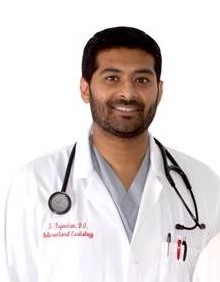
Last week’s program was provided by Rotarian Karen Kerr. Karen’s guest speaker was Dr. Srinivas Rajendran, who spoke on the importance of Blood Pressure.
Dr. Srinivas Rajendran (aka "Dr. Vas") is a cardiologist in Plant City, FL and is affiliated with multiple hospitals in the area, including South Florida Baptist Hospital and Brandon Regional Hospital. He received his medical degree from Nova Southeastern University College of Osteopathic Medicine and has been in practice 7 years. He is quintuple board certified, and specializes in cardiology, echocardiography, interventional cardiology, and nuclear cardiology.
Cardiovascular disease is the #1 leading cause of death globally. It accounted for approximately 17.8 million deaths worldwide and over 800,000 in the U.S. in 2017. On average, someone dies every 37 seconds in the U.S. from CVD. Coronary heart disease is the leading cause of death in the U.S. followed by stroke. Cardiovascular disease accounted for $351.3 billion in direct and indirect costs in 2014-2015. It is projected to be greater than $740 billion in the year 2035. Between 2013 and 2016, 121.5 million adults in the U.S. had some form of CVD.
The definition of High Blood Pressure (HBP or hypertension) is when your blood pressure, the force of your blood pushing against the walls of your blood vessels, is consistently too high. Treatment of hypertension is the most common reason for doctor visits and the use of chronic prescription medications. Hypertension is extremely common. Between 2013 and 2016, 46% of U.S. adults had hypertension. Risk factors for essential hypertension (most common type of HBP) include: age, obesity, family history, race, reduced nephron number, high sodium diet, excessive alcohol consumption and physical inactivity. Causes of secondary hypertension include: medications, erythropoietin, illicit drug use, primary renal disease, aldosteronism, renal vascular hypertension, OSA, Cushing’s syndrome, endocrine disorders, cortication of the aorta.
Treatment for hypertension includes: Pharmacologic (beta blockers, diuretics, calcium channel blockers and lifestyle modification including; salt reduction, potassium supplementation, weight loss and smoking cessation. A diet high in vegetables, fruits, low-fat dairy products, whole grains, poultry, fish and nuts, low in sweets, sweetened beverages and red meats is a large part of lifestyle modification. At least 40 minutes of moderate intensity aerobic exercise for 3-4 sessions weekly can lower blood pressure up to 6 mmHg. Other lifestyle modifications would include; limited alcohol intake, avoid decongestants, avoid hot tubs/saunas, manage stress/anxiety and receive adequate amount of sleep. Dr. Vas “tips” include: 1) Take medications as prescribed by your doctor, 2) Do not stop medications without speaking to your doctor, 3) maintain a blood pressure log, 4) attempt to follow all lifestyle modifications, and above all 5) partner with your doctor to help your self live longer and better!