Last week’s program was provided by Rotarian Tim Kip. Tim’s guest speaker was fellow Rotarian, Dr. Felix Haynes. Felix was here to discuss his upcoming 4th book, “Kenneth Whiting – Remembering a Forgotten Hero of naval Aviation and Submarines”.
Dr. Haynes’ current professional goals are to continue to use his academic background and professional experience as a college president and U.S. Army officer to serve as an interim public administrator and as an author of historical fiction and non-fiction books. His experience includes service as the president of three different institutions over a 25-year period and the publication of three historical fiction novels; “No Substitute for Victory”, “Bully!”, and “Kilts and Bagpipes Forever”. Dr. Haynes is currently working on non-fiction biography of Kenneth Whiting, an early naval aviator who played a major role in the invention of the American aircraft carrier.
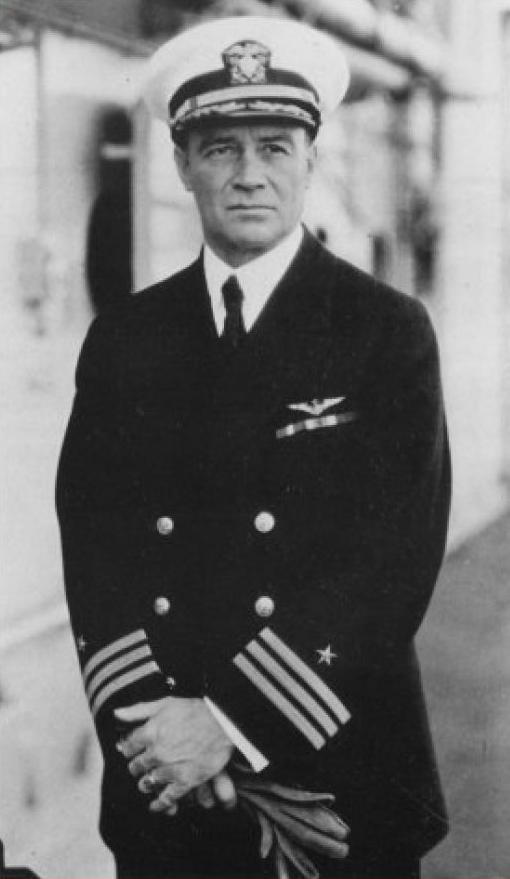
Kenneth Whiting had a very interesting naval career that started with his mother pulling strings and getting him into the naval academy. He shortly flunked out. His mother then got him a second appointment to the academy that he completed, barely, at the bottom of his class academically but at the top athletically. Kenneth was a great athlete and sailor that loved tough physical challenges but had difficulties with academics. Kenneth found himself court martialed, and demoted, more than once. Kenneth started as a Capitan of submarines that then led to a Naval Aviator. As a Capitan of the G-1, experimental submarine, Whiting was the first Capitan to have success with it and corrected all the flaws.
As a new naval aviator, at the time when aviation was in its infancy, the Navy contracted the training out to Orville Wright. Orville and Kenneth became good friends through this relationship. As the United States became involved in WWI the issue of “short legged airplanes” (limited flying distances) became a problem. Kenneth Whiting was the first to bring up the idea of floating runways, aircraft carriers, to get aircraft closer to the fighting. His idea of an aircraft carrier was dismissed. Eventually the aircraft carrier idea was adopted and Kenneth Whiting is credited as the father of the aircraft carrier and designed the catapult, catch cable, bugle signal and landing officers that are still used today.
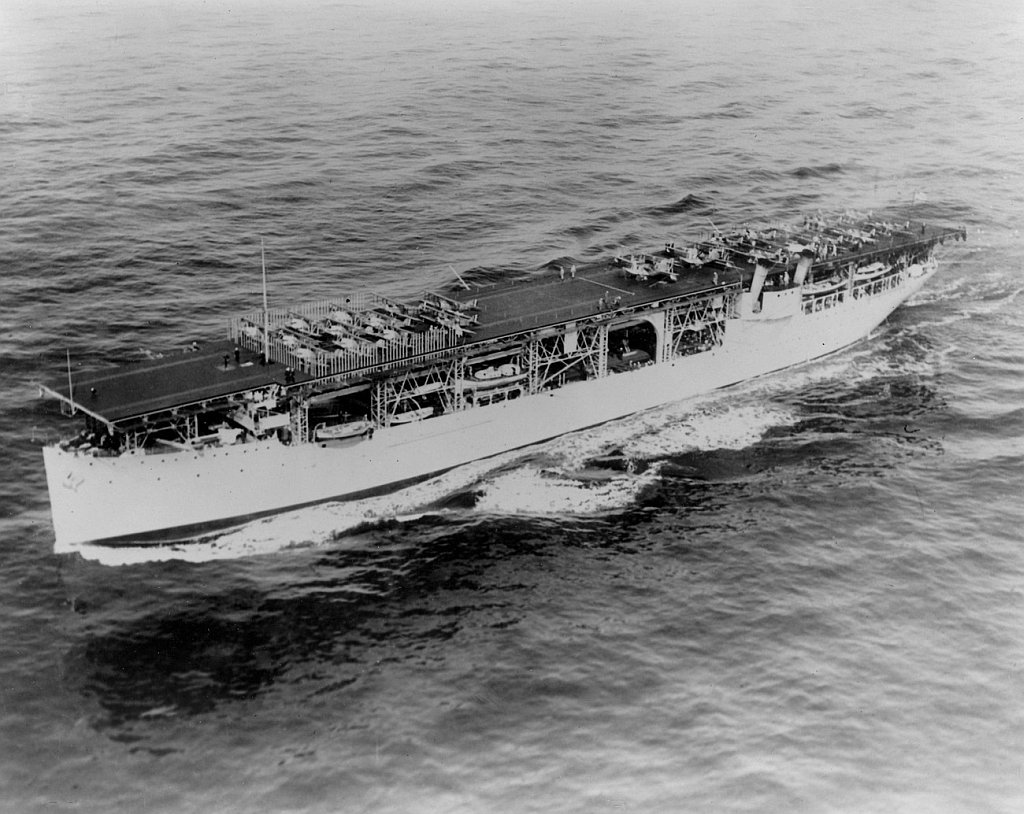
Kenneth Whiting died in 1943. Naval Air Station Whiting Field in the Panhandle of Florida was named after him and is still in use today. This history of Kenneth Whiting is a very interesting piece of history and Felix does a great job of telling the story. Look for Felix’s book to come out soon!