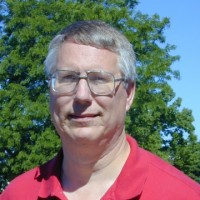
Paul Jasa gave us two different presentations. His first presentation was about Meals for Nurses. He started out telling us about his neighbor who is a nurse at CHI St Elizabeth and how he felt like doing something for that family on December 20th. He loves to cook and so he fixed a brisket and crockpot of bean soup. He knew he had more than enough, so he took some over to his neighbor who had been working long hours at the hospital because of COVID-19. She appreciated it very much and told him that it happened to be their wedding anniversary and with restaurants closed down or limited service that was a great meal to have and she greatly appreciated it.
This started Paul thinking about the other nurses that worked with her neighbor and how they might enjoy a meal. So, he starts working on those meals over the weekend and his neighbor takes them to the hospital on Monday to share with 4 or 6 people. They have enjoyed a variety of different meals.
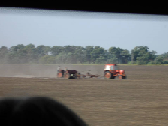 Paul’s second presentation was about his trips to Ukraine to education the people of Ukraine about “no-till” in their farming operations. Paul went to Ukraine in 2004, 2005, 2011 and 2012. Ukraine has very rich top s
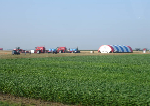 oil which makes their crops grow quite well. They use small tractors. When he first went in 2004, they had just built a new conference hall and had 25 speakers which was in November. In 2005 he went in September and did a lot of his education out in the field and demonstrated how equipment they were using could be used.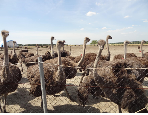
Many of the farmers don’t own the land, but the government does and it is divided up among the people in the village. Therefore, the farmers are working for the government. A company recently purchased some of the land and allowed the farmers to rent from them and work for that company. Some of the animals that they raise are ostriches and fish.
Paul said that when they greet you, they give you a loaf of bread. Bread is used for about everything. If you would go visit a park it would not be uncommon to see two people playing chest in the park.
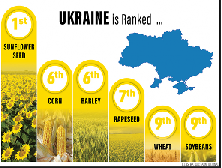
In the chart you will note that wheat is low, but a lot of their wheat is shipped to Africa. Paul told us that in 2011 they were given cell phones so that they could keep track of their guests. Today the farmers continue to farm, but with the war, some of hit land mines and their tractors have blown up along with the drivers. Paul continues to listen to news and looks at the photos that are shown and tries to see if he can recognize any of the buildings that he took photos of during his four trips to Ukraine.