Lincoln East Rotary Club heard from Derick A. Gaspard and Tyler J. Cruthers from the Lincoln Wastewater Resource Recovery about using turning food waste into fuel. The Lincoln Wastewater Resource Recovery is a part of the Lincoln Transportation and Utilities (LTU) Department. The goal of this department is “Ensuring a safe, sustainable and efficient way of life.”
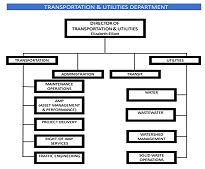
The structure of the LTU) looks like the picture on the left.
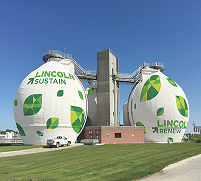
How many of you have seen these unusual looking tanks? They are located at 27th street and Cornhusker. Lincoln was one of the first to have thee type of facilities. Currently three are in operation and they can use four. The shape of these is used for mixing the waste products. They capture the gas, it5 is oxygen free, produces clean gas and does a million gallons a day.
Lincoln Wastewater System invests in infrastructure that offers stability during a time of renewal. There are two Water Resource Recovery Facilities. These facilities do recovery and treats 32 million gallons of wastewater each day. The first facility is at 27th & Cornhusker and the other one runs from Cornhusker to Arbor Road. The sanitary sewer is 1,000 miles long. There are 16 lift stations. These facilities processes biogas, biosolids, has water reuse and accounts for 89,000 gallons of waste.
All operations and capital improvements are funded with rate revenues, biogas/biosolids revenues, and if applicable, impact fees. Lincoln Wastewater rates remain competitive during a time of renewal. These facilities are guarded 24/7 by many people.
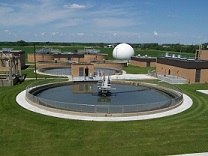
Lincoln Wastewater Treatment Efficiency. Derrick and Tyler said that the Lincoln facilities are more advanced than Omaha’s and maintained. Lincoln’s water is cleaner than Omaha’s. The residue from the Lincoln facilities is run into Salt Creek, where Omaha’s is run into the Missouri River. The primary “Clarifiers” remove approximately 50 - 70% of total solids in the process. Fats, oils and greases are skimmed from the top while heavy organic solids are removed from the bottom. The activated sludge process is the most used in treatment plants. It removes approximately 85-95% BOD (suspended solids). UV treatment is the most effective disinfecting process available. During the regulated disinfection season, we utilize UV treatment to deactivate 99.9% of the remaining pathogens in the water. All this treated water goes into Salt Creek.
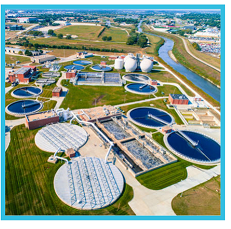
Lincoln Wastewater Biogas Project. Biogas produced onsite was used to generate electricity for the treatment plant from 1991 to 2019. A new project cost $10 million to construct over 4 years. This new treatment plant is projected to generate more than $2 million annually through the sale of natural gas and credits as part of the EPA Renewable Fuel Standard program. It is expected to produce 100,000 MMBtu of renewable natural gas annually. This is equivalent to about 875,000 gallons of gasoline.
The annual production could fuel 718,857 one-way trips from Southpointe Pavilion to Memorial stadium. The maximum production will reduce almost 7,400 Metric Tons of CO2e by displacing traditional natural gas. The carbon reduction is equal to removing 1,609 gasoline fueled vehicles off the road. The annual production could be used to fuel more than 136 full size Compressed Natural Gas-powered buses.