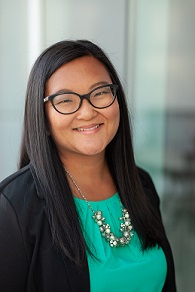
Alynn Sampson is the Community Impact Director for the Food Bank of Lincoln. Alynn talked to us about the economic realities of poverty, middle class, and wealth that impact individuals, communities, systems, and structures.
In Nebraska, 237,440 people are struggling with hunger - and of them 79,310 are children. This is 1 in 8 people struggles with hunger. There is 1 in 6 children that struggle with hunger here in Nebraska. People facing hunger in Nebraska are estimated to report needing about $114,880,000 more per year to meet their food needs. The SNAP (Supplemental Nutrition Assistance Program) in Nebraska is one way of helping. There are many charitable programs but these programs cannot fully support those struggling with hunger. The combination of charity and government assistance programs are necessary to help bridge the meal gap.
Bridges Out of Poverty is a program set up through the Lincoln Food Bank to help enable individuals, institutions, and communities to stabilize and grow resources for all, particularly those in poverty. Alynn said it is a program that helps those in poverty, middle class, and wealth on using any of their financial resources in getting obtaining stabilization in their lives. Their work helps individuals, businesses, students, and communities build resources for a more successful, sustainable future.
It helps train those in poverty to secure jobs, find housing, and become more stable in their situation and community. The resources available are workshops, publications, and consulting services to help improve lives and build sustainable success in communities, schools, and higher education. This by creating an understanding of the dynamics that cause and maintain poverty from the individual to systems level.
Bridges Out of Poverty is a uniquely powerful tool designed for social, health and legal services professional. Based in part on Dr. Ruby K. Payne’s myth-shattering A Framework for Understanding Poverty, Bridges reaches out to millions of service providers and businesses whose daily work connects them with people in poverty. Some of the things that is learned through Bridges Out of Poverty are:
– Redesign programs to better serve the people you work with
– Build skill sets for management to help guide employees
– Upgrade training for front-line staff like receptionists, caseworkers and managers
– Improve treatment outcomes in healthcare and behavioral healthcare
– Increase the likelihood of moving from welfare to work
– Build skill sets for management to help guide employees
– Upgrade training for front-line staff like receptionists, caseworkers and managers
– Improve treatment outcomes in healthcare and behavioral healthcare
– Increase the likelihood of moving from welfare to work
We specialize in reducing the barriers to success posed by economic class differences among people and groups. One of the things that Alynn told us is that instead of going from one agency to another and filling out the same paperwork and setting goals, they are working on filling out only one set of paperwork for all agencies and setting those goals only once. This saves a lot of nerve-wrecking having to do the same thing at every agency and helps with the stability of the individual filling those forms out.
Thanks Alynn for letting us know that there is help and education out their for those who are in poverty no matter what class we live in or was born into.