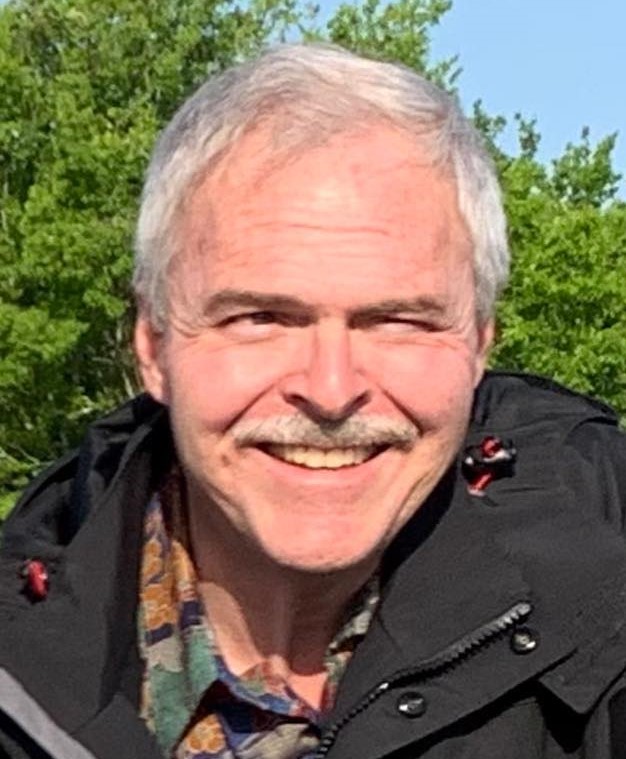
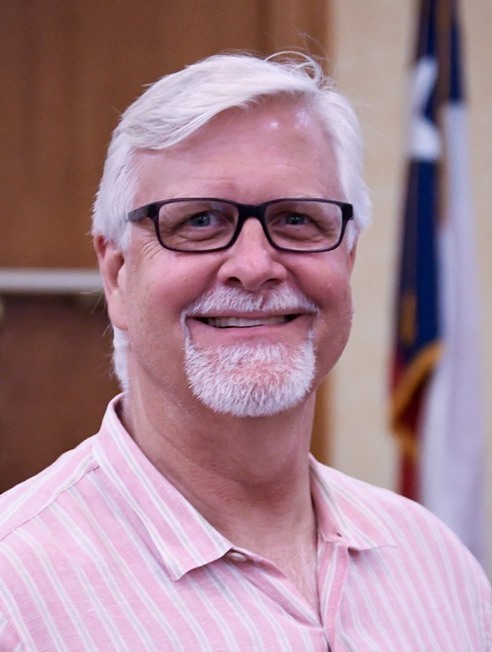
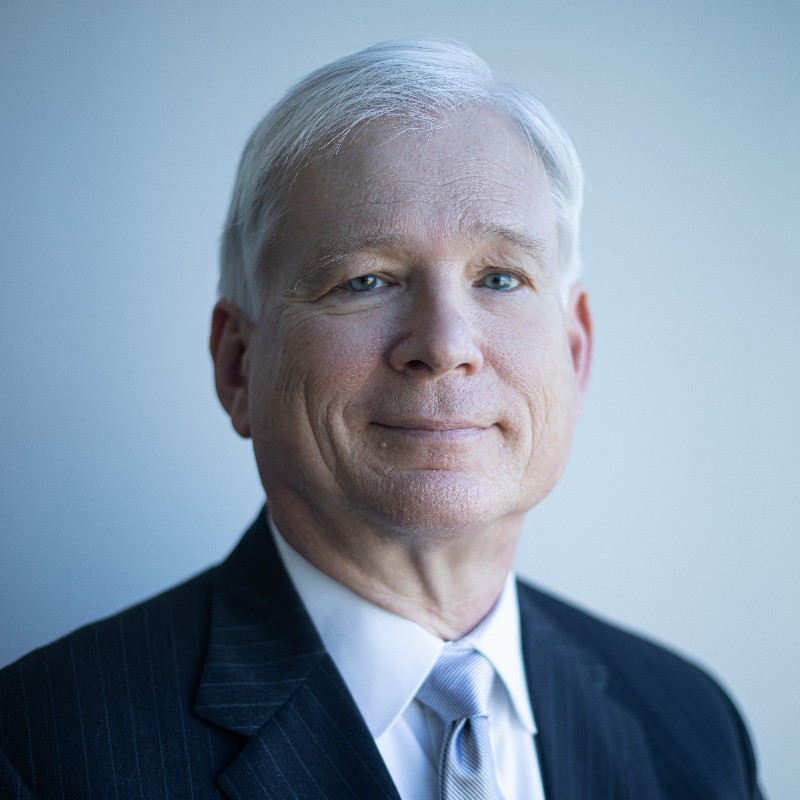
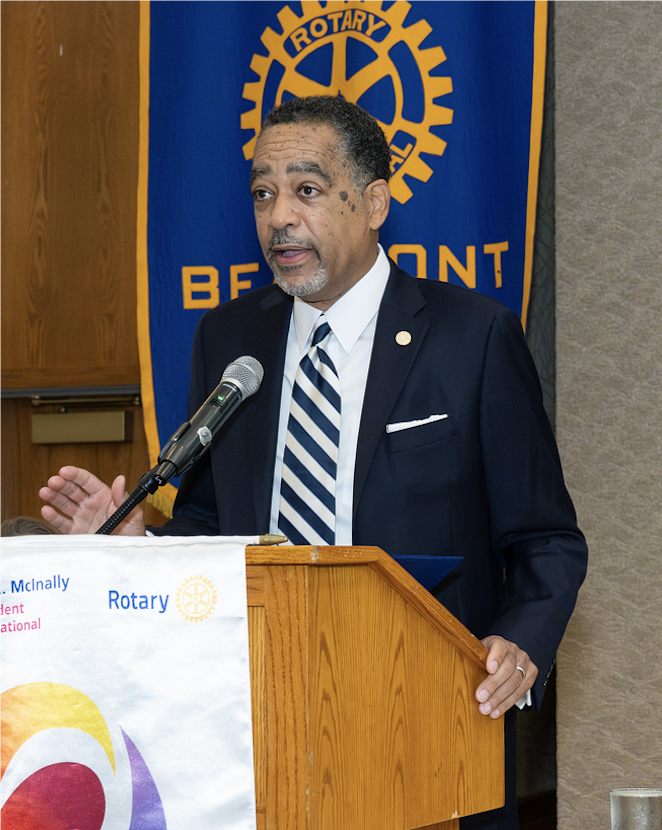
Last Wednesday our speaker was Dr. David Willard, and his talk was about his father, his family, and their role in the history of Beaumont. He first recognized our own Robert Robertson who authored a book entitled “Fairways” which addressed the subject of the first desegregation case in Beaumont and encouraged us to pick up a copy of it to get an exceptionally good in-depth account of the case. He then shared that his brother-in-law, Kevin Roy, was the first African American to serve as President of the Beaumont Rotary Club and he attended his first Rotary Club meeting with him. During his year as President, the club was celebrating its anniversary and in doing some research, he discovered that Dr. Willard’s father, Elmo Willard III, was the first African American to be a member of our Rotary Club. He then shared that being raised in his family had made him rich, not in a monetary sense, but he was endowed with a path to follow, and now as an adult, he now walks that path. While he feels he will never be able to repay them for this endowment, he is doing his part in telling their story.
He then shared that the African American experience, since we are celebrating Juneteenth, is a collective story of a people coming out of a dangerous and shameful time in our state and country. It is a story of a people moving through an uncertain time and trying to better themselves and others in the same condition. His family played a significant role in paving the way to a better life, shared justice, and equal rights for the Black community in Beaumont and Jefferson County. He said their progress was a collective struggle, nothing of consequence was achieved alone. Such has been the case in this area and the nation. He said the title of his speech is “Enclosed Expansion,” an oxymoron if there ever was one.
Growing up, Dr. Willard said Juneteenth was only celebrated in Texas and only by African Americans. He then showed a parade held in 1925 in Beaumont on Magnolia Avenue to celebrate Juneteenth. The only participants were African Americans. Juneteenth was celebrated for a week back then and consisted of barbeques, parties, and rodeos, and was a joyous occasion.
Dr. Willard showed us a photograph of a marriage certificate of Riley Willard and Margaret Randle dated August 3, 1860. At the time of their marriage, they were slaves on the Calder Plantation located on Eleventh Street in Beaumont. That union began the Willard family in Beaumont which now encompasses five generations. They remained slaves for seven years. Elmo Riley Willard Sr was born on August 19, 1867, on the Calder Plantation, the eldest of four children. He was born just shortly after the news arrived that slaves had been freed. What he accomplished in the latter part of the 1800’s and early 1900’s was amazing. It was a template for all the Willards that followed. He began working various jobs at the age of eight to support his siblings after his father died. He was eventually employed at a shingle mill. His evenings were spent learning how to become a barber. He then opened his own barber shop and began investing in real estate. He built rental houses and established the Elmo Willard edition. He also sat on jurys on several occasions which was unheard of at the time. He was one of the first citizens of either race to donate funds to the South Texas State Fair and became very involved in the fair along with many other African American leaders in our community. He and his wife built the first brick home owned by an African American in Beaumont on 1325 Gladys Street. Dr. Willard’s grandfather, Elmo Willard Jr., was born in that house.
Elmo Willard Jr. was the oldest of eight children, five of whom reached adulthood. He sent two of his daughters to Howard University at a time when most women did not go to college. Elmo Jr. and his brother Joseph started the first funeral and ambulance service owned and operated by Black people on Forsyth Street in Beaumont. It was incorporated in 1929. This company survived the depression and existed until 1965 when Dr. Willard’s father had to close it in 1965.
Elmo Willard III, Dr. Willard’s father, attended Adams Elementary, Pipkin Middle School and Charlton Pollard High School. He went on to attend Fisk University in Nashville, TN along with several of his peers from Beaumont. This is where the term “Enclosed Expansion” comes into play where these men grew up in social circles that were committed to the uplifting and betterment of people by becoming educated and having hope for a better future ahead in the face of the obstacles they faced in the Jim Crow times of the South. They were enclosed in a tight nit group but expanding possibilities by becoming educated and charting new paths in the business world for African Americans. They brought this education and foresight back home for the good of their families and the Black people of Beaumont. Elmo III attended Howard Law school and worked closely with Thurgood Marshall and others on the Brown vs Board of Education Supreme Court case which ended segregation in schools. After graduating, he moved back to Beaumont and joined with Theo Johns to form the Johns Willard Law Firm. This firm specialized in civil rights law and focused on furthering the fight for equal rights for Black people in Beaumont. The firm filed suit in 1959 in federal court on behalf of six black men who desired to play golf at Tyrell Park public golf course on the grounds that refusing them the right to play on a public golf course simply on the basis of their race was unconstitutional and denied them due process. They were victorious. The first shot in the battle to end segregation in Beaumont, TX had been fired by eight of their native sons. This first desegregation case broke the racial barriers preventing all citizens in Beaumont from using city park facilities on a free and equal basis and was cited by the Supreme Court as a landmark civil rights case. Elmo Willard III was also involved in the case which opened attendance of Black people to Lamar University. Clearly this family has been a positive influence in the struggle of African Americans to gain equality in Beaumont, TX. This was a very appropriate program for the celebration of Juneteenth.

.png)









.jpg)