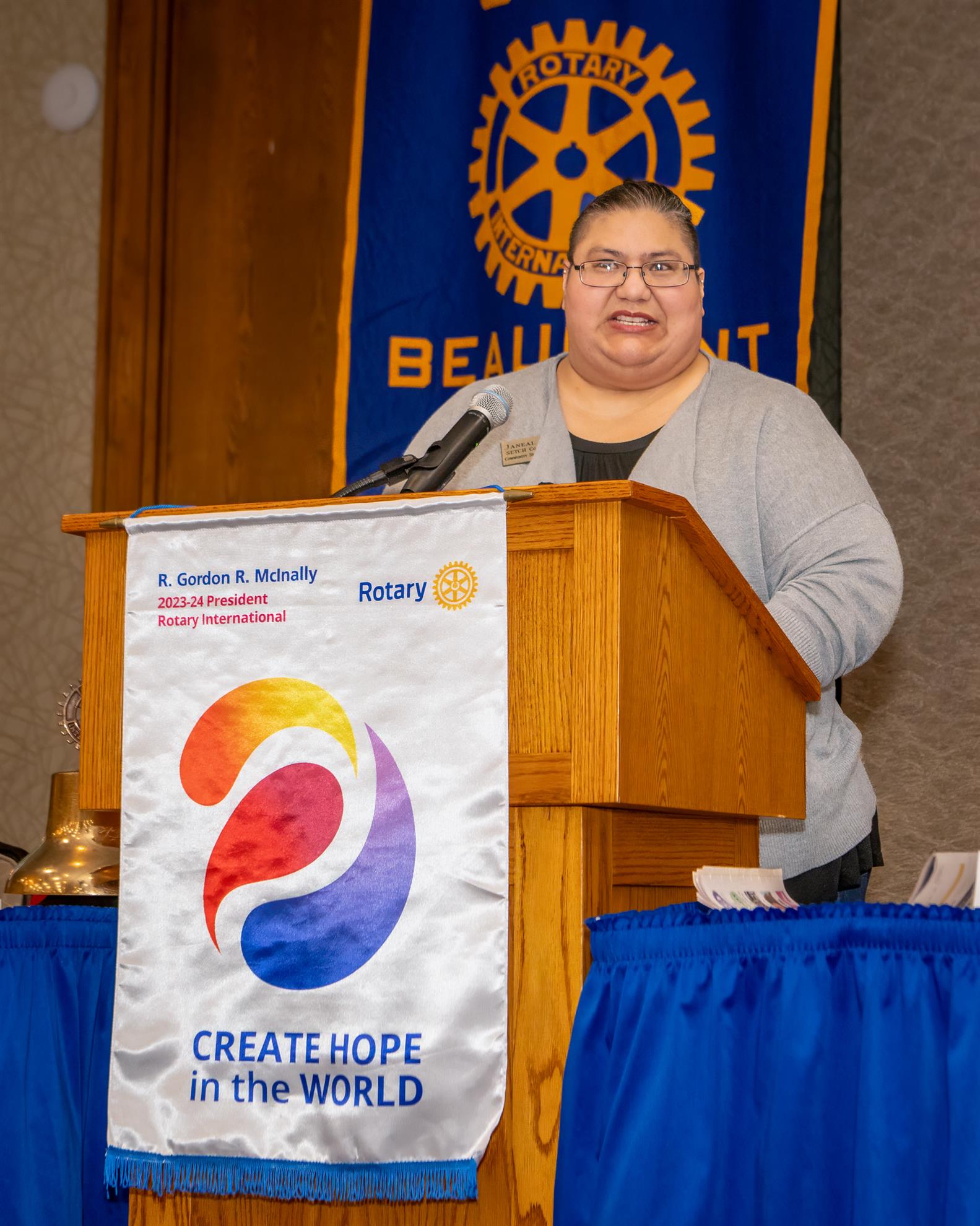
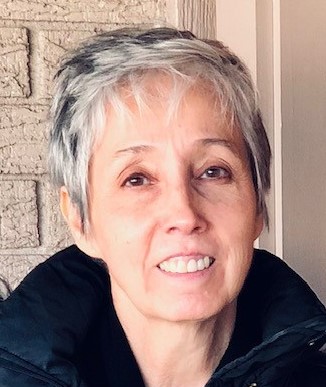
Dr. White deals in qualitative research on homelessness and is the Regional Coordinator for SETX Coalition for the Homeless. She grew up as a judgmental person until she met a homeless person through volunteer work in her church and realized that these individuals all had a story to tell.
The annual Beaumont “counting” of the homeless recorded 20 sheltered and 215 unsheltered homeless people in the city. In the entire 11 county area involved in the Coalition only 343 were reported. The low numbers relate to individuals who did not want to be included in the study due to domestic violence, illegal status or being in or out of shelter. Only allowed emergency shelters are recorded.
Homeless individuals report that lack of affordable housing, mental illness and substance issues and domestic violence are the main reasons persons do not want to report.
The federal annual PIT count (includes a 24-hour day to count and survey the homeless) is done in order to support and advocate for needs. The region’s goal is to strengthen the network of providers.
There are gaps in services due to the following:
1. Advocacy in the schools. Issues of changing residences due to children being shuffled between relatives, are not easy to follow. 2,100 students are presently receiving services but they are not getting the information that we need.
2. Foster care. Of those coming out of foster care 1/3 to 1/2 will become homeless in 3-5 years.
3. Family units. The goal is to be able to keep families together and create a family shelter system to accommodate them. This program is named “family promise.”
Dr. White stresses that accurate data is needed. Only 150 instructed volunteers are used to count. Centralized locations need to be established so that homeless can come and get support. Navigators (past experienced homeless) are used to gain access to locations. The homeless do not want to have their location known due to fear that data will be used to destroy their “home.”
The call to action now is to Support the Count and consider volunteering or give donations to the Lamar grant so that counters can offer some small thing to participants (food, clothing). This can be done through Amazon. For more information contact Dr. White at jwhite@setrplc.org.
A lengthy question and answer session followed Dr. White’s speech which showed her expertise as a humanitarian and educator.

Photos by: Tim Sudela

.png)













.jpg)

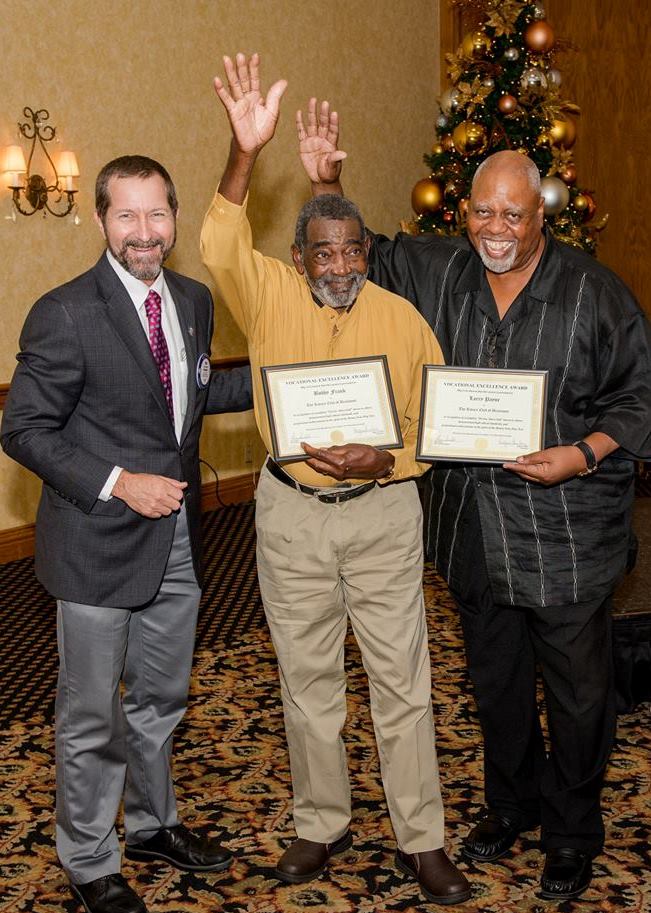
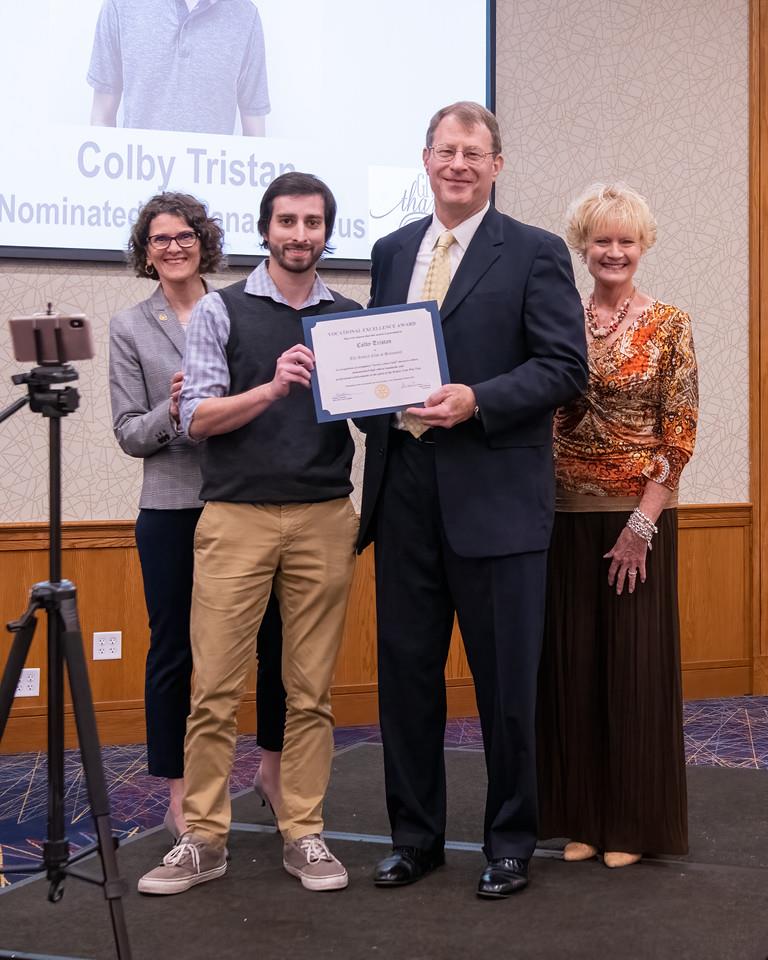 vocation and daily work. The annual meeting when Rotarians recognize Vocational Excellence Award recipients is a wonderful time to applaud the good work of others in their chosen profession and in our community.