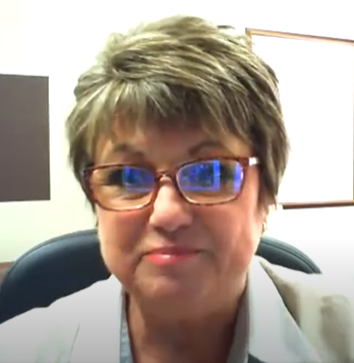
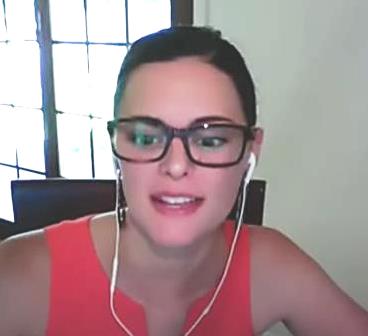
Kim Phelan introduced the topic of mental health, “brain health,” to the club. Her philosophy of dealing with children and juveniles is to approach them with “Help me to understand you” instead of “What is wrong with you”. She is an advocate for justice for the underserved.
Covid-19 brings additional issues to children and juveniles due to social isolation, home schooling and the economy. She then introduced Sally Broussard to discuss what mental illness means.
Mental health is currently defined in DSM-S (Diagnostic & Statistical Manual of Mental Disorders). Every year 1 of 5 persons experiences some sort of mental issue, 1 in 25 have serious mental health issues that require hospitalization and treatment, 1 of 12 have substance issues rising to the level of mental health issue. Recognizing what is not normal in individuals is important: sleep and appetite changes, mood change, social withdrawal, loss of interest in anything, and feeling disconnected are a few of the signs that some sort of treatment is necessary.
Treatments could be psychotherapy, psychopharmacology, or neurotherapeutics. The biggest problems in mental health are caused by the utilization of meth and synthetic marijuana or other synthetic items that are sold for low prices. These drugs change the brain and treatment becomes very difficult.
Bree Babineaux and Sally Broussard both discussed additional concerns that individuals have due to Covid-19: fear and worry, changes in sleep patterns, increase in drug and alcohol use, isolation, anxiety over job security, getting sick, loss of friendship connections, and new standards are uncertain. It is important to try and verbalize these feelings and also to talk to your kids. There is support out there through telephone, email, mail and texting.
Bree started with the quote “Anything that is mentionable means that it can be manageable”. There is hope as mental health problems are treatable through national screenings that are available (check mhascreening.org and 211.org for resources). It is important to recognize the feelings one is having, to try to recognize the positive in things, to eliminate toxic influences, to create healthy routines and to support others/listen.
This was a very informative discussion by three professionals dealing with mental health in various surroundings. The most important message was MENTAL HEALTH IS TREATABLE.
You can watch the presentation here via the recorded meeting.
or link to the Zoom page which includes all of the past recorded sessions
* * * * * * *




.png)














.jpg)