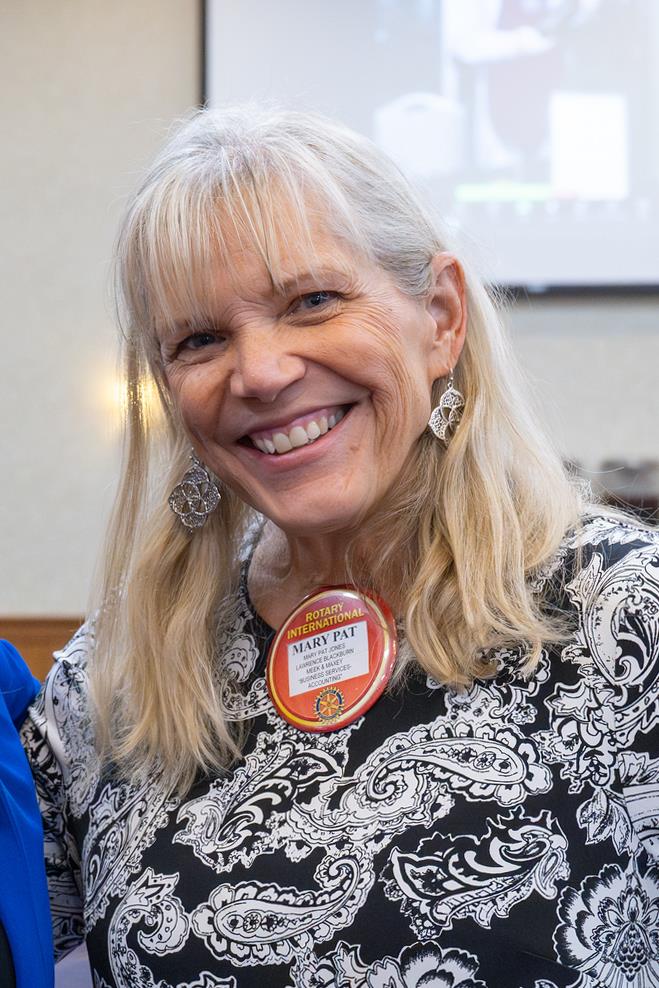
President Uliana Trylowsky welcomed attendees to the Rotary Club of Beaumont meeting, emphasizing the club's mission of creating lasting change globally and locally. She reminded on line participants to mute their microphones and check social media before the meeting.
Jacques Gagne led a prayer for healthcare professionals. Fabiana Baum led the pledges, and John Lee introduced our guests.
Stephanie Harris thanked everyone involved in the recent "Wine Down with Rotary" event, which was successful with a live auction and raffle. She also announced the next event date for October 22, 2026.
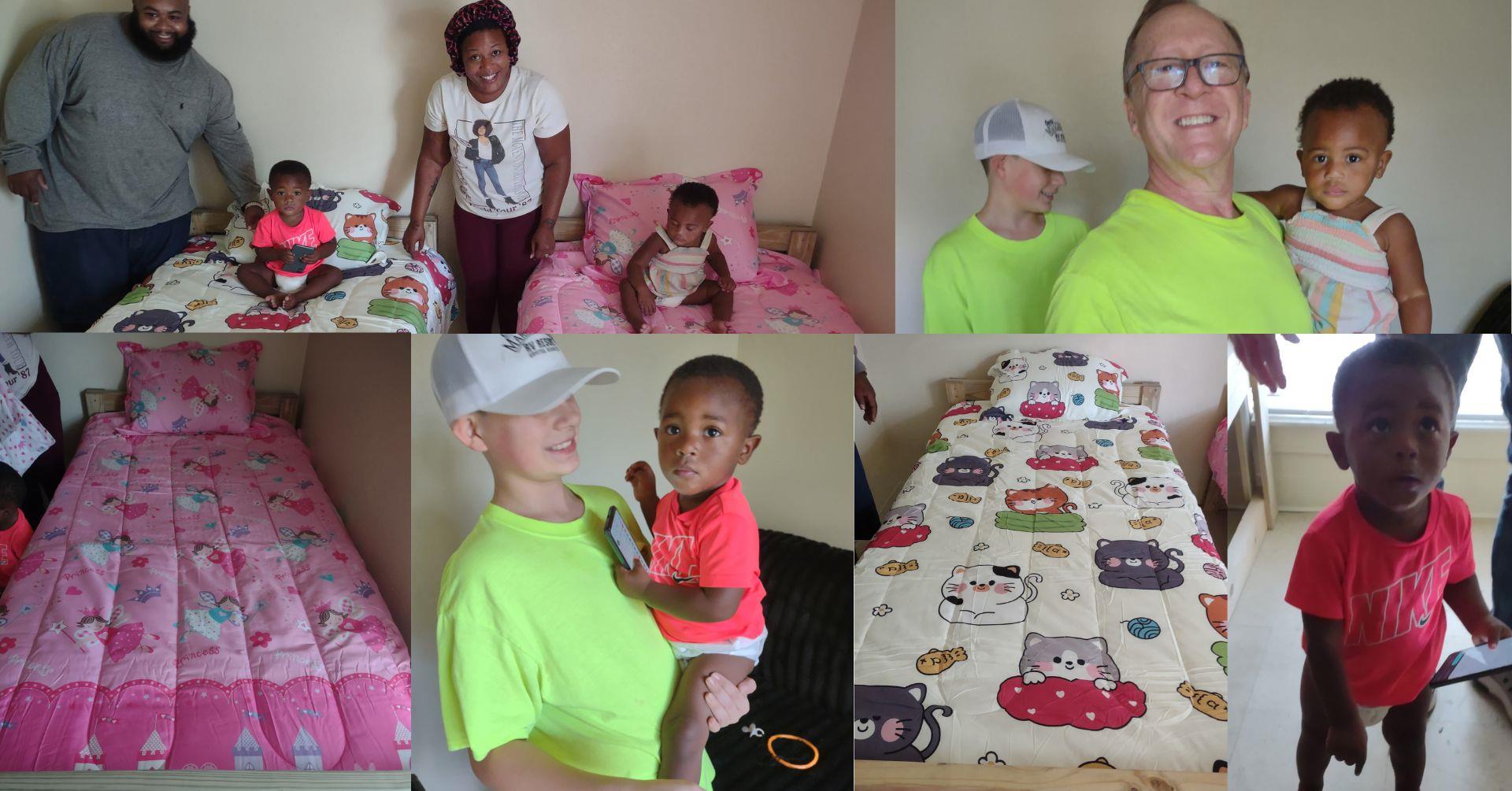
Steve Shoemaker encouraged Rotarians to participate in the upcoming Sleep in Heavenly Peace bed delivery event on Saturday, emphasizing teamwork and the joy of helping families.
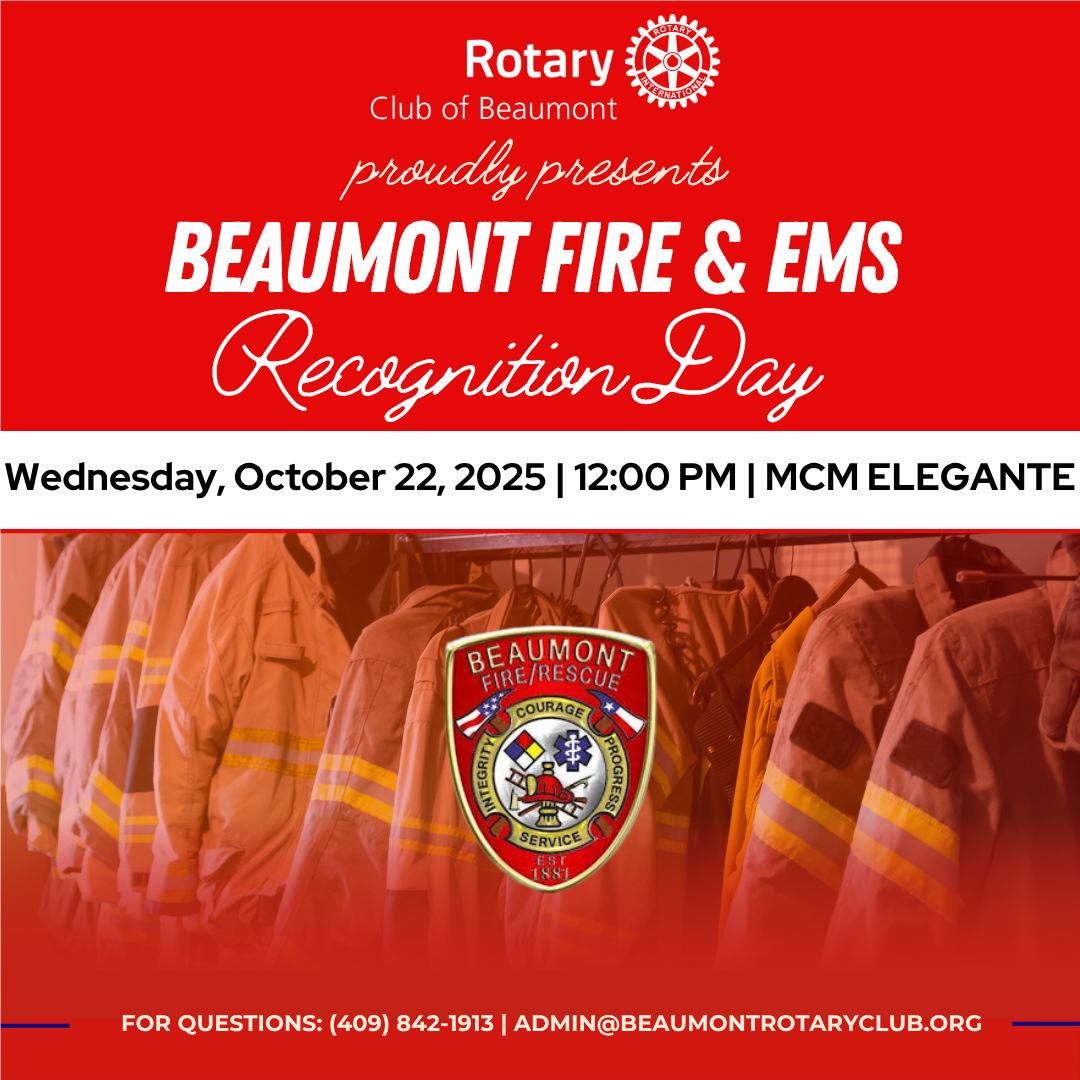
Next week’s Fire and EMS Appreciation event was promoted, urging a full attendance to show support for first responders.
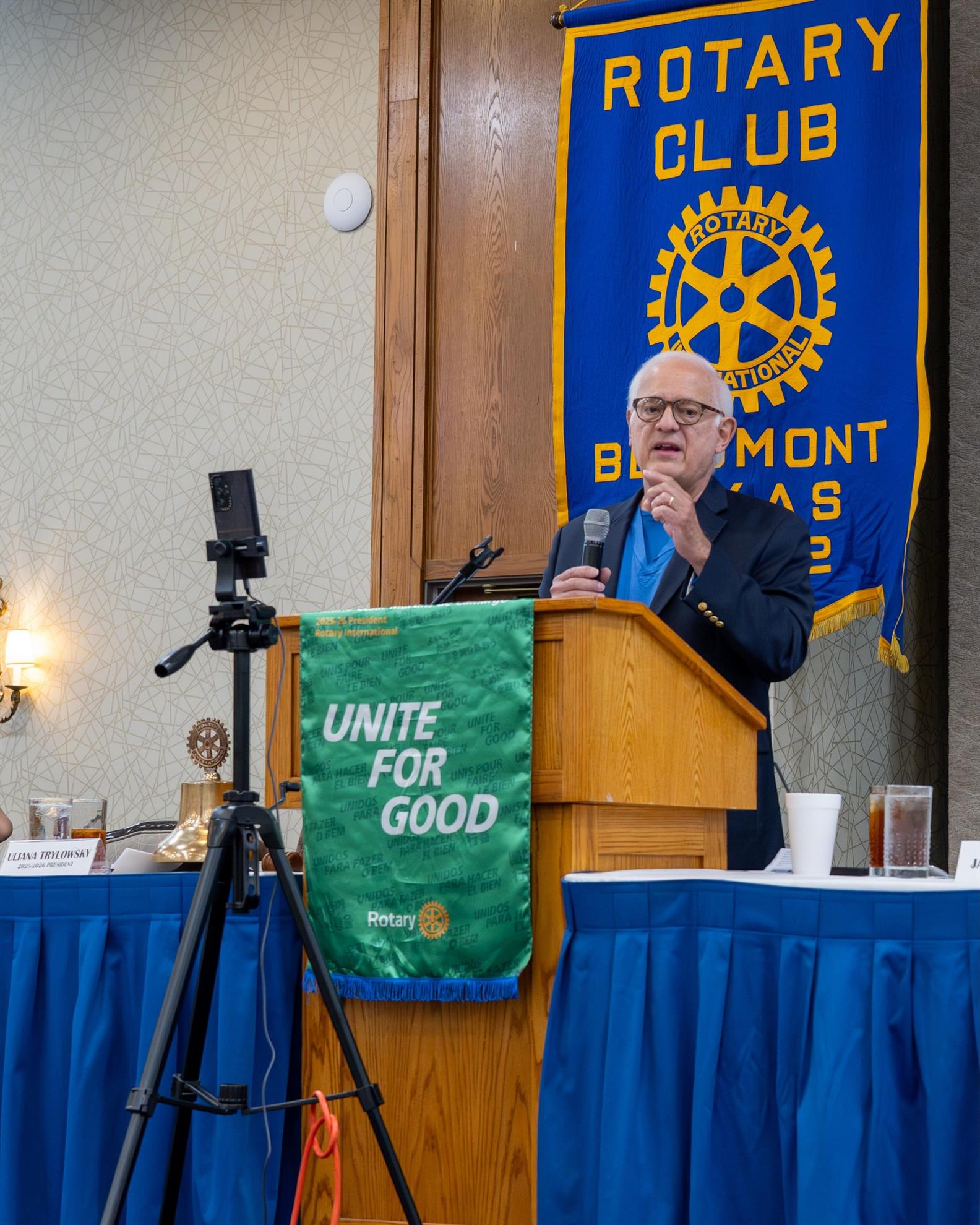
Gigi Mazola introduced Dr. Rodolpho Sotolongo (who happens to be her dad) as our guest speaker.
Dr. Sotelongo, an accomplished interventional cardiologist and president of Southeast Texas Cardiology Associates, shared his extensive career in cardiovascular medicine, highlighting his contributions to research and patient care. He discussed the development and success of transcatheter aortic valve replacement (TAVR) procedures, which he and his team at Baptist Hospital have performed over 700 times with a high success rate. Dr. Sotelongo emphasized the importance of cardiovascular advancements and expressed pride in the medical capabilities available in Southeast Texas, where he has practiced for 50 years.
Dr. Sotolongo discussed two minimally invasive procedures: transcatheter aortic valve replacement (TAVR) and percutaneous endovascular aneurysm repair (PEVAR). He explained that TAVR has significantly improved patient outcomes, with most patients being discharged the day after the procedure, compared to the traditional open-heart surgery which required a week-long hospital stay. He also described PEVAR as a less invasive alternative to open surgery for abdominal aortic aneurysms, highlighting its success in treating elderly patients with minimal recovery time. He emphasized the importance of choosing the right medical facility for complex procedures, noting that Houston's medical center offers world-class expertise for rare conditions within a reasonable distance.
Dr. Sotolongo discussed advancements in carotid stenting, explaining how doctors can use catheters to treat blockages in the carotid arteries without surgery. He also described the Impella pump, a small device that can provide circulatory support to patients in cardiogenic shock by pumping blood directly from the ventricle to the aorta. He highlighted his previous research on cardiogenic shock, which involved studying heart attack patients in the
1980s and defining the condition based on measured blood flow rather than just low blood pressure.
He discussed his experience giving a lecture on cardiogenic shock and receiving a standing ovation.
He then explained the causes and symptoms of stroke, emphasizing that atrial fibrillation is a preventable cause of stroke. He described atrial fibrillation as an electrical malfunction in the heart, where the atria fibrillate 400-600 times per minute, leading to weak contractions and increased risk of blood clots.He explained the medical condition of atrial fibrillation, where the receiving chambers of the heart move rapidly without contraction, leading to blood pooling and the risk of clot formation and stroke.
He described his role as an interventional-structural cardiologist and his partnership with another doctor who shares similar training and personal connections.
Dr. Sotolongo also discussed May-Thurner syndrome, a condition where the left common iliac vein is compressed by the right common iliac artery, leading to potential complications such as blood clots and venous ulcerations. He highlighted the importance of awareness and treatment options for this condition. He discussed his experience diagnosing and treating iliac vein thrombosis using ultrasound and stenting, highlighting the importance of modern techniques in preventing amputations for patients with peripheral arterial disease. He emphasized the high mortality rate associated with PAD and the need for early vascular consultations.
Dr. Sotolongo also described new developments in cardiovascular treatments, including coronary calcium scoring, CT angiograms, and a device for monitoring heart failure patients.
Dr. Sotolongo discussed the importance of sleep studies, particularly for detecting obstructive sleep apnea, which can significantly increase cardiac mortality in heart failure patients if untreated. He highlighted a new app that conducts home sleep studies using sensors and mentioned the development of implantable devices to correct sleep apnea, noting that CPAP is becoming less effective. He also spoke about advancements in cardiovascular medicine, including genomics, proteomics, stem cells, and artificial intelligence, predicting a bright future for these fields. He addressed a question about calcium score frequency, recommending every two to three years for those on treatment, and emphasized the importance of early detection and prevention of coronary disease using CT angiography.
He concluded by mentioning advancements in heart failure treatments, such as subcutaneous Lasix injections and new drug delivery methods.
The conversation ended with a donation announcement to the Rotary Foundation in the area of disease prevention and treatment.
The club was reminded about the upcoming fire recognition program and encouraged to bring guests.
The meeting was closed with the club reciting the 4 Way Test and President Uliana Trylowsky ringing the bell.