by Diane Bass
BLADE is the acronym for Beaumont Light Atmospheric Distillation Expansion. The modular build project will be a third crude unit within ExxonMobil’s existing footprint. The new unit will expand light crude oil refining capacity, supported by the crude oil production in the Permian Basin.
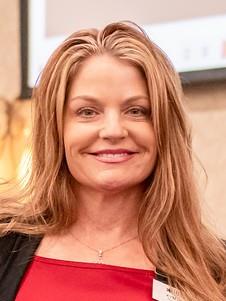
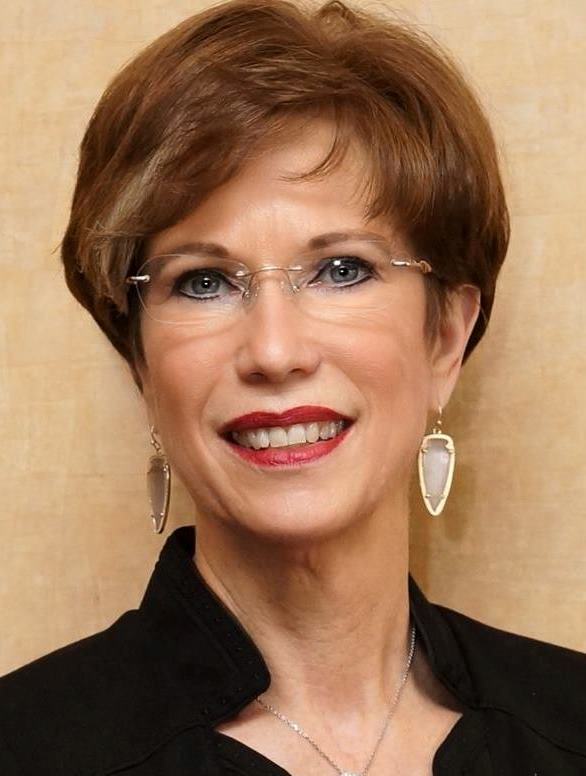
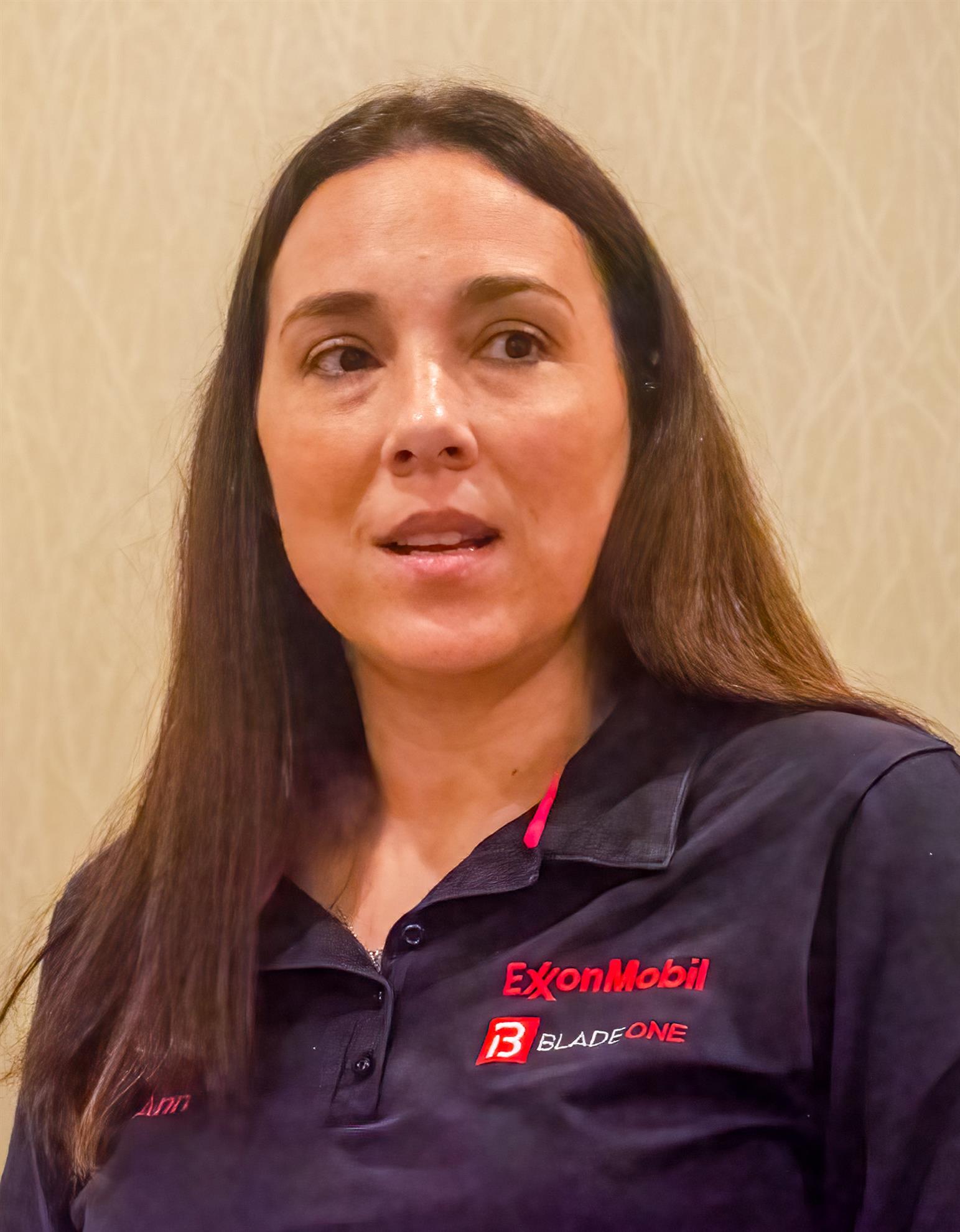
Ann Colwell is currently the Venture Executive for ExxonMobil’s Beaumont Light Atmospheric Distillation Expansion (BLADE) project and oversees the project’s goal of creating a third crude unit within the refinery’s existing footprint, increasing light crude refining capacity by more than 65%, or 250,000 barrels per day. Once fully operational, the expansion will enhance the refinery’s position as a leader in the United States. Ann has over 20 years of manufacturing and project delivery downstream experience and holds a BS in Chemical Engineering from the University of Colorado.
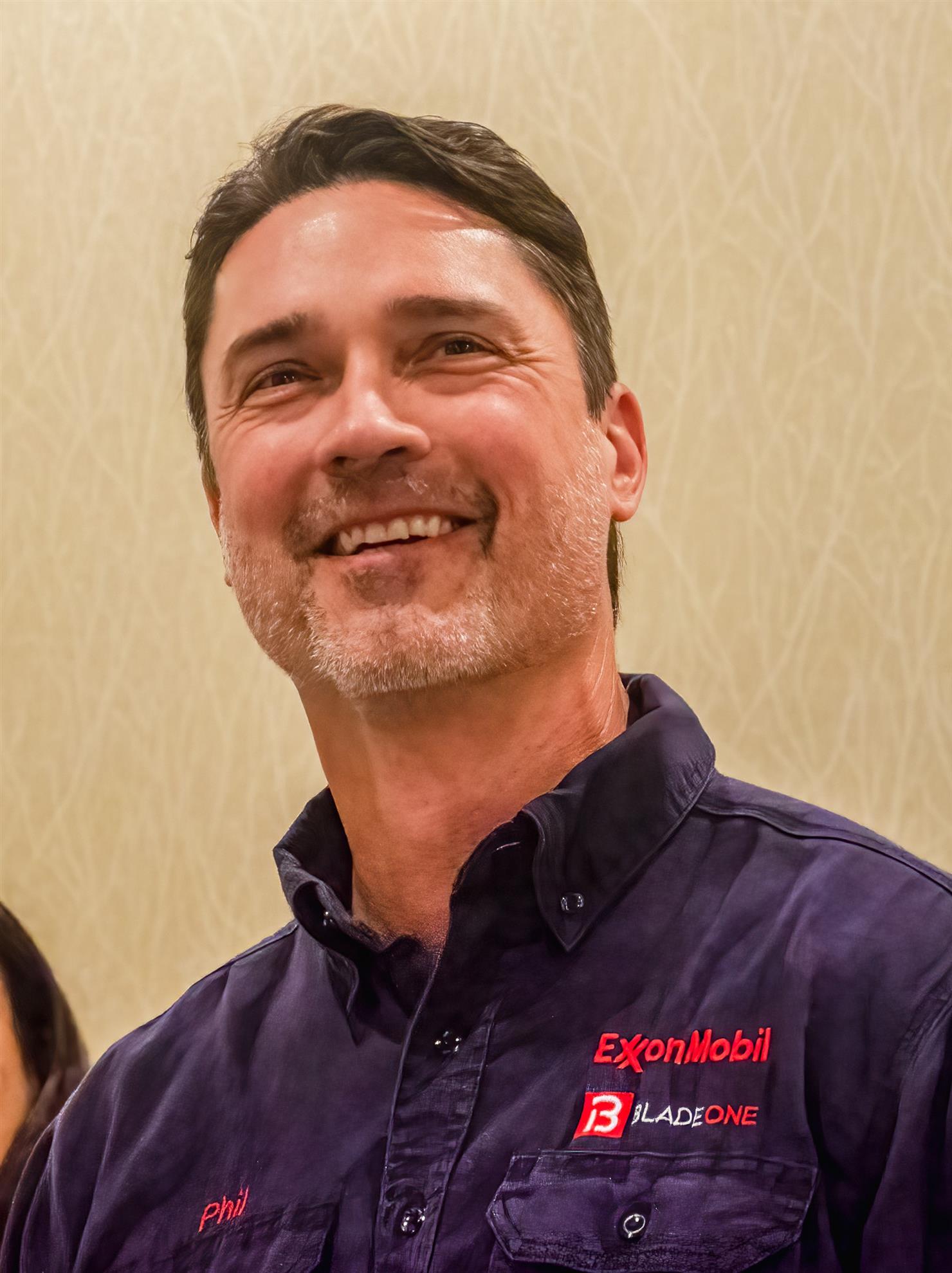
Phil Stallman is Project Director for ExxonMobil’s Beaumont Light Atmospheric Distillation Expansion (BLADE) project and Baytown Chemical Expansion Project (BCEP) and oversees all aspects of project execution. BLADE is creating a third crude unit within the Beaumont Refinery’s existing footprint and BCEP includes a linear alpha olefins (LAO) unit and a solution polymer unit (SPU). Both projects are currently in the construction phase. Phil has over 30 years with ExxonMobil and has held various leadership positions in several parts of the corporation.
Community support is a key ingredient for a major expansion of a manufacturing facility. The Southeast Texas workforce is truly professional. Safety is primary and the senior project manager put together a great team both on the ExxonMobil side as well as the contract partners to ensure that safety is a priority.
BLADE is expanding the footprint of the Beaumont refinery. The backend of the refinery has seen more capacity of crude processing, so it was a great fit for providing the additional facilities to make Beaumont one of the strongest assets in the manufacturing footprint. Once complete, the refinery expansion will make the site one of the largest integrated petrochemical complexes in the Americas, and the Beaumont folks like to say that they are now bigger than the sister sites in Baton Rouge and Baytown. Beaumont has some bragging rights and there is some internal competition among the sites. They work together but there is a little friendly competition to be bigger and better.
There will be 250,000 additional barrels per day of refining capacity which is huge. Some refineries have only 250,000 barrels per day total, and this site is adding that to existing capacity. Most other competitors are shutting down and they are one of the few expanding.
The construction of the BLADE project is located deep within the plant site so you cannot drive by and see it. This created some logistical challenges. Mid-2019 was the beginning of the construction. The area chosen was about four feet above sea level, so it needed to be raised. So, about a million cubic yards of dirt which is about 8,000 dump trucks was needed to raise it to about fourteen feet. At that time there was a significant amount of piling done. Then the concrete work was being done while the modules were being fabricated off site at the fabrication yard. That was part of having an integrated schedule.
Then COVID hit and the project was paced but the module construction continued and was delivered and set in place during this period. This left a tremendous amount of work that needed to be done – about a million and a half to two-million-man hours left.
BLADE One (1) – what does that mean? Does that mean that there will be a BLADE Two (2)? What it means is the culture - The One Team culture. One of the top priorities from day one was One BLADE Team. It wasn’t just ExxonMobil but everyone working on the team which included the contractors and the subcontractors. They were purposeful in setting up the site. World class facilities in place, training, top-notch lunch facilities, paved walkways – a clean site is a safe site, and a safe site is a productive site. It all fits together.
Also, a culture of respect and trust. Routinely celebrating wins. The project was designed to be a good neighbor. The biggest impact on the neighborhoods that could have been was the hauling of materials. The first thing was the roll on roll off dock and the partnership with the Port of Beaumont to maximize the use of the Neches River to reduce the amount of cargo going down the roads of the neighborhoods. They built a 1.7 mile stretch of roads that connected the site to the nearby highway to remove the traffic from going through the neighborhoods. This took a tremendous amount of planning and foresight.
Part of the community involvement was and is to engage and promote the job opportunities by promoting the opportunities at LIT for job development skills. They also invested in training which includes virtual modules which are fully immersive. You can walk down paths to see where installations are. Also, a simulation of emergency events is included. The plant will be fully digital, and this technology is transferrable to other sites. This is an exciting project and will impact the future of the Beaumont area as well as worldwide.

.png)


.png)









.jpg)

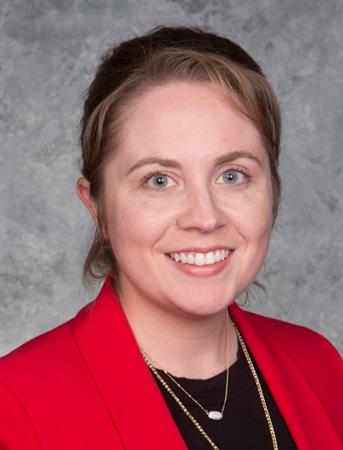


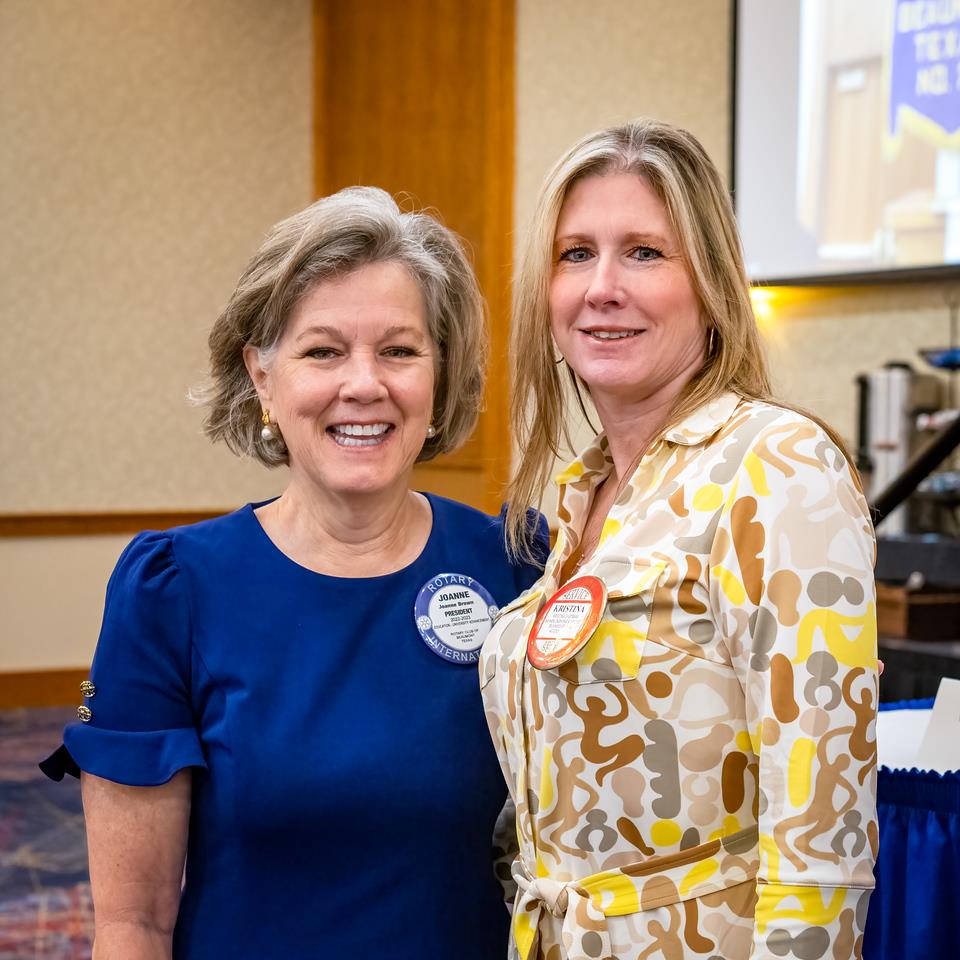 President Joanne Brown welcomed the first new member of the year to the Club on August 3.
.jpg)