Location: KHSD Career and Technical Education Center (CTEC)
Flag Salute: Crossroads Color Guard
National Anthem: Mixed Company
Our all-club meeting had a bit more pizzazz in the agenda, with rotary dignitaries and esteemed guests joining us at KHSD Career and Technical Education Center (CTEC). A delicious lunch and dessert was served by the students of the ROC Culinary Arts.
PROGRAM SPEAKER - ERIK BARTSCH, PRESIDENT + CEO OF AERA ENERGY
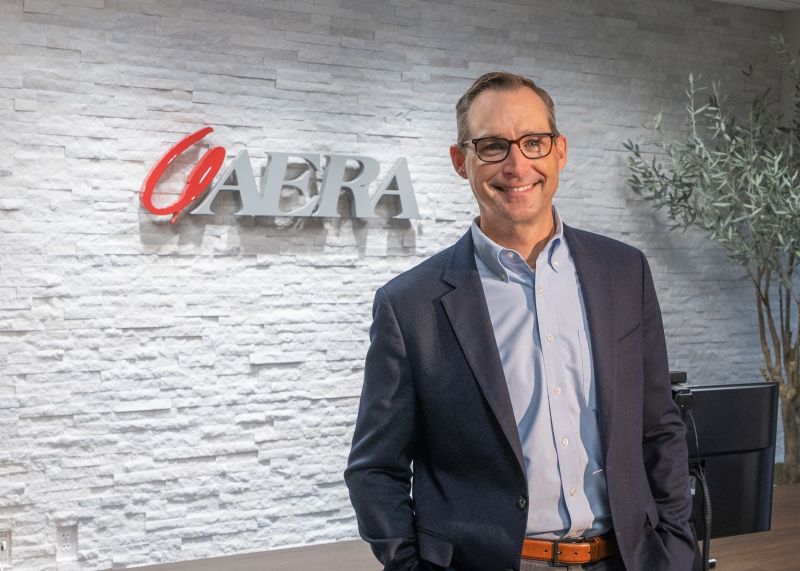
Erik Bartsch, president and CEO of Aera Energy, brings over 20 years of energy industry experience. Previously at Shell, he held management roles globally, focusing on safety and environmental initiatives. Committed to safe and responsible energy production, he aligns with California's climate goals. Bartsch, a California native, holds geology degrees from UC Santa Barbara and the University of Colorado and relocated to Bakersfield in 2020.
____
In Erik's address to our Rotary clubs on the future of energy in California, he intertwined personal narratives with historical context to underscore the state's legacy of innovation and resilience. Drawing inspiration from the stories of his ancestors, such as Jack Todd and Max Whittier, Erik shared the spirit of entrepreneurship and community collaboration that has long shaped California's energy landscape.
As the speech transitioned to the present, Erik emphasized the urgent need to strike a delicate balance between economic prosperity and environmental sustainability. He outlined the formidable challenges confronting the oil and gas industry in Kern County, particularly highlighting issues such as declining production rates and permit delays. Erik underscored the industry's pivotal role as a major contributor to Kern County's tax revenue, illustrating its profound impact on local economies.
Addressing the pressing issue of climate change, Erik acknowledged California's ambitious goal of achieving net-zero emissions by 2045. He advocated for a phased approach to energy transition, stressing the importance of providing affordable energy, reducing greenhouse gas emissions, and ensuring energy security for all residents.
Erik also shed light on the disconnect between state policies and industry realities, pointing out the glaring discrepancy between the California Air Resources Board's (CARB) scoping plan and actual permit issuance rates. He warned of the potential consequences of prolonged permit delays, including supply disruptions and heightened costs for consumers.
In response to these challenges, Erik called for greater collaboration between industry stakeholders, policymakers, and community leaders. He urged community leaders, particularly those in Bakersfield, to actively engage in discussions about the evolving energy landscape and to advocate for policies that facilitate a smooth transition to renewable energy sources.
Erik's speech holds particular significance for residents of Bakersfield due to the city's deep ties to the oil and gas industry. As a major hub for oil production, Bakersfield relies heavily on the success of the energy sector for its economic prosperity. Therefore, understanding the challenges and opportunities facing the industry is crucial for local residents, businesses, and community leaders alike.
The decline in oil production and the challenges posed by permit delays directly impact the local economy in Bakersfield, with oil and gas companies being top contributors to Kern County's tax revenue. Any downturn in the industry can have ripple effects on public services, infrastructure development, and job opportunities within the community.
The transition to renewable energy sources and the need to reduce greenhouse gas emissions have long-term implications for Bakersfield's sustainability and environmental health. Residents of Bakersfield play a vital role in supporting and implementing initiatives that promote clean energy adoption and mitigate the impacts of climate change.
Erik's speech serves as a call to action for Bakersfield residents to engage in dialogue and advocacy around energy policy and environmental stewardship. By understanding the challenges facing the energy sector and working collaboratively to find solutions, residents can help shape a more resilient and sustainable future for their community, grounded in principles of economic growth and environmental stewardship.

 Shannon LaBare is the founder of Purveyor Branding Co., where she helps businesses transform into beautiful, compelling brands that get results through brand strategy, storytelling, design, and marketing.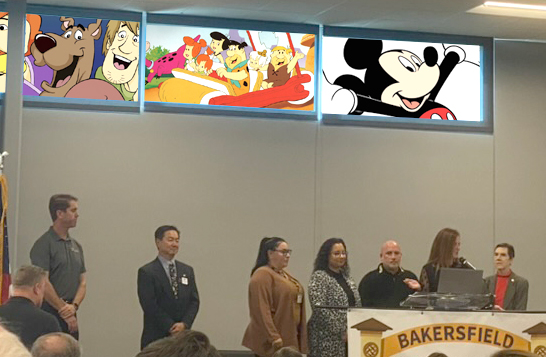
.jpg)
.png)