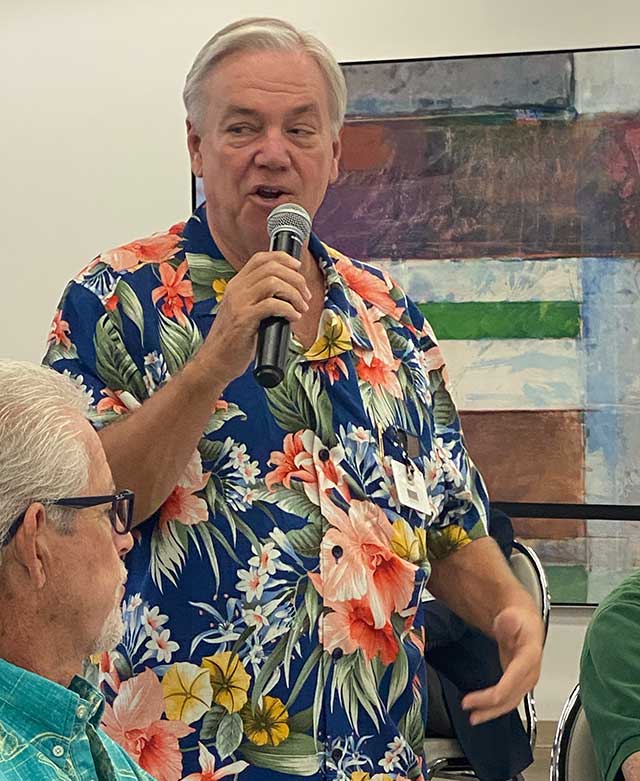
Bio: Ken Beurmann is the CEO of TERRIO Physical Therapy, but he is probably better known at this time as the Immediate Past President of the Downtown Rotary Club of Bakersfield.
Invocation: Sam Newland
Flag Salute: Larry Reider
Song: Bee Barmann
Greeter: Dave Morton
Roving Mic: Rick Anthony
Good News Announcements:
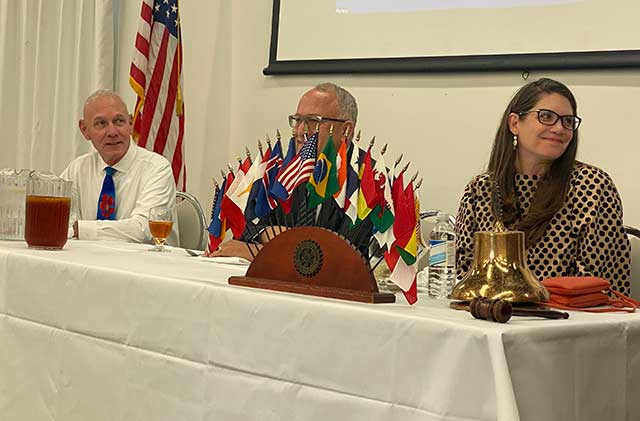
President Justin announced that September 23rd was Redhead “Appreciation” Day, and then he made several references to multiple redhead appreciation days throughout the year – which every redhead in the audience appreciated (most of all Past President Ken). Mike Willis commented that everyday should be Redhead Appreciation Day.
__________________________________
Jim Baldwin announced that today was sadly his last meeting as a Downtown Bakersfield Rotarian. Jim thanked the Club for a wonderful personal experience, and for the Club’s support of BARC throughout the years. He announced that on Tuesday he and his wife, Brenda, would be moving permanently to Pinehurst, North Carolina. He let the Club know that we are all welcome to come join him anytime for a round of golf! Jim – thank you for your many, many years of service to our Club and our community!!
__________________________________
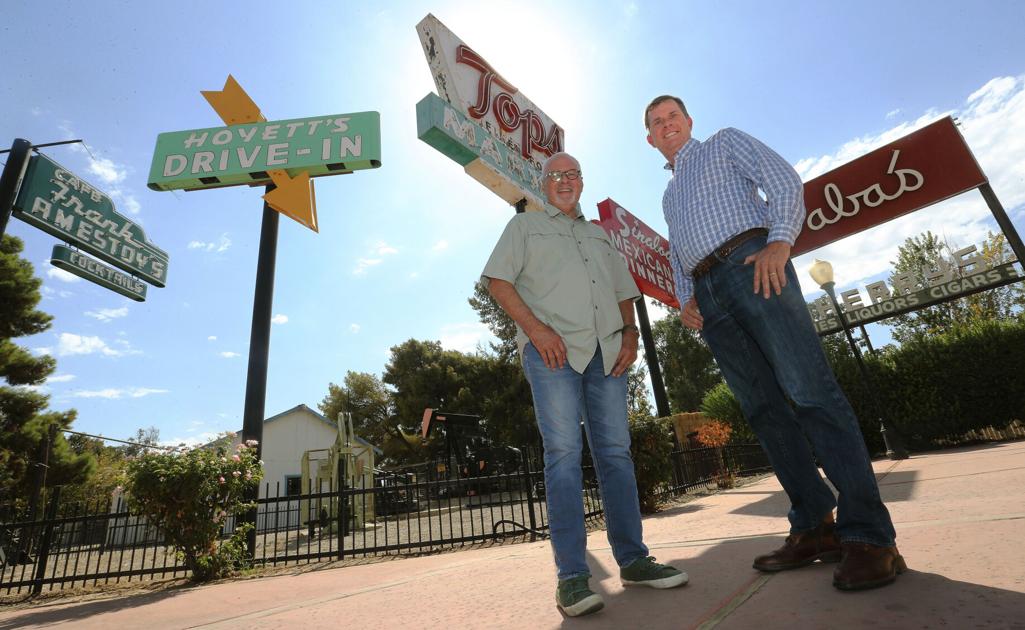
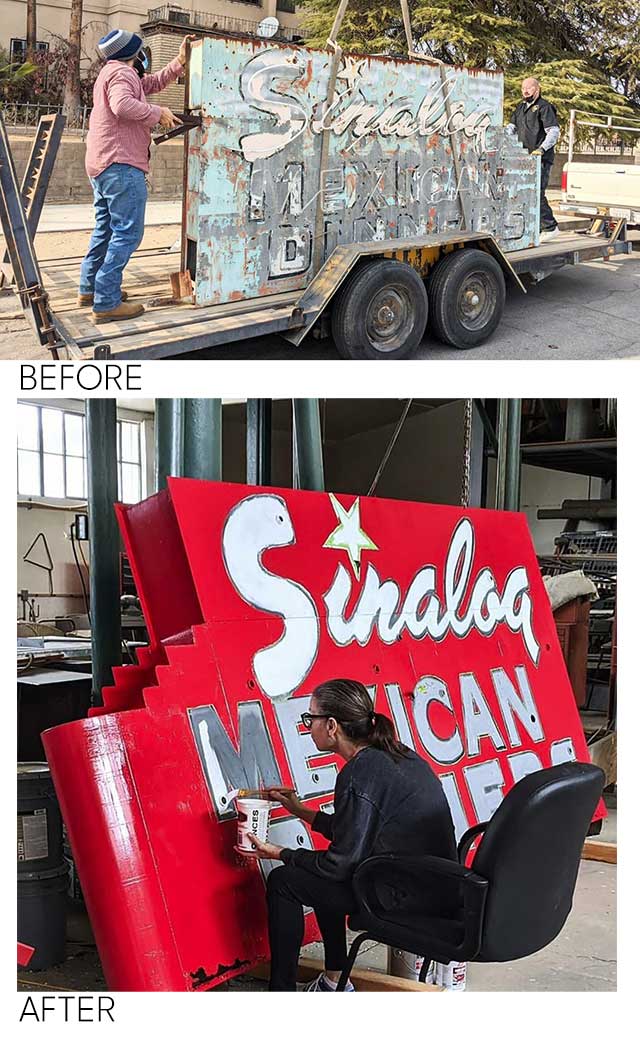
Mike McCoy announced that this past Saturday the Kern County Museum displayed 25 iconic neon signs, and that our very own Sheryl Barbich was the one who “flipped the switch” to display them.
__________________________________
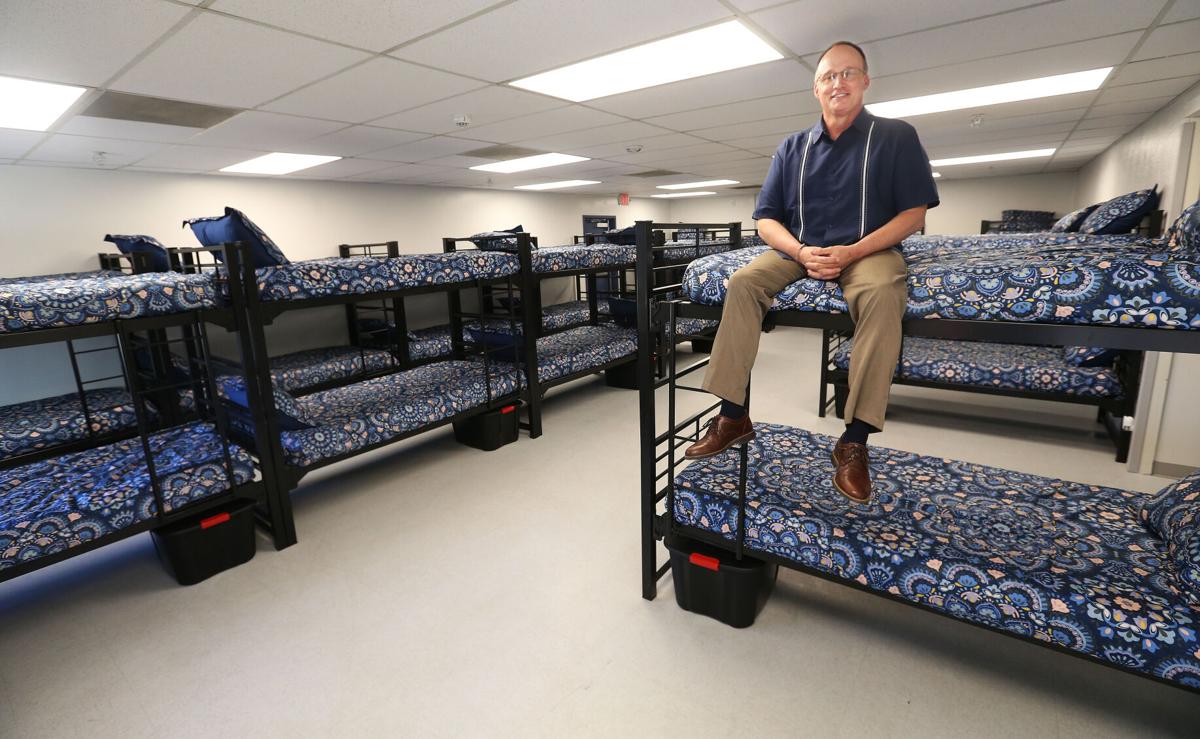
Louis Gill announced that the Bakersfield Homeless Center has announced Lauren Skidmore as their new CEO, and Louis’ last day with the organization will be September 30th.
__________________________________
Program:
Steve Sanders introduced speaker Megan Person from the NASA Armstrong Center.
Megan shared with the Club that NASA has ten locations spread across the US, and that the NASA Armstrong Center is located at Edwards Air Force Base in Eastern Kern County.
The mission of the NASA Armstrong Center is to perform flight research and technology integration to revolutionize aviation and pioneer aerospace technology; to validate space exploration concepts; and to conduct airborne remote sensing and science observations.
Megan discussed several innovative projects that are currently being worked on at the Armstrong Center, stating: “we take the imagined to the real.”
One such project was the innovation of drone delivery services. Megan discussed that in the very near future drones will not only be delivering Amazon packages, but also people via skyway taxis. Megan actually predicted that in 10 years humans will be lifted up vertically by “Uber Drones,” and these drones will then fly you to your desired destination like a taxi. The Armstrong Center is currently researching helicopter cranes to emulate and use for drone-delivery prototypes.
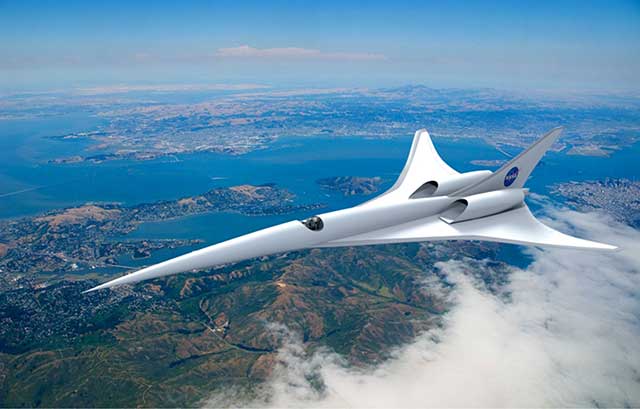
Another major project was the research, engineering, and test flight of a super-sonic commercial aircraft. Megan shared that a major challenge of super-sonic flight is that breaking the sound barrier creates a “sonic boom,” and the sonic boom is so loud that these aircraft cannot fly over land because it’d be too disruptive to humans and livestock. As such, the Armstrong Center is developing and testing new super-sonic aircraft designs that will allow airplanes to break the sound barrier without creating a sonic boom (or at least creating a much quieter sonic boom). The Low Boom Flight Demonstrator will be flight tested starting in 2022 at Edwards Air Force Base. The X-59 is designed with no windows – so the pilot flies it via a video screen. The X-59 travels at a speed of 1.3 times the speed of sound, and it flies at 50,000 feet. By 2023 the Armstrong Center hopes to be able to test fly the X-59 over cities so that NASA can collect “public opinion surveys” asking if the plane is too loud or disruptive when flying over communities. The hope is the plane will be fully implemented by 2026.
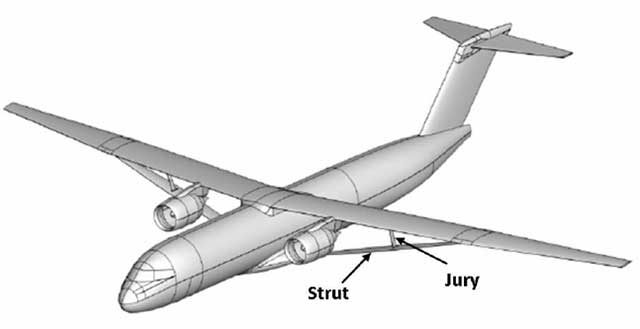
Other projects being worked on at the Armstrong Center include a new wing design mounted on standard commercial aircraft to create a more aerodynamic and fuel efficient plane. They are also working on a battery-powered, fully electric version of a standard jet-fueled aircraft.
The Armstrong Center is also working on making technology that currently helps prevent crashes in an F-16 widely available to all commercial and private aircraft.
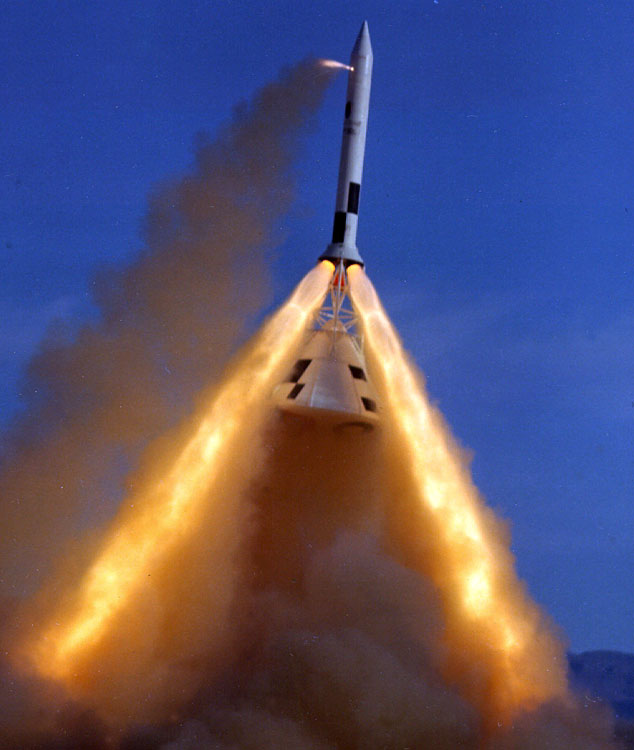
Finally, the Armstrong Center recently developed the “abort” system used on NASA rockets that would allow the astronauts to safely abort after takeoff should a problem occur.
Please add mailservice@clubrunner.com to your safe sender list or address book.
To unsubscribe from future e-mails, click here.
To forward this email to your friends, click here.
To view our privacy policy, click here.



.jpg)