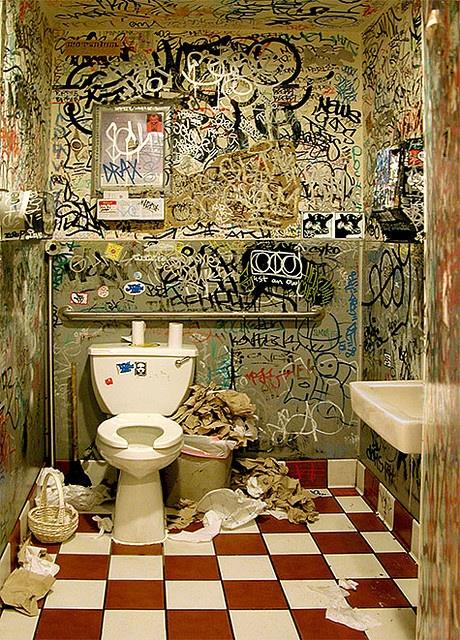
As we head into the holiday season, our meeting reminded us of the power of fellowship, service, and showing kindness wherever life takes us—even when the topic flows straight into wastewater. While the subject matter may not always be glamorous, the work (and the impact) is anything but crappy.
Invocation: Clint Trimmer
Pledge: Justin Lealand
Song Fail: Bill Lever
Community Service Spotlight: Wreaths Across America
Bill shared highlights from this past weekend’s Wreaths Across America effort at the Bakersfield National Cemetery.
7,744 wreaths were placed in a remarkably short time
Volunteers worked together seamlessly—like “ants attacking a job”
Families participated together, including children
Names of fallen service members were spoken aloud to ensure they are never forgotten
Salvation Army Bell Ringing Results
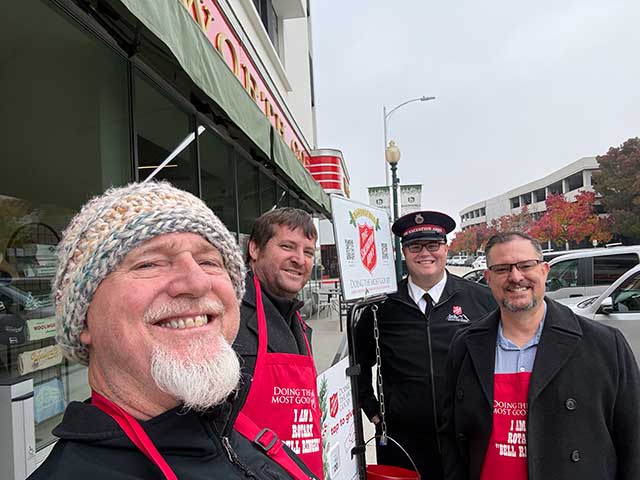
Thanks to everyone who volunteered to ring bells this season. While totals were a bit lower than previous years, every dollar still made a meaningful impact—and nothing here went to waste. (Amounts below are most likely inaccurate, but close)
2024 Total Raised: $6,902.91
(Compared to $11,277 in 2023)
By Location:
President’s Bucket (meetings only): $465.75 (new record!)
24th Street Cafe: $819.01
Wells Fargo: $913.02
Luigi’s: $1,950
Woolworths (Justin Leland & crew): $2,007
Thank you to everyone who gave their time—and their voices—to greet the community.
Good News That Doesn’t Stink
Tomorrow at the fairgrounds, the Salvation Army will assist 300 Bakersfield families and over 600 children with toys and food—turning community generosity into a truly merry outcome.
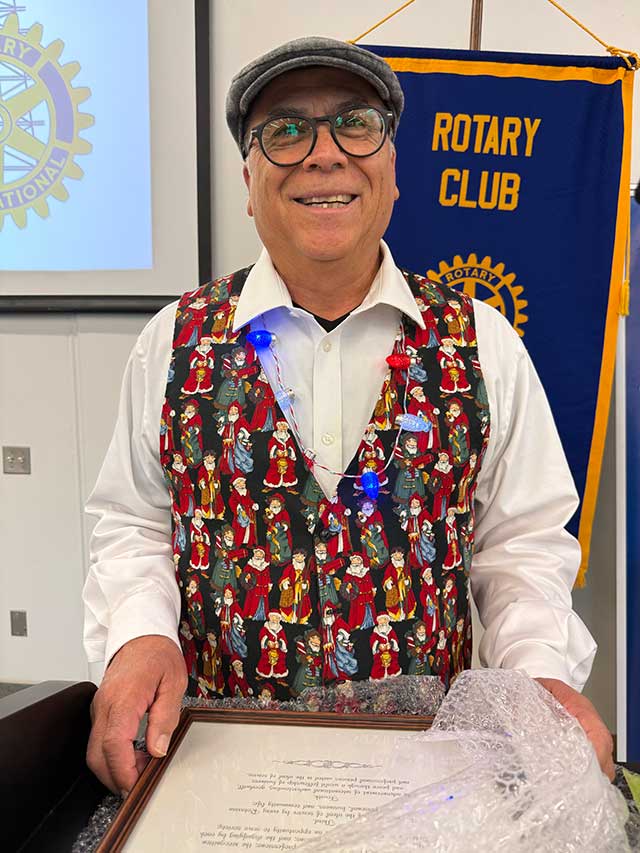
A Rotary plaque outlining the Object of Rotary was donated by Sheryl Barbich, reinforcing our commitment to service, ethics, and doing the right thing—even when the work is underground.
Program: Understanding Bakersfield’s Wastewater System
Our featured presentation delivered a crash course on Bakersfield’s wastewater and sewer system, proving once and for all that what goes down must come back up—in the form of planning, maintenance, and funding.
Key takeaways:
The city maintains over 1,100 miles of sewer pipe, multiple lift stations, and two major treatment plants.
Aging infrastructure, increased population, and water conservation have led to higher concentrations of solids in the system.
Recent pipe determine issues highlighted the need for proactive planning.
Long-term projections show capacity challenges beginning between 2029–2033, depending on growth.
A 10-year infrastructure and financial master plan is underway to address maintenance, upgrades, and future expansion.
Multiple rate and financing scenarios were presented, including options with bonding to spread costs fairly over time.
The presentation emphasized that sewer funds are legally restricted and can only be used for wastewater services and infrastructure.
Wrapping It Up (With the Lid On)
The meeting concluded with thoughtful questions about long-term planning, accountability, and avoiding future messes. Thanks to our speaker for making a complex topic easy to digest—and to our members for proving that even sewage can be a solid conversation starter.
Because at Rotary, we don’t shy away from tough topics—we just treat them properly. 🚽✨
Sewer Facts You Didn’t Know
Gravity does most of the work. Wastewater systems are designed so gravity moves sewage whenever possible—pumps are only used when absolutely necessary (electric bills matter underground, too).
“Flushable” doesn’t mean sewer-safe. Wipes, paper towels, and hygiene products are a leading cause of clogs—even if the package says otherwise.
Sewer pipes can outlive us. Some pipes in Bakersfield have been in service for 40–80 years, which is impressive… and also why proactive maintenance matters.
Less water = more concentrated sewage. Water conservation is great, but it means the same amount of solids moving with less water, increasing stress on the system.
Wastewater becomes reusable water. After advanced treatment, wastewater can be reused for irrigation—proof that what goes around really does come around.
Bacteria are part of the solution. Treatment plants rely on helpful microbes to break down waste. It’s teamwork—just on a microscopic level.
The biggest sewer problems often start at home. Grease, food scraps, and “just this once” items are responsible for many major blockages.
You rarely notice when it’s working. The best wastewater systems are the ones you never think about—until something backs up.



.jpg)