
Arlington's Embedded Social Worker Program
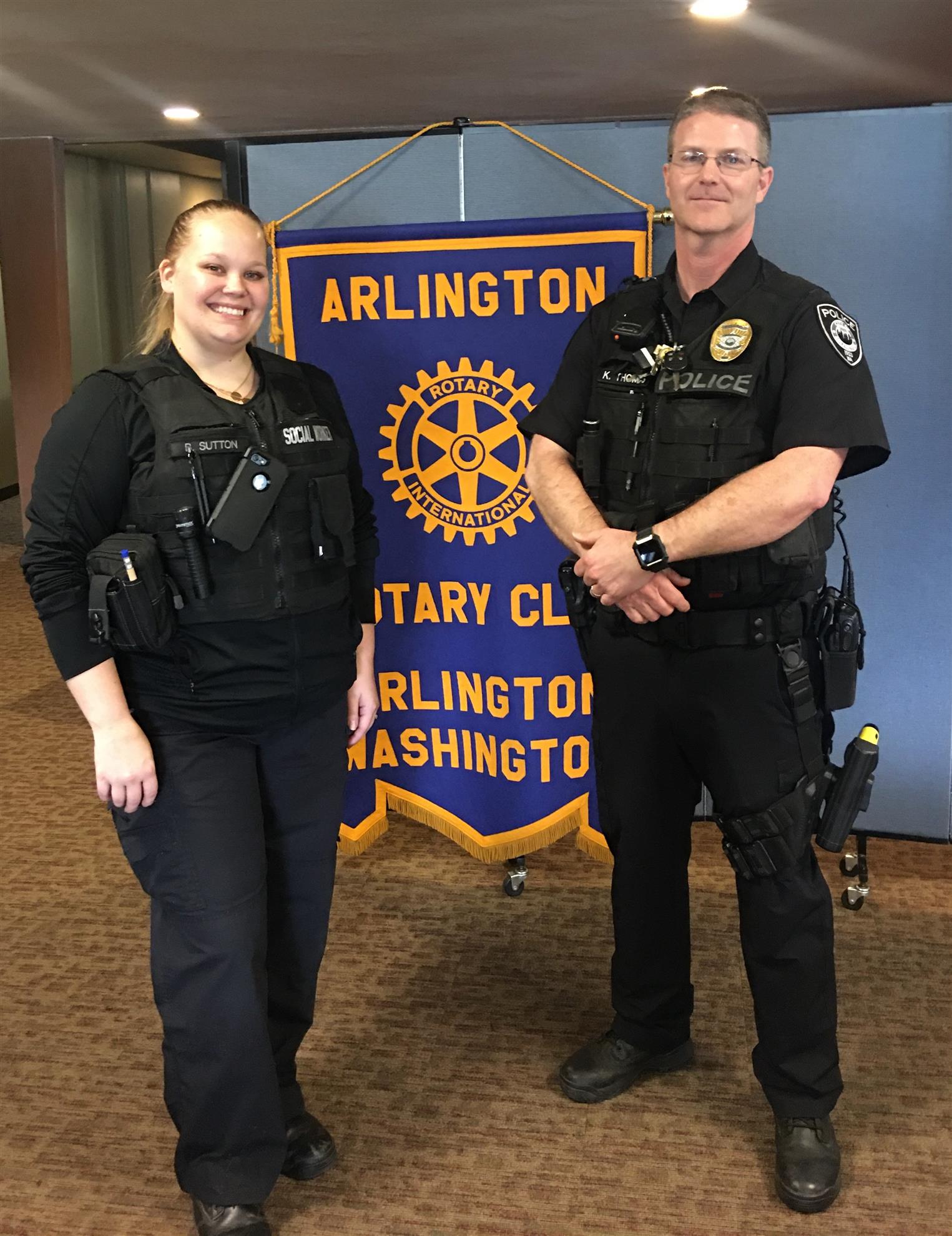
Brittany Sutton and Ken Thomas with the Embedded Social Worker Program in Arlington.
The program started the Community Outreach team in January of 2018. The program is supported by an effort between the City and Snohomish county. It is a voluntary Program. It is a combined team effort of Law Enforcement Social Services and Community involvement.
The north team consists of the Arlington Police Department, The Sheriff’s Department, The Marysville Police Department, Snohomish County Human Services and The Arlington Community Resource Center. Covers areas from North Everett up to Skagit County.
A Sergeant from the Sheriff's office runs the program with a Police officer from Arlington and Marysville and a social worker from Arlington and Marysville. The Sheriff Dept also will have an officer and a Social Worker, but they are working on these positions at the moment.
The Officers and Social Workers go out into the field to contact clients with direct contacts. There is an enforcement component. Many times, this starts with warnings. Eventually, when still violating laws enforcement has to happen. These individuals are still eligible for help even after arrested.
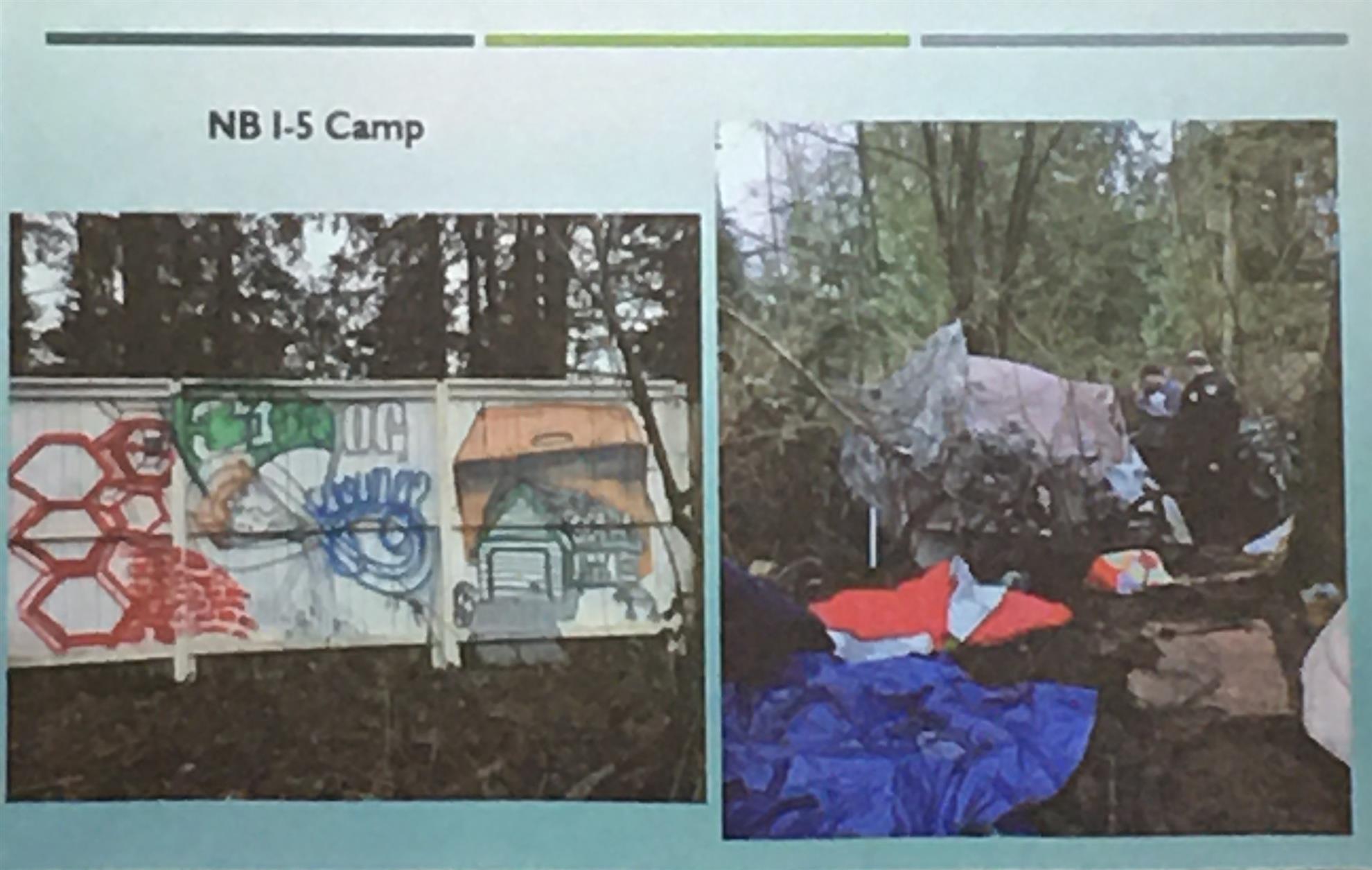
Many times they are able to go into camps and work with the property owners to help get camps moved out. It is a long process working. Now they are posting Trespassing signs to help in the process of moving people out.
They also are willing to meet people where they are. They will meet people where they can meet to get them the resources that they need. They also go to transit centers to check because many times the people they work with are there. Smokey Point is an area that they work in and is getting better. Contacting people takes time and understanding with people. This program allows Brittany and Ken to spend the time and the officers to go back to what they need to do.
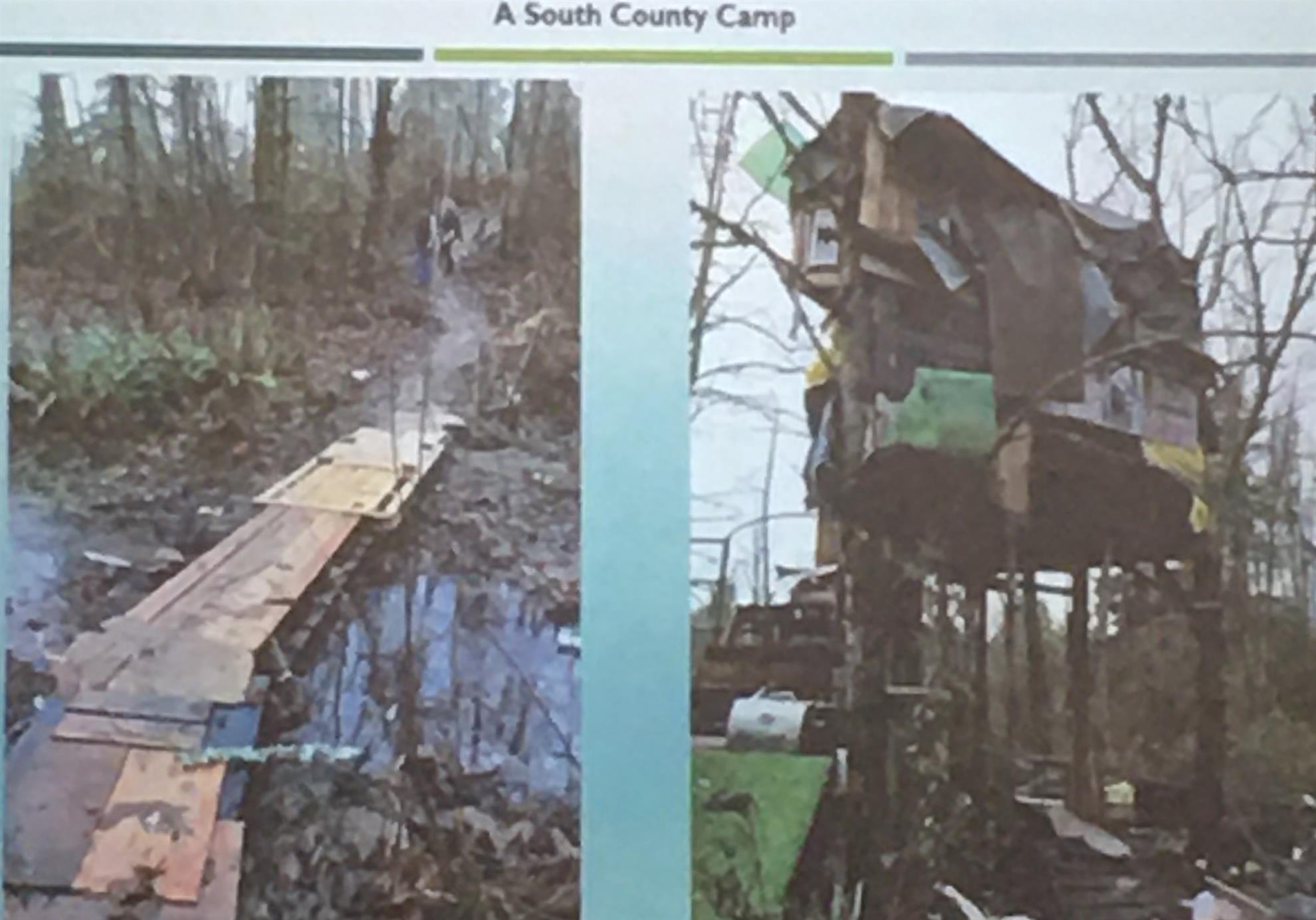
Ken and Brittany meet with Clients to get information and assess the needs. They then set up another appointment to figure out if they are willing and able to meet. After this they set up Chemical Dependency Assessments and Mental Health Assessments. They work with DSHS to get individuals State ID to continue treatment. They help them to obtain Birth Certificates and obtain medical insurance through the state and Medicaid. They help them through this process, get them to appointments and help them move along the process. They try to schedule pick up locations at a food source because that is an enticement to be there. They help to get people to court appointments, purchase clothes and the necessary items for employment.
After receiving assessment information Brittany is able to set up a bed date before a detox place so that they are able to leave detox and go straight to a bed. They go from a 5 day detox to a 30 day treatment. Sometimes it is less because of insurance changes. Last 2 weeks of treatment the client calls Brittany to discuss where they would like to be put in a Clean and Sober house. It is hard to find good Clean and Sober housing. Oxford houses, Travis Skann and Hoff Housing are all good Clean and Sober houses. Most of these are urban because they need to be close to a bus line in order to make appointments, get jobs and get services. There is still help needed for support and finding good housing is key. There is Men’s housing, Women’s housing, Couples housing and housing for parents. All individuals are put through coordinated entry to help with the housing process while they are becoming clean and sober.
Clients are followed for at least 6 months and many times Brittany hears from clients about their successes years later. The success rate is 70% plus. Success is rated differently. For people moving from living in a tent to becoming clean and sober. Successes are small. Making meetings, asking for help and not ending up back on the street. Sometimes there are just homeless people that don’t want to be helped. Ken and Brittany still check on them and help them so that they know that there is someone there for them when they need help.
Homelessness and substance abuse contribute to the arrest cycles. This program helps to hopefully break the cycle. Barriers to success are lack of follow through, housing, withdrawals and organizational skills are all things that hinder movement forward. Brittany and Ken help break down these barriers.
The Diversion Center that is being built is going to be an even bigger piece of the puzzle. Clients will only be able to get into this program and offers a place in-between contact and detox. It is an immediate place to get off the streets instead of waiting and getting caught up in things that may keep them from getting help.
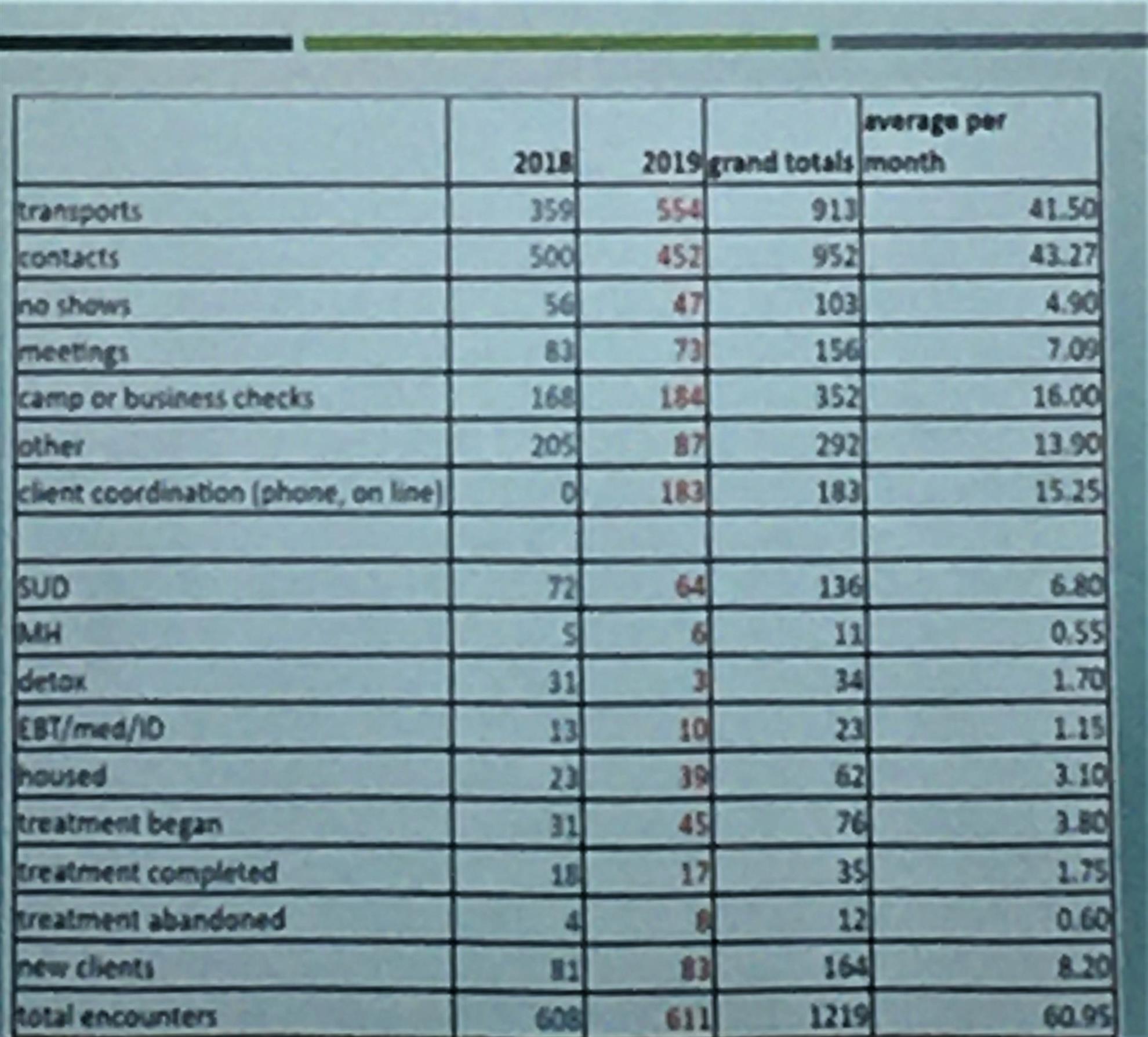
The success rate for other programs that don’t have the wrap around is only about 40%, compared to 70%. Here are more numbers: