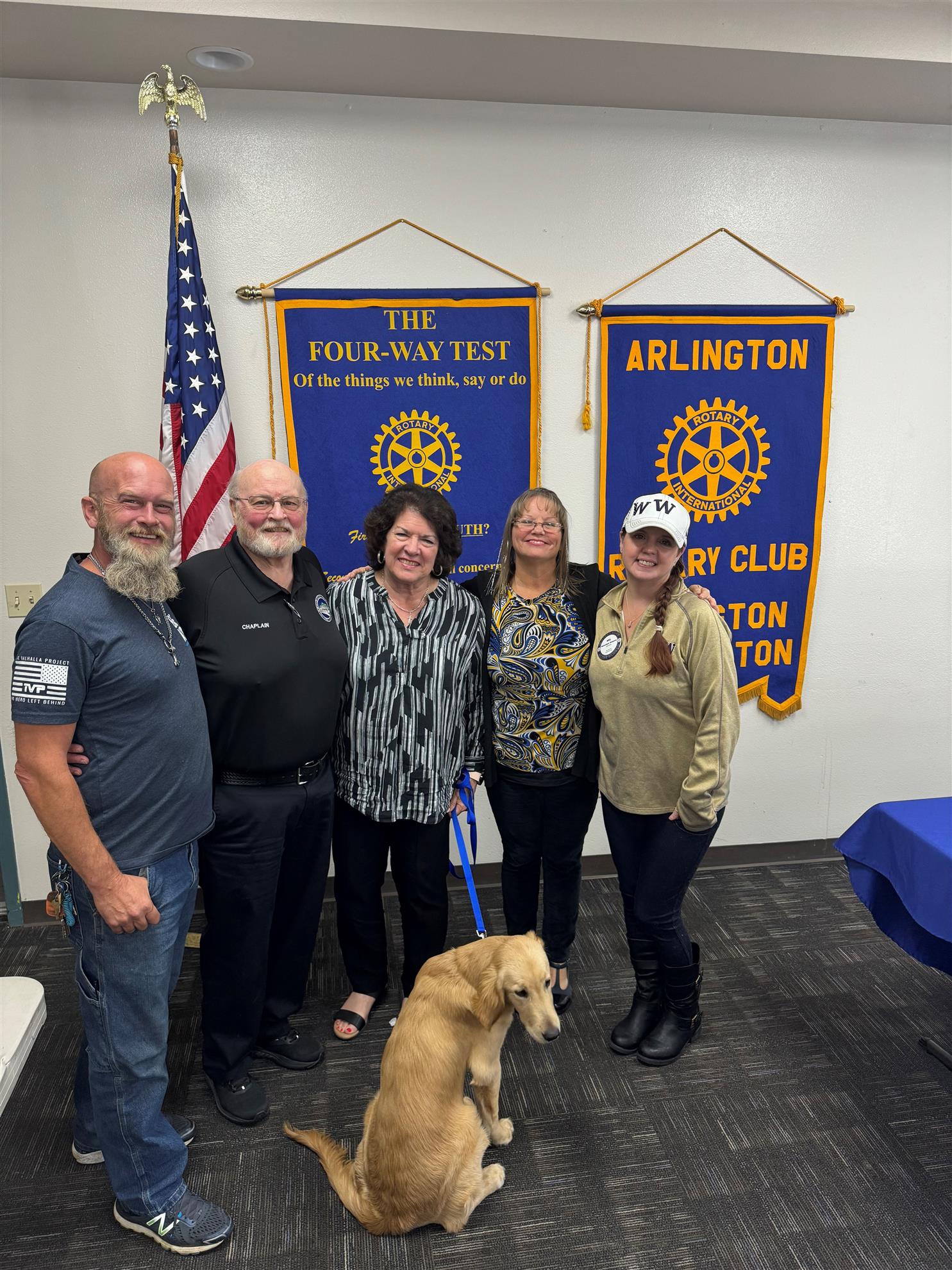


Bruce Ray: Insights on Suicide Prevention and Intervention
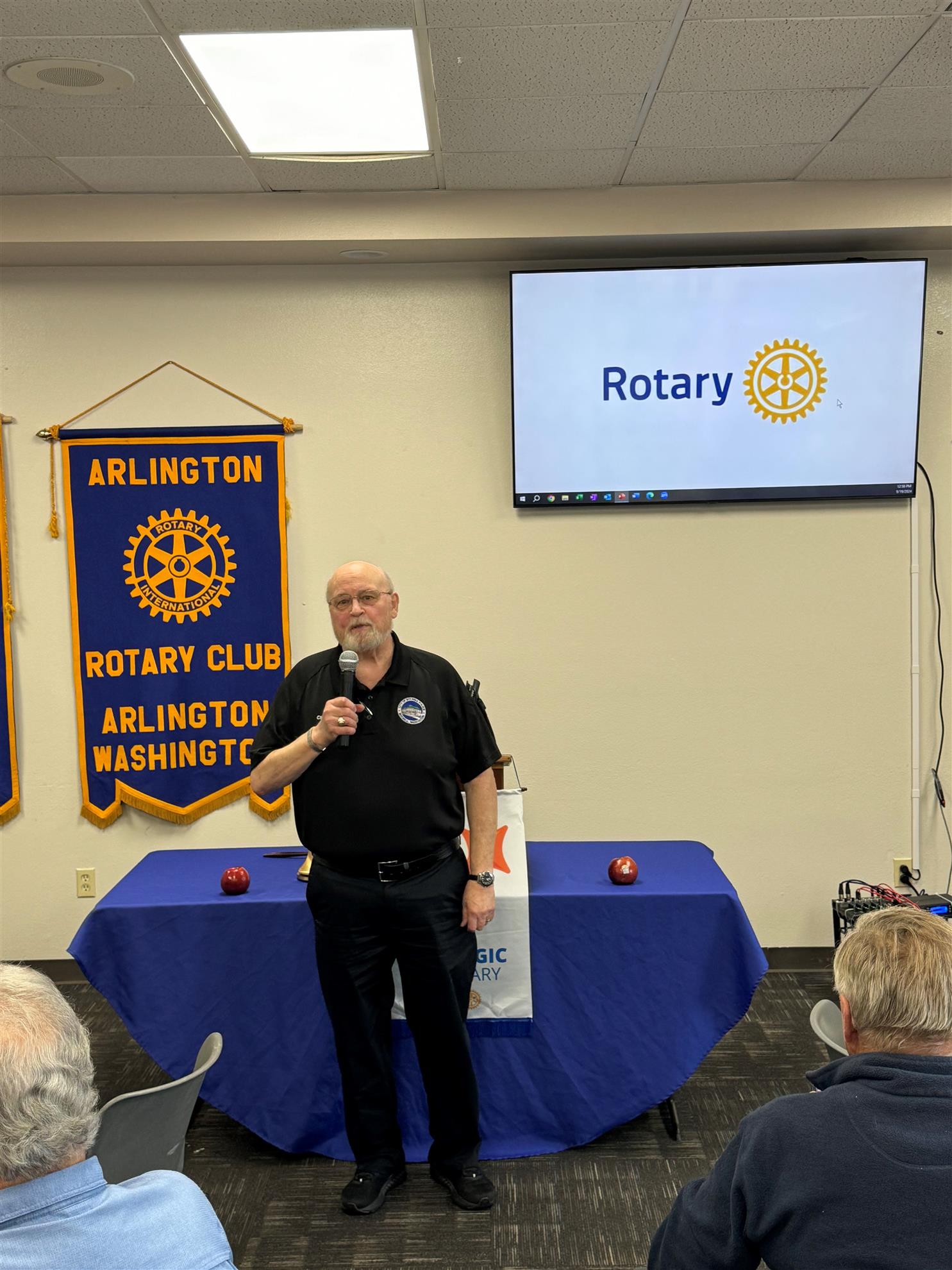
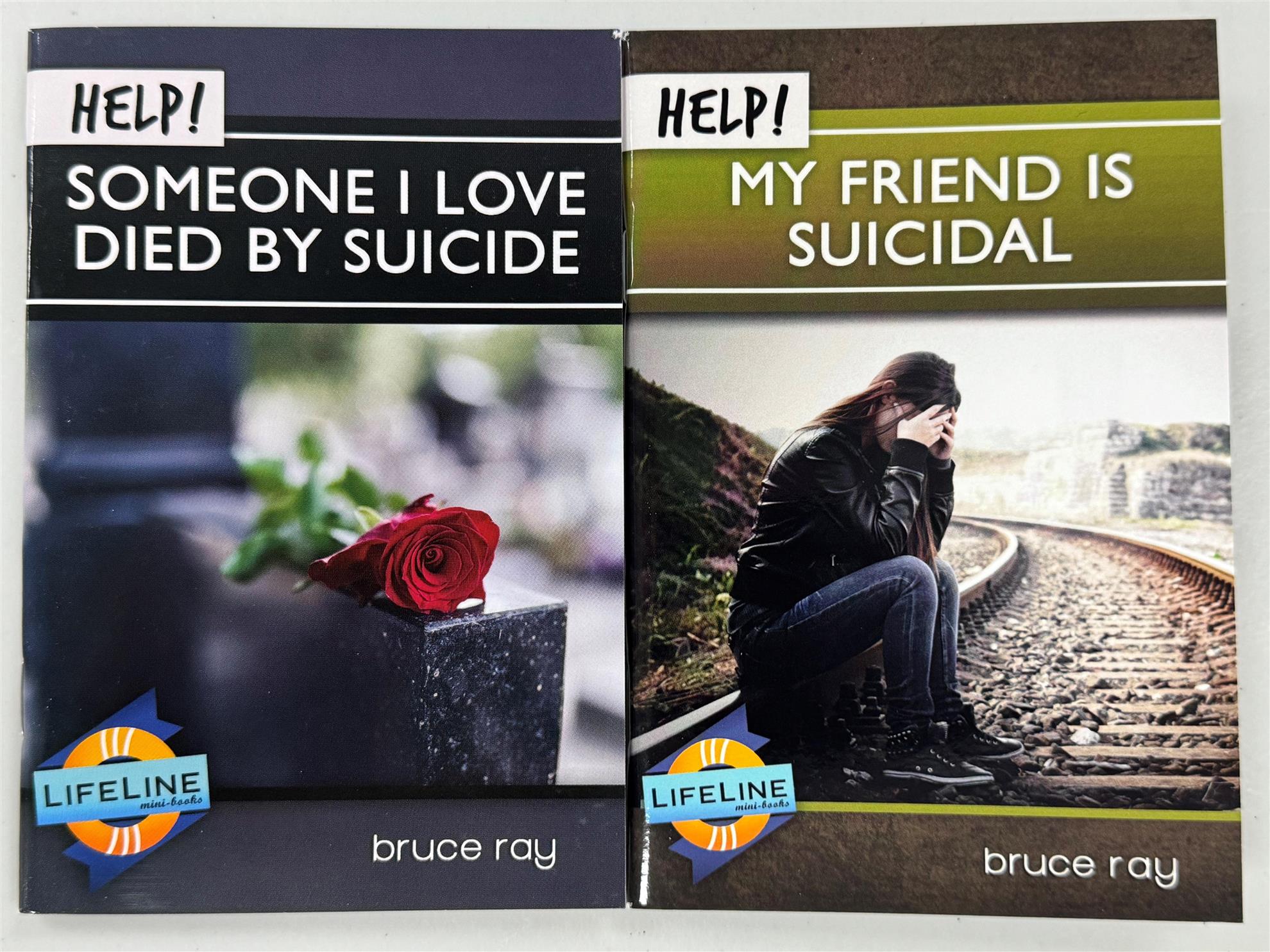
On September 19th, we had the impactful presentation by Bruce Ray, a chaplain with extensive experience in suicide intervention and prevention. Bruce, who has also authored two books on the subject, shared profound insights and personal experiences from his time as a Bothell police chaplain in the 90s and his work during disasters, such as the Oso slide.
Bruce highlighted that suicide prevention requires urgent attention, especially given the alarming statistics that show nearly 50,000 suicides annually in the U.S., a rate that has intensified from one person every 15 minutes to one every 10 minutes. He emphasized that suicide now claims more lives than motor vehicle accidents, underlining the critical need for effective intervention and open conversations about mental health.
During his talk, Bruce stressed the importance of engaging in conversations with individuals who might be suicidal, debunking the myth that talking about suicide could lead to its occurrence. Instead, he argued that open dialogue is often the first step in alleviating the despair that drives individuals to consider suicide. Bruce shared that many who contemplate suicide do not necessarily wish to die; rather, they see no other escape from their unbearable reality.
To effectively support someone considering suicide, Bruce advised:
- Listening intently without attempting to minimize their feelings.
- Asking direct, respectful questions about their feelings and reasons.
- Recognizing verbal and behavioral clues that may indicate suicidal thoughts.
Bruce also pointed out the common oversight where potential signs of suicide are missed because people are reluctant to engage in such heavy discussions. He encouraged everyone to be bold in addressing signs of distress and to offer hope and a listening ear rather than trying to provide solutions.
Furthermore, Bruce mentioned the effectiveness of 72-hour holds as a critical intervention tool to help individuals through the most acute phases of crisis, reflecting a shift in his own perspective over the years. He closed by noting the disparity in suicide attempts and completions between genders and highlighted the specific vulnerabilities of young adults transitioning into the workforce and older adults exiting it.
Bruce Ray’s presentation was not only informative but also a crucial reminder of the power of community and compassion in preventing suicide. It challenged us to be proactive in offering support and to ensure that help, whether professional or not, is available to those in need.