Long overlooked, farmers are finding supports tailored to the stresses of rural life
By Elizabeth Hewitt Photography by Kathryn Gamble
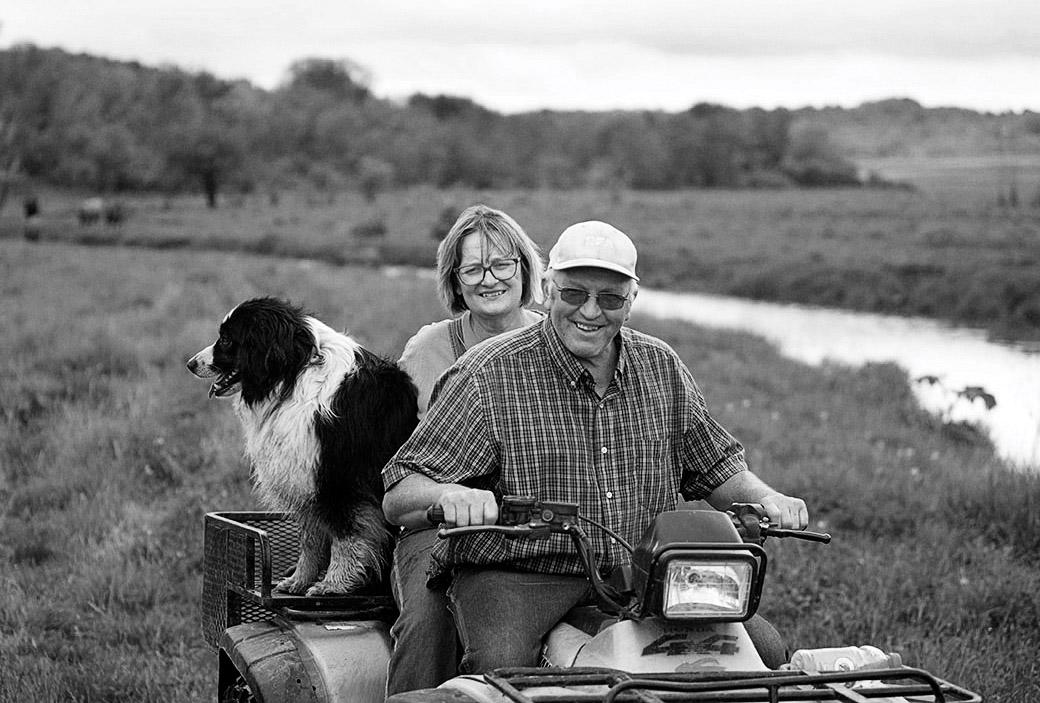
For almost four decades, Dorothy and Don Harms tethered their lives to the needs of their dairy cows. Twice daily milking. Seasonal races to plant and harvest corn and alfalfa for feed. The fourth generation in his family to run the Reedsburg, Wisconsin, dairy farm, Don Harms knew each of their 130 cows by name. For many people who work in agriculture, Dorothy Harms says, farming is part of their identity. “It’s not their job,” she says. “It’s who they are.”
But the grueling schedule took a toll, so they gradually transitioned, launching a farm-stay tourism business, switching to beef cattle, and selling off their dairy herd little by little until they parted with the last 25 cows five years ago. In the weeks that followed, the couple grieved. Dorothy Harms’ body, so used to hard but rewarding work, yearned to go to the barn. Her husband struggled with anxiety and self-medicated with alcohol. “It was not an easy year,” she says.
If you or someone you know is experiencing a mental health emergency, contact the 988 Suicide & Crisis Lifeline in the U.S. by calling or texting 988 or going to 988lifeline.org. If you are outside the U.S., visit findahelpline.com to get connected with a service in your country.
Around the same time, another farmer in their community, a close friend of the Harmses, took his own life. As the community rallied around his family, another farmer shared candidly how he had struggled with suicidal thoughts. At one of those community gatherings, Dorothy Harms learned about an opportunity to try counseling with a voucher from the Wisconsin agriculture department, and the couple found the experience somewhat helpful for processing their emotions. In the agricultural town of Reedsburg, the subject of mental health, so often kept private, was suddenly in the spotlight.
The conversations led people in this area of south-central Wisconsin to start the Farmer Angel Network, an organization that connects farm industry professionals and their families with mental health resources. The group builds a sense of community through events like drive-in movie nights and trains health providers to better understand agriculture’s unique pressures. Dorothy Harms, co-founder and board president, says the network is a resource that people know they can turn to if they need help. “There’s so much isolation, oftentimes, in farming,” she says. “By having an opportunity for fellowship and people getting to share what’s going on, it just opens the doors for possible further discussion, deeper discussion.”



.png)