Rotary Club of Northbrook is looking for several volunteers for the following events. Contact Gary for shifts, details, and options. Always check the bulletin for save-the-dates on upcoming events. You are encouraged to have friends or acquaintances join you to discover how Rotary serves!
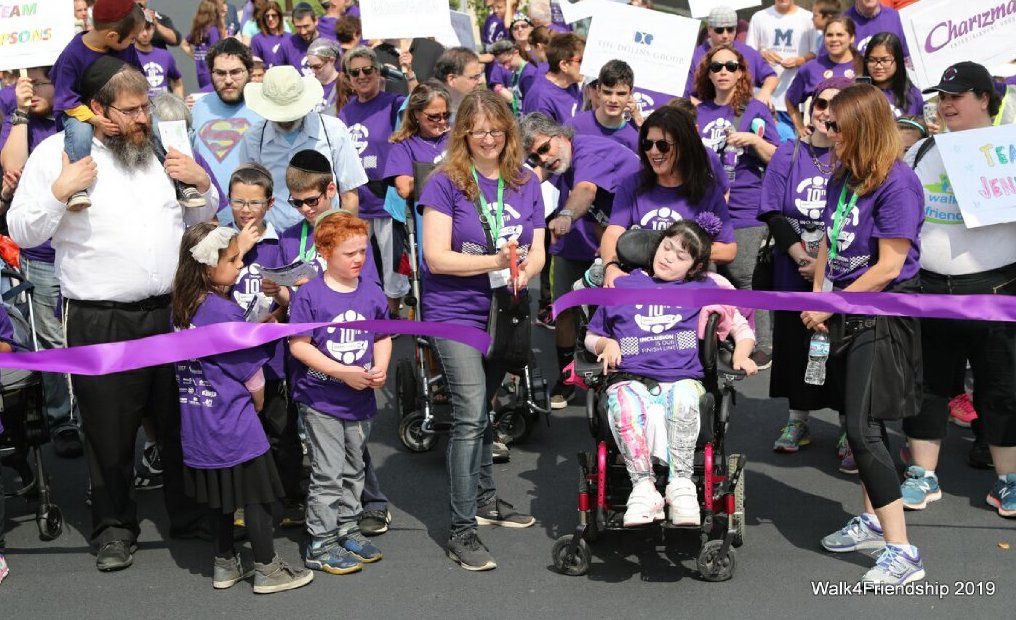
First up is the Friendship Circle of Illinois (FCIL) withtheir annual WALK4FRIENDSHIP scheduled for Sunday, 09/04/22, at Willow Park in Northfield.
The hours are 10:00 AM to 1:30 PM. Early volunteers (approximately 10:00 to 11:45) could help with set up and/or registration.
Later volunteers (around 11:45 to 1:30) could help with food and/or tear down. Please let ME know by the end of this week if you might wish to volunteer in some capacity.
I will send your names and email addresses to Mandy at FCIL and she will get back to you with more details.
Bernie's Book Bank is having a ONE DAY CHILDREN'S BOOK DRIVE on Friday, 09/09/22.
This will take place in downtown Northbrook in the Meadow Shopping Plaza, from 10:00 AM to 2:00 PM.
They need 10 volunteers, 5 from 10:00 to 12:00, and another 5 from 12:00 to 2:00.
Please let Gary know by next Tuesday, 08/30/22 if you can cover either of those slots or the entire time.
If you can't volunteer - consider dropping by with a book or 2 that you can purchase at the Book Bin!
Supporting this event provides good outcomes for our society.
In some countries, according to a recent study, in China, having500 or more books in the home propels children 6.6 years further in their education. In the United States, the effect is less -- 2.4 years, rather than the 3.2-year average advantage experienced across all 27 countries in the study.
Let's change this! Children need their own books to hold, read and love.
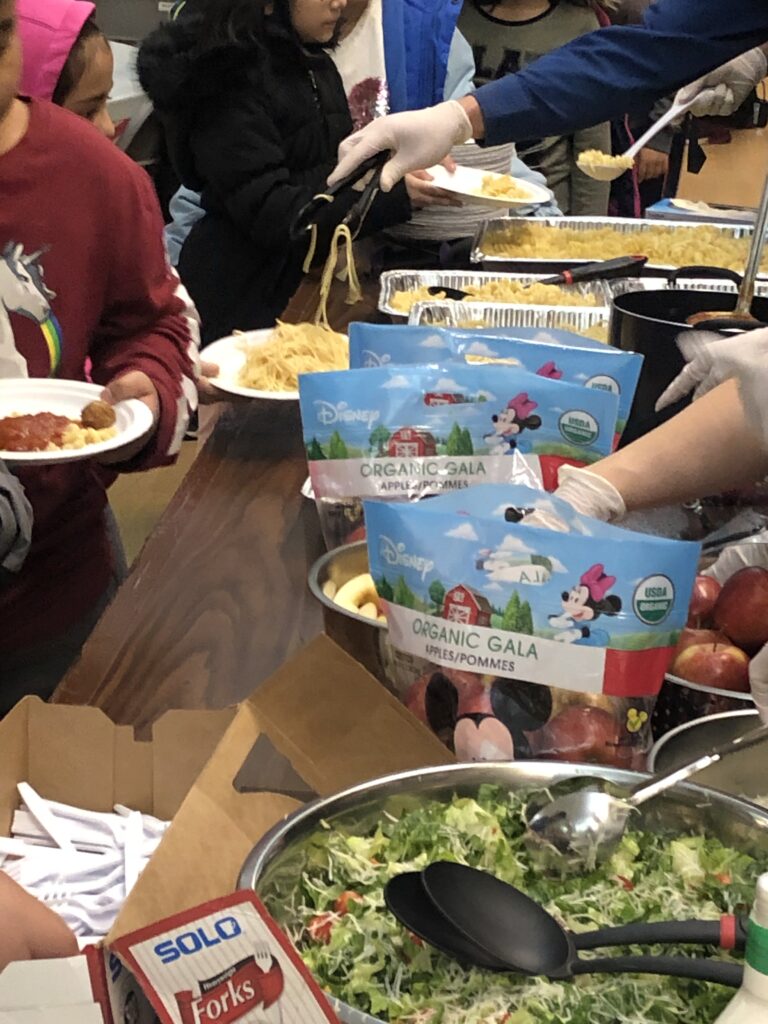
Youth Services of Glenview/Northbrook has brought back Study Buddies Dinners.
Our club is signed up to provide this dinner on Monday, 10/17/22, from 5:30 PM to 7:15 PM.
We need 6 more volunteers to work with us to provide a delicious and nourishing meal for all of the youth who come to YSGN.
Study Buddies Dinner – Our Study Buddies Program provides children in 1st-8th grade with free homework and academic support during the school year. It takes place on Mondays and Wednesday throughout the school year.
As part of this important program, volunteer groups provide dinners to the children who participate.
Groups who register will decide the menu, purchase the food, prepare and serve the dinner before the children start studying. If your group would like to provide a dinner, please contact us about the available dates.
Please let us know if you would like to be a part of this initiative.
The Guatemala Literacy Project is working to reverse the country’s low literacy rates
and keep children in school
By Diana Schoberg Photography by James Rodríguez
When Rotary International President Jennifer Jones visited a primary school in a farming village in Guatemala’s highlands and asked who wants to become the country’s president, the students’ hands shot into the air.
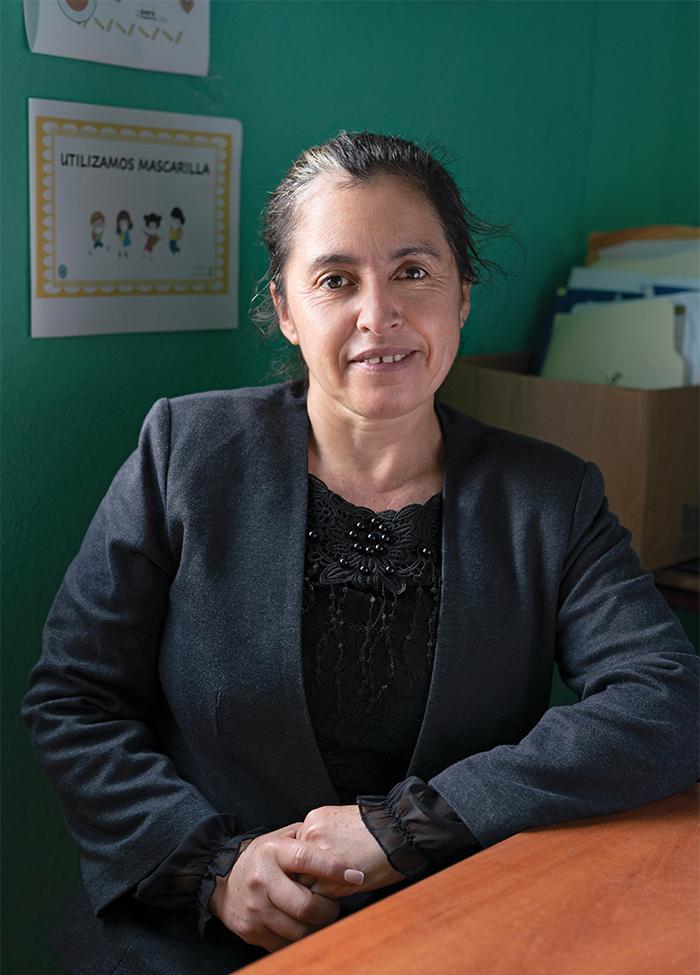
Before a Rotary-supported reading program began in the village of Chajalajyá, students would often drop out after a couple years of school. “Reading will change our society,” Principal Vilma Nizeth Moreira told Jones during an April visit to the school. “These are powerful tools we are giving children to eradicate ignorance.” Schools often teach in Spanish, but about 25 languages are spoken in the country, and there are few written materials in local languages.
The Guatemala Literacy Project has worked for 25 years to improve reading rates. In 1997, Joe and Jeff Berninger, brothers from Ohio, were volunteering as English teachers at a Guatemalan school that had no books. The two launched a project to solve that. The day the books arrived, there was a huge celebration, and a Rotarian dentist volunteering nearby heard the noise and asked what was going on. “He said this would be a perfect project for Rotary,” says Joe Berninger, now a member of the Rotary Club of Pathways, Ohio, which coordinates the project.
PHOTO LEFT: Vilma Nizeth Moreira, the principal of a primary school in the village of Chajalajyá, has seen firsthand the students’ success with help from the Guatemala Literacy Project.
Rotarians in Guatemala helped develop reading programs in other schools, and since 1997, The Rotary Foundation has helped fund the literacy project with 48 grants totaling $6.5 million. Nearly 800 clubs in 90 districts have participated, making it one of the largest grassroots, multiclub, multidistrict projects in Rotary. The initiative also receives support from the U.S. nonprofit Cooperative for Education. "There's a lot of push and drive and enthusiasm that comes from Rotary," says Howard Lobb, Cooperative for Education's director of partner development, also a member of the Ohio Pathways club.
From that initial textbook project, the work has grown to include computer labs, Rise Youth Development Program scholarships, and the Spark Reading Program to provide books and teacher training.
Students pay a fee to rent textbooks, and the money is put into a revolving fund, used to replace the books after five years. "Rotary's donation acts as a seed investment, and when textbooks wear out or become outdated, the school ... can replace their textbooks with their own savings without having to ask Rotary for more funding," Lobb says.
Moreira, the village school principal, recalls a former student who stayed in classes thanks to a Rise scholarship and is headed to university. The girl read a book about Nobel Prize winner and Pakistani activist Malala Yousafzai that Moreira lent her. "Now this girl wants to be as big as Malala," she says. "It changed her life."
This story originally appeared in the September 2022 issue of magazine.
When Blanca Mactzul was a little girl, she would eye her grandfather’s magazines, longing to read one.
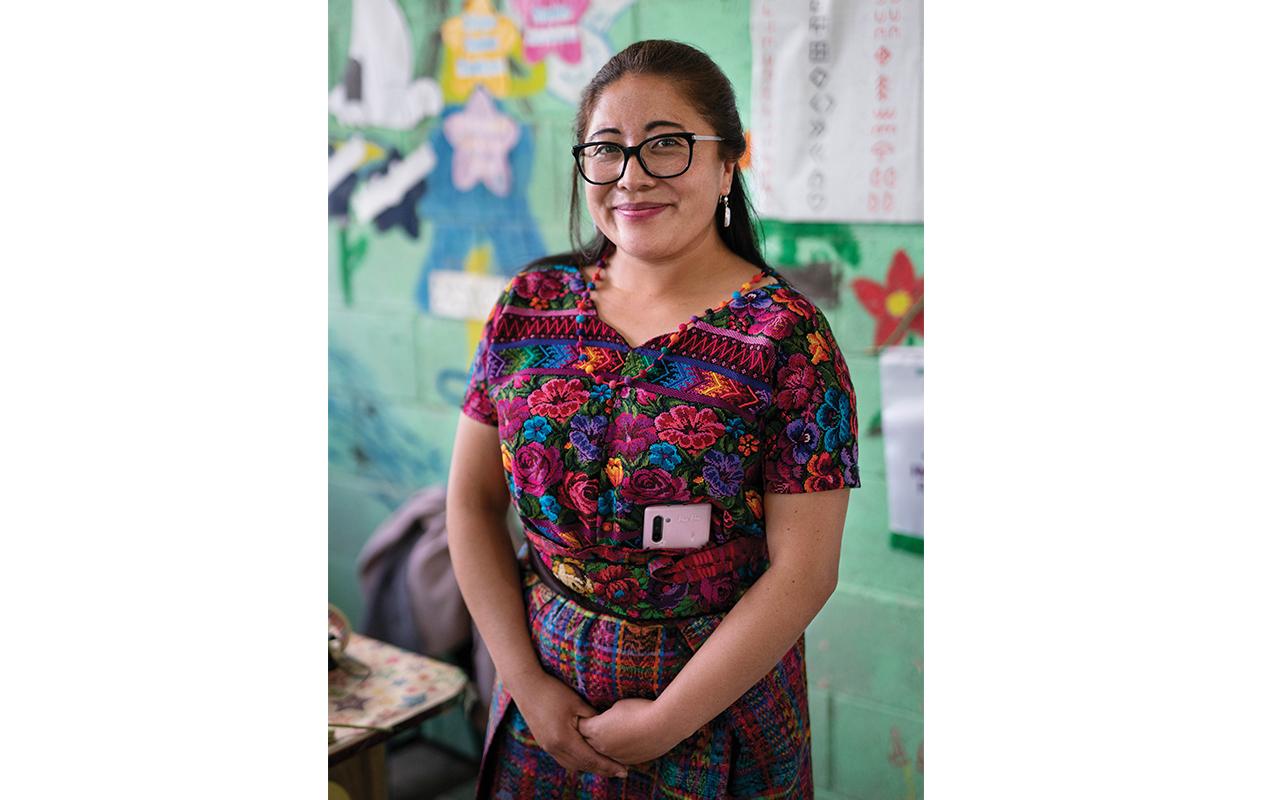
Her first book, Teo El Conejo, about a rabbit, was one that she swiped from him. “I used to take my book everywhere,” she recalls, “even to sleep.” Since 2020, Mactzul has been a Spark Reading teacher at the elementary school in Chajalajyá, where she sees the power of books, provided through the Guatemala Literacy Project, to motivate her students to become more invested in their learning.
“I was so happy to have so many materials to work with,” she says. “In other schools, we don’t have those resources.”
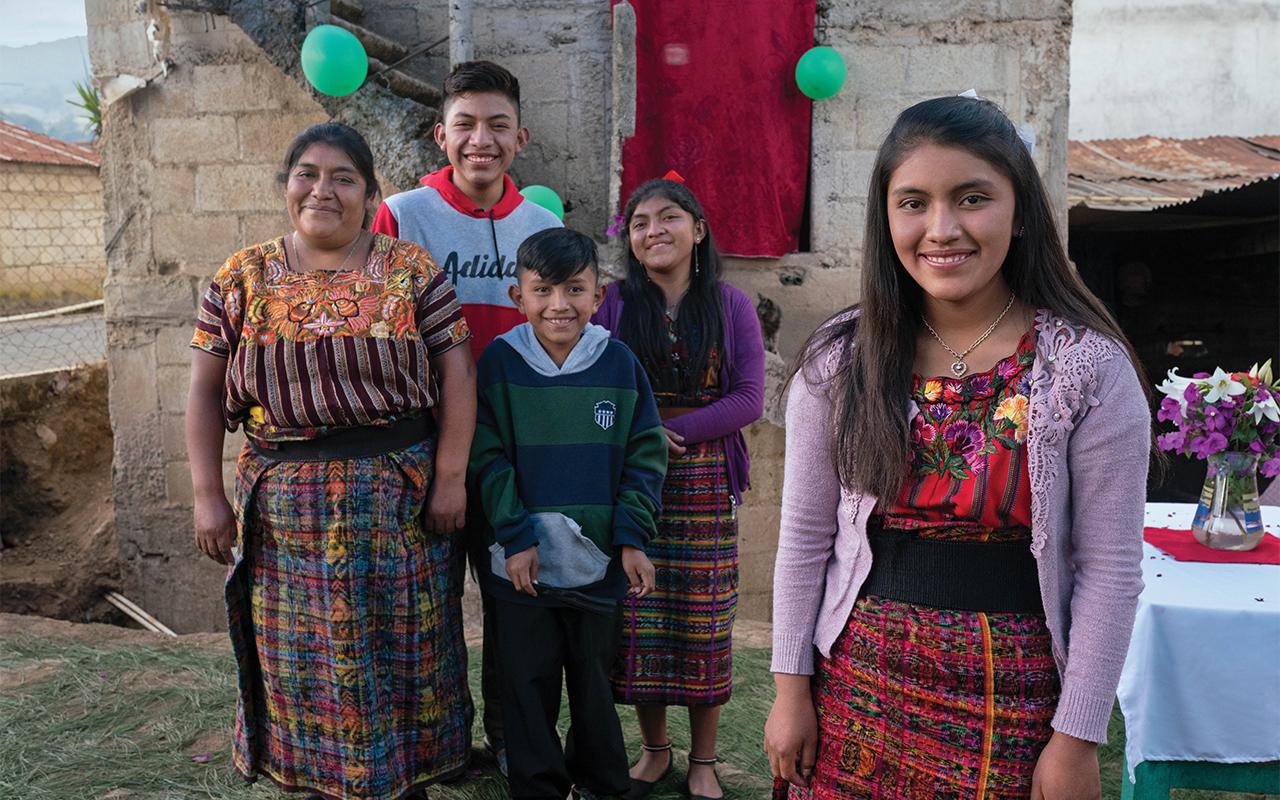
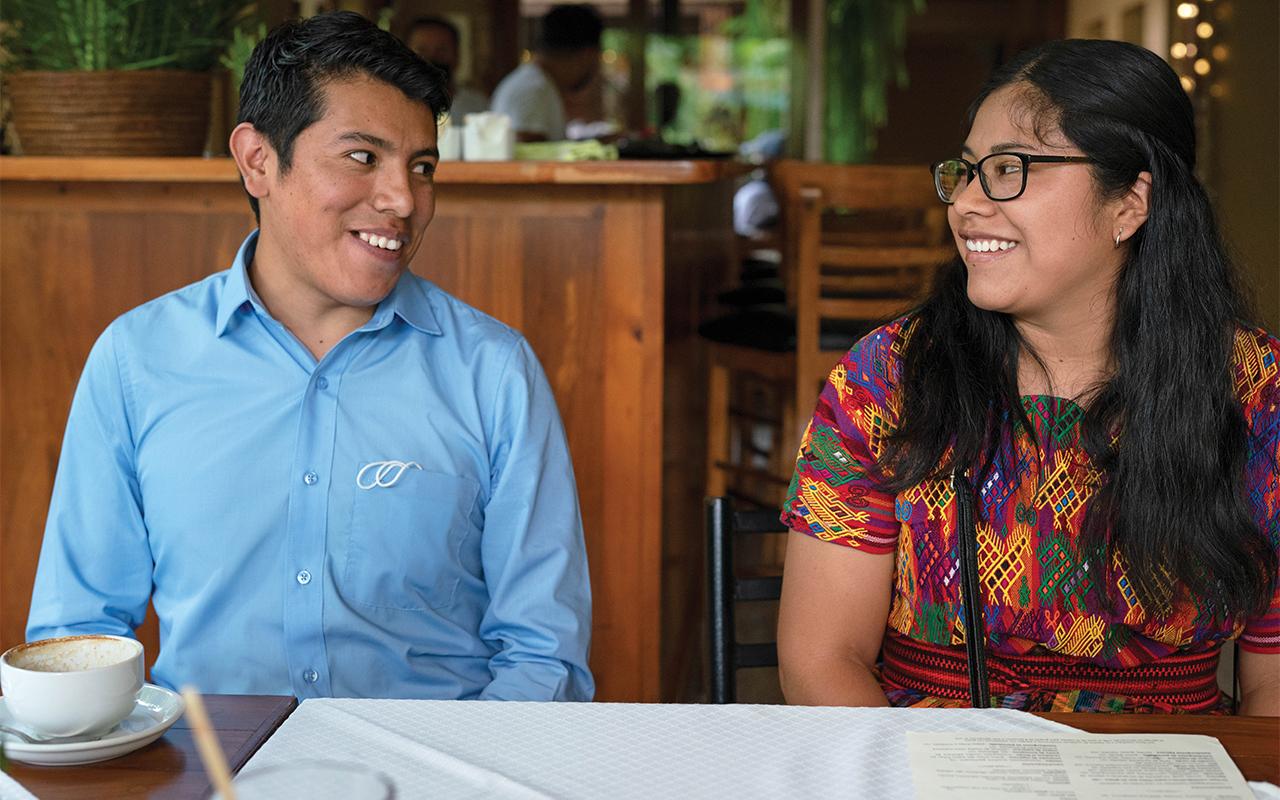
Rosa Acabal (right) was sure she’d have to drop out after she finished elementary school. Her mother, Leonicia Solís, had only finished third grade.
But the principal of her school told her about the Rise scholarships, and today, Acabal is in 10th grade studying tourism. She has received strong support from her mother, who raised her and her four siblings alone and built their home with her own hands.
Acabal’s goal is to finish high school and find a job so her mother can stop working in the fields.
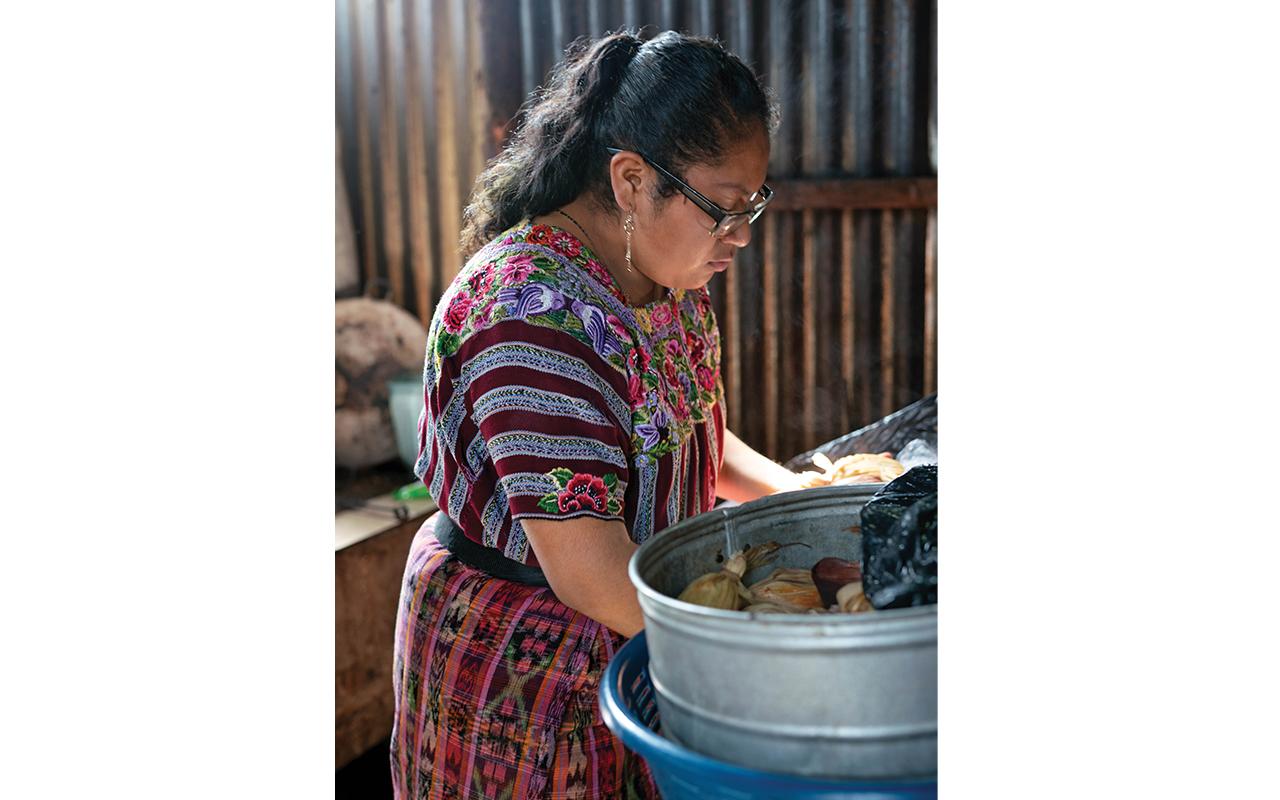
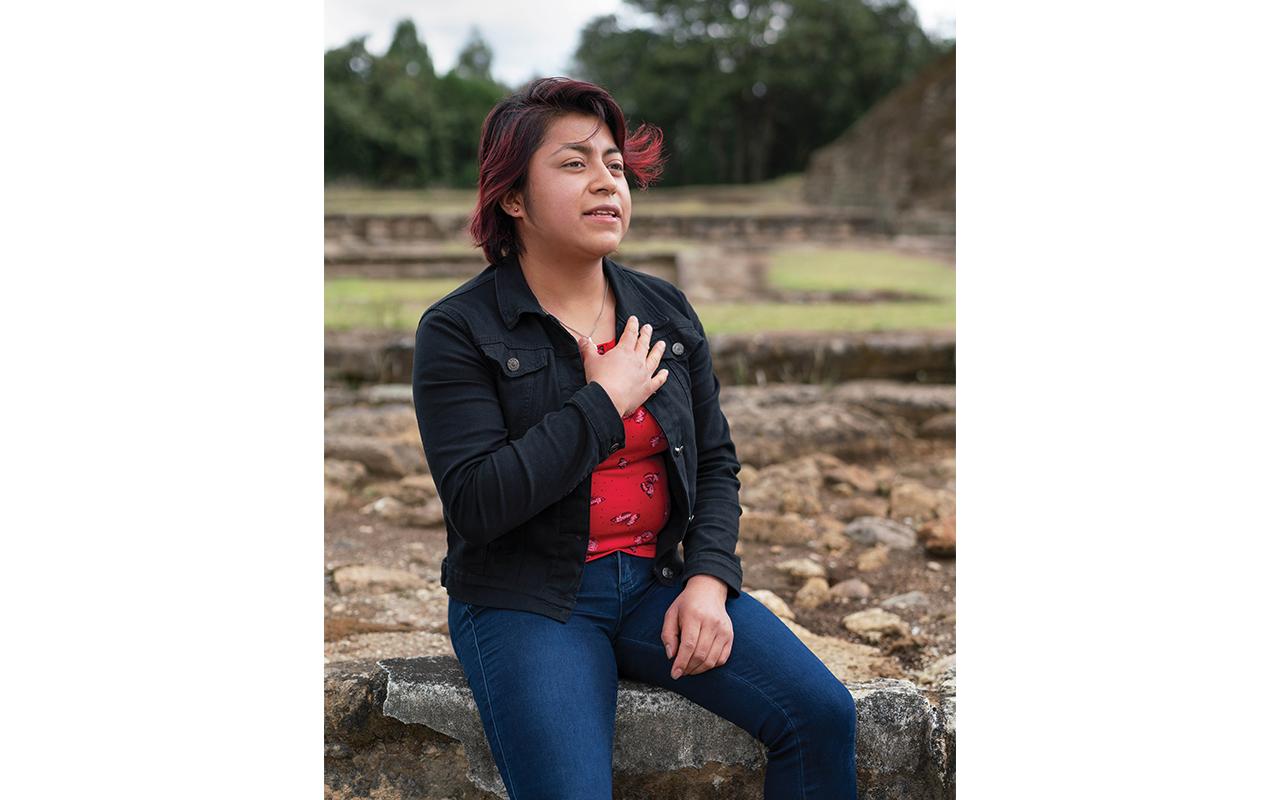
Before school, Yurleny Teleguario sells street food such as pupusas and dobladas with her mother, María Magzul. Then, she heads to class, where she’s in 10th grade studying bookkeeping. “I dream of becoming a great entrepreneur,” she says.
Teleguario had to drop out of school when her father died and her mother got sick; her family lost their home. She heard about the Rise scholarships from a cousin. Her goal is to make enough money to buy her mom a new house.
“Education is very important to me,” she says, “because it gives us the opportunity to flourish and progress in life.”
José Luis Chancho (left) and his family cultivated vegetables for export. “I knew that right after sixth grade, I would join my dad working on the field,” he says. “That’s what my siblings did. None of them kept studying.”
But when he heard about the Rise scholarship, Chancho redoubled his efforts in his classes, earning outstanding grades and a spot in the program. Chancho graduated from high school in 2015 and works as an accountant for a pharmaceutical company, using the money to put himself through college.
When the pandemic started, he called Cooperative for Education and offered to make math and accounting videos for current students. “If it weren’t for the program, I might have taken a very wrong path,” he says.
Jáckelyn Xiquín Lúc and her twin sister, Joselyn, studied at a middle school supported by the Guatemala Literacy Project with a computer lab and textbooks. But the family didn’t have enough money for them to continue their studies, so the sisters dropped out, earning bits of money from an uncle who is a farmer and learning from their mother to weave huipiles, traditional garments.
They returned to school when Rise scholarships were introduced in their village three years later, and in 2019, both earned Microsoft Office Specialist certifications in Excel.
“Thanks to the opportunity given to me by CoEd [Cooperative for Education], I am where I am today. I am working at a job I like,” Xiquín says. “Education helps you to look for better opportunities.”
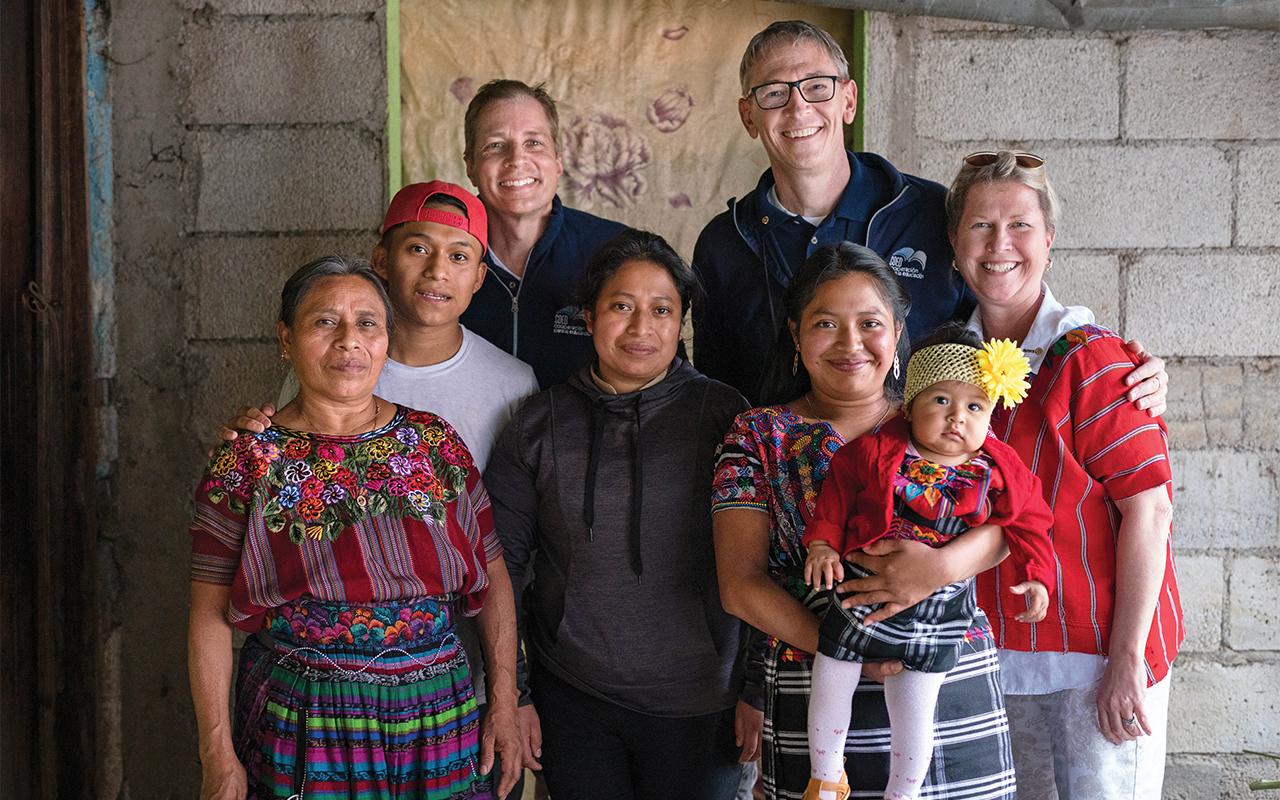
Joe Berninger, Howard Lobb, and RI President Jennifer Jones visit with former scholarship student Rosa Ixcoy (holding baby) and her family.
Jones sponsored Ixcoy through the Guatemala Literacy Project.
New Generations Service Exchange is a short-term, customizable program for university students and professionals up to age 30.
Participants can design exchanges that combine their professional goals with a humanitarian project.
What are the benefits?
Make connections with service-minded community leaders in another country
Learn another language
Build your professional skills and gain international experience
Travel and explore a new culture while giving back through service
What is an exchange like?
With your host Rotary district, you’ll plan activities that can include networking, relationship building, humanitarian service, professional development, and leadership training. Exchanges:
Last from a few weeks to six months
Can be arranged for individuals or groups
Need not be reciprocal
How much does it cost?
Costs vary by Rotary club or district. To reduce expenses, Rotary members often provide homestay options, arrange no-cost internship or job-shadowing programs, and offer other financial assistance.
Find a Rotary club near you that works with New Generations Service Exchange to find out what it would cost.
How do I apply?
University students and professionals up to age 30 — including current and former Rotaractors and former Interactors, Rotary Youth Leadership Awards participants, and Youth Exchange students — are encouraged to apply. You don’t have to be a member of Rotary to participate in an exchange.
Although each Rotary club determines its own eligibility criteria, all participants should demonstrate a strong commitment to service and the ideals of Rotary. Contact your local Rotary club to see what exchange opportunities are available and what the application process involves.
Younger professionals can work with Rotary members to have unique vocational or community service experience through a New Generations Service Exchange.
How to develop a service exchange program
Rotary clubs can design great programs by matching members’ skills and passions with professionals from different cultures. These steps can help you get started:
INTERESTED IN PARTICIPATING?
University students and professionals up to age 30 are encouraged to apply. You don’t have to be a member of Rotary to participate. Contact your local Rotary club to see what exchange opportunities are available and what the application process involves.
Organize a group of interested Rotary members in your club or district.
Find out what skills, interests, and networks your group can offer to create a meaningful exchange.
Ask young professionals what type of service could improve their professional skills.
Decide on your goals for the program.
Craft a program that lasts from a few weeks to six months. It could be one-way or reciprocal, or for individuals or small groups.
To reduce expenses, consider providing homestay options, arranging no-cost internship or job-shadowing opportunities, and offering other financial assistance.
Promote your program and find districts to partner in an exchange.
How to emphasize service
A good exchange gives participants an opportunity to learn new skills and put them into action.
Invite participants to join your community service projects to develop their skills and create new relationships.
Expand a vocational training program to include international participants, and design ways for them to practice their skills through community service.
Incorporate an exchange activity into your next global grant project. Invite young professionals from the community to help out and receive training or learn about project management.
Plan a reciprocal exchange of younger professionals or Rotaract club members as part of an international service project. Ask participants to speak to your club about ways to develop stronger international partnerships.
2022 COUNCIL ON LEGISLATION OF ROTARY INTERNATIONAL REPORT OF ACTION
10-14 April 2022 | Chicago, Illinois, USA
ROTARY’S ACTION PLAN - REPORT OF ACTION from John Hewko, 34 pages
Rotary’s Action Plan builds on our past successes and sets our future direction to ensure that we continue to grow, unite people, and make a lasting impact.
We encourage all members to review the Action Plan, think about your own club and district goals, and find meaningful ways to align those goals with our plan.
Have open and ongoing discussions in your club and throughout your district about the new priorities and objectives, then use those talks to shape your own strategies. For each of the four priorities that will direct our work, we’ve listed ways you can put that goal into practice.
Think about how you can bring Rotary’s Action Plan to life.
Rotary action and bylaw updates – take a minute to catch up on the organization! Below is a summary of updates in the report.
SUMMARY
PAGE 1
22-07 To amend the amount of time club boards have to provide minutes to their members
22-10 To add equity and inclusion to the building of a wellbalanced membership
PAGE 2
22-13 To remove the requirement that a member must work or reside in the locality of their club
PAGE 3
22-14 To allow active members to propose prospective members in any club
22-15 To amend the provisions for membership in a satellite club
22-18 To state that Rotaractors may be members of RI committees
PAGE 4
22-20 To revise the timeline for president and director elections
PAGE 5
22-21 To amend the qualifications for director and membership on the director nominating committee
PAGE 8
22-27* To authorize the board to remove a Rotarian’s past officer status
PAGE 9
22-28 To revise the process for changing sections in a zone
22-32 To amend the officers of RIBI
PAGE 10
22-38 To authorize the Board to suspend or terminate a club or Rotaract club for initiating litigation against a district
22-39 To amend the provisions regarding RI committees
PAGE 11
22-46* To increase per capita dues
PAGE 14
22-52 To amend the provisions regarding the Audit Committee and audited financial statements
Legislation adopted with amendments is noted by an asterisk (*) after the Council number.
PAGE 16
22-53 To amend where the Board must report expenditures from the RI reserve
22-54 To publish the RI budget and annual report on the Rotary website Adopted on Consent Agenda 1
PAGE 17
22-56 To amend how districts may propose legislation and resolutions
22-57 To provide for the type of urgent enactments that may be considered by the Council on Resolutions
PAGE 18
22-59 To amend the deadline for the RI Board to propose position statements
22-61 To eliminate inconsistencies in the RI Bylaws Adopted on Consent Agenda
PAGE 19
22-69* To provide that governors are notified of actions taken on adopted resolutions
PAGE 20
22-70 To modernize and streamline the RI Constitution without making any substantive changes
PAGE 20
22-71* To provide for the administration of clubs in a pilot project
PAGE 26
22-72 To revise the criteria for changing district boundaries 247 - 234
PAGE 27
22-78 To amend the Avenues of Service to include positive peace
PAGE 28
22-84 To allow Rotaractors to attend Rotary club meetings Adopted on Consent Agenda
PAGE 29
22-85 To remove the attendance report requirement
22-92 To revise the process for approving excused absences




.png)