Combating Corruption in International Development
By Emma Anderson, Humanitarian
July 11th, 2017
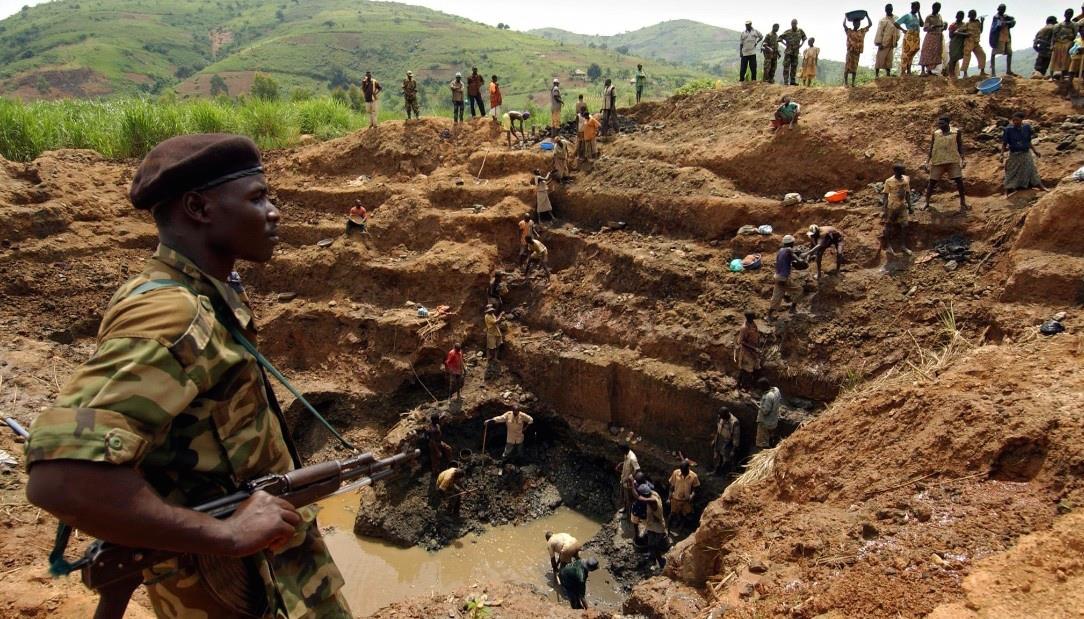
Working in international development always has its challenges, whether that be combating gender stereotypes, violence, or learning to understand cultural differences. But one of the challenges to development work that consistently stands out is corruption. Specifically, the challenge of an organization being able to carry out its mission and goals while also dealing with corrupt governments that are not effectively serving their people and providing them with the services they need. This is a multifaceted issue and a very difficult one to approach.
.jpg)
One of the results of having a consistently corrupt government is donors and aid organizations circumventing the government in order to help the citizens. The intentions behind these actions are mostly good: give money, aid, and supplies to NGOs and aid organizations in the area to make sure the resources aren’t used inappropriately by the government. However, when the government is never involved in development and aid to its citizens, its legitimacy is severely undermined on a regular basis.
When the government is never involved in aid to its citizens, its legitimacy is severely undermined.
How can a government ever hope to improve its corrupt practices and become involved in development work if it is never given the opportunity to be involved in the process? This creates a difficult situation, because if a person or organization wants to donate to improving resources in a developing country, they will be more inclined to give to an established NGO as opposed to a government known for corruption and mishandling of money and resources. This gives significant power and legitimacy to the international organizations, NGOs, and aid organizations operating in developing countries across the world.
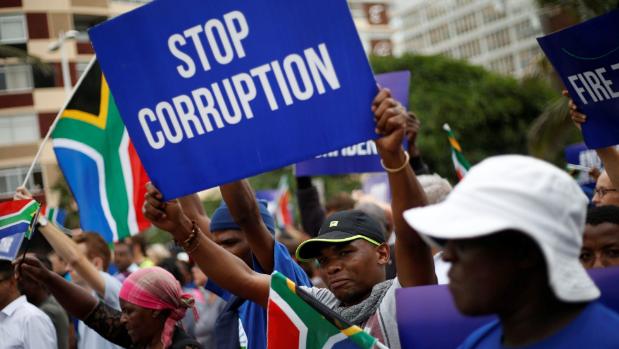
We must consider if this consistent undermining of corrupt governments is actually a helpful practice, or if it is only making the situation worse. On one hand, if more money is put in the hands of a potentially corrupt government instead of aid organizations, thousands of people could be left without the services and resources they need to survive. However, on the other hand, if the governments of developing countries are never forced to take on the responsibility of protecting and providing for their own people, corruption will persist. This creates a culture in which governments are never held accountable for providing basic services to their citizens, and these voids will continue to be filled by third party organizations. It is an extremely difficult balance to strike: one between placing more responsibility on the governments of developing countries while still making sure the people have access to the services they need.

The World Bank outlines six strategies to combat government corruption in developing countries. They are: paying civil servants well, creating transparency and openness in government spending, cutting red tape, replacing regressive and distorted subsidies with targeted cash transfers, establishing international conventions, and developing smart technology. One of the strategies that stands out and is most directly related to the field of international development is number five: establishing international conventions. Prominent international organizations such as the United Nations and African Union can create international conventions as a source of “naming and shaming” governments that continue to engage in corruption.
Prominent international organizations can create conventions as a source of “naming and shaming” governments that continue to engage in corruption.
They can also create a forum for conversation between developed and developing countries. Even though international organizations such as these don’t have any formal enforcement mechanisms, neighbors and allies on an international stage can put extra pressure on governments to increase transparency and follow through on their promises.
Finally, it is important to talk about the flawed way many Western and developed countries perceive African countries. Westerners are often very quick to judge developing countries that have ongoing struggles with corruption in their governments. But we must remember that many of these countries only very recently got their independence—sometimes only 10, 20, or 30 years ago. They are going through many of the same struggles Western and ”developed” countries went through when they were at that stage in their development. These kinds of institutional changes take time. We are expecting developing countries to make complex structural changes in just a couple of years, when in reality it took Western countries hundreds of years to make these changes.