The transcript details a comprehensive presentation and tour of St. John's, a community-based organization dedicated to serving women and children experiencing homelessness, addiction, and domestic violence. Karen Edwards, part of the community engagement and development team, leads the tour and explains the organization's mission, services, and volunteer opportunities. St. John's offers residential programs, including transitional housing and a female community reentry program in partnership with the Department of Corrections, providing housing, job training, therapy, childcare, and case management. The organization emphasizes building a therapeutic community to support healing and transformation, with a strong focus on trauma-informed care for children and families. St. John's also hosts monthly birthday parties and holiday gift programs for children, supported by local groups like Rotary. Funding comes from public sources, grants, and individual donors, with an annual budget of about $9 million serving approximately 550 people annually. The organization prioritizes economic mobility through job training and partnerships with employers and nonprofits. St. John's maintains a faith-friendly but secular approach, rooted in its origins from a Lutheran church. The program supports clients with extensive behavioral health services, childcare, education, and community integration. The transcript highlights the organization's commitment to providing a safe, nurturing environment where women and children can rebuild their lives and achieve stability.
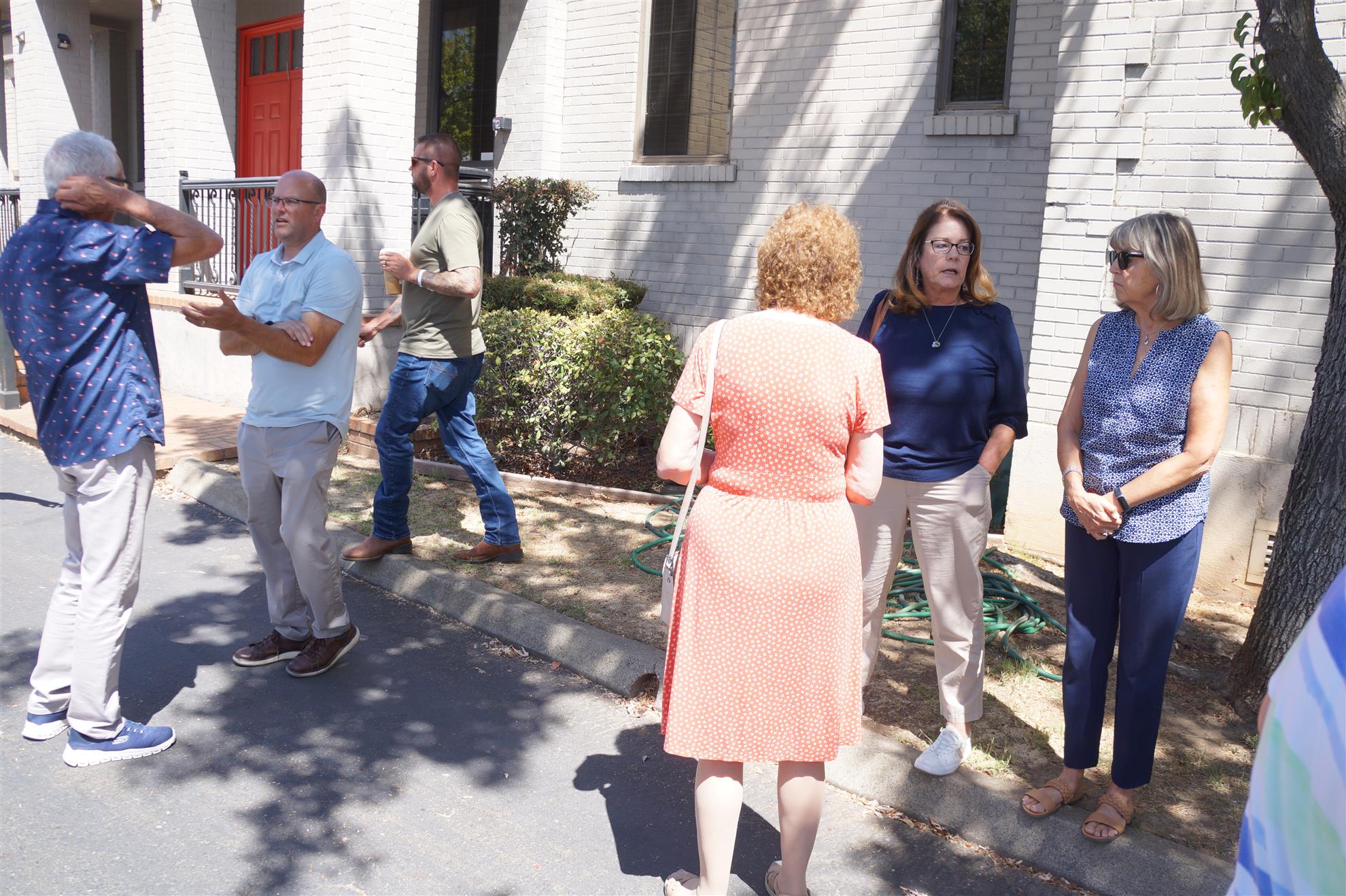
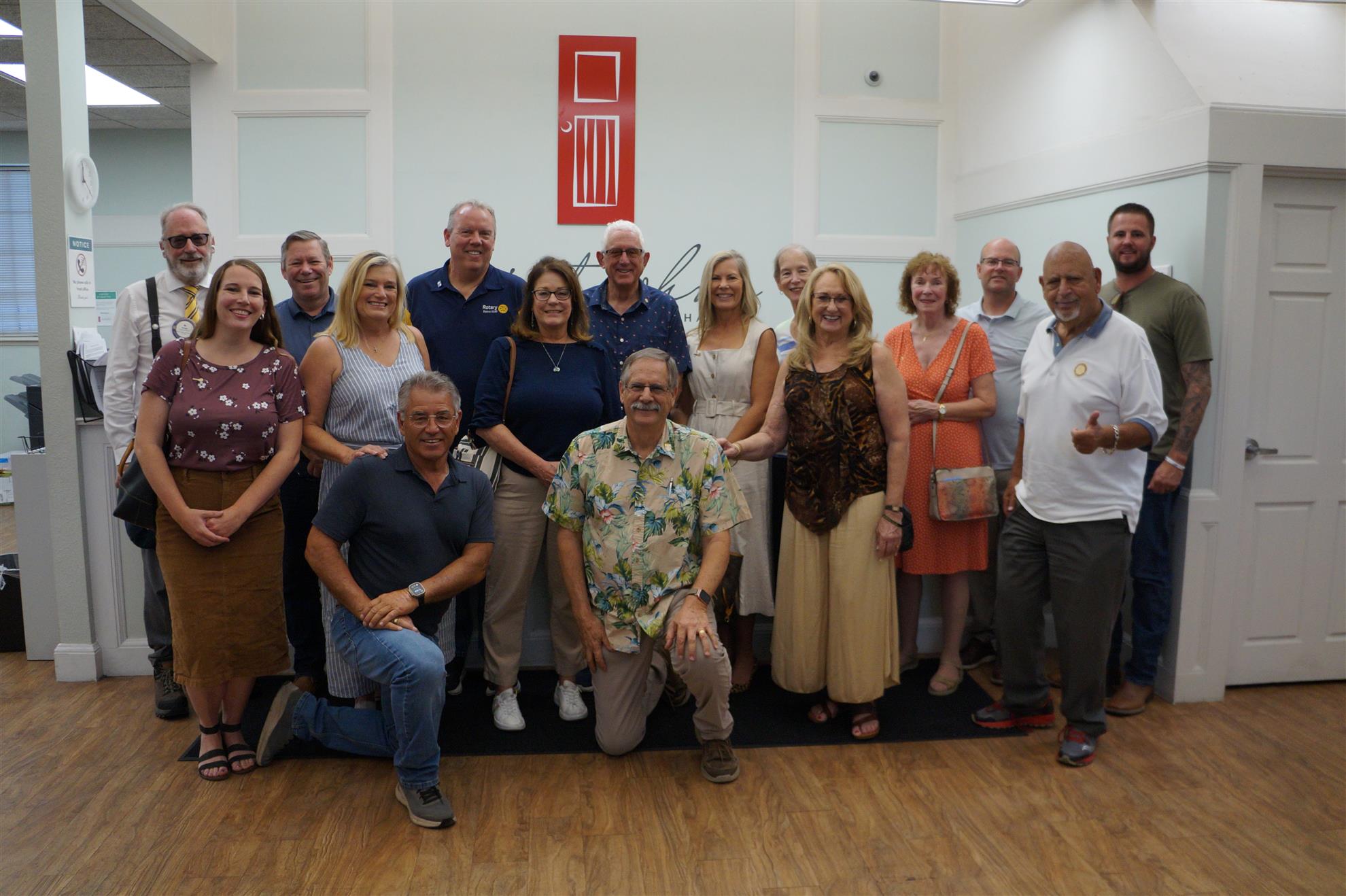
The Off-site meeting started in front of the St. John's Program for Real Change once all of the club members were present
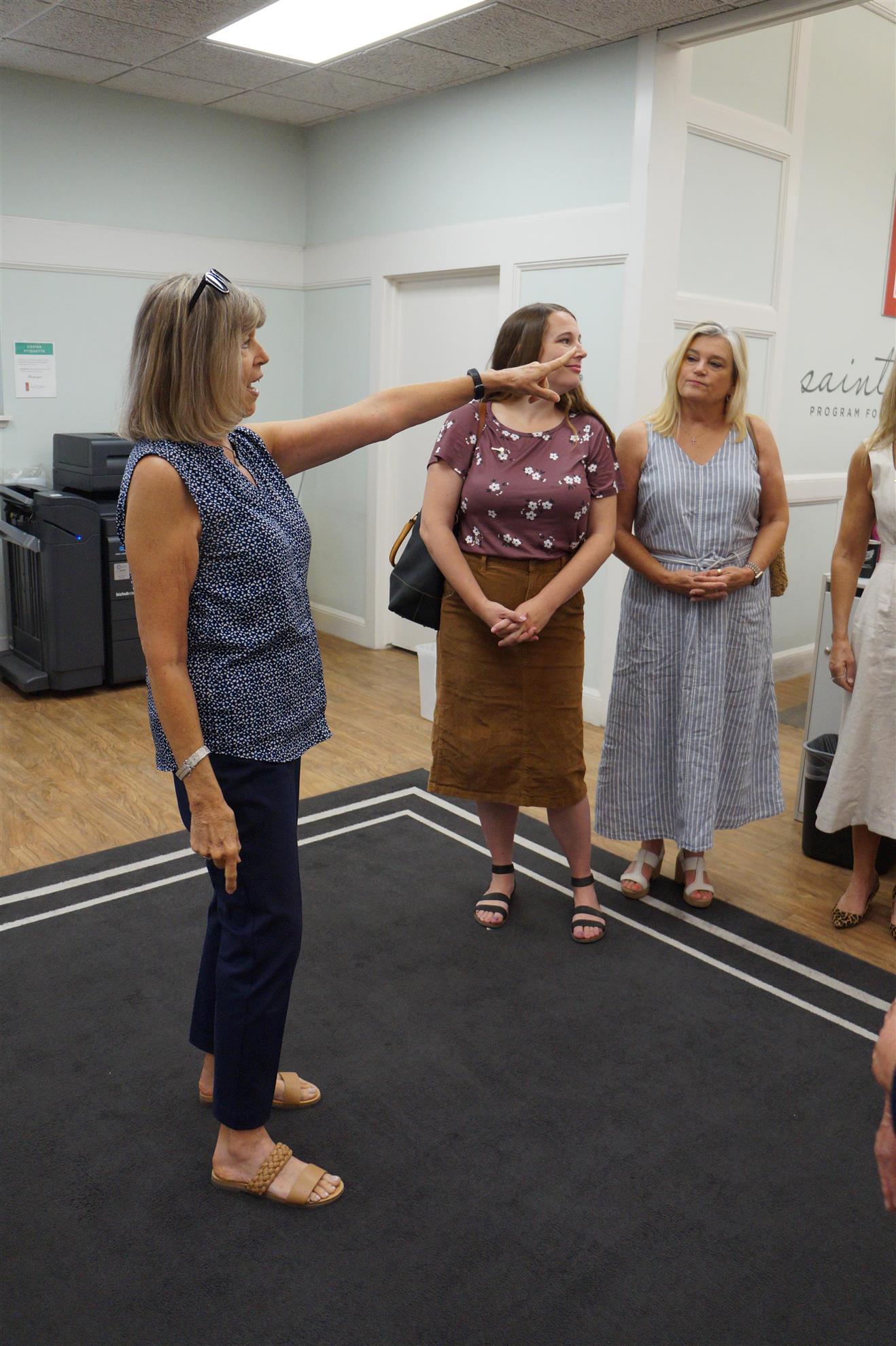
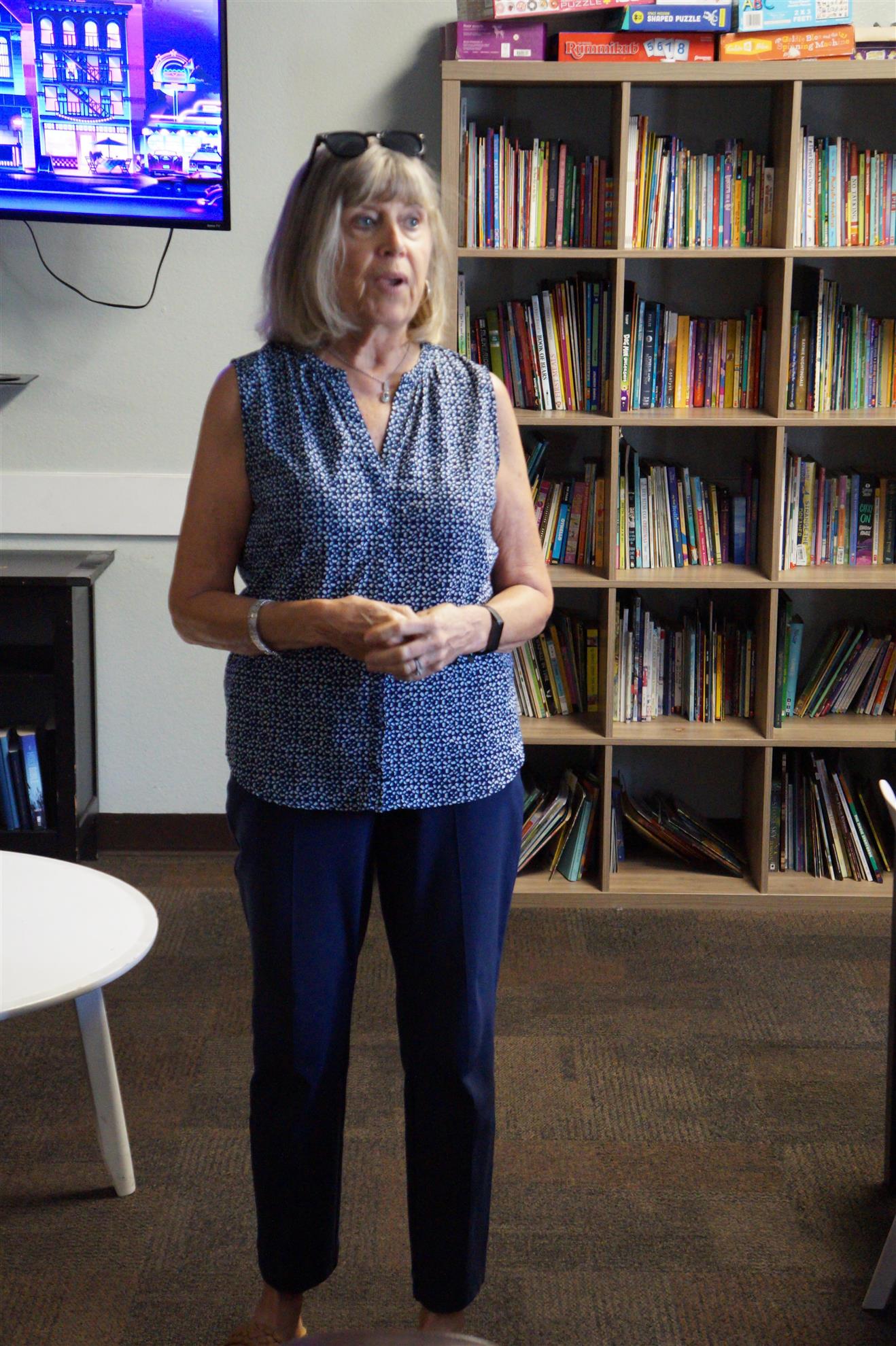
Karen Edwards, Community Engagement Manager, was our host and tour guide for the event.
Karen presented an overview of the visit:
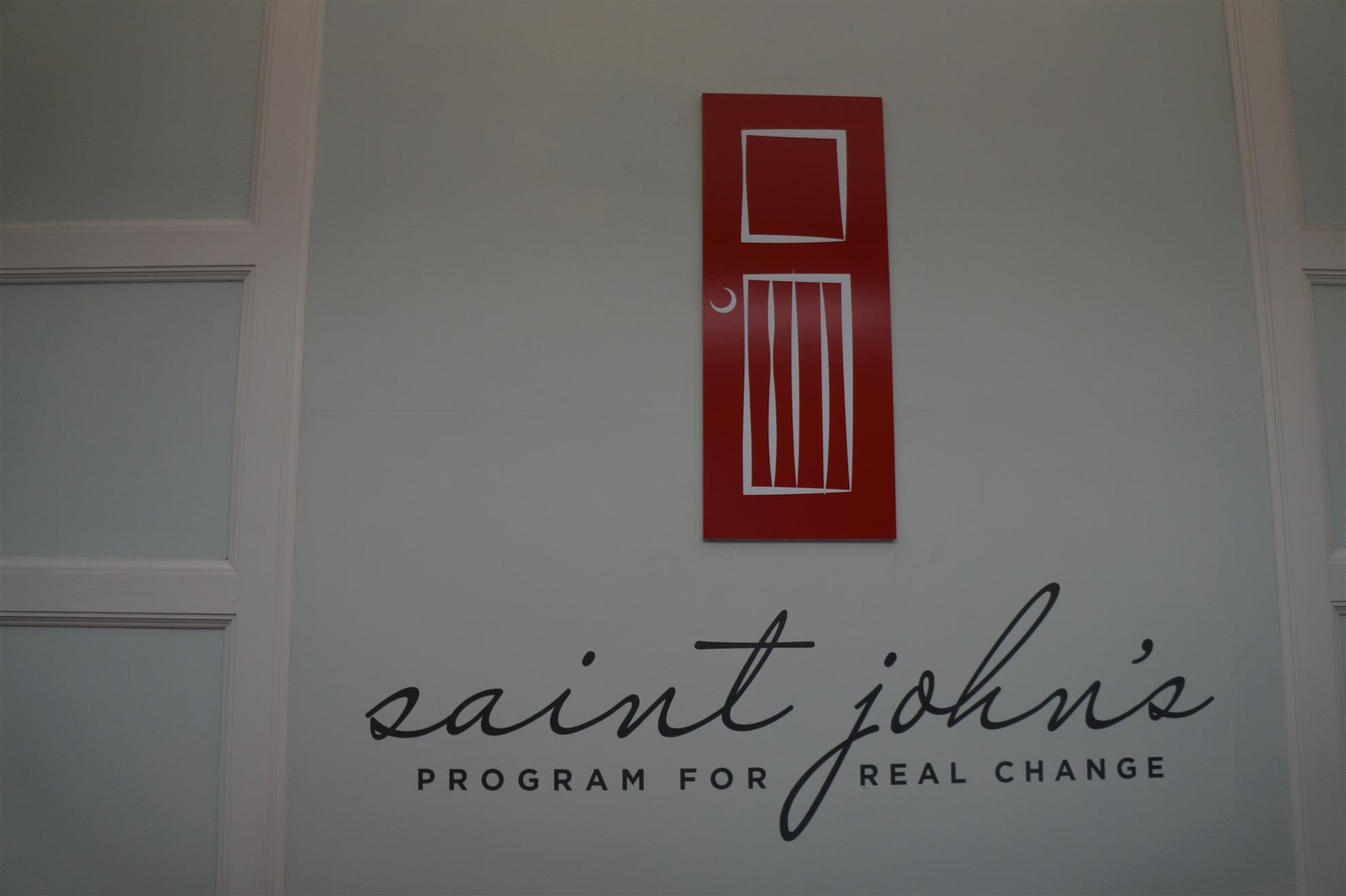
- Group photo with St. John sign.
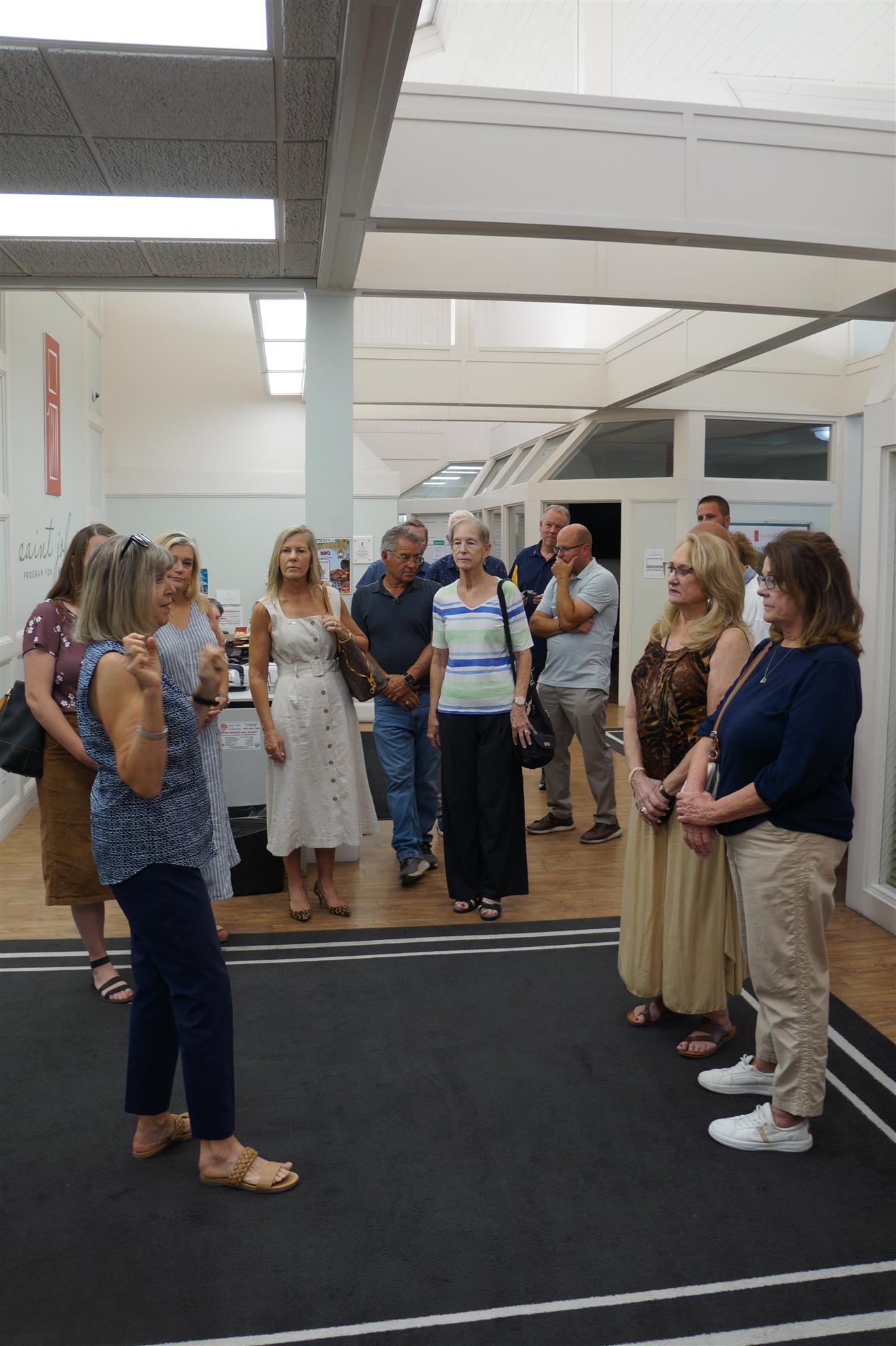
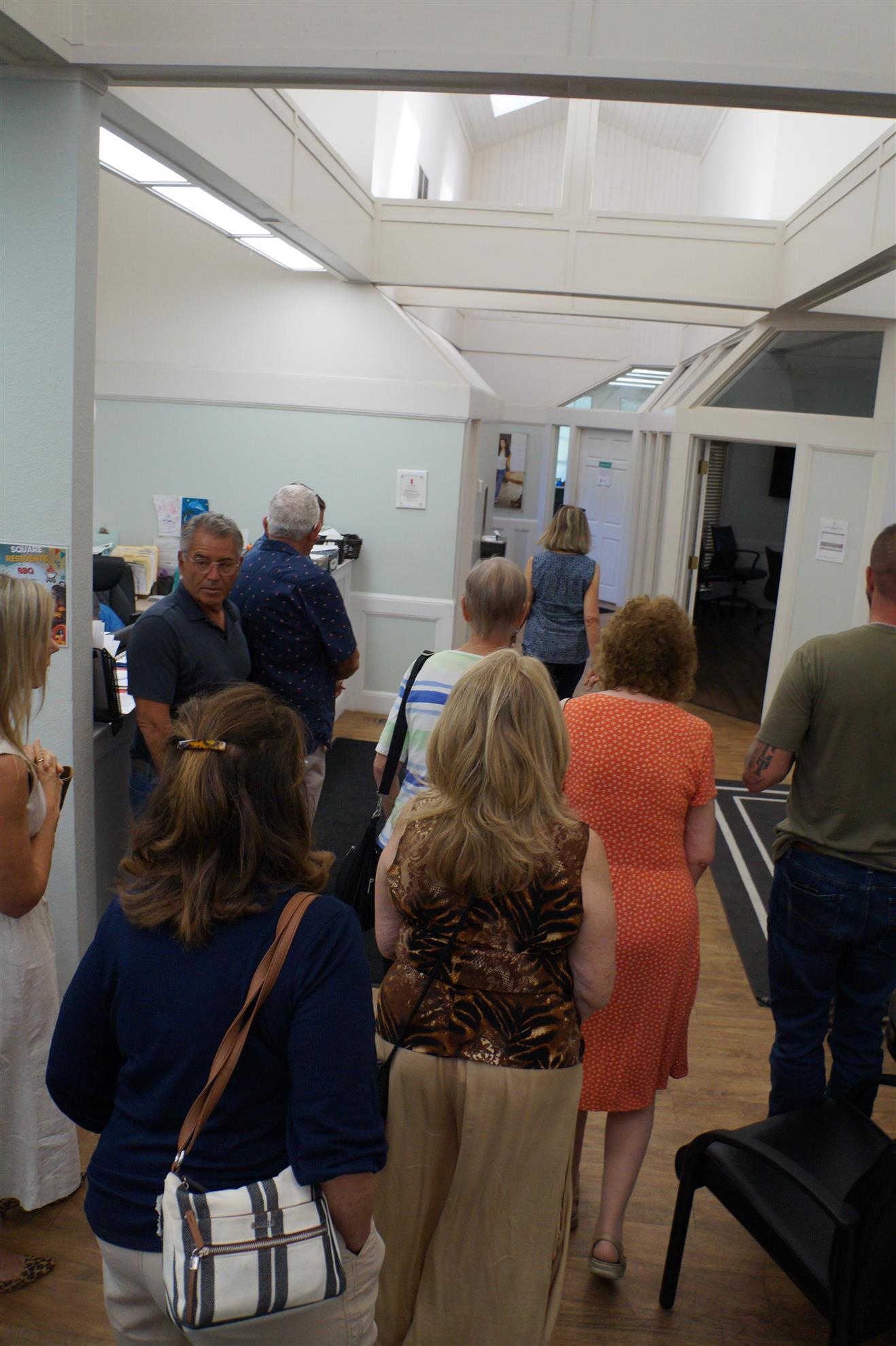
- Short campus tour.
- Lunch in the classroom.
- Q&A with CEO Scott Richards and Chief Development Officer Kelly Davis.
- Discussion of volunteer opportunities including hosting birthday parties.
Group photo with St. John sign.
## St. John's Mission and Clientele
- Largest residential program for women and children experiencing homelessness, addiction, and domestic violence.
- Services about 200 people daily, including approximately 70 women and 50 children.
- Program duration: up to one year, with transitional housing available for an additional year.
- Focus on healing, resource provision, and life transformation.
Overview of the program
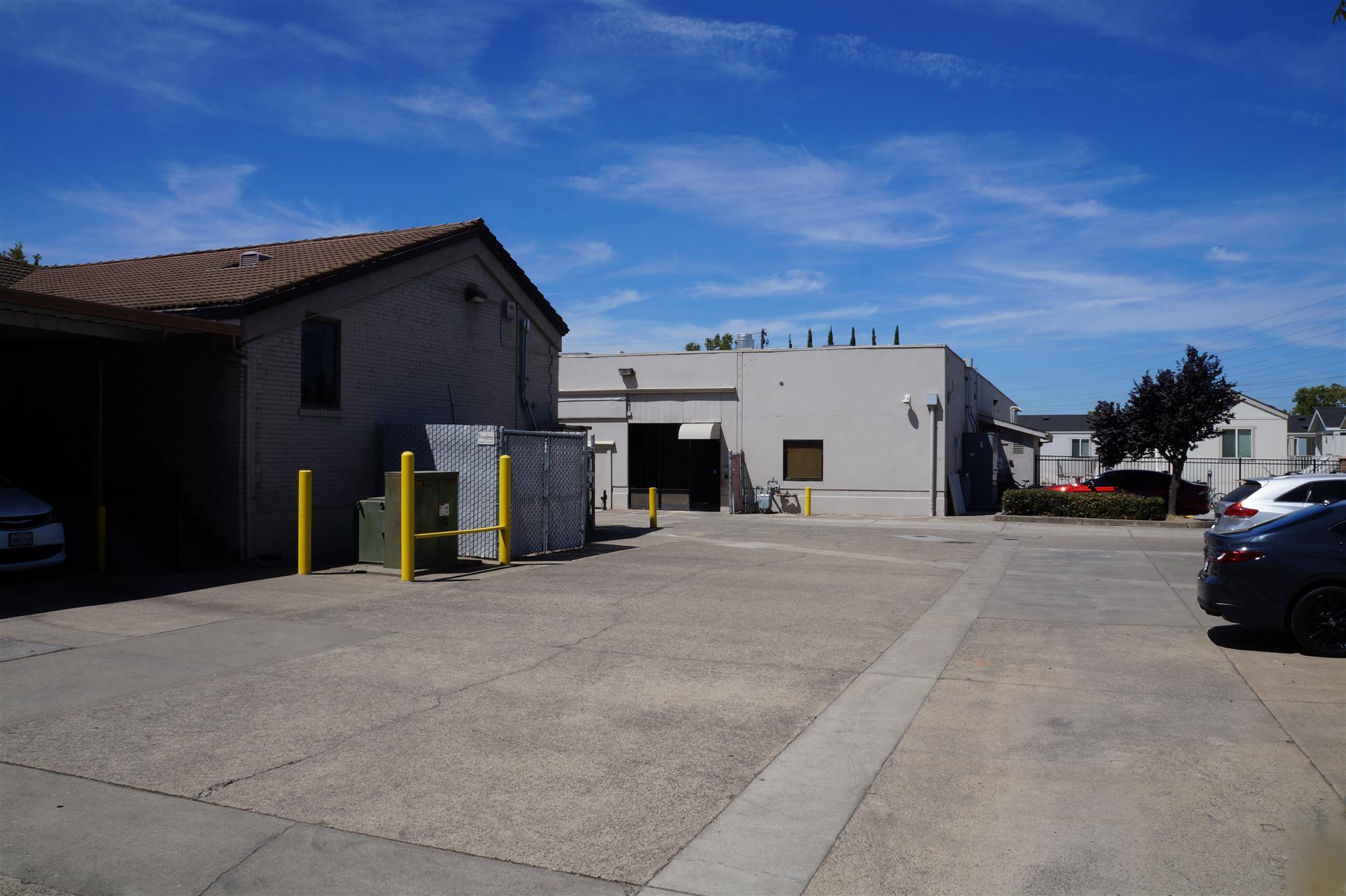
This was the administrative section of St. John's
On with the tour
- Administration building houses CEO's office, behavioral health (therapists, counselors, case managers), family services, development, finance, housing, and HR.
- Residential buildings:
- Initial transition housing for new arrivals.
- Secondary housing with more privileges after employment program completion.
- Childcare facilities divided into infants, toddlers, and preschoolers.
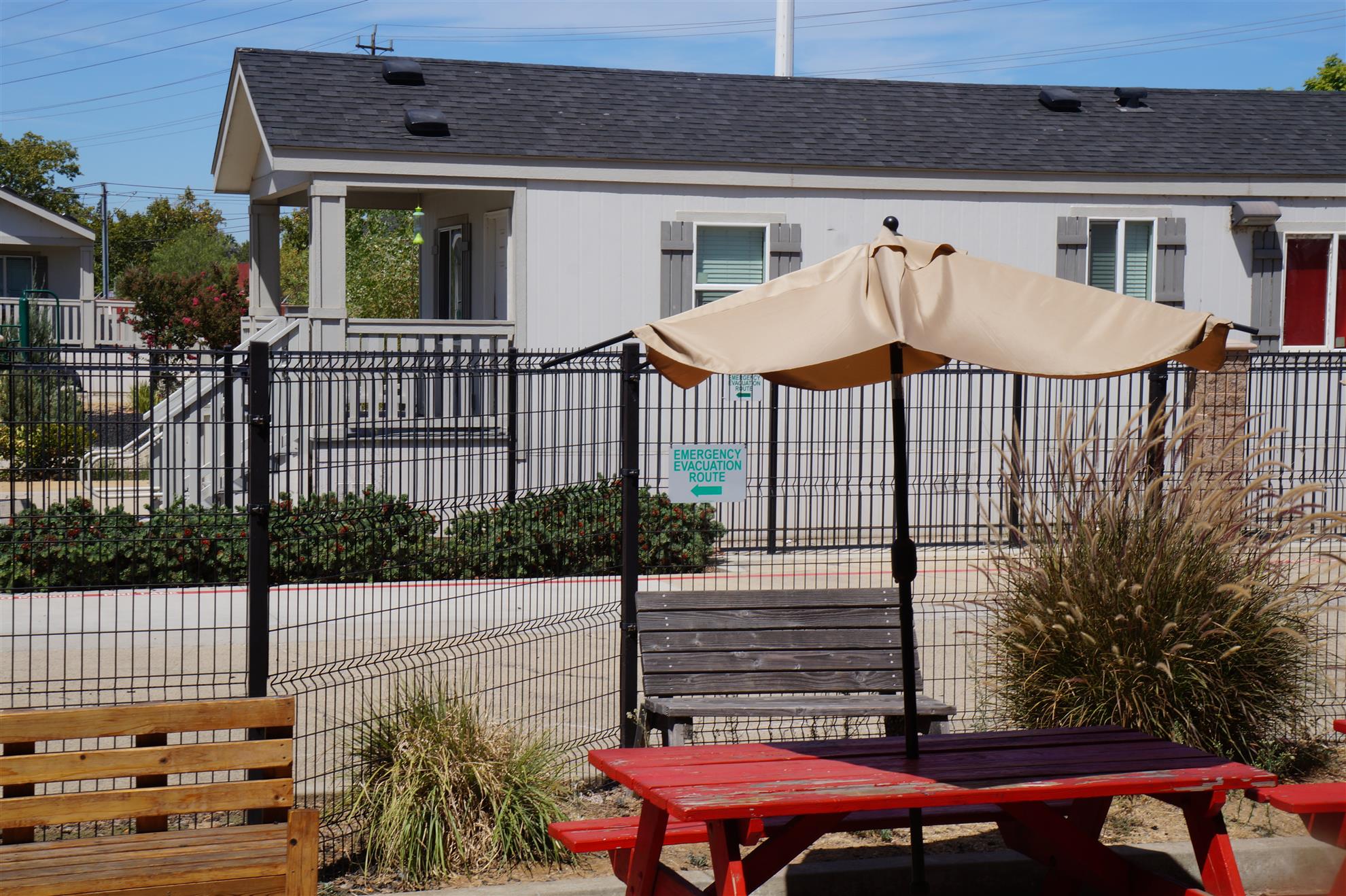
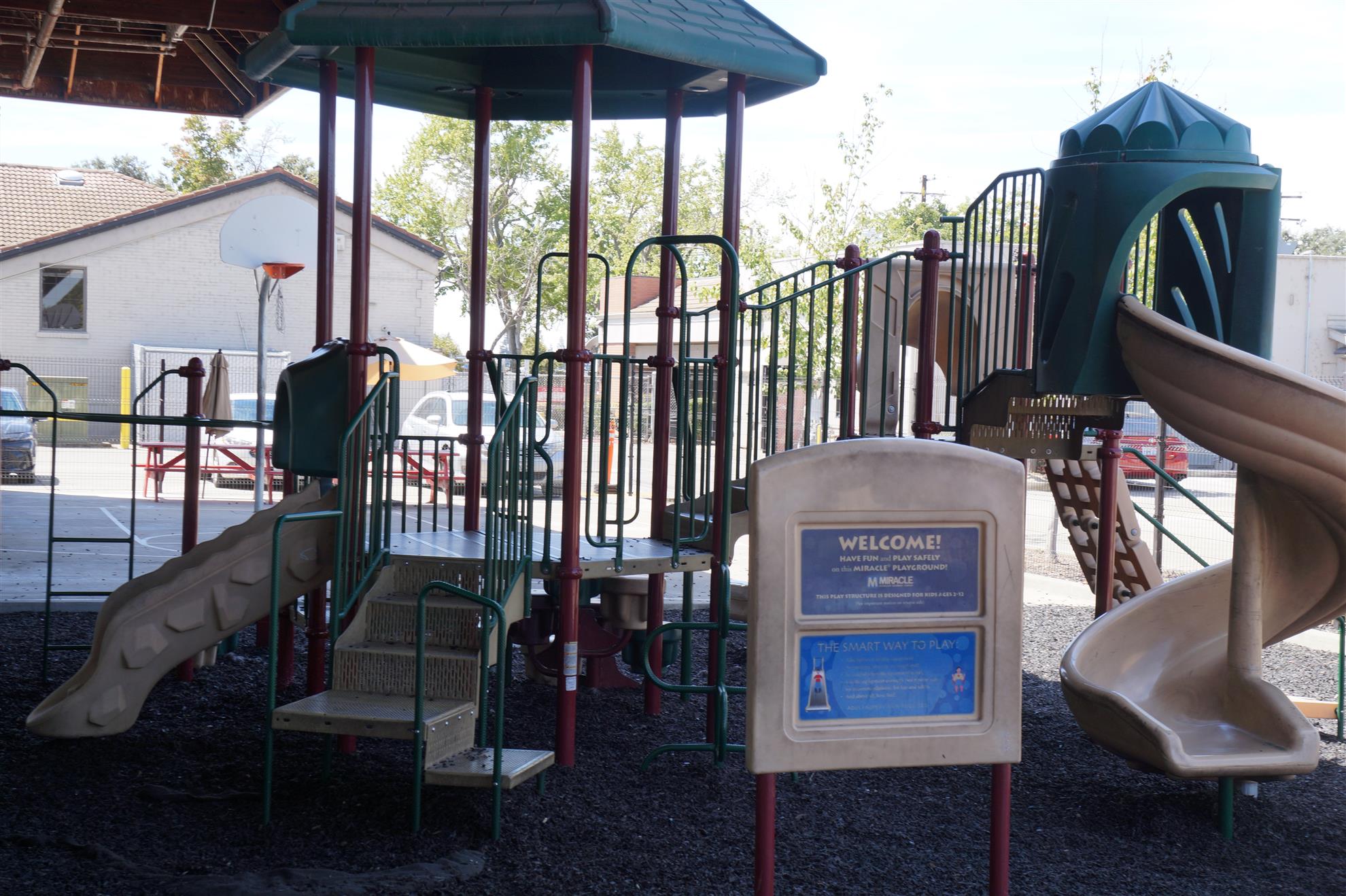
- Two playgrounds for children and community gathering.
- Dining room serves three meals and two snacks daily.
- St. John's Square: 11 furnished transitional homes with washers, dryers, and playground; residents live independently with case management support.
## Client Demographics and Services
- Adult clients: women and their minor children.
- Children range from infants to 17 years old; middle and high school students attend their respective schools.
- Transportation provided via public transit and school buses.
- Clients assigned daily chores to maintain community cleanliness.
- Sober living community with weekly random drug testing; clients testing positive three times consecutively are exited with support referrals.
- Intervention services staff provide 24/7 support; some staff are program alumni.
## Childcare and Education
- Childcare staff trained in trauma-informed care due to high trauma backgrounds (ACE scores 8-9).
- Children with learning disabilities and on the autism spectrum accommodated.
- Kids attend public schools; transportation and RT passes provided.
- Teenagers participate in extracurricular activities, field trips, and community programs (e.g., street soccer).
- Full behavioral health staff, including counselors and therapists, on site for adults and children.
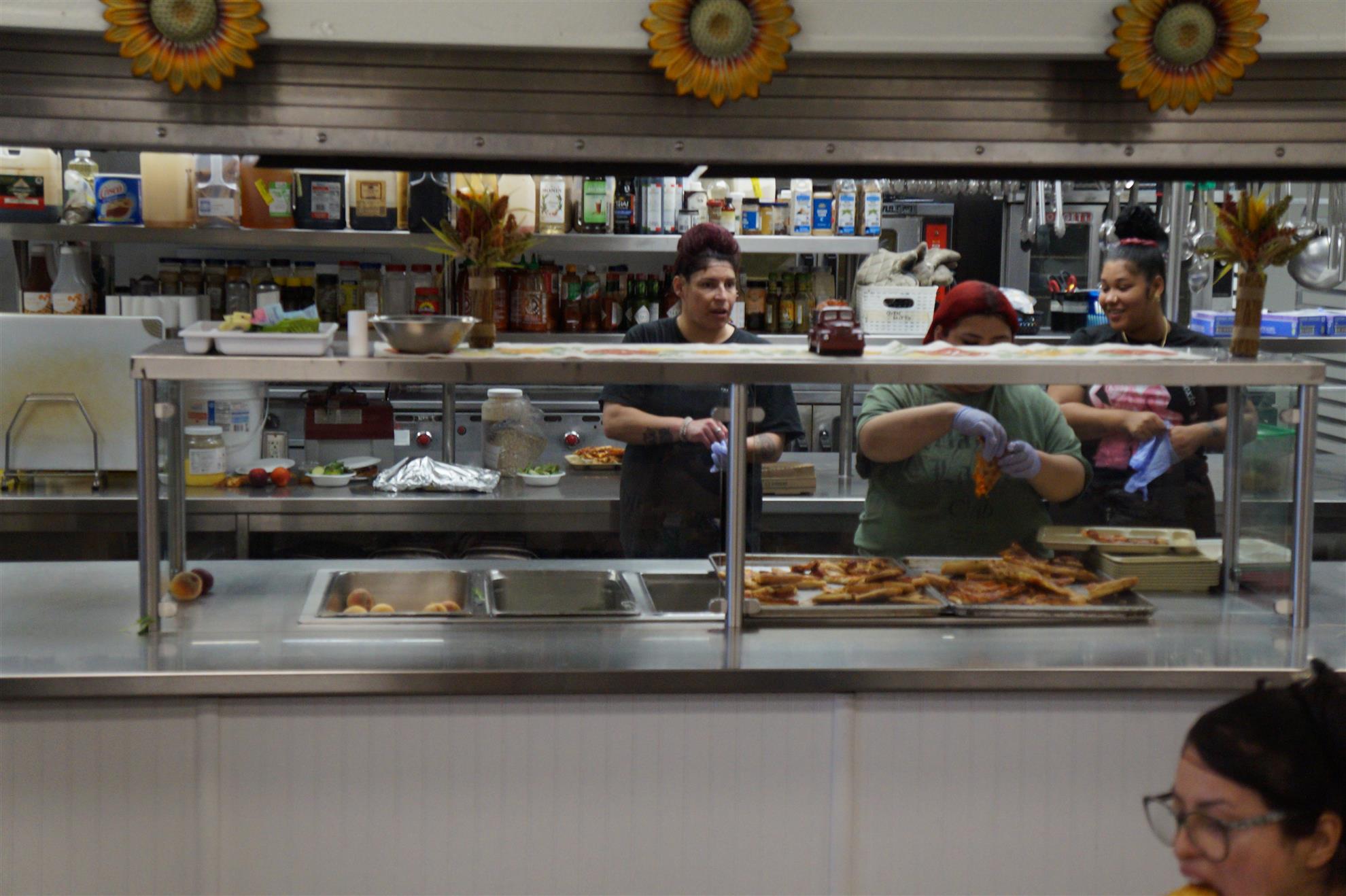
Kitchen and Cafeteria
Covered Play Area
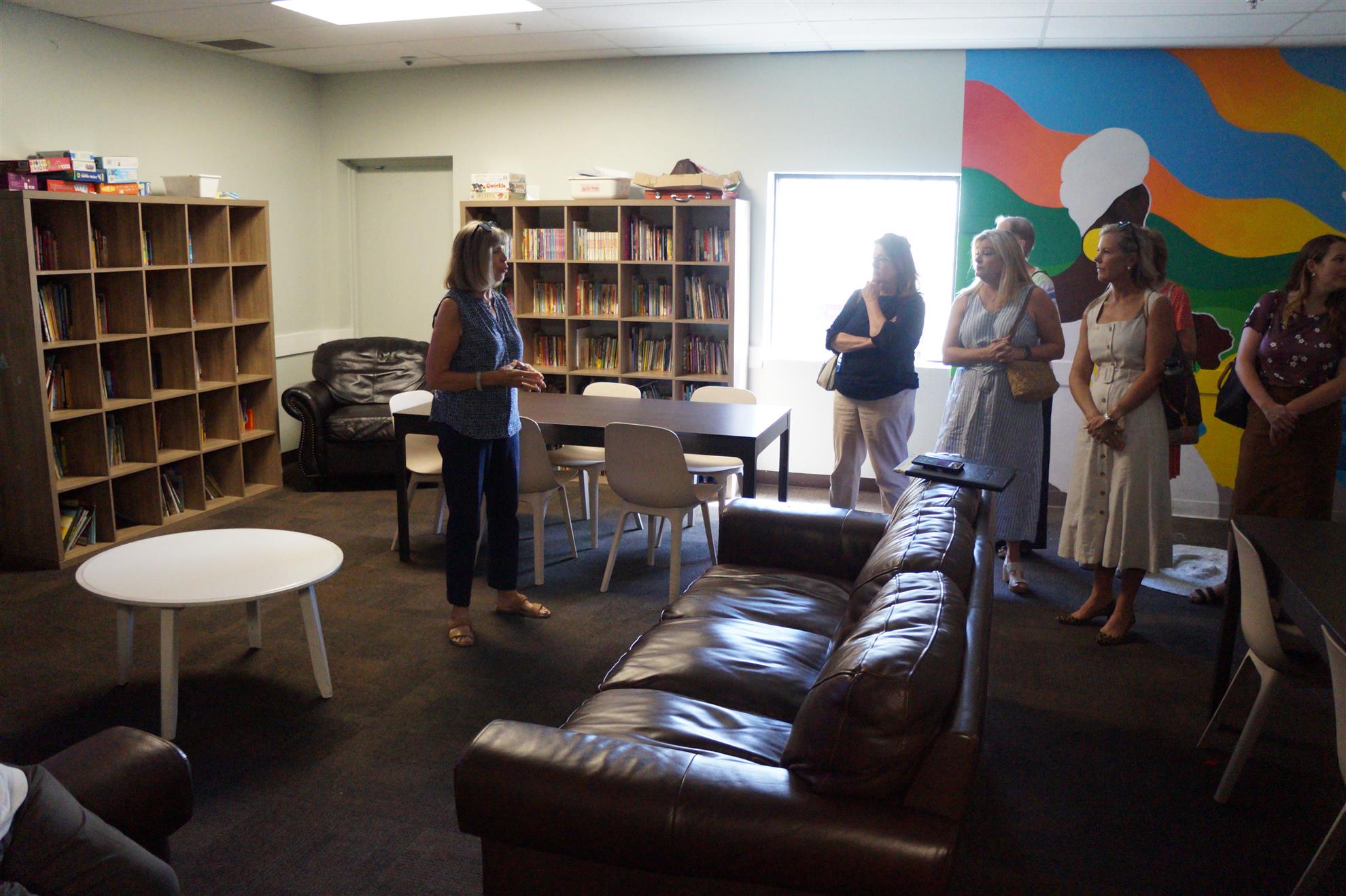
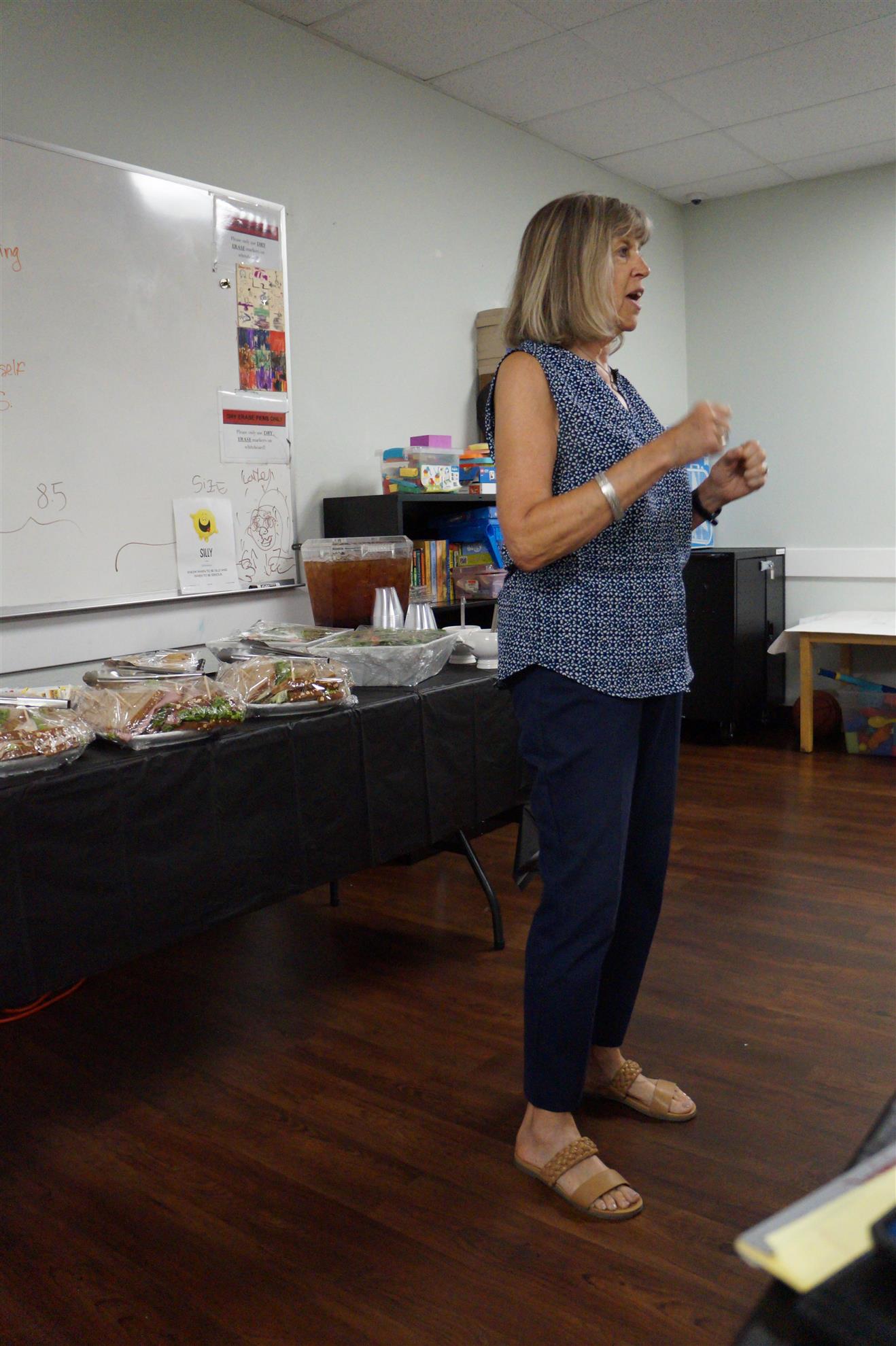
A very nice lunch was prepared for the club by the program participants. During lunch, Karen shared more about volunteer and community engagement opportunities.
## Volunteer and Community Engagement Opportunities
- Rotary and other groups involved in painting, meal service, donation processing, and organizing spaces.
- Monthly birthday parties (Project Birthday) hosted for children with gift wishlists and activities.
- Adopt a Family program during holidays, with volunteers providing gifts and wrapping.
- Partnerships with nonprofits like Cake for Kids for monthly cupcake donations.
## Donations and Needs
- Donation center for gently used clothing, shoes, and accessories on the other campus.
- New consumable items requested via Amazon wish list on St. John's website, shipped directly.
- Essential items include pillows, towels, toiletries, diapers, and bedding.
- Back-to-school events provide backpacks and school supplies, though donations were lower than usual recently.
## Funding and Budget
- Annual budget approximately $9 million.
- Major funding sources:
- Public funding (state, county, city).
- Some federal funding.
- Private foundations and grants.
- Individual donors contributing nearly $1 million annually.
- Dedicated grant writers for government and private funding.
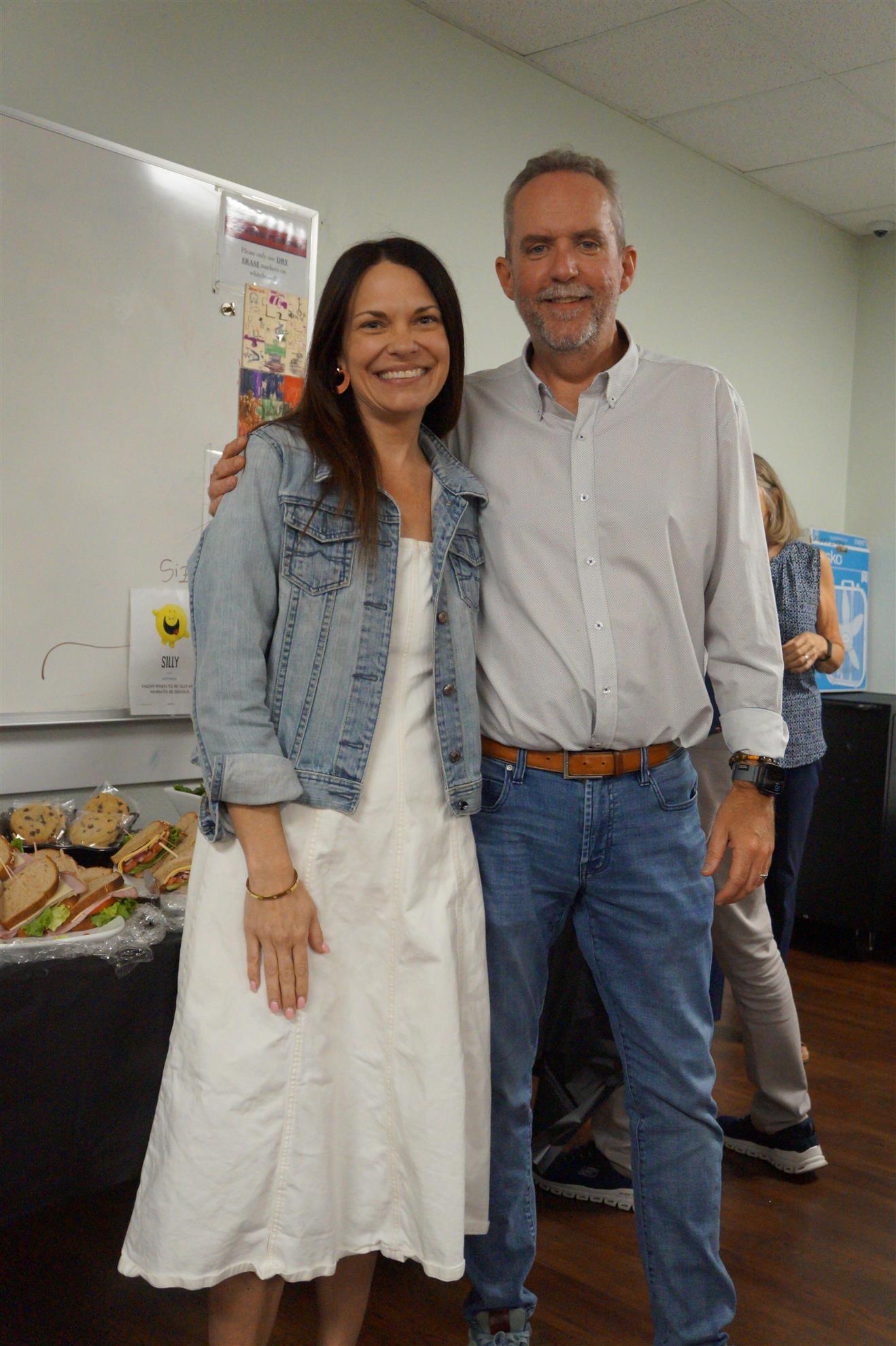
Kelly Davis and Scott Richards shared more about the St. Johns program and their involvement with the organization.
## Program Model and Partnerships
- Therapeutic community model emphasizing connection and community as method of healing.