Wetland Peace Preserve with coffee and donuts (2/28, 10-12) sign up with Russell Strader
Sip and Frolic thanks to sponsors. We need silent auction items, especially vacation rentals. Let Andrea Pettit know if you have any ideas or things you can share.
The World Service Committee shared a video of our Mobile Cancer Detection Unit in Rural Columbia. The unit was delivered yesterday and went into service immediately, first in downtown Bucaramanga. All due to the magic of Rotary! It was a project done in conjunction with the club there and the local League Against Cancer. It is the first mobile cancer screening vehicle in the country. The World Service Committee wil meet next week, 2/12, at 1:00 after the club meeting.
Happy Dollars for Polio Plus:
Todd Fisher – Happy for Glenn and his leadership on the cancer screening vehicle. Todd went to Guatemala for Rotary and had a great trip. RYLA applications are now live. Small grants for GBRF are now open, so let your non-profits know. Finally, Todd’s happy Jenny is our president!
Glenn Harris - Happy we got the project across the finish line
Paul Schmidt – Happy because he thinks the patriots will win the super bowl
Scott Learned – Happy because Stephanie was in the hospital two nights with respiratory failure due to pneumonia. She home now and doing better, but it’s a long road back to full health.
Jim Steele – accidentally took his badge home.
Chuck Cosack – Happy for Jeff Leedy who clued Chuck in on a spot with free parking for Rotary Lunch. Plus he hasn’t gotten any parking tickets, so the saved money can go to Polio.
Casey Blair – Saw something special in the Rotary magazine.
Kevin Learned – For a long time, people used to ask Scott if he was my son. Now, people ask if Kevin is Scott’s dad.
Rob Onnen - Forgot to wear his Rotary pin. (shame, shame)
Tom Olivola – 38 years of marital bliss, plus his wife’s birthday of an undisclosed age.
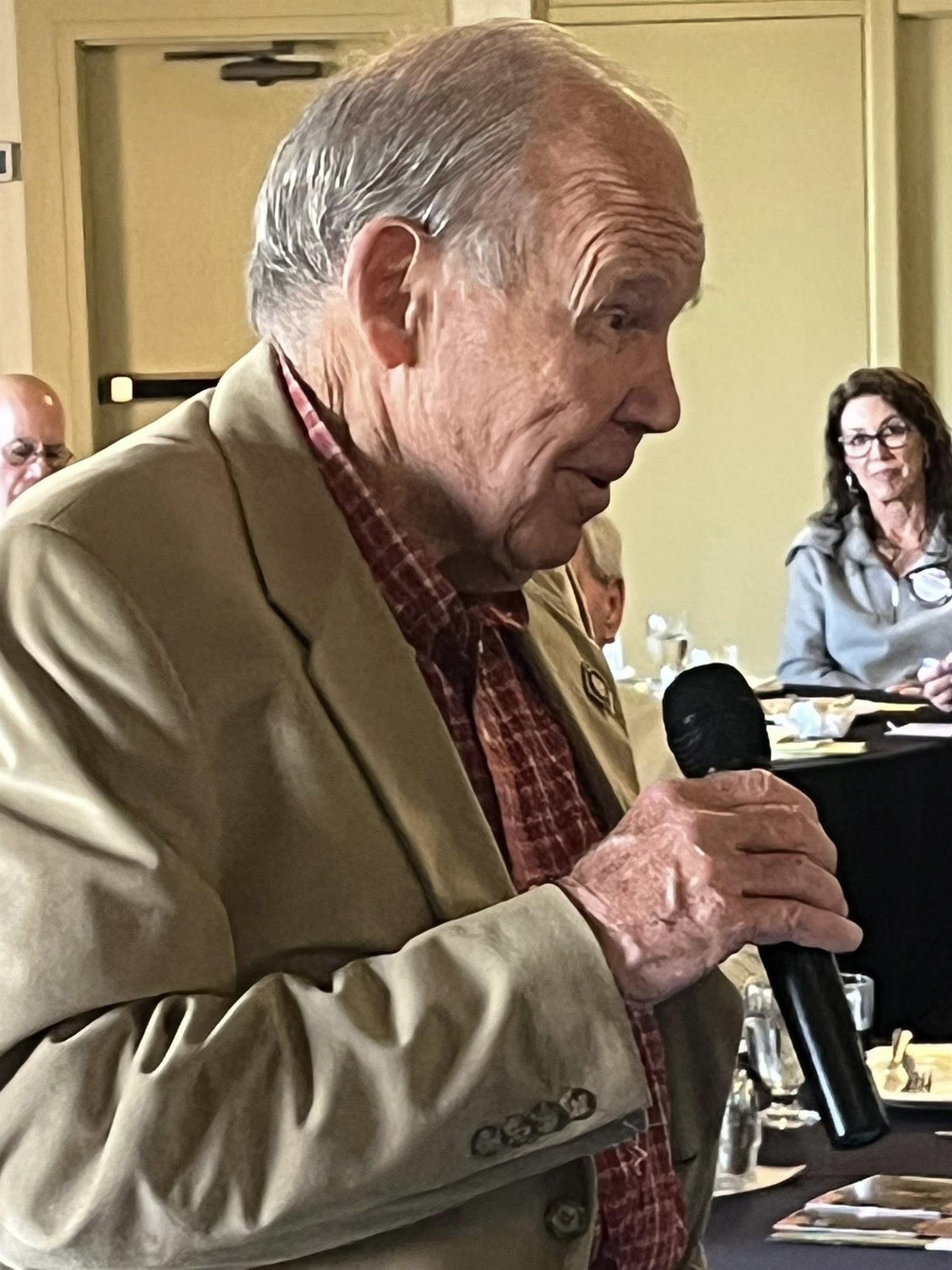

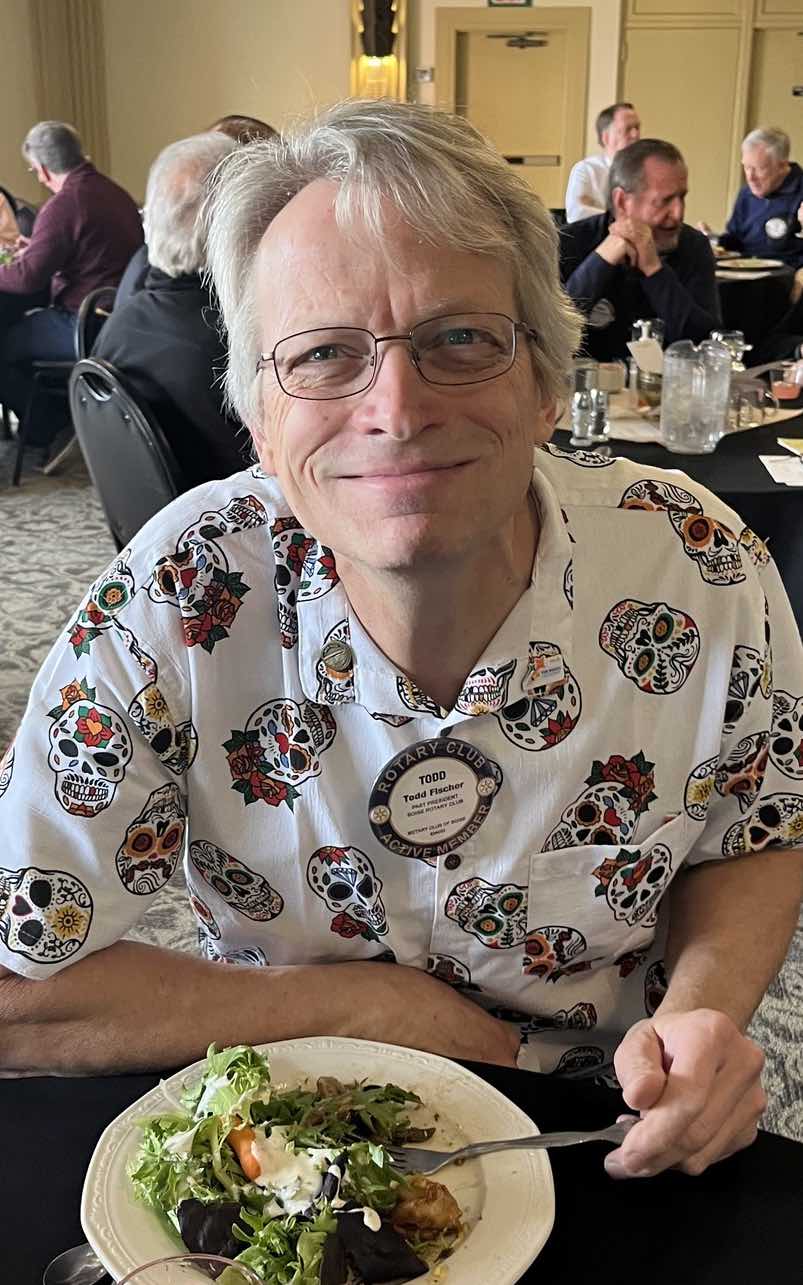
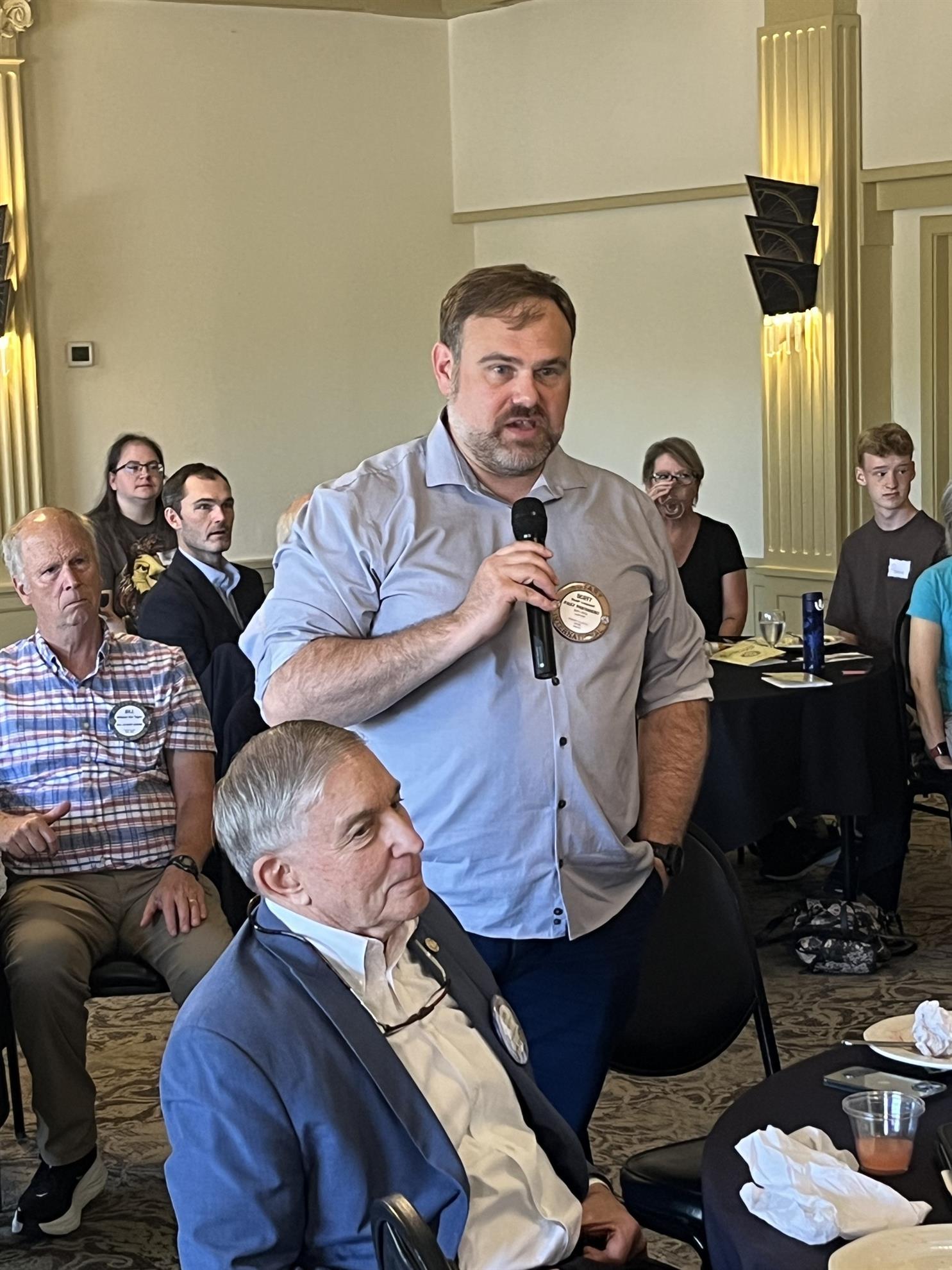
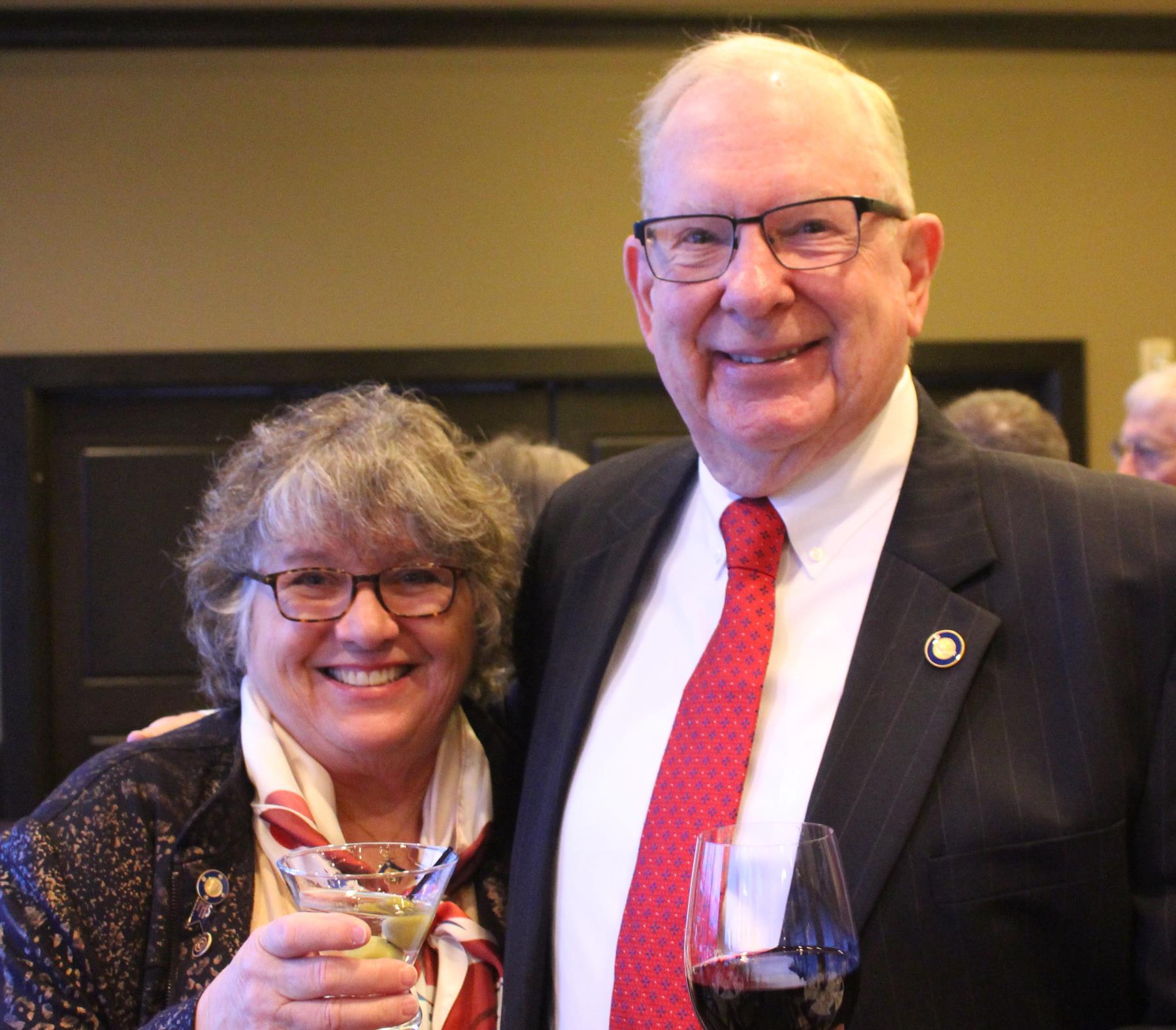
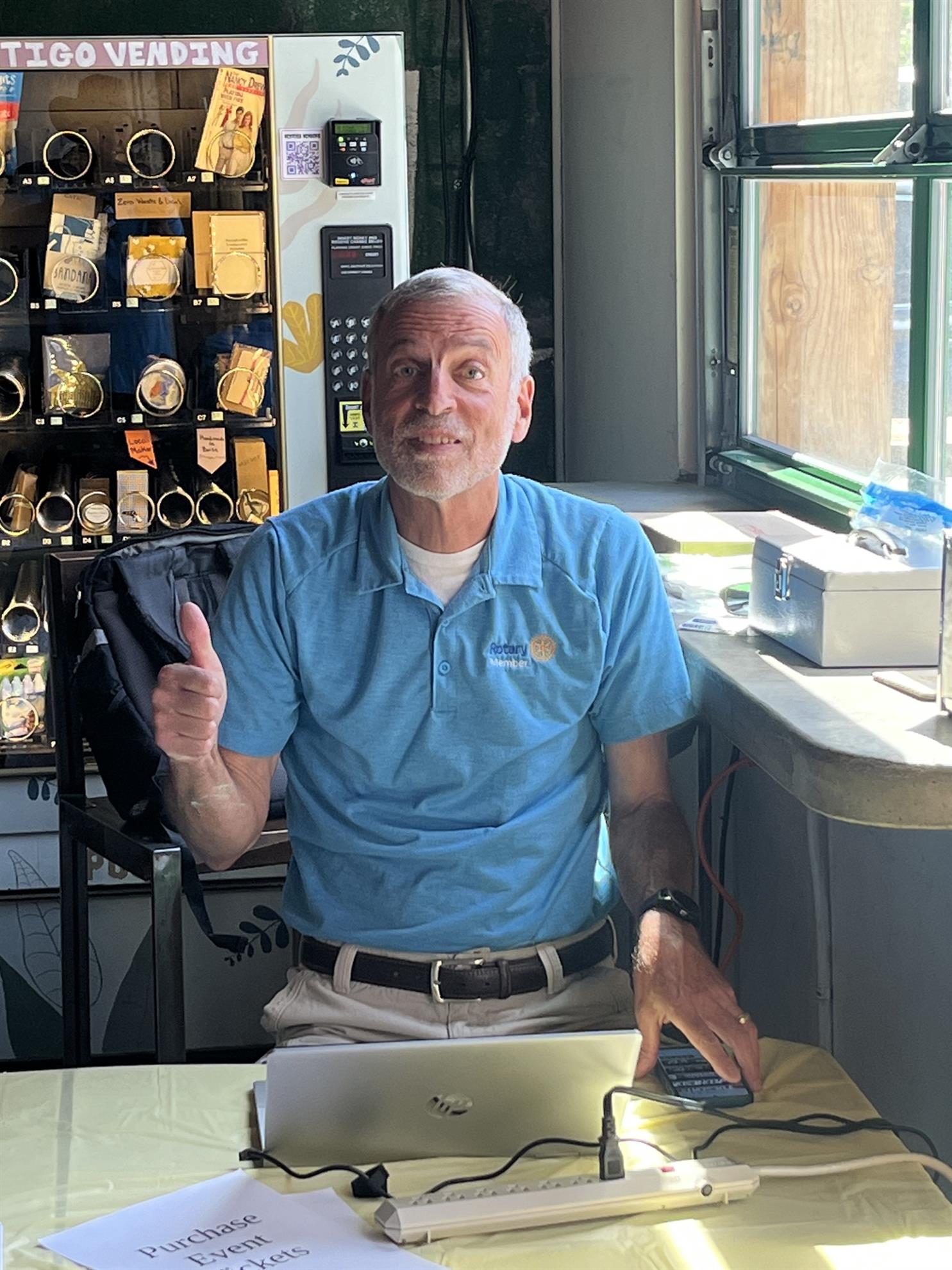
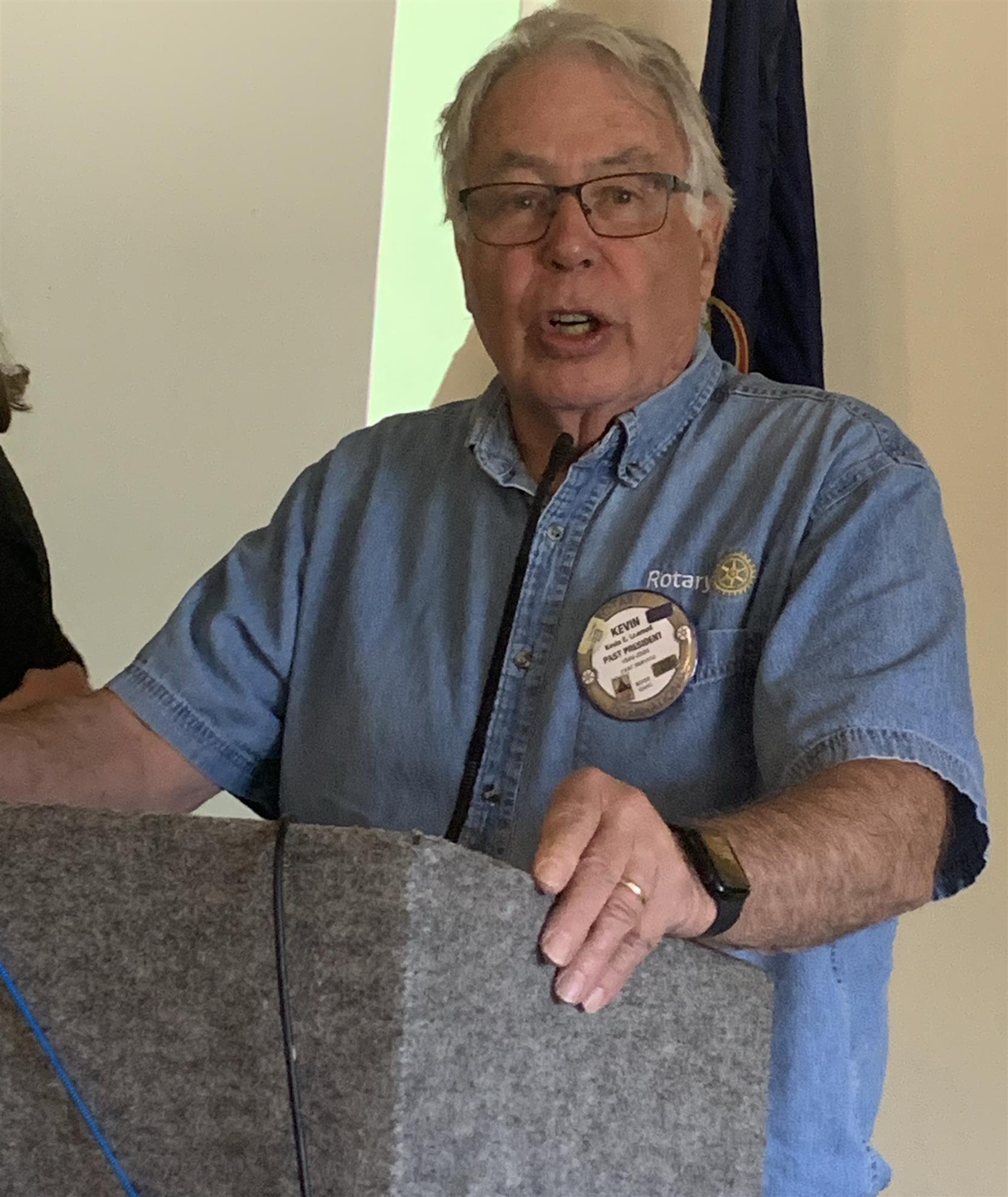
Last Weeks Speaker Stuart Murray with the Idaho Bee Atlas
They spoke about the importance of the 700+ species of native bees living in Idaho. Idaho’s native bees tend to be active for only 4-6 weeks, often tied to one particular plant. Some are very picky eaters. They have no queens, but the females lay 5-20 eggs per season. Native bees are very efficient pollinators, that have often evolved to pollinate a specific type of plant – often plants that honey bees won’t pollinate. (Honey bees are not native and were imported from Europe.) Native bees are thus crucial to biodiversity, and are well adapted to their local environments.
Most native bees are solitary and will nest in holes in the ground. Other bees will dig into stems or wood to build nests. Some are very picky about where they live. They spend most of their lifecycle in a prepupa stage in their nests.
Native bees and flowers have been evolving together for 120 million years, and they depend on each other. Bees want pollen and nectar. Flowers want bees to forage on themselves and similar flowers. So, if we lose one, the other struggles. They are highly interdependent, so if one shows up out of sync with the other, it creates a problem.
The Idaho Bee Atlas is a statewide, volunteer initiative documenting Idaho’s wild bee species. They train volunteers to be melittologists, to go into the field to collect data. They then take that data and publish conclusions in peer-reviewed journals. www.idahobeeatlas.org
This Weeks Speaker Jeremy Haynes, Global Treasurer, Simplot Company r
While I still have plenty of room to grow, I believe that I have made tremendous progress on my objectives, adding value and demonstrating resiliency. My success continues to be 100% attributable to my wife, kids, mom, and my incredible team, who continue to support me every day.
I’m humbled by and grateful for the amazing people in my life.
In year 3, I look forward to growing further, both professionally and personally, with a goal of doubling-down on my commitments to family, mental health, development, and supporting the growth/success of Simplot.