An estimated 500 million people worldwide became infected. Many cities closed theaters and cinemas, and placed restrictions on public gatherings. Rotary clubs adjusted their activities while also helping the sick.
This is how Rotary responded to the influenza pandemic that began in 1918 and came in three waves, lasting more than a year.
The Rotary Club of Berkeley, California, USA, meets in John Hinkel Park during the 1918 flu pandemic.
Photo by Edwin J. McCullagh, 1931-32 club president. Courtesy of the Rotary Club of Berkeley.
In early 1919, Rotarian Roger Pinneo of Seattle, Washington, USA, traveled to the Philippines to try to organize a Rotary club in Manila. Leon J. Lambert, a Manila business leader helped Pinneo establish the club. Several months later, on 1 June 1919, the Rotary Club of Manila was chartered and became the first Rotary club in Asia.
The club would be the only one in the country for more than 12 years. Eventually, Manila club members organized Rotary clubs in the Philippine cities of Cebu (1932) and Iloilo (1933). Iloilo club members then started a club in Bacolod (1937), and Rotary continued to expand across the country.
Women are active participants in Rotary, serving their communities in increasing numbers and serving in leadership positions in Rotary. The 1989 Council on Legislation vote to admit women into Rotary clubs worldwide remains a watershed moment in the history of Rotary.
“My fellow delegates, I would like to remind you that the world of 1989 is very different to the world of 1905. I sincerely believe that Rotary has to adapt itself to a changing world,” said Frank J. Devlyn, who would go on to become RI president in 2000-01.
The vote followed the decades-long efforts of men and women from all over the Rotary world to allow the admission of women into Rotary clubs, and several close votes at previous Council meetings.
Lorem ipsum dolor sit amet, consectetur adipiscing elit. Maecenas tempus vulputate nibh ut congue. Praesent facilisis odio tortor. In eu iaculis lectus, eu iaculis felis. Cras quis est quis enim pharetra efficitur in tincidunt felis. Morbi nec posuere ex. Nam massa turpis, molestie finibus libero ac, finibus mollis nisi. Nullam mollis magna non ex porta tincidunt. Phasellus in turpis nisi.
We will be focusing on:
Etiam rhoncus, ex et sodales pharetra, tortor velit semper est, in egestas lectus diam eget urna.
Sed venenatis pharetra dui vel iaculis.
Donec nec purus eu ligula dapibus commodo. Vestibulum at sapien dui.
Vestibulum at sapien dui. Proin sit amet varius eros. Aenean hendrerit egestas molestie. Aenean est augue, luctus sed arcu non, hendrerit pellentesque orci. Pellentesque eget aliquet felis, convallis suscipit odio.


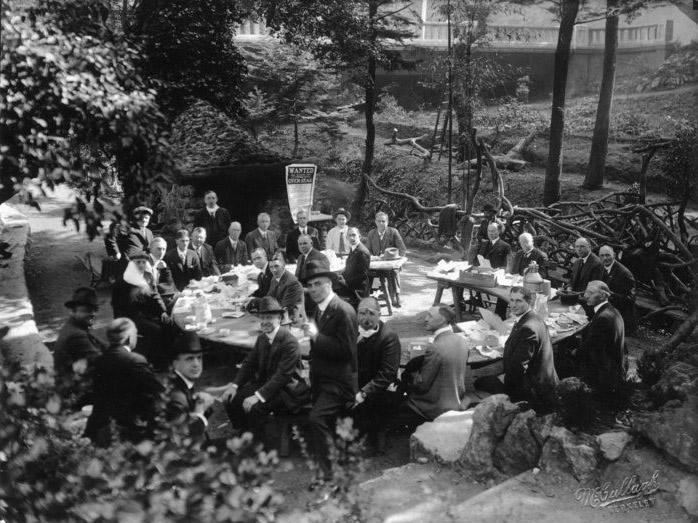 An estimated 500 million people worldwide became infected. Many cities closed theaters and cinemas, and placed restrictions on public gatherings. Rotary clubs adjusted their activities while also helping the sick.
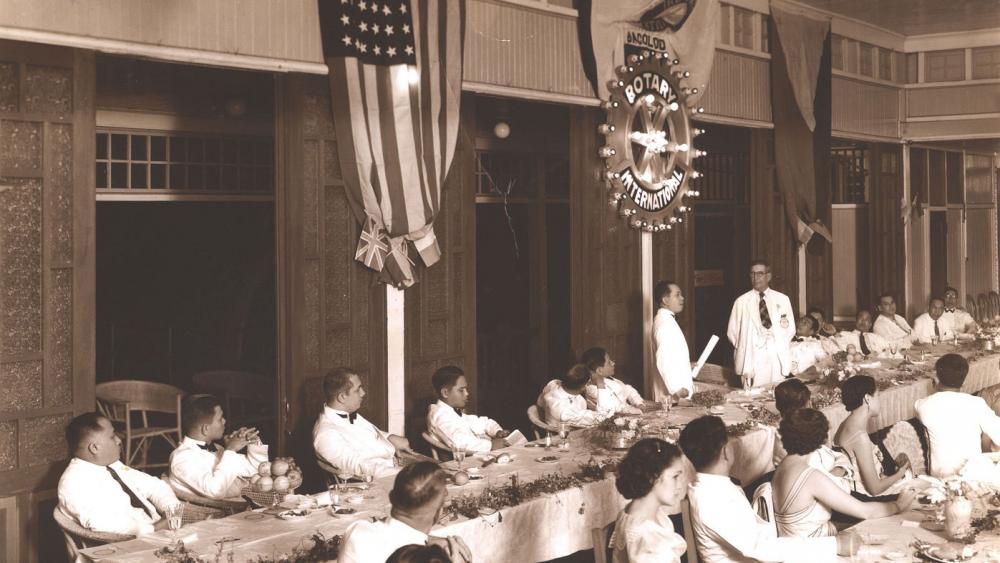 In early 1919, Rotarian Roger Pinneo of Seattle, Washington, USA, traveled to the Philippines to try to organize a Rotary club in Manila. Leon J. Lambert, a Manila business leader helped Pinneo establish the club. Several months later, on 1 June 1919, the Rotary Club of Manila was chartered and became the first Rotary club in Asia.