Brazil
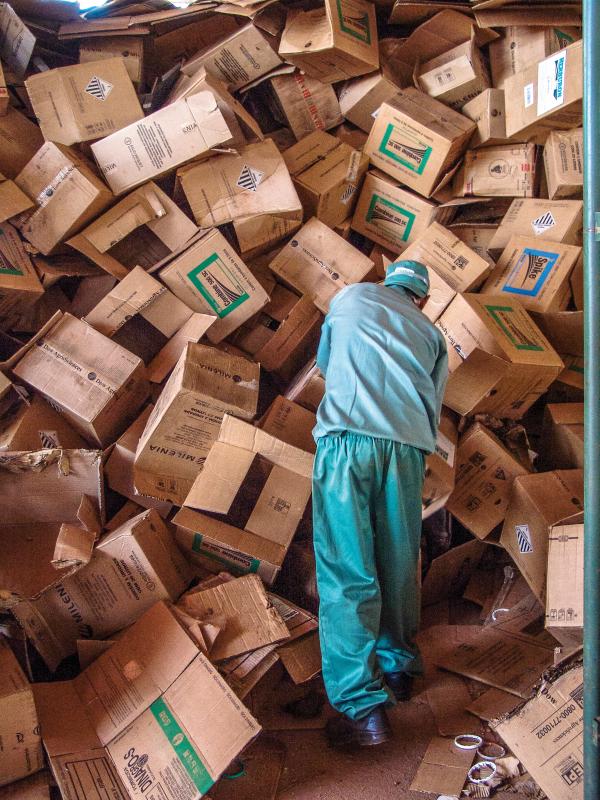
In Campo Mourão, Brazil, only 5 percent of garbage is recycled, and workers at the local recycling facility lacked the equipment needed to increase productivity. Without a conveyor belt, they had to sort recyclable materials at tables and move them by hand, requiring extra time and effort. And their outdated press was slow and created bales of recyclables that were smaller than standard for the regional market.
Working with a local environmental program that coordinates the recycling cooperative, the Rotary clubs of Campo Mourão and Little Rock, Arkansas, developed a project to increase workers’ capacity to separate and process recyclable materials, providing both economic and environmental benefits. The project funded equipment to improve worker safety and efficiency and providing environmental and financial training. Workers sorted an additional 2.63 tons of recyclables per month after the grant project was implemented, and their income increased nearly 25 percent per month.
• This story originally appeared in the March 2021 issue of Rotary magazine.
People and the planet are inextricably linked. You must care for both.
Jennifer Scott
Member of club of Central Blue Mountains, Australia and former adviser to the Australian minister for the environment
Switzerland
Every year, more than eight million tons of plastic waste, also known as plastic soup, end up in the oceans. Sea birds die from ingesting phone parts, turtles believe plastic bags to be jellyfish, and fish mistake pieces of plastic for plankton. Microplastic enters the human food chain via these fish.
Swiss Rotary members created an association, “Mare Nostrum – End Plastic Soup,” to organize efforts around reducing the amount of plastic waste in the world’s waterways. Several times a year, volunteers remove plastics from rivers and lakes. The group has also developed a campaign to teach businesses how to dispose of plastic waste properly.
“The protection of rivers, lakes, and seas is a major global undertaking, as water is an elementary part of life,” says Marie-Josée Staff-Theis, member of Rotary Club of Arlesheima and co-president of the association.
This story originally appeared in Rotary Suisse.
Read more...