They support business understanding of cybersecurity for small and medium business
We hear about Cyber threats in the news
What should businesses be concerned about?
Small businesses are increasingly becoming the primary targets for cyber attacks. Shockingly, research reveals that a staggering 61% of these businesses have been the victims of dedicated attacks.
This means attackers invest time and resources into understanding the specific vulnerabilities and weak points of small businesses, making them more susceptible to breaches.
Statistics show that 48% of all cyber attacks are directed towards small and medium-sized businesses (SMBs). One alarming trend is the rise in social engineering attacks targeting SMBs, which have seen a staggering 350% increase in recent years.
But why are small businesses such attractive targets for cybercriminals?
Firstly, many small businesses lack the expertise and resources to implement robust cybersecurity measures. They often operate with limited IT budgets and may not have dedicated cybersecurity professionals on staff. This vulnerability makes them low-hanging fruit for opportunistic hackers.
Secondly, inadequate cybersecurity tools and infrastructure further exacerbate the risk for small businesses. Without the proper defenses in place, such as firewalls, antivirus software, and intrusion detection systems, they are left exposed to various cyber threats.
Moreover, small businesses often possess valuable intellectual property (IP) and financial resources that make them lucrative targets for cybercriminals. These assets can include sensitive customer data, proprietary information, and financial records, which, if compromised, can have severe consequences for both the business and its customers.
Another concerning trend is the growing prevalence of ransomware attacks against small businesses. When faced with the threat of data encryption or exposure, many small business owners feel compelled to pay ransoms to cybercriminals in order to safeguard their organizations. This perpetuates the cycle of cyber extortion and emboldens attackers to target more businesses.
Furthermore, small businesses can serve as gateways to larger parent organizations or supply chains. By compromising a small business, cybercriminals can gain access to more extensive networks and valuable data held by larger enterprises.
Adding to the complexity of the threat landscape, there is a flourishing underground market on the dark web where cybercriminals can purchase sophisticated "breach as a service" tools and services. These tools are designed to exploit vulnerabilities in small business networks, making it easier for attackers to carry out their malicious activities.
In light of these pressing cybersecurity concerns, it's imperative for small businesses to prioritize their cybersecurity posture. This includes investing in robust security solutions, educating employees about cybersecurity best practices, implementing regular software updates and patches, and conducting thorough risk assessments to identify and mitigate potential vulnerabilities.
By taking proactive measures to enhance their cybersecurity defenses, small businesses can better protect their valuable assets and mitigate the risks posed by cyber threats.
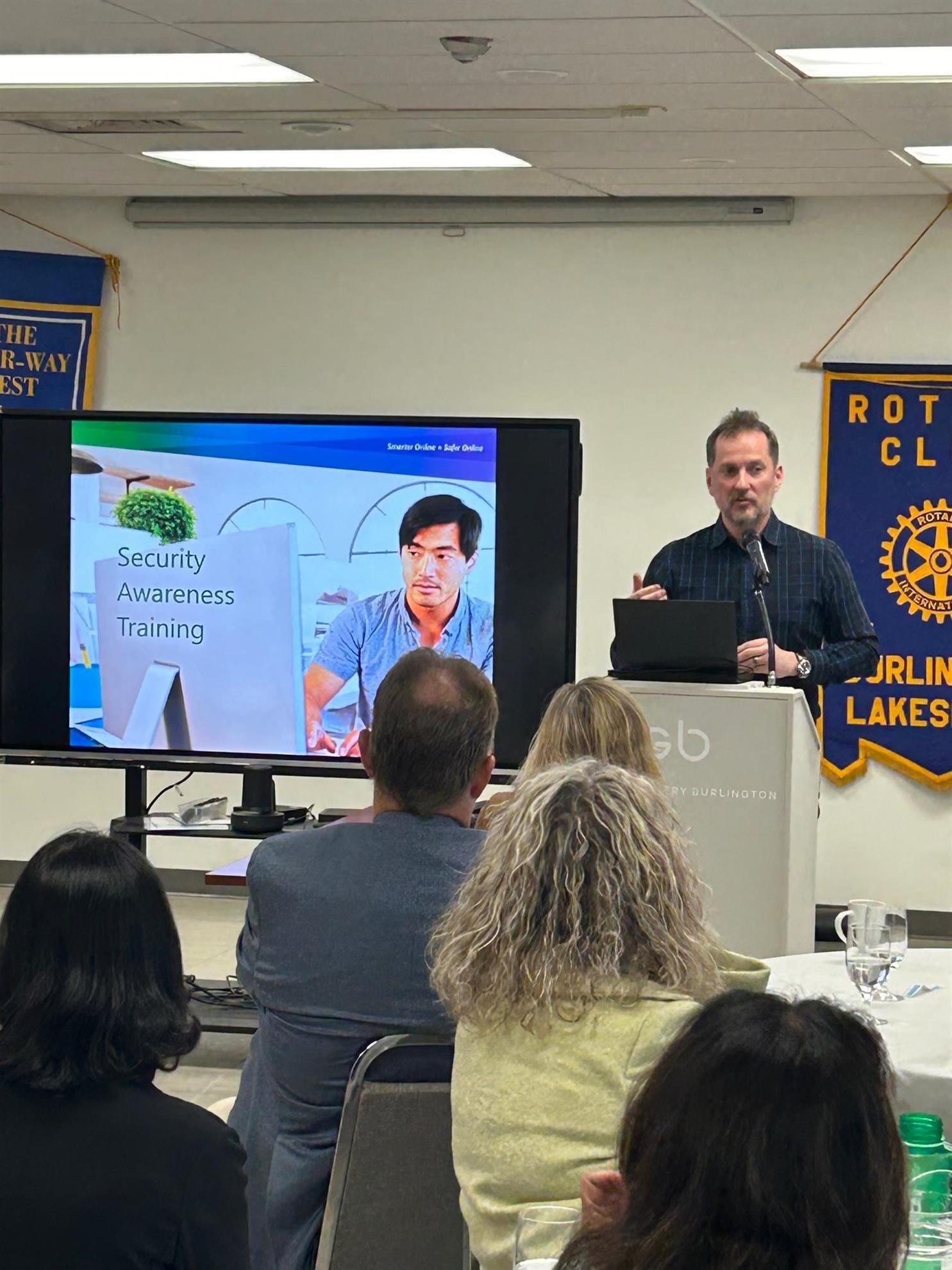
Security awareness training
In today's digital landscape, cybersecurity is not just a matter of concern for the IT department but for every individual within our organization. As a consultant, I've observed that the biggest gap in many organizations lies in the lack of comprehensive security awareness among employees.
It's crucial to recognize that each one of us plays a vital role in safeguarding our data and protecting the reputation of our organization. The reality is that users serve as the gateway to both our data and our reputation. Shockingly, statistics reveal that a staggering 74% of all breaches involve some form of human error or manipulation.
Investing in security training isn't just a necessity; it's a smart business decision. Studies have shown a remarkable 70% return on investment (ROI) for organizations that prioritize security training. Moreover, advancements in technology have led to a 300% reduction in the cost of training over the past few years, making it more accessible than ever before.
However, it's not just about checking boxes for compliance. While compliance measures are important, they should serve as a baseline rather than the end goal. Instead, we must strive to create a culture of security within our organization. This entails fostering a mindset where security is everyone's responsibility, from the top leadership down to the frontline employees.
While technological defenses are essential, they shouldn't be relied upon as the sole line of defense. Instead, we must complement our investments in technology with a well-trained and vigilant workforce. After all, human intuition and critical thinking capabilities are invaluable assets in the fight against cyber threats.
Lastly, let's not overlook the importance of having adequate insurance coverage, especially in the face of ransomware attacks. While we strive to prevent such incidents, having insurance can provide an additional layer of protection and peace of mind.
In conclusion, building a secure culture requires a collective effort. By investing in training, fostering awareness, and leveraging technology wisely, we can mitigate risks, protect our data, and safeguard the reputation of our organization.
Safeguarding the organization
In today's digital landscape, safeguarding your organization from cyber attacks is paramount. To ensure robust protection, it's essential to cover the basics while also staying ahead of evolving threats. Here's a comprehensive guide to fortifying your defenses:
1. **Cover the Basics**: Start by establishing a strong foundation. This includes implementing essential security measures such as firewalls, antivirus software, and regular patch management.
2. **Monitor and Patch Management**: Consistently monitor your systems for vulnerabilities and apply patches promptly to address any potential security gaps. This proactive approach helps prevent exploitation by cyber threats.
3. **Antivirus**: Deploy reputable antivirus software across all devices within your organization. Regularly update virus definitions to detect and neutralize known malware strains effectively.
4. **Firewall**: Install and configure firewalls to monitor and control incoming and outgoing network traffic. This serves as a barrier between your internal network and external threats, enhancing overall security.
5. **Training**: Educate employees about cybersecurity best practices to cultivate a culture of security awareness. Regular training sessions can help mitigate risks associated with social engineering attacks and human error.
6. **Multi-Factor Authentication (MFA)**: Implement MFA to add an extra layer of security beyond passwords. By requiring multiple forms of verification, such as a code sent to a mobile device, you can significantly reduce the risk of unauthorized access.
7. **Find the Right Partner**: Collaborate with trusted cybersecurity experts or service providers to bolster your defenses. Choose partners who understand your organization's specific needs and can provide tailored solutions.
8. **Ensure Support and Training**: Ensure that your chosen partners offer ongoing support and training to keep your team updated on the latest security threats and best practices.
9. **Follow Set of Standards**: Adhere to established security standards and frameworks such as ISO 27001 or NIST Cybersecurity Framework. These guidelines provide a structured approach to managing and mitigating cybersecurity risks.
10. **Security is a Journey**: Understand that cybersecurity is an ongoing process rather than a one-time task. Continuously evaluate and improve your security posture to adapt to evolving threats.
11. **Yesterday's Protection Won't Block Today's/Tomorrow's Threats**: Stay proactive and agile in your security approach. Anticipate emerging threats and implement preemptive measures to stay ahead of cybercriminals.
12. **Regular Updates and Roadmaps**: Develop a comprehensive security roadmap that outlines your organization's security objectives and timelines for implementation. Regularly review and update this roadmap to align with evolving business needs and threat landscapes.
13. **Budget for Security**: Allocate sufficient resources and budget towards cybersecurity initiatives. Investing in robust security measures upfront can ultimately save your organization from costly data breaches and reputational damage.
By integrating these practices into your cybersecurity strategy, you can significantly enhance your organization's resilience against cyber threats and safeguard sensitive data and assets. Remember, cybersecurity is not a one-size-fits-all solution – it requires continuous vigilance, adaptation, and investment to stay ahead of the curve.













.png)