The Heart of Uganda Part 2.
Dawn broke with a wash of crimson across the eastern sky. Remembering the old “red sky in the morning ‘ adage it came as no surprise that by late in the day the weather turned foul with brisk winds carrying sleet and snow. March going out like a lion.
Not many visitors this morning: Lance Dan a young guest of Dana Smith, Wiktor of course and Geoff Gill a guest of Jamie Edwards.
Wiktor recounted his week just past with enthusiasm, it had been a good and busy week including a hike in the fog, laser tag and a Raptors game. Being at an NBA game was on his list of things to do. He was really thrilled when Joe Watson was able to give him a package containing four best-seats-in-the-house tickets for a Toronto FC game, not quite Barcelona but a real prize. Thanks Joe.
Sheila Welham pleaded for help to make call to sponsors on behalf of Lakeside a la Carte, just phone calls, you don’t need to construct your own pitch something close to a script will be provided.
I placed myself in the position of being both speaker and scribe today. That makes it really easy. What follows will be in the first person.
My supposed-to-be-illustrated story was about the five weeks I spent in Uganda at the end of January and all of February. It was a return visit, but this time, unlike last, I wanted to see more of the country and had arranged for a private tour across country, visiting three national parks along the way, before reaching my destination.
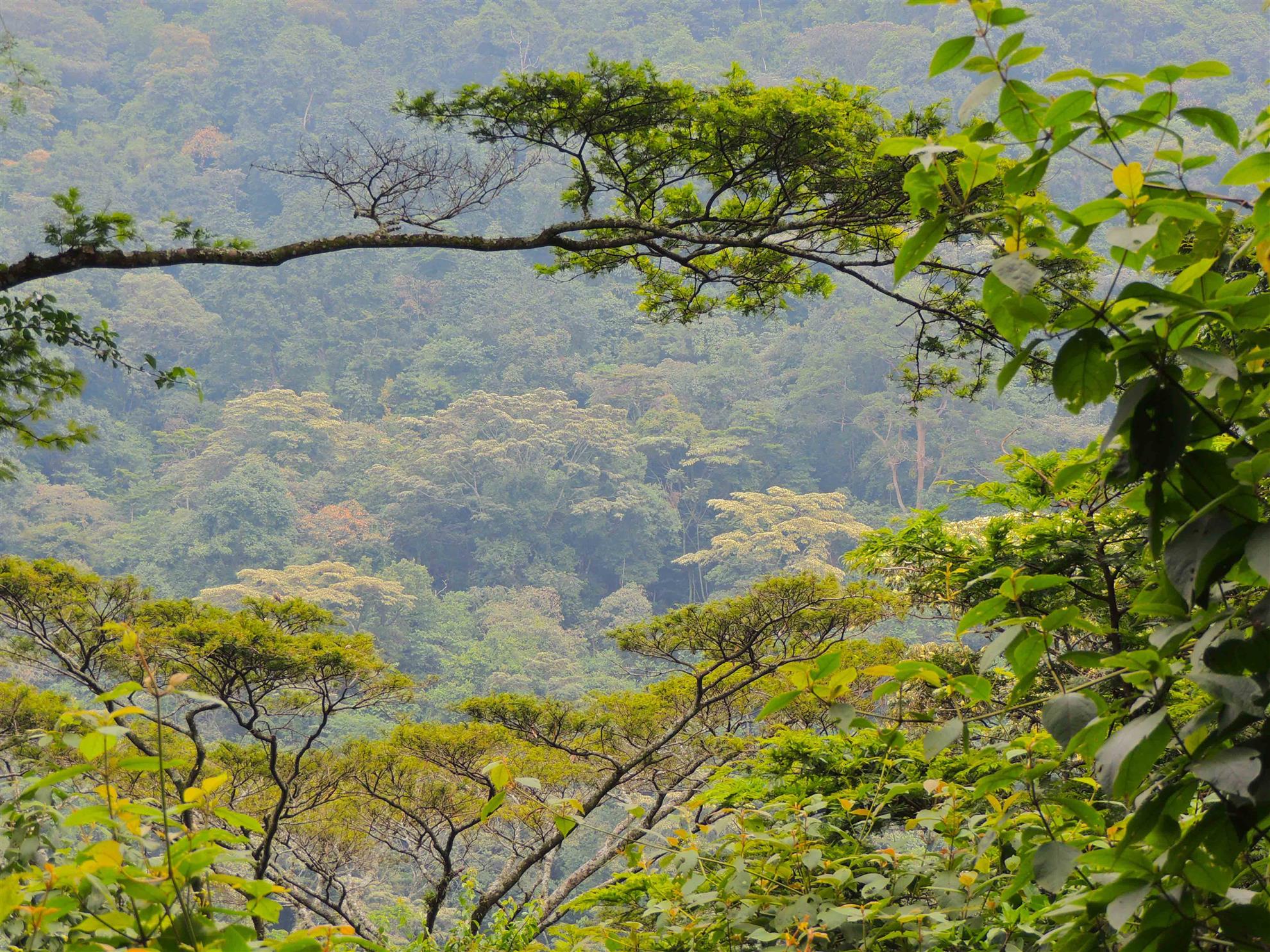
I had scrambled to put the presentation together, a bad idea; as it usually is. I was inadequately prepared, tried to cover too much ground and somehow many of my photos didn’t project the way I expected. Perhaps this narrative and some photos will fill in a few gaps.
My first stop was in a small town, Bundibugyo, in the far west of Uganda, there’s almost nothing down the road past Bundibugyo except the closed border with the Democratic Republic of Congo. The DRC is reckoned to be a moderately dangerous place to be, whether you’re a native or a muzungu like me. Muzungo means roughly ‘happily met white person’, it’s not a pejorative term at all. Originally it translated literally as, ‘he who wanders around aimlessly’. That’s us!
Anyway we stayed in the Vanilla Hotel, the best hotel in Bundibugyo and it was pretty wretched, My room was acceptably clean which was nice and, to some extent, made up for lack of a shower or indeed running water for any purpose, or for a supposed beef stew (the only thing on the dinner menu) which included three large tangles of improbable bones tied together with something odd looking and certainly un-chewable. Still a cold beer was perfect. I slept more or less.
Somewhat alarmingly (but several weeks later) while typing Bundibugyo into Google it quickly responded with "Bundibugyo ebolavirus, …one of the four ebolavirus that cause Ebola virus disease in humans." I’m feeling fine by the way.
Bundibugyo was the jumping off place for a visit to Semliki National Park, a dense, humid rain forest and a sensational stop for a birder; although it comes with certain risks (also see above). For example, while we sat on a log re-hydrating, one of our ranger-guides pointed to a green, whip-thin tree-snake making its steady way towards us. Robert, my personal driver/guide, leapt up and away, covering about five meters in two bounds. I hadn’t been all that alarmed until then, but thought it probably best to follow his lead. The snake which looked like a Boomslang (check that out on Google) was harmless as it turned out.
A couple of days later we were in Queen Elizabeth National Park, one of the best places in Uganda to see larger animals; and we did: Lions, Elephants, Water Buffalo, antelope-like things called Uganda Kob and a small herd of Topi (like Hartebeasts – if that helps). On a fabulous boat ride we came in close to dozens of Hippos, Nile Crocodiles, African Fish Eagles (like our Bald Eagle), storks and pelicans. We were given life jackets for all the usual precautions. I discarded mine, it got in the way of using my binoculars and camera and, I thought, would only serve to keep the meat fresh for the crocs anyway.
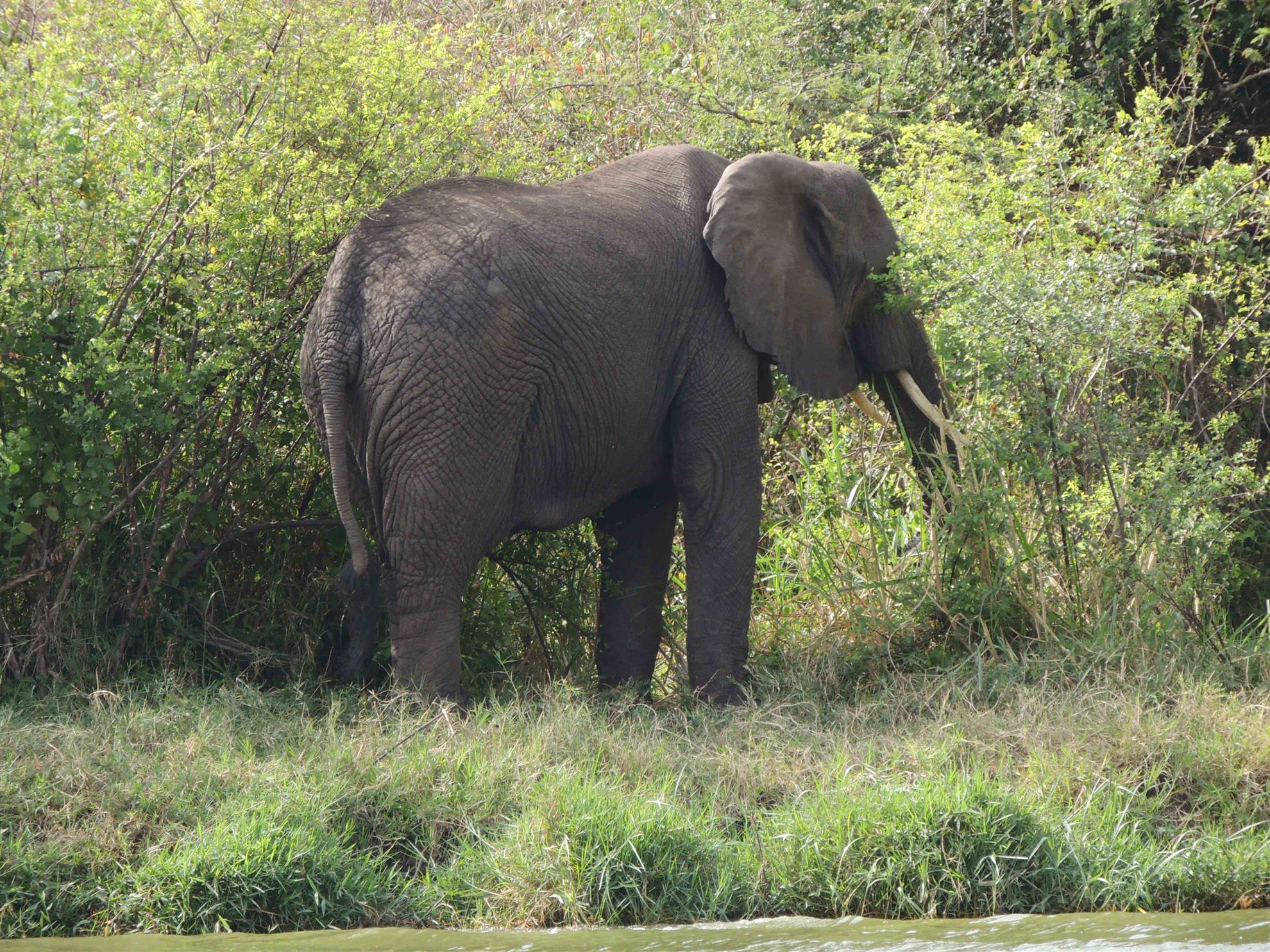
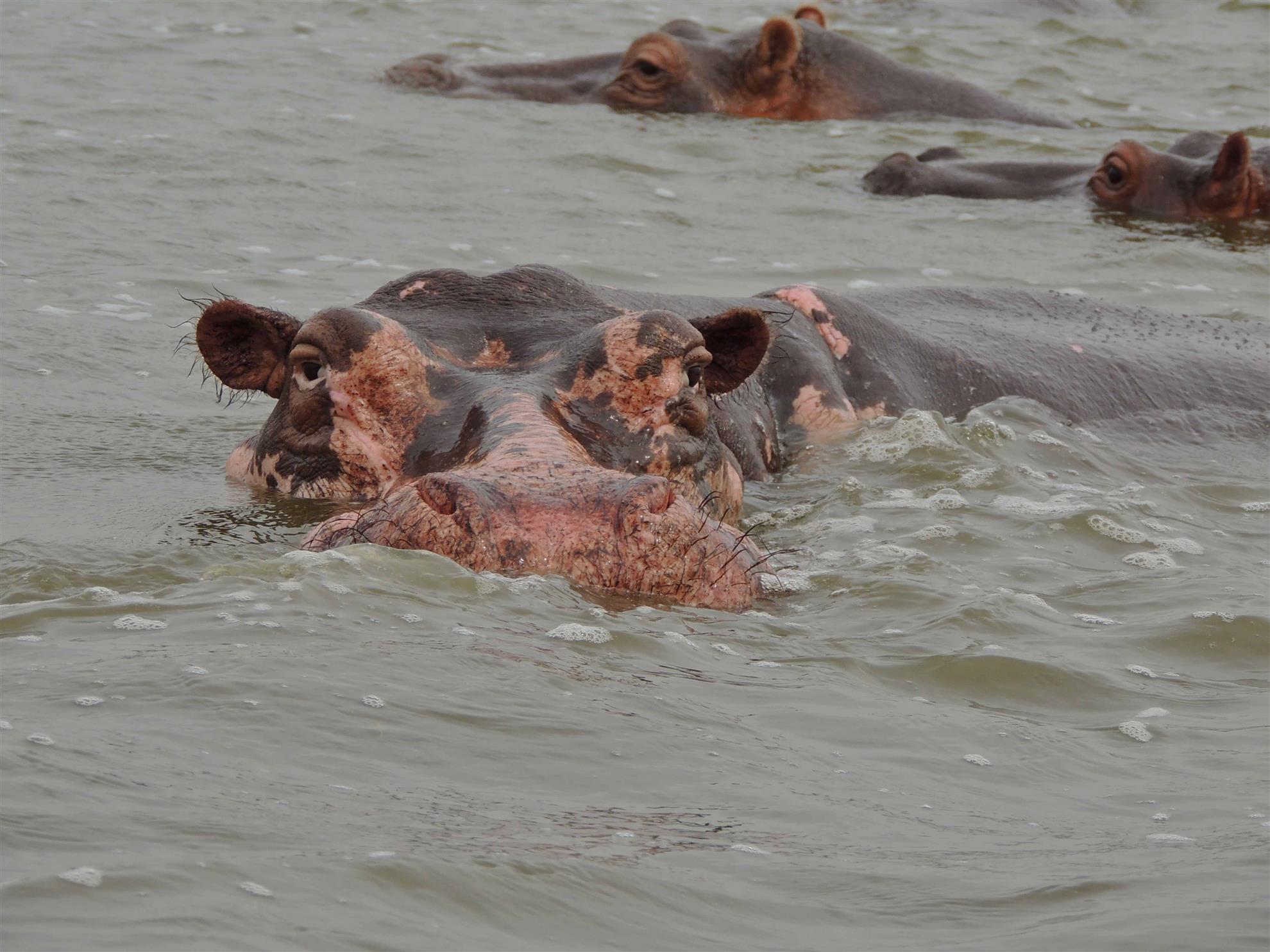
I asked my driver/guide how Ugandans feel about some of their national treasures being named after British monarchs: Lakes Victoria, Albert, George, and Edward, and Queen Elizabeth Park just some examples. He said they’re generally philosophical about it; when the national government was reconstructing a roundabout in Kampala, it advised Her Majesty’s Government in London that there were no plans to reinstate a monument to a previous British monarch that stood in the way of progress. Her Majesty’s Government responded, Go ahead of you must, but don’t count on receiving any more financial aid. Uganda prefers the money.
My ultimate destination was Rubugari, a small town on the edge of the colourfully named Bwindi Impenetrable Forest. Bwindi is a national forest and might not exist had the Ugandan government not seen its importance as a refuge for wildlife, families of Mountain Gorillas in particular, and the potential for tourism. The forest is ecologically extremely rich: plants, fungi, invertebrates and vertebrates; entering it you can barely comprehend its diversity.
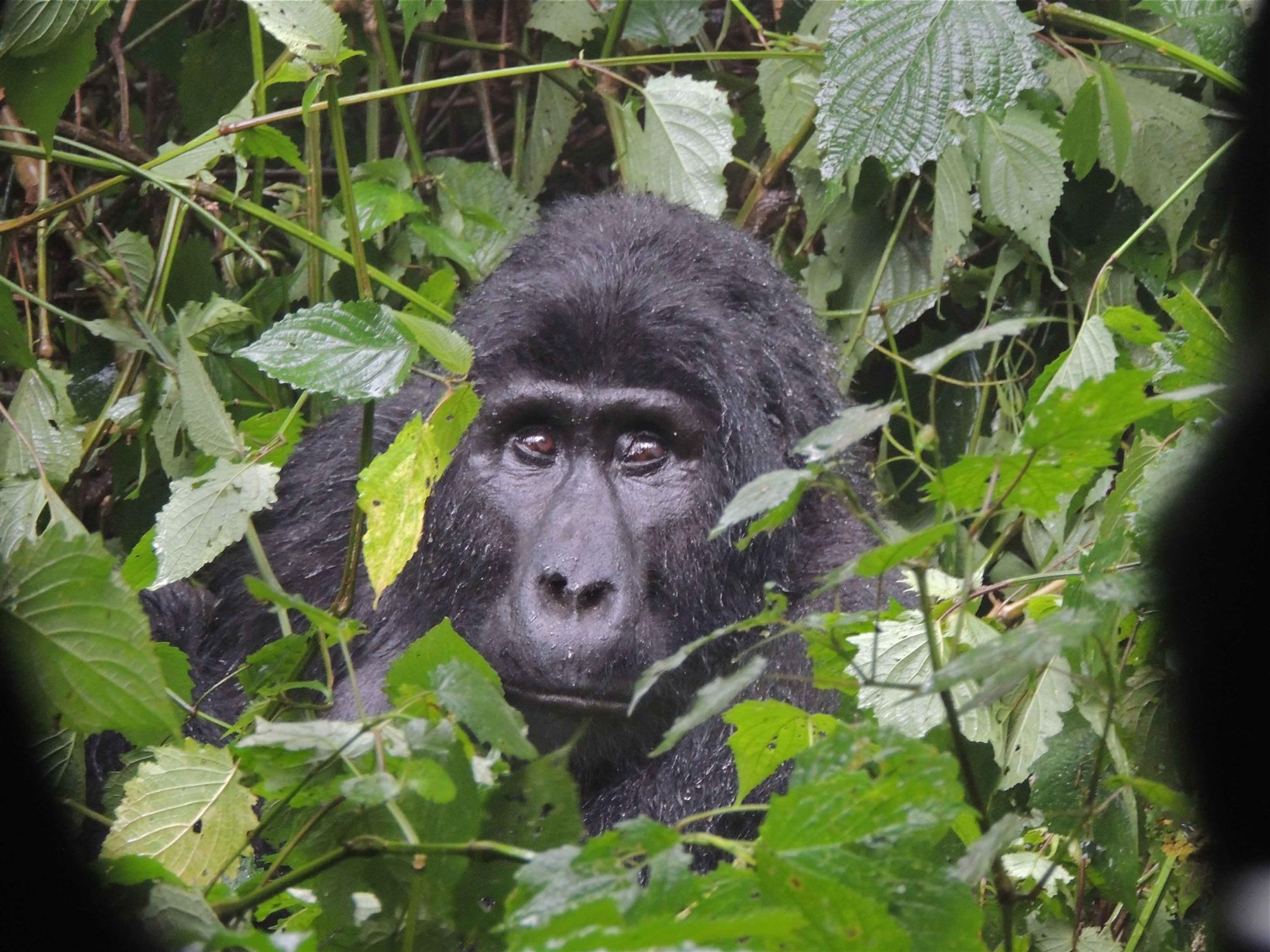
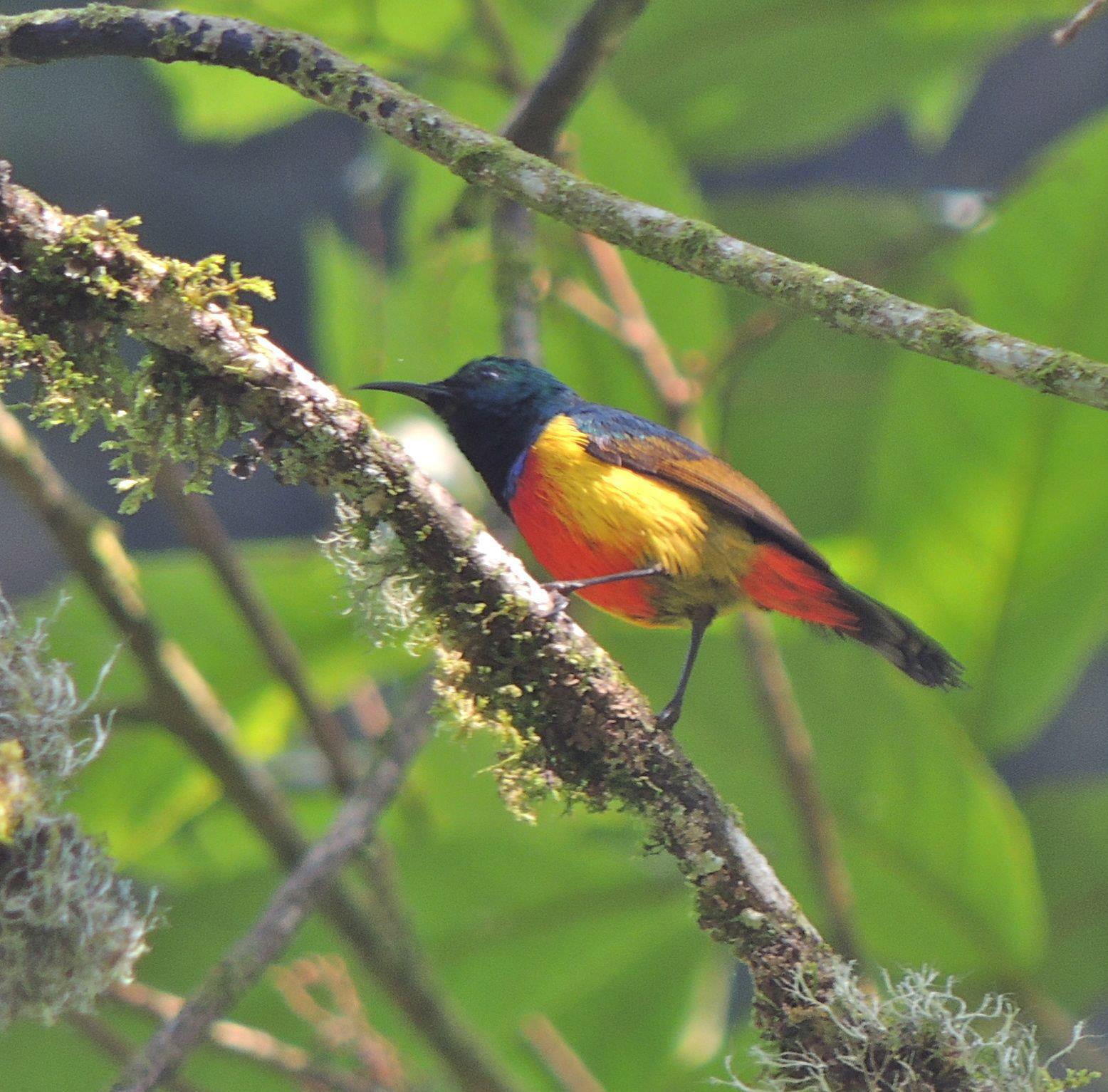
It is aptly named the Bwindi Impenetrable; you would not want to be lost in it. Okay for squirrels and monkeys they have their canopy highways, and the gorillas and elephants get around by brute force, but dropped down in its midst, even if you knew which direction to head you’d be hard pushed to move forward, backwards or sideways; the forest envelops you.
One of my tasks while there was to help compile a checklist of birds of the Southern Sector of Bwindi. You’ll have to take my word for this, about as close to a dream challenge as I can imagine.
Arriving there I handed over three pairs of binoculars I’d lugged all this way from home, donated in part by the club to help establish some local birding-tourism opportunities – and thereby employment. We want to offer Muzungu tourists the opportunity to add to their gorilla experience by experiencing some of the exceptional birds in and around Bwindi. The binoculars were received with enthusiasm and gratitude, they are essential equipment for an effective guide. Some locals are good birders anyway and with effective equipment and some of the training we worked on, will be even better guides.
Thank you RCBC.
P Scribe