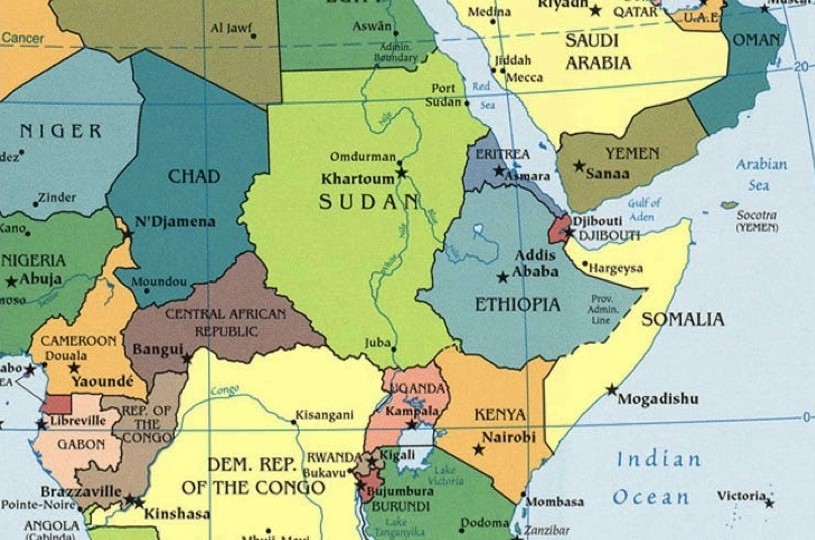
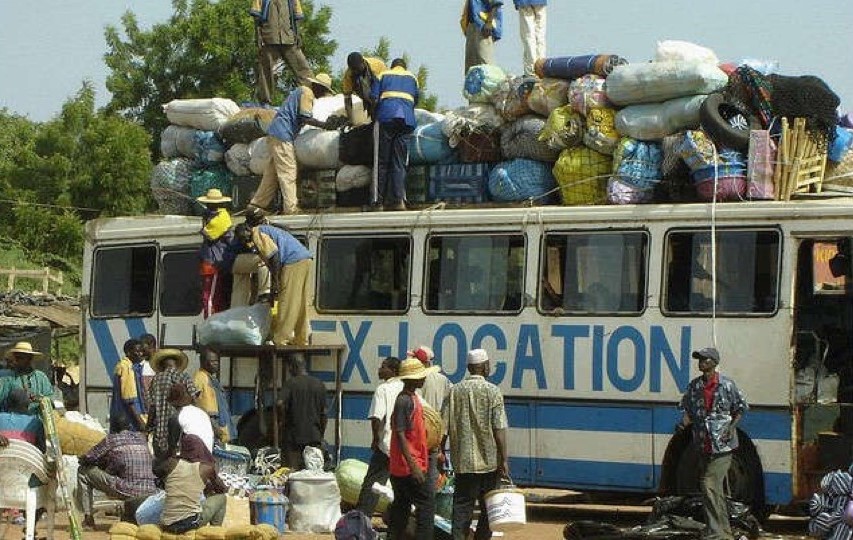
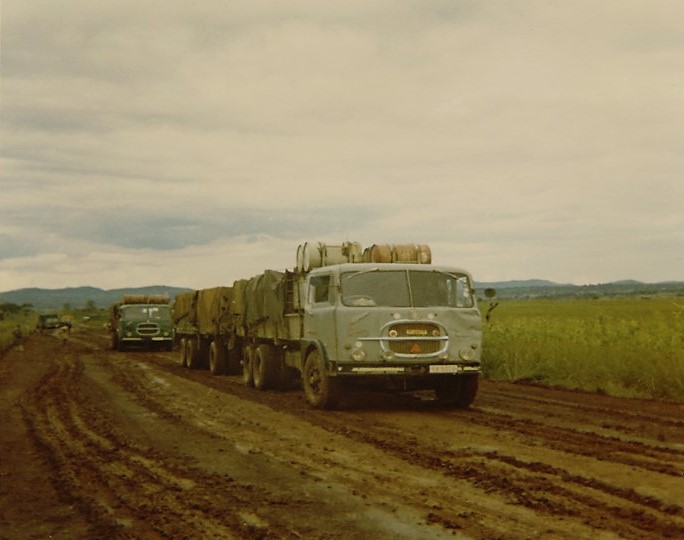
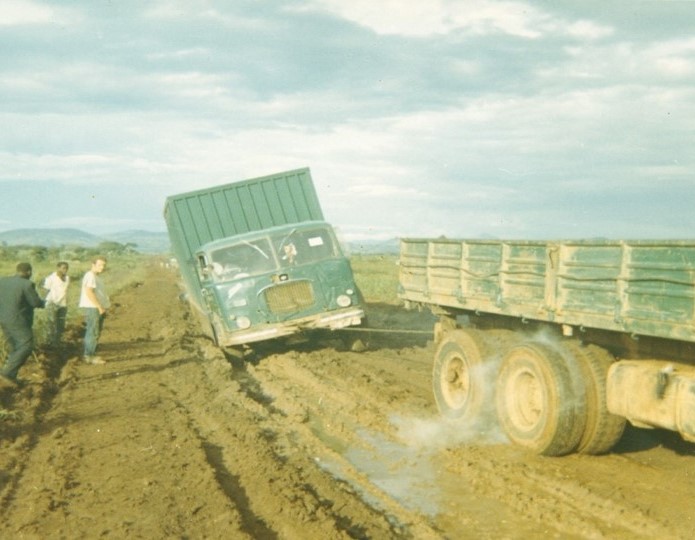
Then they took a truck to Lusaka, 1000 miles of dirt road followed by 500 miles of tarmac. There were trucks stuck along the way, trucks in ditches, overturned, and the journey took six days. Apparently the first thing to be pillaged by the locals from an overturned truck was the tyres as they would use them to make shoes.
Andrew described with fond recollection the kindness and generosity of the working class folks that he travelled with who would share anything including their chickens, freshly killed and boiled in water, feathers and all. He was invariably invited by them to share their food.
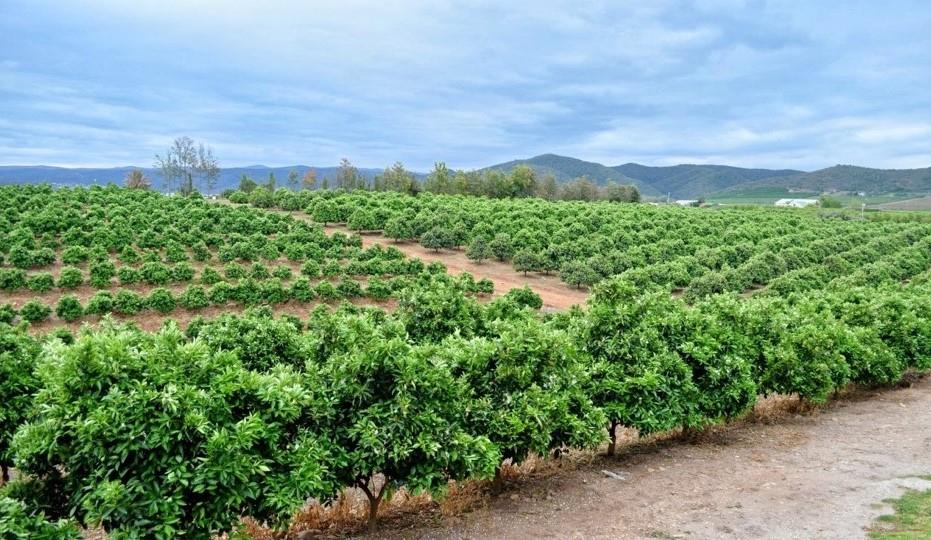
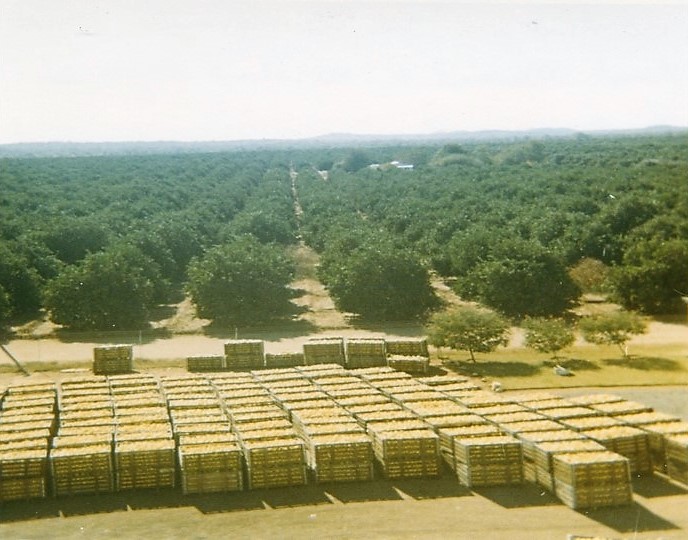
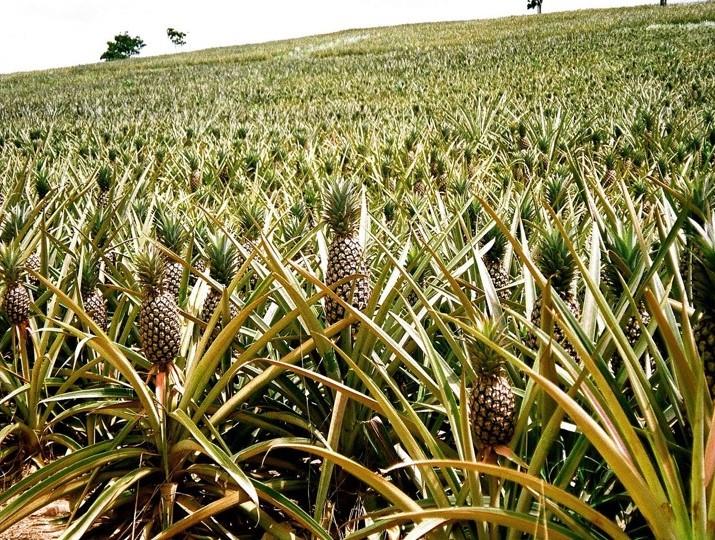
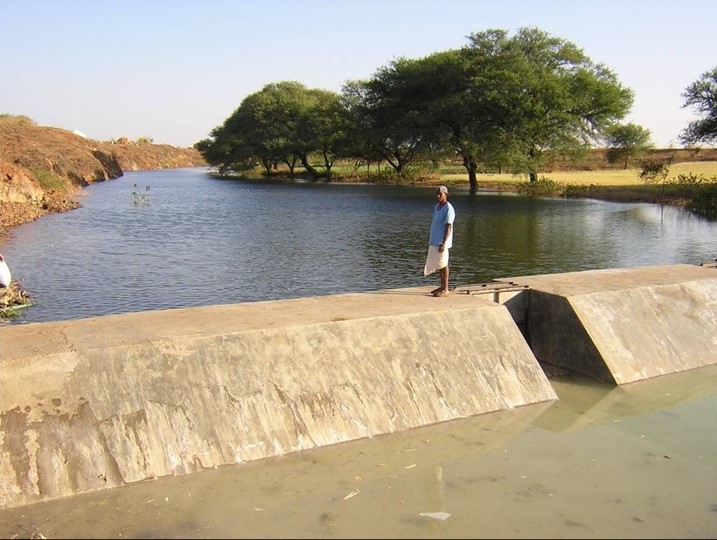
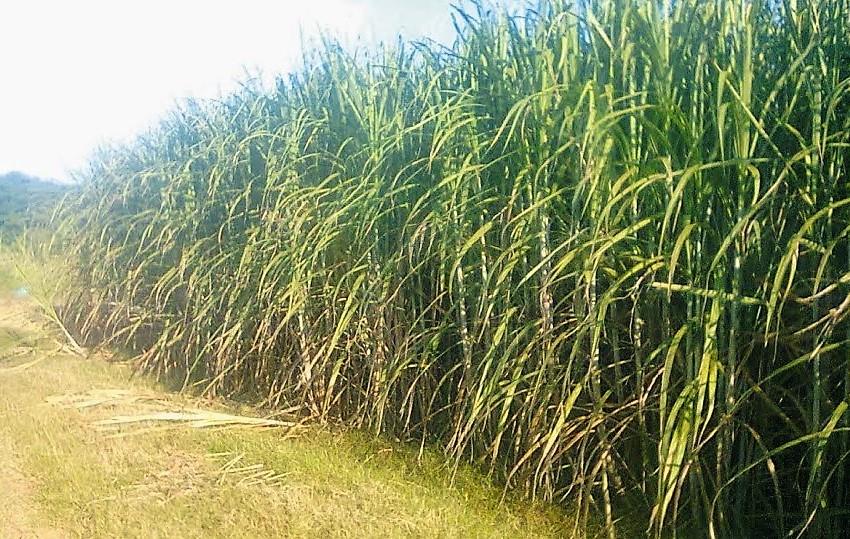
His job as a farmer was to be manager of 1000 acres on a huge estate where they grew pineapples, grapefruit and sugarcane. The area was extremely fertile and the heat and the available water from the dammed river reservoir made for wonderful growing conditions.
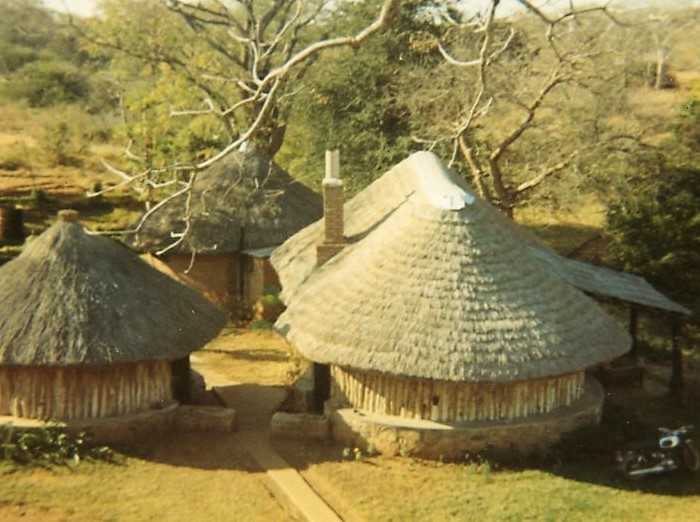
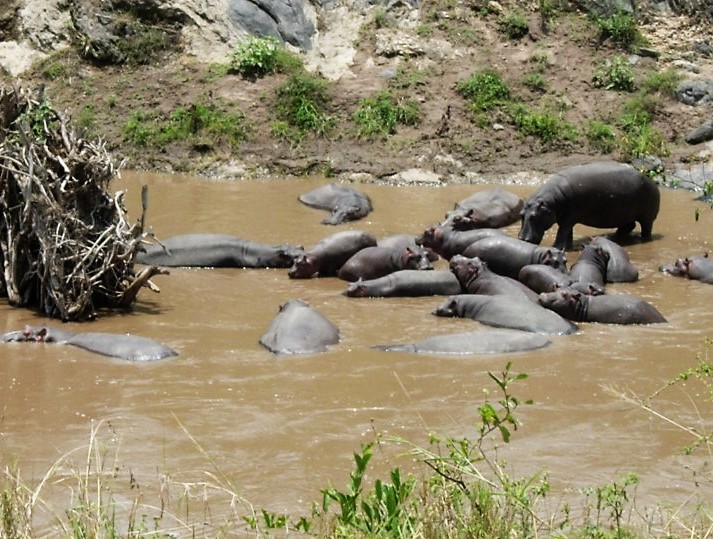
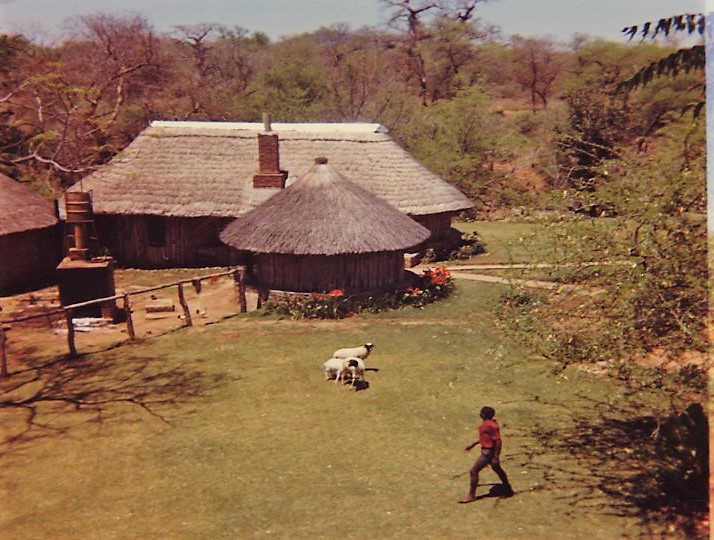
He lived in what is known as a pole and a daga hut which was built with vertical sticks/poles, a straw roof and the cracks filled with daga which is dung, straw and mud. It was definitely not insect proof. The view from their balcony, a huge pond teeming with big, angry hippos. One thing one did not want to have happen was to be chased by a hippo, not even on a motorbike.
All the fit men in the area were employed and there were 185 men working for him. He never had direct contact with a worker as any order to do anything had to go through the chief, who ordered the busboys, who ordered the men. Needless to say the chief and the boss boys did no work. The folks had a medical centre and they had to pay no tax.
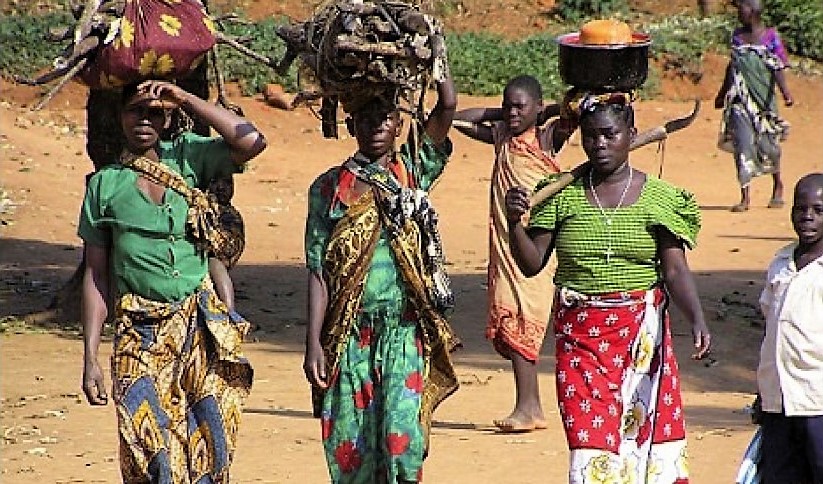
Andrew learned a bit of Shona, the local language. He got on very well with the working people and had a wonderful servant and his family living next to his house. The day started at 4:30 AM and went through to 11 AM at which time a hot meal was served. After that the men sloped off to do nothing while the women did all the work on their compounds, in their fields, carrying their babies on their backs throughout the day. As Andrew poignantly said the women did all the work!
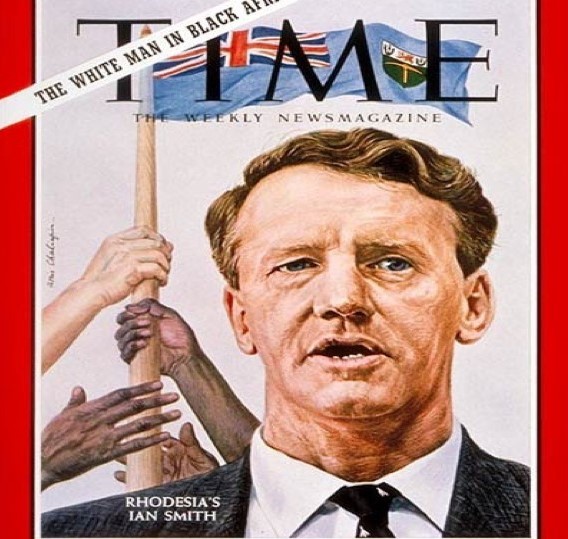
While he was there Rhodesia was gripped by major political problems. Ian Smith wanted Rhodesia to stay under white government.
The British government at the time wanted to allow the colonies to work towards independence. Everybody knew that that would inevitably result in black majority rule and indeed this happened subsequently and the place is in ruins and chaos under the rule of Mugabe. Britain refused Ian Smith's bid to stay White and he separated from Britain who then imposed sanctions.
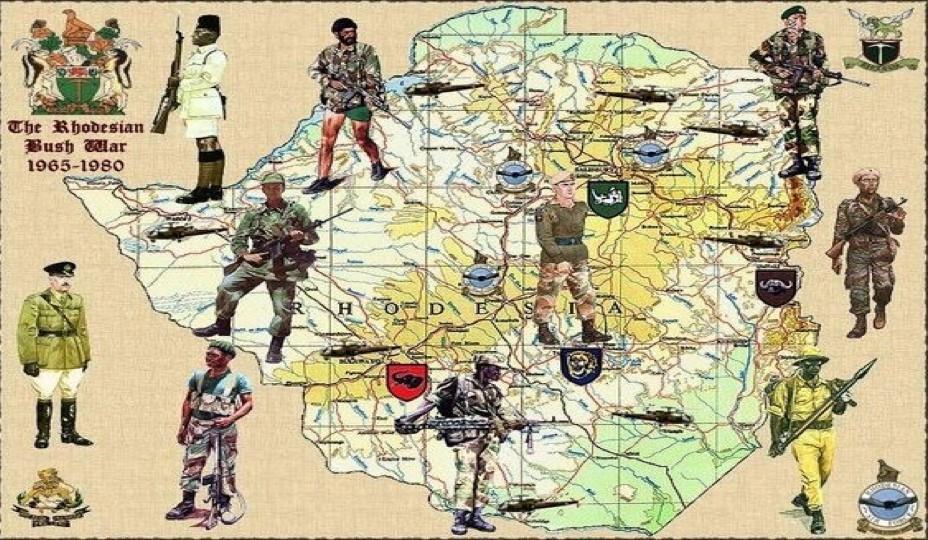
Through this time guerrillas became part of the landscape and anybody who could carry a gun with any kind of military training were co-opted including Andrew. He had been part of the Territorial Army before leaving the UK. This was the only frightening part for him of the entire trip, perilous journeys and lethal wild animals apparently gave him no worries or fear at all but having to carry a rifle and been given instructions to shoot anybody who tried to approach his compound was one of the most frightening and distressing things he experienced. He didn't know whether the people were his local workers who had families or whether they might be local guerrillas.
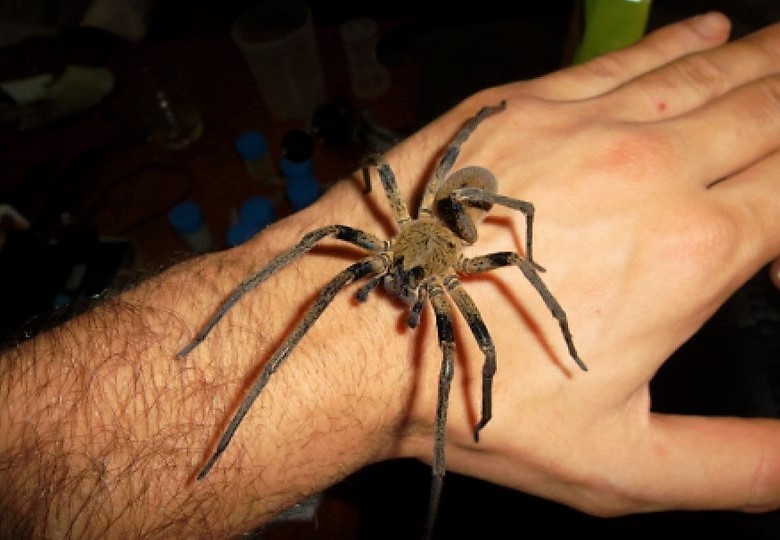
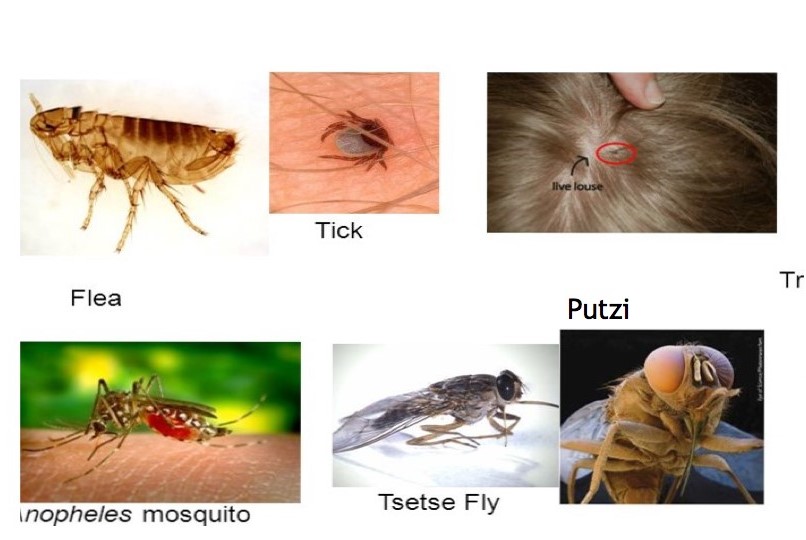
Andrew described his house and his servants’ house. His bed had to be set with its legs in tins of water to prevent ants from crawling up the legs. He got malaria when he was there. One had to be careful to shake out one’s shoes in the morning for fear of a spider or a scorpion lurking in the warm smelly depths.
He showed us some disgusting pictures of the various spiders and insect life including the most repulsive of the lot, the putse fly which lays its eggs on the drying clothes and maggots develop which then bury themselves into the skin where they develop.
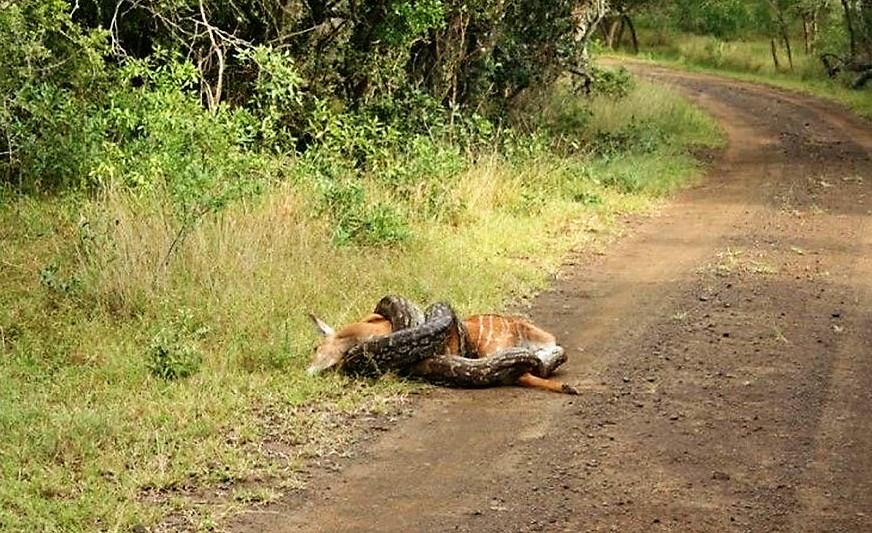
He met a python killing a deer on the roadside.
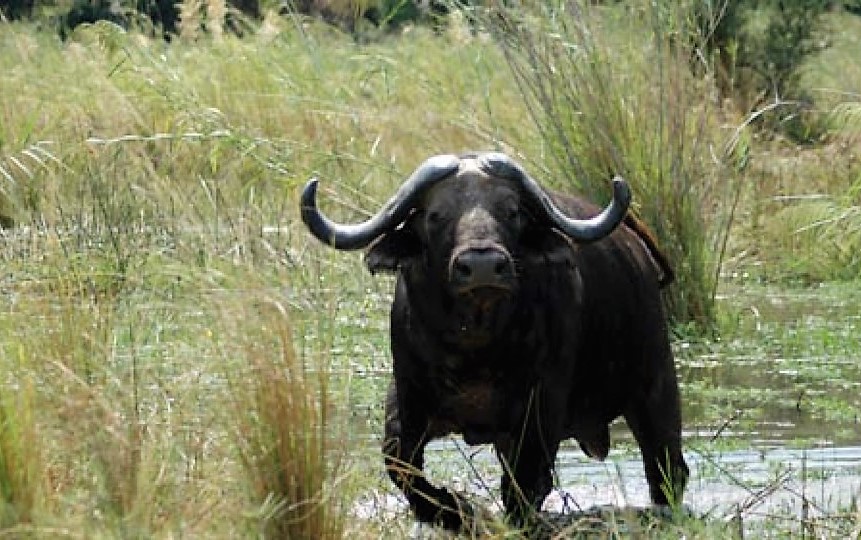
Water buffalo were described as dangerous and cunning.
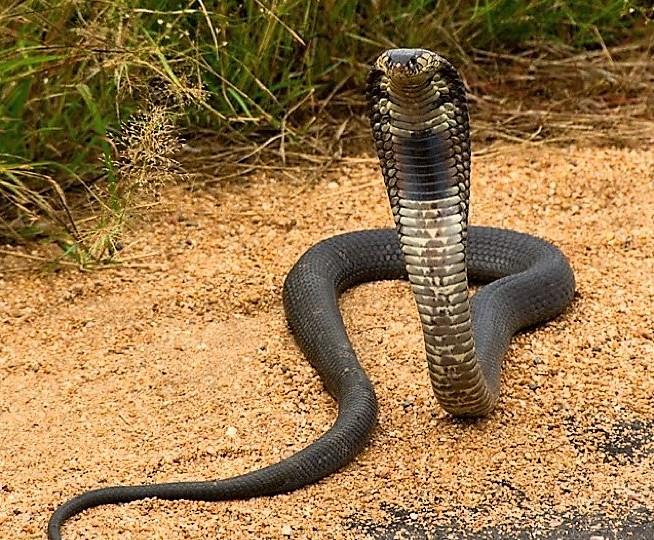
Where the workers in the fields were quite happy to dance around taunting spitting Cobras, Andrew was smart enough to keep his distance.
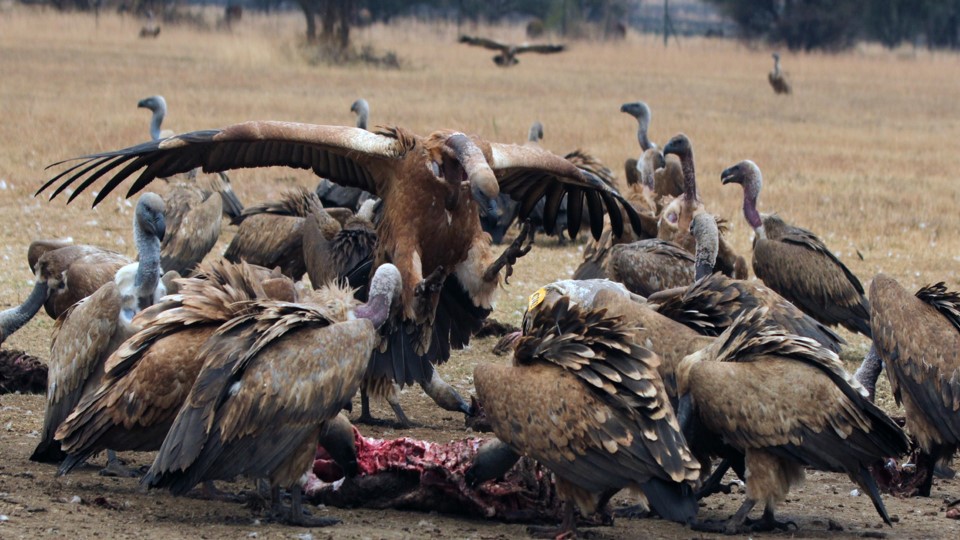
Vultures were to be seen everywhere.
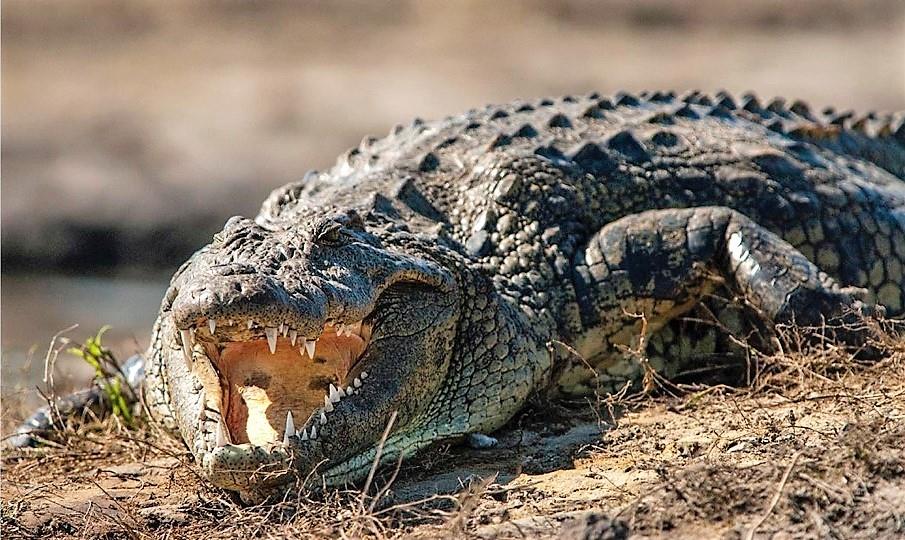
Crocodiles would come into their groves, terrifying beasts.
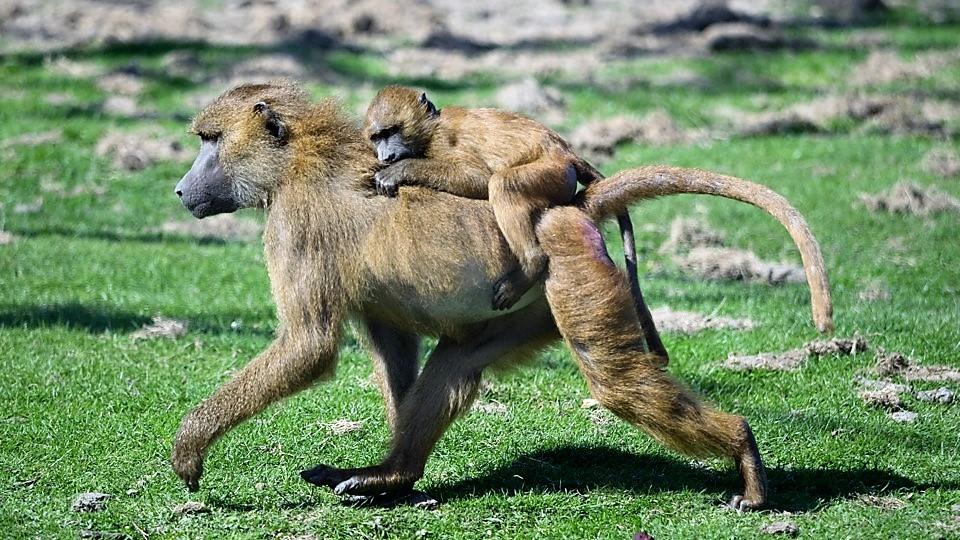
Baboons were described as horrible, dangerous and destructive of the various plants that were carefully grown there.
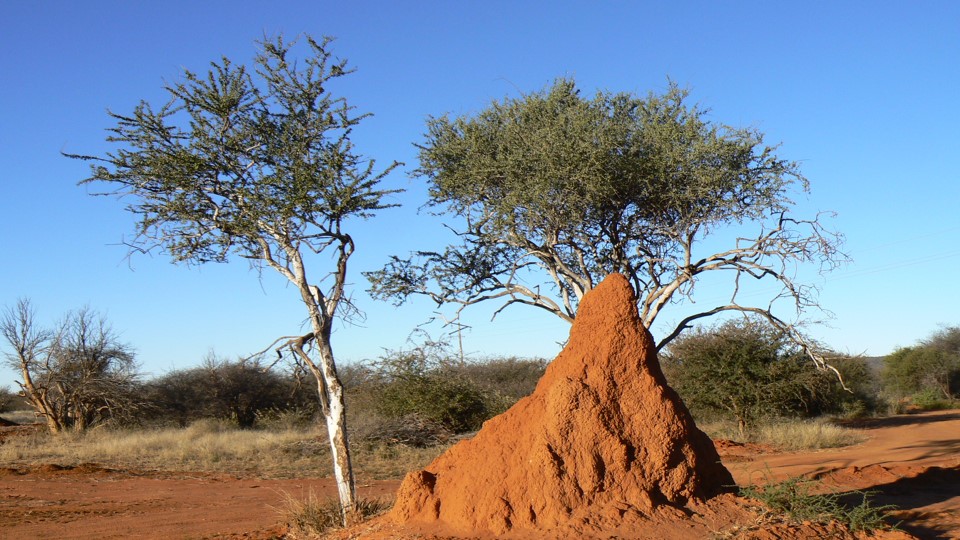
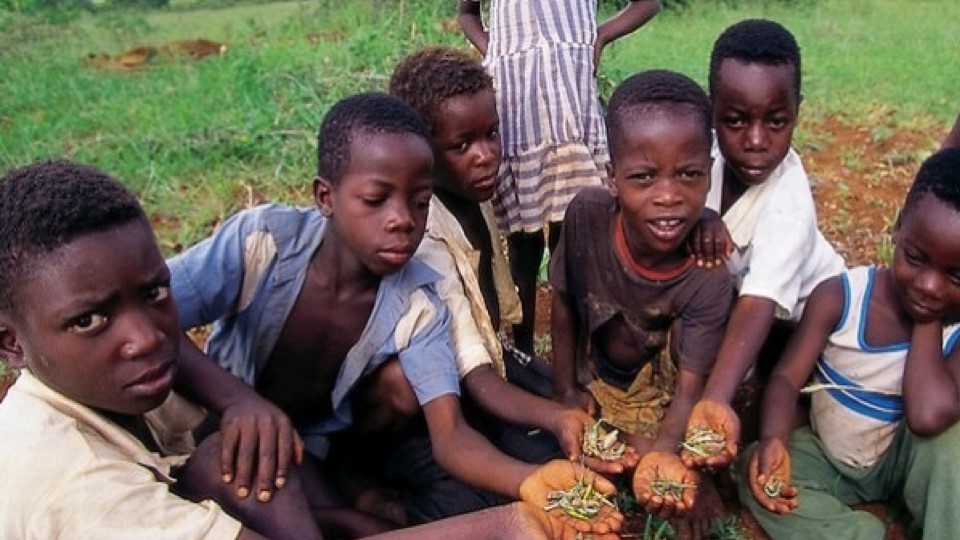
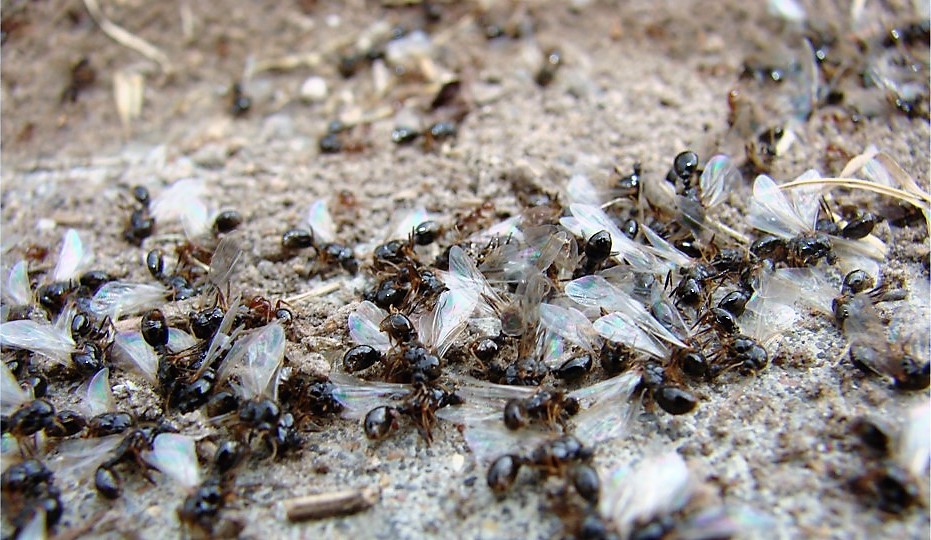
A picture of an ant hill was most impressive and apparently one night of every year all the ants come out, fly around for a day whereupon they die and litter the ground to be picked up by the children and cooked and apparently taste like peanut butter.
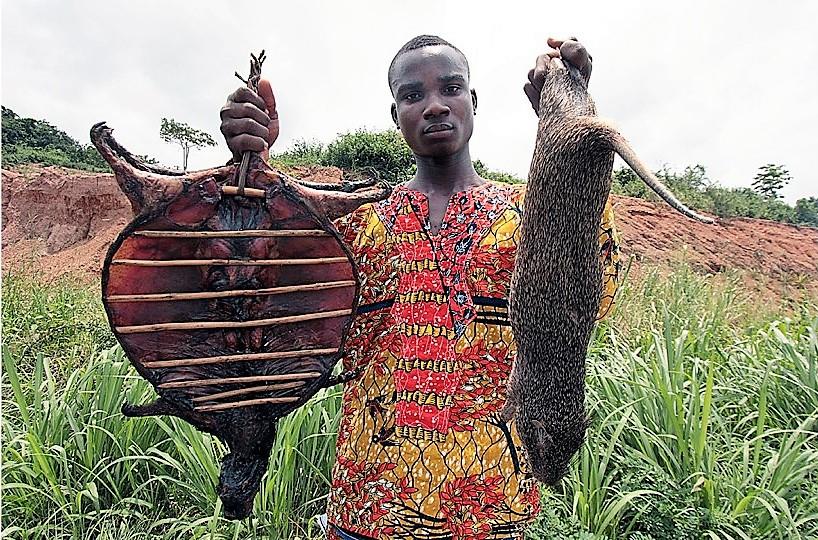
Cane rats were also very common and apparently good eating if you like that kind of thing.
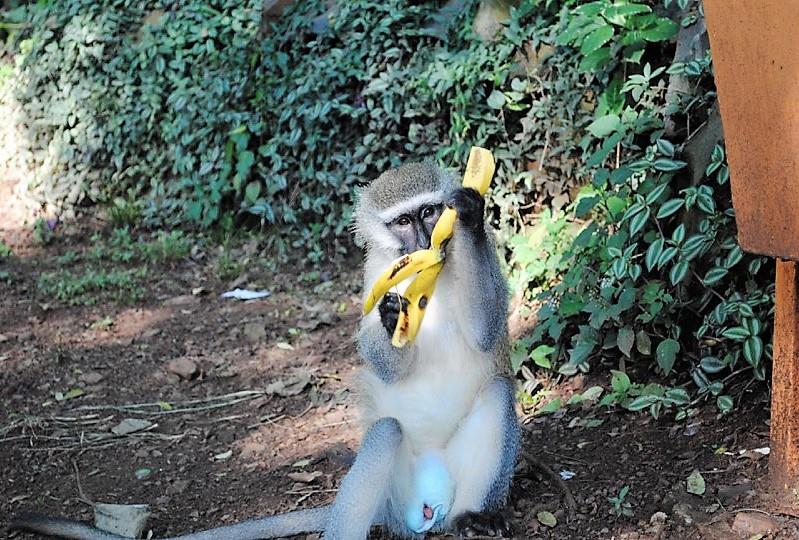
Andrew had a monkey called Tiboo whom he trained to share nuts with him: he would go through the process of taking every other nut for himself to eat while helping Andrew to crack it. Smart creatures!
Andrew described the experience very fondly, an extraordinary and formative experience.
Owen McElhinney was asked to thank his fellow Brit for an entertaining and enlightening talk.




.png)