Our speaker today was Lori Shibinette, CEO West Central Behavioral Health (WCBH)
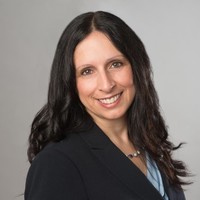
Lori Shibinette
Picture from her LinkIn Page
John Yacavone introduced Lori who was formerly the head of NH Hospital and also served as Commissioner of NH Dept Health and Human Services.
Lori lives in the Lakes Region from where she commutes every day to the Upper Valley, though winter driving is a little tougher than the summer. She said it’s been a joy to see the high level of community support for Non Profit Organizations and local services here in the in the UV.
Lori’s been at WCBH for about a year. She is a nurse (R.N) by training. She worked at Merrimack Nursing home for 30 years and served as NHDHHS commissioner during Covid, which started about 3 weeks after she began work and which required a quick pivot from mental health to managing a pandemic.
WCBH and community Mental Health system
NH Hospital is the psychiatric hospital on Pleasant Street in Concord, comprising about a dozen buildings. When Lori arrived in NH from Canada (One can still hear the shadow of an accent in her pronunciation of the syllable “out”.) in 1995, she worked there for her first nursing job. At the time, about 3,000 persons were living there. Lori always remembers one woman who, having been admitted for post-partum depression when in her 20s, was still there 70 years later in her 90s.
In 1980s/90s the country moved toward creation of a community mental health system. WCBH is coming up on 50th anniversary in 2027. The movement began with “deinstitutionalization” – the process of returning individuals from hospitalization to their community of origin. Today, there are only 168 people living at NH Hospital.
West Central’s role is to be the place where persons suffering from mental illness (MI) or suffering a mental health (MH) crisis can get help regardless of ability to pay. They have offices in Claremont, Newport and Lebanon, and serve persons from infancy through elder care.
Main programs
- Children – middle and high school age. Hundreds of kids. Partnerships with most schools. Family and parent counseling included. From trauma to identity struggles.
- Adults – persons with MI, mostly severe and persistent such as schizophrenia, bipolar disorder and other long-term, chronic diseases.
- Mobile crisis team – If MI crisis at home, call 988 and we dispatch a team to you. Lori spent a day with the team when they responded to a school. Also provide service where needed. “We do a lot of deployments,” Lori said.
- Substance abuse disorder
- ACT – Assertive Community Treatment – Deliver meds daily; 60 persons in this program, daily interaction to keep them stable.
Other programs:
- “In-Shape” – focus on nutrition and health. Many of our folks are socially isolated. Coach will take person out of the home to connect with others.
- “Passion Projects” – Focus is on health care. Many folks with MI may start identifying as their illness rather than who they are. This program supplies the means for folks to pursue a passion that gives them joy in their life. We have 10 applications. One example: Child asked for a scholarship to take karate, after being subjected to for domestic violence in order to gain a feeling of some control. Karate Studio reduced price and we paid for 6 months of lessons.
What has changed in the last year:
- We became certified as a community MH center, not just for the most vulnerable populations, but for persons who struggle with MH no matter who they are. We want to provide prevention.
- Hired more staff.
- Bought a property to build a new clinical space in Claremont.
- Partnering with businesses doing education and training for employees.
Changes in Medicaid could have a massive effect on our services:
WCBH is one of 10 community mental health centers in NH. 90% of our patients are on Medicaid. We will continue to provide care whether the funding comes in or not.
Last year, we provided $611,000 in non-compensated care. We expect that to go up with new Medicaid work requirements and other possible changes.
Lori thanked Lebanon Rotary for replacing the children’s toys, games and equipment needed after the flood in Newport.
QUESTIONS:
Ron Michaud: Two Rotarians have served as WCBH CEOs: Jesse Turner, the founding CEO, and Suellen Griffin. Phil Bush’s history at WCBH goes back 50 years, working as financial officer when it was just a Federal program. Ron also worked for WCBH after he was 65, creating the development department. Steve Whitman served on the WCBH board for 12 years and is a past chair.
Lori: The expertise in the UV is impressive; there are programs that started here and expanded to other parts of the country. Back in Covid 2020-23 we were just trying to survive. Coming out of Covid, we see a greater need from children because of that isolation. We are doing more outreach, health fairs, employee training, etc.
Dave Crandall: Emergency response teams? Long-term intervention following?
Lori: These are 2-person teams – a licensed therapist and peer support specialist (persons with lived experience of their own or of a relative). Many of these encounters wind up with longer-term care, get a case manager and a therapist. Some of these encounters are with former or existing clients. Some encounters end up with hospitalization if the individual wouldn’t be safe at home.
Ernst Oidtmann: Used to refer patients to WC. I once referred a person for suicidal ideation and never got notified if the person ever was received. Feedback to family physicians is very important to coordinate meds, etc.
Lori: We identified this gap, especially with the mobile response team, and especially with regard to anti-anxiety or other meds. We are looking at creating a community connection with local primary care providers. Brian Lombardo, a family physician on our board is helping with this.
George Wenz: WC role re: homeless population?
Lori: Probably a couple different lanes of homelessness –
(a) NH had 200 families living in motel rooms when I left the commissioner job. These are working parents who still couldn’t afford a place to live and had no MH issues.
(b) Persons with MI and addiction living on streets, estranged from fam or evicted. WCBH has a housing person who helps find and keep housing. Helping persons build skills to retain a home is necessary.
(c) A group of people who don’t want help, are not ready to go into recovery, maybe have no trust because of schizophrenia or some other barrier. We try to maintain a connection with these folks. An “acute phase” of the illness often brings paranoia and delusions and hallucinations when we say, “Come with me and we’ll take care of you.” Often, a person is picked up later and we get to treat them in the hospital and help with housing when they leave. The whole country struggling with these issues.
We think: “What can we control?” First, we focus on individual needs where we can help and people want help. We have some housing and we maintain connection where help is not accepted. Suicide workshops in high school, addiction prevention.
Steve Whitman: How much of admin group will move to Claremont?
Lori: About 50% of our clients are in Sullivan County; the rest are in Newport and Lebanon and surrounding towns. Lebanon will be our adult clinical location, children clinical in Newport, mobile crisis and administrative functions in Claremont.