
Pelvic Health: It’s Not Just About Kegels
At a recent Rotary meeting, physiotherapist Heather Tsarfati from All Things Pelvic delivered an engaging and informative talk on pelvic health — a topic that is far more common than most people realize, yet often overlooked or misunderstood.
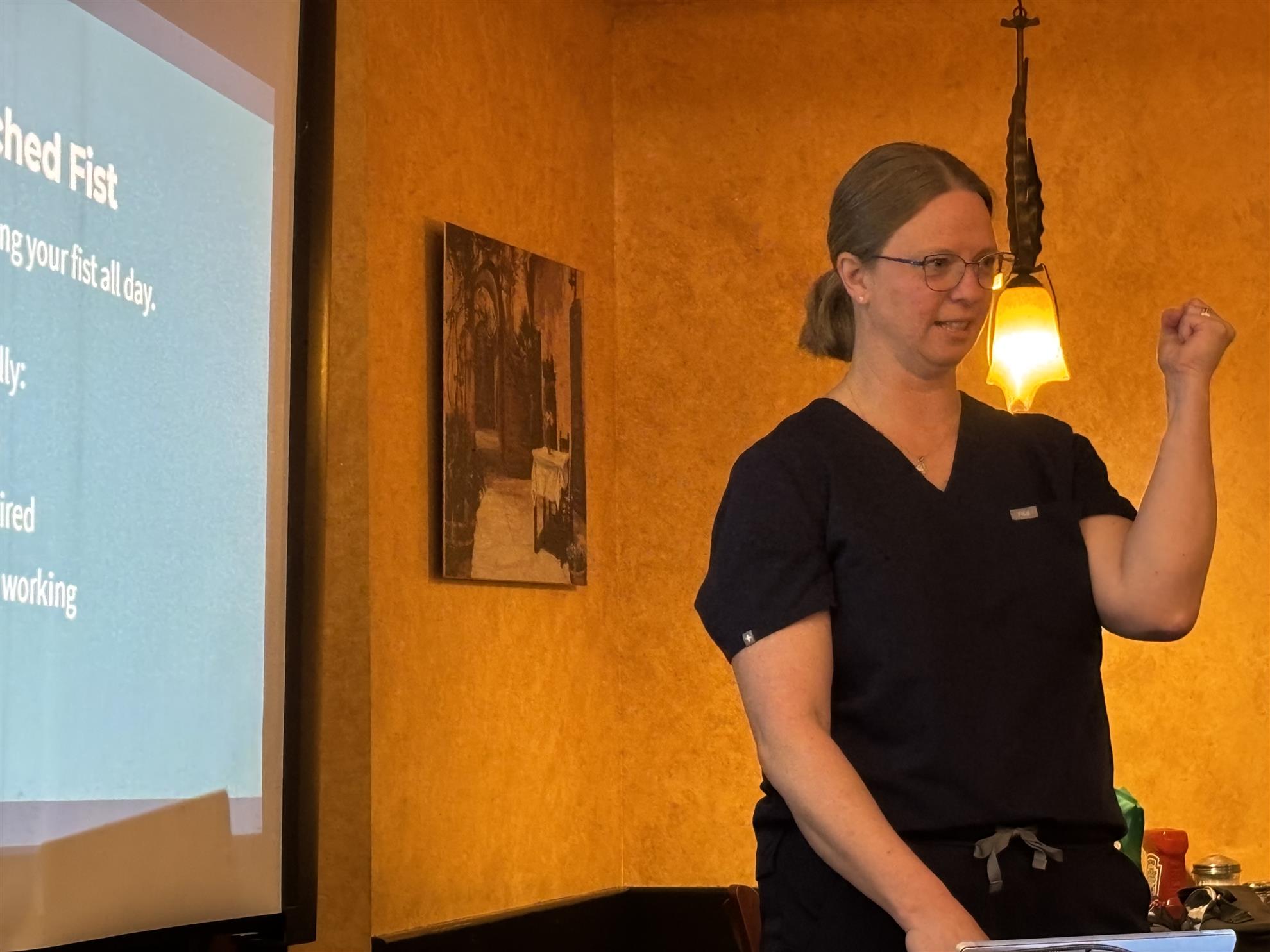
Heather began by challenging a common piece of advice: “just do your Kegels.” While pelvic floor strengthening can be helpful for some individuals, she explained that it is not a one-size-fits-all solution. In fact, for some people, particularly those with overly tight or overactive pelvic floor muscles, Kegels can actually worsen symptoms. The key message: understanding what your body needs is far more important than simply doing more exercises.
The presentation introduced the pelvic floor as a group of muscles that support the bladder, bowel, and reproductive organs, and play an essential role in everyday functions such as bladder and bowel control, movement, and pressure management. Using simple and relatable analogies — including comparing the pelvic floor to a trampoline and the core to a soda can — Heather illustrated how these muscles must be able to both contract and relax in order to function properly.
Heather also highlighted how pelvic health applies to everyone — men and women of all ages — and is connected to many everyday issues such as urinary leakage, pelvic pain, constipation, and difficulty with movement. These concerns are common, but not something people need to accept as normal or permanent.
The talk emphasized that pelvic health is about coordination, not just strength, and that proper assessment is essential. Two people with the same symptoms may require completely different approaches to treatment. Pelvic health physiotherapy can help address a wide range of concerns related to bladder, bowel, pain, and movement, often with significant improvement in quality of life.
The key takeaway from the presentation was simple but powerful: pelvic health is not one-size-fits-all, and people do not need to guess or manage symptoms on their own. With the right guidance and support, these issues are highly treatable.